


The last couple of years have fundamentally redefined the parameters of the live music festivals, transforming the Coachella Valley Music and Arts Festival into the undisputed epicenter of global experiential marketing, high-fashion exhibitionism, and creator economy integration.
Analysing the exhaustive data from the 2026 edition reveals a profound and irreversible shift in brand engagement. The festival, which drew approximately 250,000 attendees across two weekends at the Empire Polo Club in Indio, California, is no longer structured primarily around the consumer ticket-holder. Rather, it has been aggressively re-engineered to serve as a high-fidelity, highly controlled content generation studio designed for a global, digitally connected audience of billions.
For brands, marketers, and cultural strategists, the 2026 festival circuit provided a ruthless proving ground. The era of passive logo placement and rudimentary product sampling has been entirely eradicated. The modern experiential mandate dictates that the physical footprint of an activation is secondary to its digital scalability and algorithmic resonance. Brands that successfully penetrated the cultural zeitgeist during this festival cycle, generating hundreds of millions of impressions and millions in Media Impact Value (MIV), did so by engineering multi-sensory, socially optimized ecosystems that prioritized creator frictionlessness and raw utility.
In this article I’m dissecting the dominant aesthetic trends, the sartorial strategies of high-profile performers and influencers, the operational mechanics of flagship brand activations and the rigorous analytical frameworks required to measure true return on investment in an influencer-saturated economy.
The aesthetic paradigms witnessed on the grounds of Coachella 2026 serve as a highly accurate, predictive barometer for global fashion and beauty trends for the ensuing fiscal year. The overarching thematic shift observed by industry analysts was a decisive and aggressive departure from the minimalist clean girl aesthetic that dominated previous quarters. In its place, the culture has pivoted toward a modality defined by playful, controlled maximalism, expressive subversion, and a heavy reliance on three-dimensional embellishments.
Beauty at the festival is characterised by a synthesis of youthful creativity, extreme versatility, and deliberate structural artistry. The deployment of cosmetics evolved from mere facial enhancement to an integral, structural component of the overarching sartorial narrative. Marketers operating within the beauty sector must understand that the modern consumer views makeup not as a corrective tool, but as a primary medium for high-visibility self-expression.
A pronounced strategic trend is the juxtaposition of understated, highly wearable apparel with incredibly elaborate, maximalist beauty details. High-profile attendees and cultural arbiters such as Kylie Jenner and Hailey Bieber opted for relatively simple, chic fashion ensembles, deliberately directing the visual focus entirely toward intricate, maximalist beauty statements. For both Jenner and Bieber, this manifested in elaborate floral manicures that served as the focal point of their outfits. Hailey Bieber further amplified this dynamic by debuting a strawberry cheekbones aesthetic, utilizing bold, highly pigmented blush to anchor her visage, definitively proving to beauty marketers that aggressive, highly visible blush trends have achieved supreme market dominance over subtle contouring.
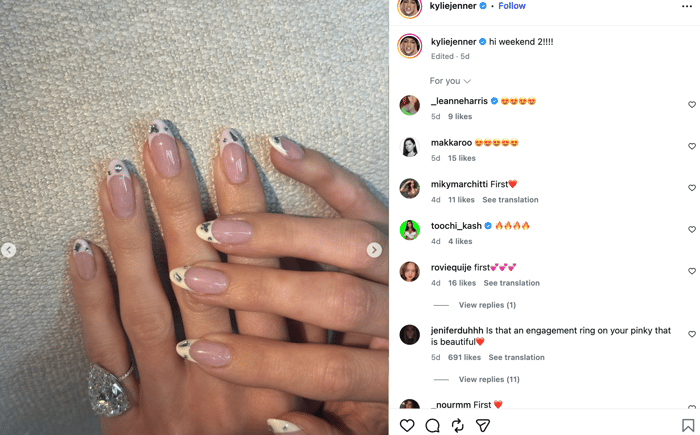
The concept of body art also evolved significantly, moving beyond traditional two-dimensional cosmetics into the realm of physical hardware. Braids heavily adorned with metallic hair rings became ubiquitous across the festival grounds, signaling a massive opportunity for hair accessory brands. Similarly, gem art transcended the typical small rhinestones applied tentatively around the orbital bone.
As demonstrated by the rising musical group Katseye and multi-hyphenate creator Teyana Taylor, body gems were upscaled to function as dramatic, three-dimensional statement jewelry applied across the face, chest, and torso. This shift indicates a consumer desire for beauty products that provide tactile dimension and aggressive light reflection.
Crucially, beauty experts on the ground noted that the 2026 trends prioritised deep versatility across global demographics and skin tones. For attendees with Indian and South Asian complexions, the prevailing strategy involved pairing luminous, dewy, and fresh skin bases with highly expressive, jewel-toned eye makeup.
Delhi-based luxury makeup artist Ishita Batra observed that emerald, sapphire blue, and amethyst liners, combined with statement inner-corner highlights, were utilized to create striking contrast and dimension, signaling a broader industry push toward inclusive, globally resonant color palettes that reject the historically Eurocentric festival beauty standard.
Hair styling emerged as an equally critical domain for self-expression and brand integration. Creator Addison Rae commanded immense digital attention with fiery, brightly colored hair that balanced an otherwise fierce, structured cosmetic profile, while artist Zara Larsson integrated whimsical hair clips into softer makeup looks, proving the viability of the coquette aesthetic in a desert environment.
Karol G championed the resurgence of highly textured, beachy wavy locks, establishing the standard for relaxed, organic movement, while Sabrina Carpenter anchored the formal spectrum with highly structured updos paired with dangly earrings, creating a refined silhouette amid the chaotic elements. For hair care brands, the action-driven takeaway is clear: the market demands products that offer extreme hold and structural integrity without sacrificing visible organic texture.
The consumer intent leading up to the festival provided vital predictive analytics for apparel and cosmetic brands. Pinterest, functioning as a primary planning utility for the creator economy, reported a staggering 465% year-over-year increase in searches for "Coachella outfit ideas" months prior to the event's commencement.
Furthermore, a pronounced wave of digital nostalgia was evidenced by a 740% year-over-year surge in searches for Coachella 2016" indicating a cyclical return to the boho-chic aesthetics of the mid-2010s, albeit heavily updated for the contemporary influencer era.
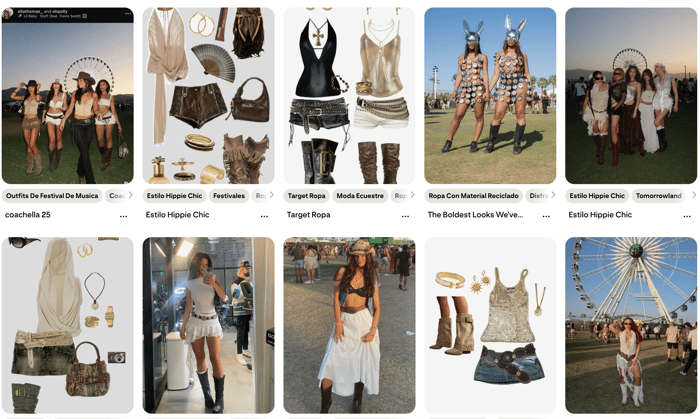
Through rigorous trendspotting methodologies, two dominant aesthetic clusters emerged, providing a roadmap for product development and merchandising:
.png?width=1920&height=1080&name=Tables%20(24).png)
The physical execution of these predictive trends materialized through highly specific apparel micro-trends on the festival grounds. The 2016 boho resurgence brought delicate lace, heavy leather fringing, and traditional cowboy boots aggressively back into the mainstream vernacular.
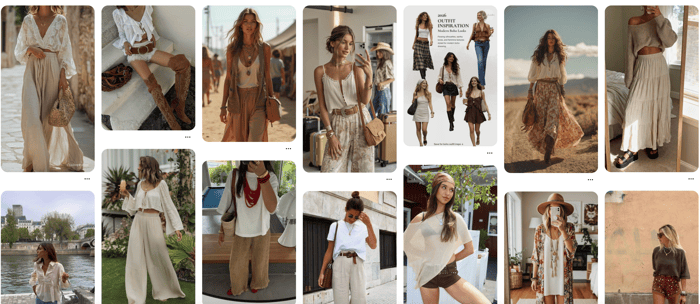
Conversely, the contemporary subversion of these historical trends introduced unexpected, highly stylised silhouettes. Trend forecasters documented a massive frequency of skullcaps, crochet caps, hot pants, and low-rise denim. A particularly dominant styling mechanism was the integration of thick, heavily structured belts layered subversively over breezy, lightweight dresses or paired with leg-baring miniskirts, creating a compelling visual tension between heavy utility and delicate leisure. Brands developing festival capsules for 2027 must heavily incorporate these contrasting textures to resonate with the current consumer palate.
If the festival grounds served as a laboratory for broad consumer trends, the performance stages functioned as high-stakes international runways. The 2026 edition witnessed the total and final dissolution of the boundary between festival wear and haute couture, with major luxury houses using headlining sets to craft multi-million dollar media moments.
The strategic deployment of garments on stage is no longer an afterthought; it is a meticulously calculated mechanism for generating Media Impact Value.
The stylistic dichotomy between the festival's premier acts highlighted radically varying approaches to luxury brand partnerships and audience engagement.
Sabrina Carpenter established the absolute zenith of high-fashion integration during her headlining performances. Dubbing the atmosphere Sabrinawood, Carpenter collaborated extensively with designer Jonathan Anderson to execute a masterclass in custom Dior.
Across the two weekends, she deployed multiple bespoke ensembles that generated immense digital traction, including a red sequin mini dress, a gold sequined gown with billowing wing-like sleeves that evoked a synthesis of Dolly Parton, Cher, and Tina Turner, a white beaded fringed top, and a black corseted lace bodysuit.
During the second weekend, she wore a sophisticated colour-swapping narrative strategy, her red dress transitioned to blue, her blue turtleneck to red, and her black bodysuit to white, using the reveal mechanism not merely as a costume change, but as a highly viral, algorithmic performance element designed to dominate TikTok feeds.
In stark, deliberate contrast, Justin Bieber, whose highly anticipated "Bieberchella" set drove immense audience fervor and massive digital engagement, opted for an aggressively laid-back, anti-fashion aesthetic. Bieber spent his Weekend One set in an oversized pink hoodie from his own brand, Skylrk, paired with baggy Lu’u Dan shorts and Loewe Bobby lug-soled boots.
His performance reveal was subversively casual, merely removing the sweatshirt halfway through to display a simple gray cropped tee. For Weekend Two, he maintained this defiant ethos with a Greg Ross sleeveless zip-up. This deliberate under-dressing serves as a powerful socio-economic signal to the consumer base, suggesting a level of status so infinitely secure that it actively rejects the necessity of high-fashion pageantry, driving massive organic demand for his proprietary Skylrk apparel line.
Karol G represented the ultimate fusion of high-fashion craftsmanship and deep cultural storytelling. Her wardrobe was an expansive array of custom luxury, including a highly textured, colourful Etro set featuring a tassel-adorned skirt and a dramatic feathered Luar headpiece. She further integrated intricate, heavy metalwork with a chain-heavy gold ensemble and a silver high fashion Flintstones set designed by Michael Schmidt Studios.
Most notably, she used her sartorial choices to pay direct homage to her heritage, wearing a white Adan Terriquez top and Doni Nahmias skirt with ruffled sleeves that accurately represented the colors of the Colombian flag, anchored by structured Courreges boots. For Weekend Two, she maintained this momentum with a similar Etro design rendered in striking orange. This approach proves that luxury fashion resonates most deeply when tied to authentic cultural narratives rather than sheer opulence.
The broader roster of performing artists served as a testament to the power of strategic brand alignments. The artist PinkPantheress debuted a brand-new pair of UGG ballet slippers on stage, seamlessly integrating her role as the new face of the brand into her performance, while UK rapper Central Cee took to the stage in a custom 'CAP' hoodie designed by GAP, instantly elevating a heritage mall brand to the apex of cultural relevance.
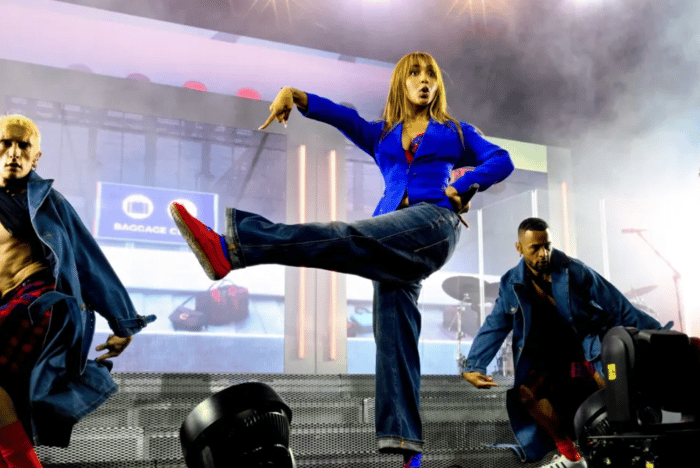
Alternative artist Sombr continued his ongoing, highly successful relationship with Alessandro Michele at Valentino, while FKA twigs tapped New York designer GUVANCH for a custom feathered dress that perfectly matched her avant-garde aesthetic.
Other high-profile artists used fashion to reinforce their distinct personal brands. Olivia Rodrigo leaned heavily into the Gen-Z affinity for upcycling and edge, pairing a custom studded bra from R & M Leathers with vintage Diesel jeans sourced from Bluey Denim, paired with white Louboutin heels.
Sza matched the laidback, effortless aesthetic in a denim jacket and flannel shirt from Balenciaga, while Billie Eilish maintained her signature streetwear dominance in a purple Nike x Supreme track jacket. Even global K-pop superstar Lisa made waves in an intricate, sculptural dress by Iris Van Herpen.
The actionable takeaway for apparel brands is that artist partnerships must be fundamentally organic; forcing a brand aesthetic onto an artist that conflicts with their established visual identity will fail to generate authentic consumer desire.
A secondary, highly sophisticated narrative within the celebrity style ecosystem was the aggressive deployment of archival fashion. Rather than commissioning entirely new pieces, several artists and high-level influencers leveraged historical garments to signal deep industry knowledge and align with modern sustainable luxury narratives
The actionable takeaway for apparel brands is that artist partnerships must be fundamentally organic; forcing a brand aesthetic onto an artist that conflicts with their established visual identity will fail to generate authentic consumer desire.
A secondary, highly sophisticated narrative within the celebrity style ecosystem was the aggressive deployment of archival fashion. Rather than commissioning entirely new pieces, several artists and high-level influencers leveraged historical garments to signal deep industry knowledge and align with modern sustainable luxury narratives.
Making a surprise guest appearance alongside Sabrina Carpenter in an all-purple ensemble, Madonna notably resurrected the exact Gucci jacket, corset, and boots she had worn during her legendary Coachella performance two decades prior. This functioned as a profound statement of longevity, legacy, and the cyclical nature of fashion.
Similarly, while attending the highly exclusive off-site Rhode World activation, Hailey Bieber bypassed modern collections entirely in favour of an archive 1998 John Galliano-era Dior slip dress.
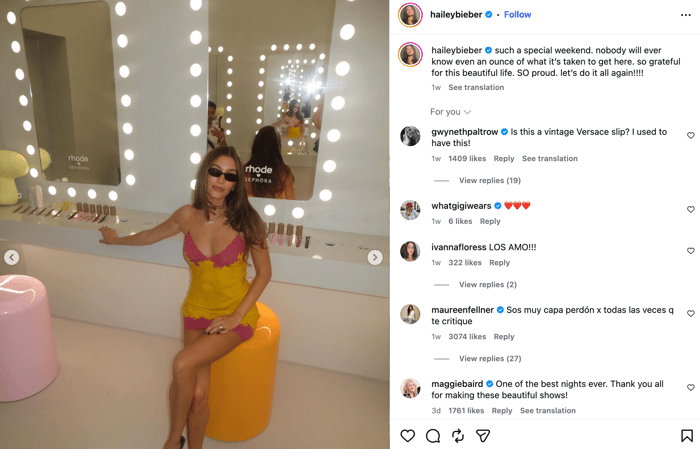
For fashion marketers, the rise of archival red-carpet and festival dressing indicates that digging into brand history and re-issuing heritage pieces can generate as much, if not more, cultural cachet than launching net-new collections.
The true commercial velocity of these high-level trends is dictated entirely by the influencer industry, which acts as the global distribution network for these aesthetics. The festival serves as an optimised backdrop, providing perfect natural lighting and curated environments to showcase street style.
Australian fitness model and mega-influencer Tammy Hembrow showcased the extreme ends of the festival style spectrum, generating immense engagement in a racy, structured leather two-piece set on day one, before executing a complete aesthetic pivot to a light, lacy two-piece set for day two.
Similarly, Gold Coast content creator Leah Halton, who commands massive digital authority following a viral TikTok lipsync, generated massive traction wearing an embellished top paired with a denim maxi skirt, heavily reinforcing the 2016 denim revival to her younger audience.
Let’s cut to the chase. The desert isn't just a sandbox; it's a high-stakes runway where the right outfit acts as a Trojan horse for brand authority. It’s not about wearing clothes; it's about wearing a narrative. Let's dissect the top five influencer looks that moved the needle from mere impressions to cold, hard pipeline.
The Rolling Content Engine Alix didn't just show up to the desert in an animal-print masterpiece. Nope! Smartly, she turned her entire Coachella experience into a relentless launchpad for her brand, Reale Actives, which dropped a mere two weeks prior.
Through weaving her personal style, including a nostalgic TikTok ranking of her past festival outfits, with her brand's DNA, she created a masterclass in organic product placement.
Tip: Treat it as a multi-day narrative arc where the outfit is the hook and the product is the punchline. Use the event as a rolling content engine rather than a static photo op.
Aesthetic Whiplash Contrast is the ultimate engagement trap. Australian fitness model Tammy Hembrow played both sides of the aesthetic coin beautifully.
On day one, she served fierce, structured energy in a racy leather two-piece set. By day two, she executed a flawless vibe shift, stepping out in a delicate, light, lacy two-piece.
Tip: Stop forcing creators into a monotonous brand uniform. Allow them to showcase aesthetic whiplash. It keeps the audience guessing and gives your garments multiple structural realities to shine in.
Nostalgia as Currency Sometimes, riding the wave of nostalgia is the smartest bet on the board. Gold Coast creator Leah Halton tapped straight into the 2016 boho resurgence, pairing an embellished top with a heavy denim maxi skirt.
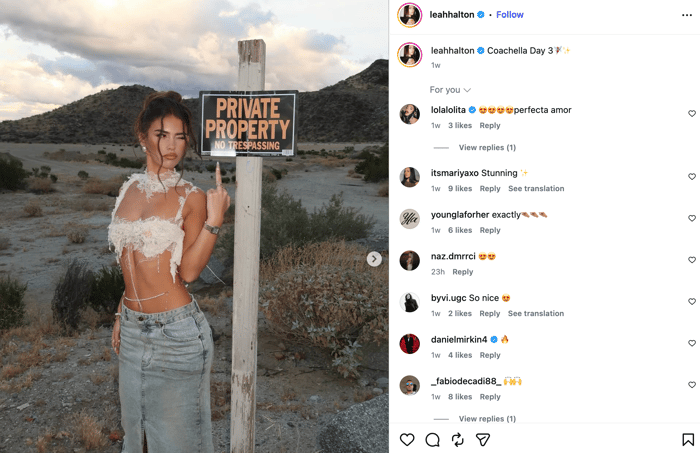
The internet dubbed her a goddess, proving that bringing back an archived aesthetic with a modern twist is a guaranteed scroll-stopper.
Tip: No need to invent new trends all the time, you can remix the archives. Brands that empower creators to upcycle heritage silhouettes win the relevance game because they tap into pre-existing emotional connections.
The Economics of the Perfect Frame We can't talk about high-impact looks without talking about the raw economics of a well-lit TikTok. Kayla Ryan became the undisputed MVP of Rhode World's massive $10 million MIV takeover.
While she nailed the effortless beauty aesthetic the brand represents, her true power was algorithmic: a single post from Kayla drove an eye-watering $429,000 in Media Impact Value.
Tip: A look is only as good as its lighting and timing. Sync your creator's most striking visual moments with your biggest product drops to compress the hype cycle into a highly profitable diamond.
Chaotic Good Customisation Ken brought her signature Gen-Z, unapologetic energy to Kourtney Kardashian's exclusive Camp Poosh, customising her own LOFT denim jacket at the on-site workshop.
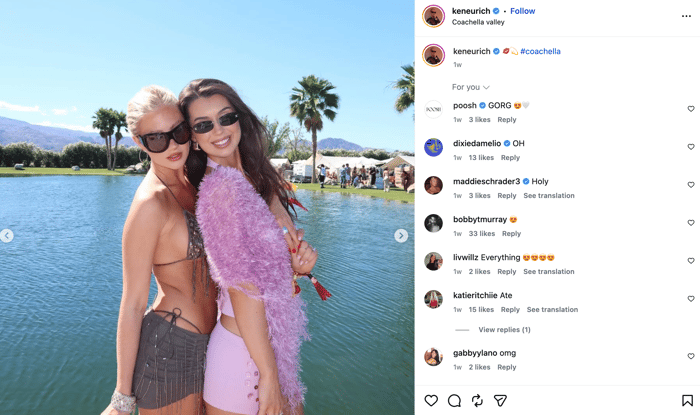
With her camp motto essentially being "Shut up and have fun!!" and jokingly claiming she was most likely to get a tummy ache, she made high-end denim look radically accessible and deeply human.
Tip: Perfection is boring. Let creators inject their chaotic, human flaws into your custom pieces. When creators bring their messy, relatable reality to your pristine garments, the friction makes the fabric memorable.
The operational reality of Coachella 2026 is that the festival grounds are essentially an amusement park for creators and a high-yield data mine for global consumer brands. A profound strategic bifurcation occurred this year: brands either invested heavily in deeply immersive, technologically integrated on-site booths designed for pure social scalability, or they bypassed official sponsorship entirely to construct massive, highly controlled environments off-site.
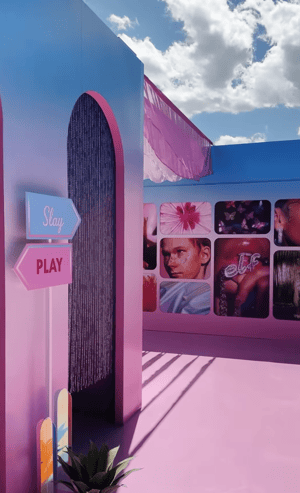
Among the official on-site sponsors, e.l.f. Cosmetics executed what industry analysts definitively consider the most visually arresting, tactically sound, and ROI-positive activation of the festival. Titled "e.l.f.scape to Balm Desert," the massive, pastel-colored, immersive playground was explicitly engineered not for the physical attendee standing in the desert, but for the millions observing via TikTok algorithms.
The strategic objective of the activation was the aggressive promotion of the brand's Glow Reviver Melting Lip Balm. This was not a blind push, it was backed by compelling internal consumer data indicating that 92% of daily makeup users incorporate lip products into their routines.
To capitalise on this universal usage rate, e.l.f. constructed an environment that prioritized absolute digital optimization.
The e.l.f.scape succeeded due to three core operational mechanisms:
1. Algorithmic and Architectural Design: Every square inch of the activation, from the custom donut-shaped lounge chairs to the highly stylised branded mirrors, was designed as an irresistible, built-in video moment tailored specifically for short-form content creation.
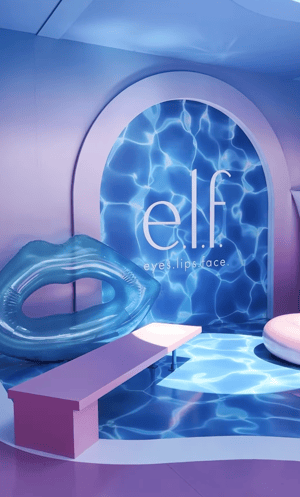
2. Frictionless Content Generation: Giving bright, highly interactive environments and dedicated, perfectly lit product discovery zones, the activation removed all friction from the content creation process. Creators did not have to labour to find the right lighting, angle, or background; the architecture provided it automatically. The space was essentially a massive, open-air content studio.
3. Genuine Utility and Relief: Understanding the grueling, exhausting nature of the desert climate, the booth offered custom slushies to combat high temperatures and deployed professional makeup artists to touch up degrading, sweat-ruined festival looks. This provided genuine physical utility that generated immense organic goodwill and reciprocity among influencers, prompting authentic, unprompted posting.
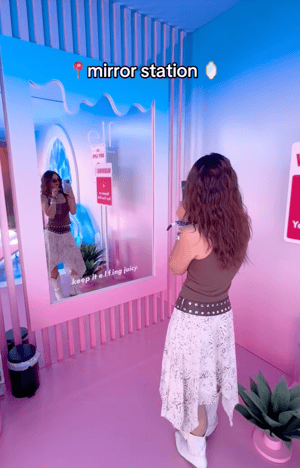
The campaign successfully drew a "six-figure audience" both physically and digitally, unequivocally proving the modern marketing thesis that experiential activations must be built for the camera lens first, and the human eye second.
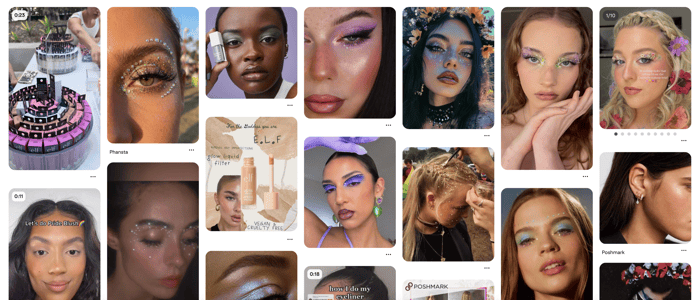
The integration of cross-platform synergies was also masterfully executed, as Pinterest integrated its own digital inspiration boards directly into the e.l.f. environment, creating a seamless loop between digital intent and physical reality.
While e.l.f. optimised for maximum screen time, other brands achieved massive share-of-voice through deliberate, aggressive subversion. Pinterest recognised the overwhelming digital fatigue inherent to the influencer olympics and deployed a highly disruptive phone-free installation. By inviting festival-goers to surrender their devices upon entry, Pinterest forced attendees to be aggressively present in the moment.
The activation translated the platform's digital trend insights into analog, real-world interactions, offering highly tactile experiences such as physical charm-making and hands-on beauty stations. This anti-tech strategy paradoxically generated immense word-of-mouth equity and post-event digital coverage, successfully positioning Pinterest as an oasis of mindfulness and authentic connection amidst the digital chaos of the festival grounds.
Heineken used sophisticated but invisible technology to drive physical connection, proving that heritage brands can innovate within the experiential space. Celebrating its 23rd year as an official sponsor, the Heineken House debuted The Clinker.
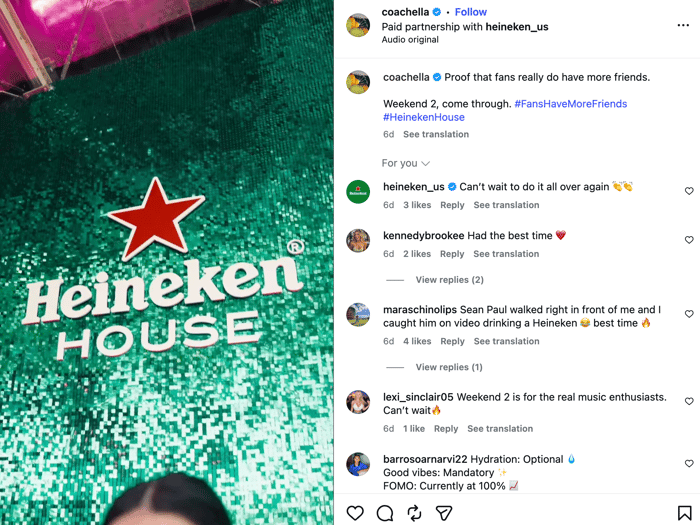
This advanced smartband synced directly with a user's Spotify or YouTube Music data to identify musical compatibility with other festival attendees in real-time. When a match was detected nearby, the bands illuminated, prompting real-world conversation and connection via a supplementary web app. This represented a pinnacle in data-driven experiential marketing, using hidden algorithms to orchestrate spontaneous human interaction and positioning the brand as the ultimate social facilitator.
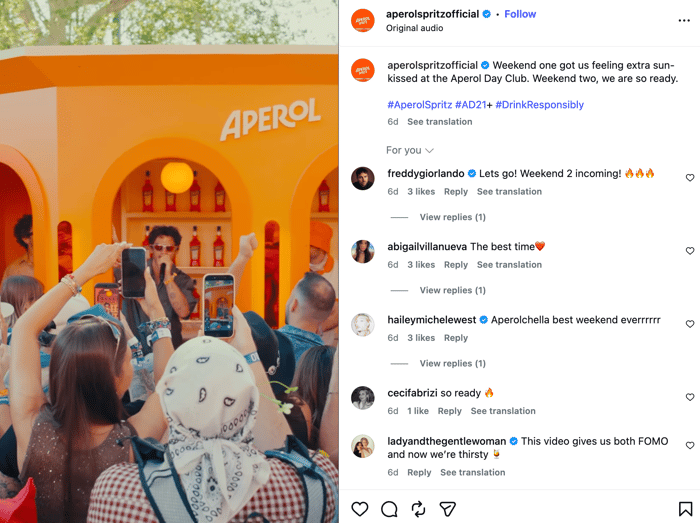
Other massive global players expanded their footprints using diverse tactics. Aperol transformed its traditional sampling format into the massive Aperol Day Club, a full-scale destination featuring live DJ sets, interactive styling zones, and a visually immersive environment that positioned the brand as the premier social hub.
Dove executed a highly aggressive, city-wide activation strategy across Indio, bypassing the festival grounds entirely to dominate the consumer journey via airport installations, massive product sampling hubs, and influencer-driven content houses.
Meanwhile, Coca-Cola anchored its massive presence through the Sonic Desert experience, an off-site event combining music, fashion, and elite hospitality that drew massive audiences and reinforced brand visibility outside the immediate festival gates.
Further integrating into the fabric of the festival, BELLA+CANVAS embedded itself deeply into the event's economic engine by serving as the official blanks provider for the entire 2026 merchandise program. Thanks to ensuring every piece of official merchandise featured a custom "printed on BELLA+CANVAS" neck label, they transformed disposable festival souvenirs into long-term brand carriers. They amplified this with a museum-style walk-through experience showcasing archival merch and offering live customization stations.
MGA's Miniverse partnered with Swell to capitalise on the collectible market, creating an immersive, miniaturized replica of the festival grounds featuring scaled-down Ferris wheels, mini mocktails, and collectible vinyl keychains, culminating in the debut of the Miniverse Real Music line featuring functional micro-record players.
The most disruptive strategic trend of 2026 was the absolute dominance of the off-site, unsponsored mini-festival. The primary advantage of this model is total environmental and narrative control; brands are not competing for attention adjacent to noisy music stages or rival marketing booths.
Rhode, the skincare and beauty brand founded by Hailey Bieber, executed a definitive masterclass in this methodology with Rhode World. Thanks to completely bypassing official, highly expensive festival sponsorship, Rhode constructed an elaborate, invite-only oasis a half-mile off-site. Despite the inherent friction of forcing high-profile influencers to walk through dust and heavy traffic to reach the location, the activation became the most talked-about event of the weekend.
The success of the Rhode World relied on three pillars:
1. Impeccable Infrastructure: The mini-festival featured bespoke carnival games, a highly curated branded DJ booth, custom cocktails, and a fully equipped glam room sponsored entirely by Sephora. It provided a complete, self-contained festival experience without the crowds.
2. Temporal Synergy: The true genius of Rhode World was its exact timing. The activation launched on the precise day of Justin Bieber's highly anticipated headlining set. Furthermore, Rhode dropped its exclusive Rhode x The Biebers collaborative product line, featuring highly viral pimple patches, lip treatments, and eye masks, just two days later.
3. The Compression Effect: By compressing a live experiential activation, a massive cultural moment (the headlining performance), and a highly anticipated product launch into a single, tightly controlled five-day window, Rhode created a self-sustaining hype cycle. Each element aggressively fed the momentum of the next, leaving no room for the cultural conversation to shift to competitors.
The results were unprecedented. Rhode World generated a staggering 740 million impressions from April 7 to 13, entirely dwarfing established, legacy off-site events like Kendall Jenner's 818 Outpost (which earned 183 million impressions despite running for five years and featuring performances by Kaytranada and Lizzo) and the Revolve Festival (62.8 million impressions). The actionable directive here is clear: control the environment, compress the timeline, and leverage adjacent cultural moments to monopolize share-of-voice.
To fully comprehend the operational complexity, logistical magnitude, and psychological nuance of a modern off-site activation, marketers must exhaustively analyse the infrastructure of Camp Poosh.
Hosted by Kourtney Kardashian Barker for its fourth consecutive year, Camp Poosh transcended the concept of a simple party, transforming a massive AvantStay estate into a four-day, invite-only luxury wellness retreat for the industry's most elite influencers, media personnel, and celebrities.
Camp Poosh functioned as a meticulously sequenced marketing funnel, moving attendees through various branded touchpoints designed to cater to the specific physiological, psychological, and aesthetic needs of surviving a grueling festival weekend.
The brilliance of Camp Poosh lies in its ability to integrate sponsors as functional necessities rather than mere advertisements.
.png?width=2000&height=1500&name=ok%20(2000%20x%201500%20px).png)
Camp Poosh succeeded because it curated a highly specific micro-community of creators, treating them as distinct characters within a broader narrative. The campers were assigned specific personas and "AIM away messages" that played heavily into internet culture and nostalgia, driving immense parasocial engagement from their audiences.
For example, Boman Martinez-Reid (@bomanizer) leaned into his anxious comedic persona with the motto "Mom… can you come pick me up?", while Ken Eurich (@keneurich) played the chaotic Gen-Z archetype, claiming to be too young to know what AIM was and being voted most likely to "get a tummy ache".
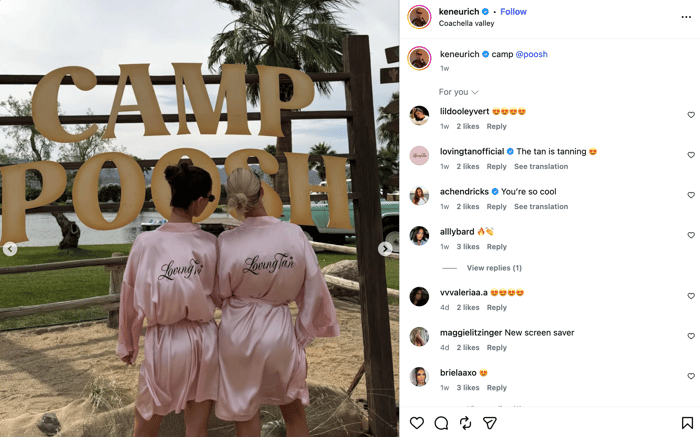
Other notable campers included Alexa Jay, who used the away message "Partying, don't text xx," and Seerat Saini, whose AIM message highlighted the exclusive catering: "BRB Chef K just made Impossible sliders".
Influencers like Shanina Shaik, Nicole Williams, Miranda Morris, and Scarlett Leithold rounded out the highly curated roster. Through highlighting the distinct personalities and interpersonal dynamics of the campers, Poosh transformed standard influencer marketing into a highly engaging, reality-television-style narrative format.
The camp vibe was heavily supported by an unprecedented level of extensive, highly functional gifting.
Welcome boxes and the Camp Store included products that solved exact festival pain points. The Poosh festival packing list serves as a masterclass in product placement:
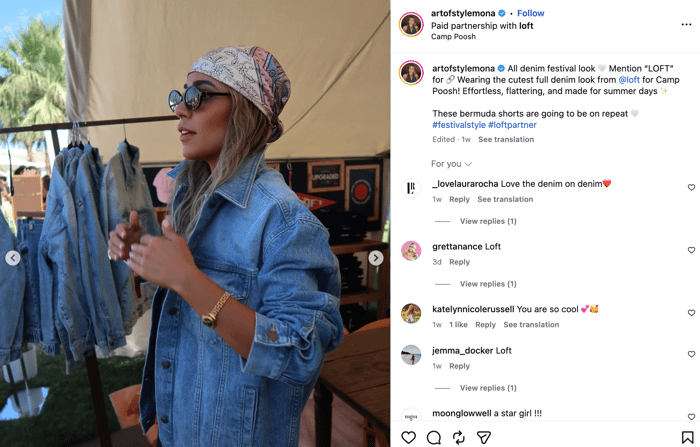
Skin & Body Preservation: CocoGoods organic premium coconut oil functioned as a multi-tasking moisturizer and makeup remover; Baublerella Blisters Bee Gone balm prevented severe foot damage from heavy boots; and Iota SuperMatcha Body Lotion replenished moisture lost to the arid air. Dr. Nigma Treatment Masks provided a critical post-festival skin reset.
Internal Wellness & Rest: Lemme Debloat Gummies directly addressed the realities of consuming greasy festival food, while Wizard Wellness On-The-Go Essentials maintained vitamin routines. Crucially, the Sleep Crown Classic Pillow blocked out light and muffled sound to optimize sleep in chaotic environments.
Every brand present at Camp Poosh paid a premium for logo placement and to be functionally integrated into the daily survival and enjoyment of the industry's top creators, proving that utility drives far more engagement than aesthetics alone.
The transition of Coachella from a cultural music event to a high-stakes B2B marketing battlefield necessitates sophisticated analytical frameworks to justify the immense capital expenditure required to participate. The primary metric utilized by industry analysts to gauge success in this arena is Media Impact Value (MIV), which accurately quantifies the monetary value of all posts, interactions, and articles surrounding a brand.
.png?width=700&height=445&name=Resources%20(29).png)
During Weekend One alone, brand activations generated an astronomical $870 million in MIV. Analysing the specific distribution of this immense value reveals critical lessons for marketers.
Dior’s success, generating a massive $3.6 million in MIV from Sabrina Carpenter alone, was rooted in aggressive, highly strategic multi-touchpoint visibility.
.png?width=700&height=445&name=Resources%20(31).png)
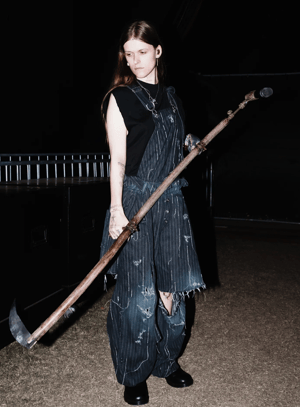
Dior mapped its presence across diverse cultural contexts throughout the weekend. Carpenter's headlining main-stage performance provided global pop visibility; Ethel Cain’s custom distressed Dior overalls at the underground Mojave tent provided deep indie, alternative credibility ($233K MIV); and Hailey Bieber’s archival slip dress at the off-site Rhode activation captured the elite high-fashion influencer demographic ($376K MIV).
This strategy demonstrates that cultural fit and diverse audience penetration matter significantly more than singular, monolithic celebrity placements.
Conversely, Rhode’s strategy was highly concentrated but equally devastating. The beauty brand generated a massive $10 million in MIV, firmly establishing itself as the dominant beauty entity of the entire festival.
.png?width=700&height=445&name=Resources%20(32).png)
Crucially, influencers drove $3.3 million of this total. The algorithmic power of the creator economy was highlighted by the fact that a single, highly optimised TikTok post from creator Kayla Ryan yielded $429,000 in MIV.
Furthermore, the strongest artist partnerships were those where the brand and talent were genuinely inseparable, as evidenced by Justin Bieber's Skylrk generating $2.3 million in MIV from a pop-up and sell-out capsule collection timed perfectly to his headlining set.
.png?width=700&height=445&name=Resources%20(30).png)
The data from 2025 to 2026 confirms a stark reality: brands that architect their festival strategies around social-first content from the inception stage generate vastly superior measurable impact compared to those treating social media as a secondary amplification tool.
However, the intense commercialisation of the festival has not occurred without severe friction. A growing, highly vocal subset of the consumer base, alongside prominent cultural critics, argue that the festival has been fundamentally compromised, mutating from an authentic celebration of live music into a sterilised, corporate content farm.
The proliferation of luxury brand houses, instances of fake festival content (where creators dress up for the festival but remain in their heavily sponsored Airbnbs to shoot content without ever attending the musical acts), and the overarching focus on aesthetic curation over musical engagement have generated significant audience backlash.
Observers argue that the heavy influencer-driven format has alienated the core, music-loving demographic that built the festival's initial prestige. When the masses online critique that the influencers did too much while the actual performers "didn't do enough," it highlights a dangerous, highly toxic inversion where the marketing apparatus completely overshadows the product it is meant to promote.
This hyper-critical environment creates a highly volatile landscape for brands. In an ecosystem where every partnership is viewed as a moral and ethical statement, a misaligned influencer campaign can result in catastrophic economic and reputational damage. The modern consumer is hyper-literate in marketing mechanics; they can instantly detect inauthenticity or a lack of internal corporate vetting.
The historical precedent of tone-deaf marketing, such as campaigns that attempt to commercialize social activism (e.g., Pepsi's infamous Kendall Jenner stunt) or deploy creators who violate a brand's established social contract (e.g., Morphe Cosmetics' numerous influencer controversies), serves as a stark, expensive warning.
A single misstep on the festival grounds, broadcast instantly to millions of screens, can erode consumer trust, translate to hundreds of millions in lost market capital, and require years of costly damage control.
Therefore, brands operating in the high-stakes Coachella environment must exercise extreme, rigorous diligence, ensuring their activations are culturally additive rather than extractive. Activations like e.l.f.'s provision of cooling slushies or Pinterest's mental-health-adjacent phone-free zone succeed and avoid backlash precisely because they offer genuine, tangible utility to the attendee, shielding the brand from accusations of hollow commercialism.
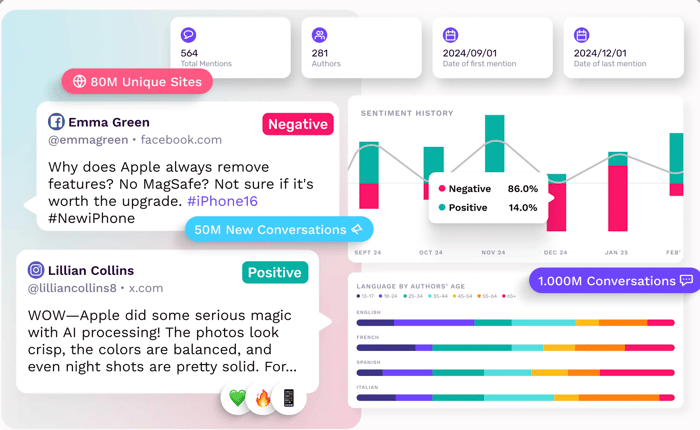
To combat this content farm fatigue, forward-thinking brands are radically adjusting their influencer utilization strategies. The intelligence gathered with Influencity’s social listening tool reveals that the most effective social selling strategies rely on intimacy and consumer reward rather than broad broadcasting.
The Friend-Group Format
Activations are moving rapidly away from massive, disjointed mega-parties toward highly curated "friend-group" deployments. When consumers view content of a tight-knit group of genuine friends experiencing an event together (much like the dynamic fostered at Camp Poosh),
It fosters a deep sense of parasocial inclusion, making followers feel as though they are accessing an exclusive, yet intimate inner circle. This drives far higher engagement than content featuring unconnected mega-influencers posing awkwardly at a step-and-repeat.
Rewarding the Core Consumer Base A massive, high-ROI sub-trend involves reallocating budget previously earmarked for demanding macro-influencers toward top-tier, fiercely loyal customers. Campaigns that fly everyday customers to the festival, such as the highly successful strategy executed by Airbnb, generate immense organic social hype and skyrocket brand sentiment.
Elevating a loyal customer to the status of a VIP generates authentic, emotionally resonant content that simply cannot be replicated by paid talent, creating lifelong brand loyalty and viral goodwill.
Furthermore, analysing the digital dialogue reveals distinct platform roles that marketers must respect. Instagram remains the primary hub for polished, high-fidelity visual content and official brand recaps. X (formerly Twitter) functions as the chaotic real-time reaction engine, particularly active during nostalgic or controversial performance moments, such as the Bieber nostalgia wave.
TikTok is the undisputed engine of algorithmic virality, while Pinterest captures long-term consumer intent and aesthetic planning rather than real-time, fleeting attention.
The exhaustive empirical evidence harvested from the Coachella 2026 activation cycle provides a definitive, unassailable guide for subsequent experiential marketing endeavours. To achieve maximum Media Impact Value, navigate the extreme complexities of the creator economy, and avoid the devastating pitfalls of consumer backlash, brands must immediately internalize and execute the following strategic directives for the 2027 fiscal year:
The era of the consumer-facing booth is over. Physical activations must function primarily as high-fidelity broadcast studios. If an architectural element, lighting fixture, or product interaction does not seamlessly and beautifully translate into compelling, algorithmically favored short-form video (as flawlessly demonstrated by the e.l.f.scape), its physical utility is entirely irrelevant. Brands must design for the camera lens, not the human eye.
Maximum return on investment is achieved not through prolonged, low-level engagement over weeks, but through acute, simultaneous market saturation. Brands must aggressively synchronize off-site experiential activations, high-profile talent utilization, and immediate digital product drops within a heavily condensed timeframe (the Rhode World 5-day model) to engineer inescapable cultural momentum and monopolize the digital conversation.
The exorbitant costs, strict rules, and spatial limitations of official on-site sponsorships can be highly effectively outmaneuvered by establishing highly controlled, off-site environments. Through cultivating an exclusive oasis that solves specific creator pain points (hydration, professional glam touches, VIP transportation), brands can monopolize influencer attention, control the exact narrative, and avoid competing with the noise of stage programming.
The most resilient, well-received campaigns protect themselves entirely against "content farm" backlash by providing undeniable physical or psychological value to the attendee. Whether it is Kourtney Kardashian’s provision of medical-grade IV recovery drips, e.l.f.'s makeup touch-ups, or Heineken’s utilization of technology to facilitate genuine human connection, brands must transition immediately from demanding consumer attention to providing critical service.
High-impact visibility requires infiltrating multiple, distinct subcultures simultaneously. Attempting to blanket the festival with a single, uniform corporate message is inefficient and transparent. Brands must deploy customized assets—ranging from haute couture main-stage pieces for global pop stars to underground, niche apparel for indie artists—to capture the full, diverse spectrum of the modern consumer base authentically.
The aggressive evolution of Coachella illustrates that the experiential marketing landscape is no longer a peripheral, experimental advertising channel; it is the absolute central nervous system of contemporary cultural commerce. Brands that recognize this harsh reality and architect their strategies entirely around digital scalability, creator empowerment, deep integration, and genuine utility will command the market and dictate the trends. Those clinging to traditional sponsorship models, passive logo placement, and outmoded consumer metrics will find themselves rapidly rendered invisible in the desert dust.






%20and%20How%20Can%20They%20Benefit%20Your%20Brand%20article.jpg?length=628&name=What%20Are%20Key%20Opinion%20Leaders%20(KOL)%20and%20How%20Can%20They%20Benefit%20Your%20Brand%20article.jpg)


.png?length=628&name=Pop-up%20image%201200%C3%97800@1x%20(1).png)