

Tech influencer marketing works because buyers trust creators to do the hands-on testing, setup, and side-by-side comparisons for them. People follow tech creators to see what works in real life, what fails in real conditions, and what tradeoffs matter before they spend money. When the creator is credible, the audience treats it like buying advice.
That’s why negotiating with tech influencers is different from most creator deals. You’re not only buying attention. You’re paying for tech expertise, time-in-hand testing, clear explanations, and content that can keep influencing buyers long after launch week.
If you’re negotiating a deal soon, this guide helps you price the work correctly. We’ll cover what drives cost, which terms protect both sides, deal structures brands can copy, and what to measure so pricing conversations stay grounded. Use these tech influencer tactics and measurement ideas as you plan deliverables.
Definition: What is a tech influencer?
A tech influencer is a creator who helps people choose and use technology (devices, apps, and software) through real testing, setup guidance, and clear technical judgment. Their value comes from hands-on use and honest explanations, not just reach.
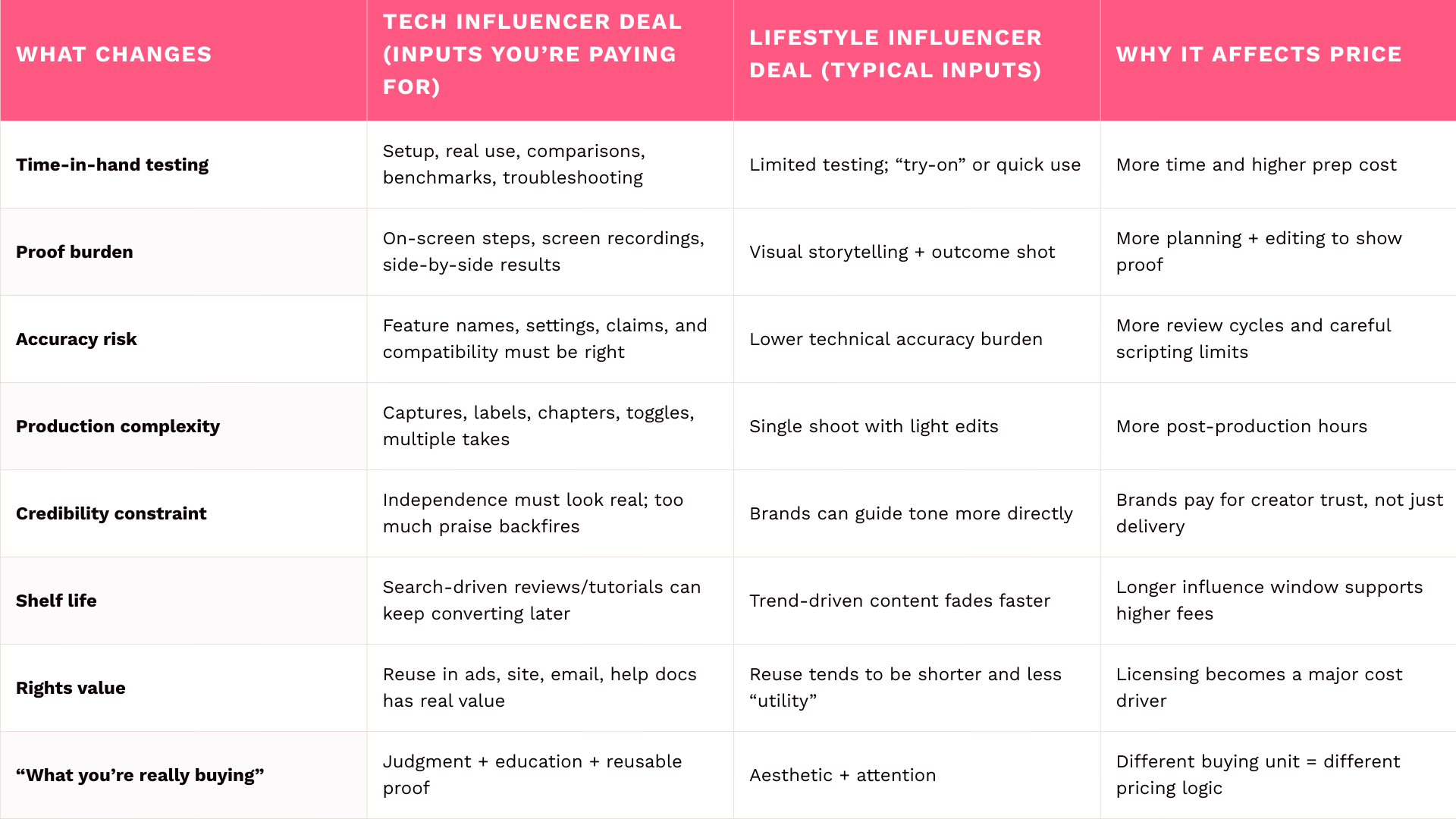
Tech influencer pricing is higher because the “creative” is expertise and credibility, not just content production.
Tech creators usually spend real time testing before they ever film. They set products up, use them, run comparisons, and troubleshoot so the content reflects real conditions, not first impressions.
Production is heavier, too. Tech content often needs screen recordings, labels, side-by-side tests, and clear “here’s how it works” steps. That raises editing time and the accuracy bar.
There’s also a built-in credibility constraint. Audiences expect independence. If a review feels scripted or too flattering, it can hurt trust and reduce value for both sides.
Finally, tech content often lasts longer. Reviews and tutorials can keep showing up in search and recommendations for months. When you add licensing or allowlisting, you’re paying for reusable proof, not a single post.

Use this table to see what actually drives tech pricing, focusing on inputs rather than views.
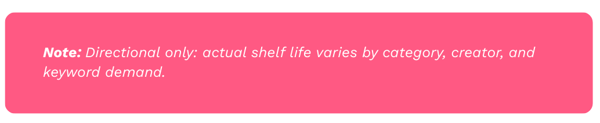
Shelf life is how long content continues to influence buyers after it posts. Tech pricing often rises when a review stays discoverable for months.
Short-form lifestyle post
.png?width=200&height=42&name=Graphs%20(1).png)
Days → Weeks
Short-form tech demo
%20copia.png?width=200&height=40&name=Graphs%20(1)%20copia.png)
Weeks → Months
Long-form tech review / tutorial
%20copia%202.png?width=200&height=40&name=Graphs%20(1)%20copia%202.png)
Months → Long-term

A useful way to price tech influencer work is to break the deal into four parts. This keeps negotiations clear and avoids bundling everything into a single, vague fee.
1) Borrowed credibility
You’re paying for a trusted evaluator. Audiences expect the creator to highlight strengths, weaknesses, and trade-offs.
2) Education
Tech creators teach. They turn features into steps, workflows, and real use cases people can actually follow.
3) Distribution plus search
You’re paying for platform reach and long-term discovery through saved content, recommendations, and search.
4) Reuse rights
If you plan to reuse the content on product pages, in emails, ads, or help docs, that value should be priced explicitly.
Callout: If you only pay for the post, you miss where most of the value lives.

Once you’re clear on what you’re buying, pricing becomes easier to explain and easier to negotiate. In tech, cost is driven by format, scope, and rights more than averages.
Format drives pricing
A brief mention usually costs less than an integrated walkthrough. Short demos tend to cost less than dedicated reviews or tutorials. Launch coverage often carries a premium because timelines are tighter and expectations are higher.
Long-form, search-driven content typically costs more because it takes longer to produce and can influence buying decisions for months.
Add-ons that change the deal
Because these inputs vary so widely, rates can range from modest fees for niche creators to six figures for top long-form reviewers.

Use this when you’re negotiating this week. It keeps pricing, terms, and measurement clear.
1) How much hands-on testing is included before filming?
Ask what they’ll actually do: setup, benchmarks, comparisons, and real-use sessions.
2) What format are you delivering, and what proof will be shown on-screen?
Clarify content format: a mention vs an integration vs a dedicated review, plus screen recordings, side-by-side tests, or walkthrough steps.
3) Should I assume organic only, or reuse and paid too?
This avoids surprise negotiations later about licensing and allowlisting.
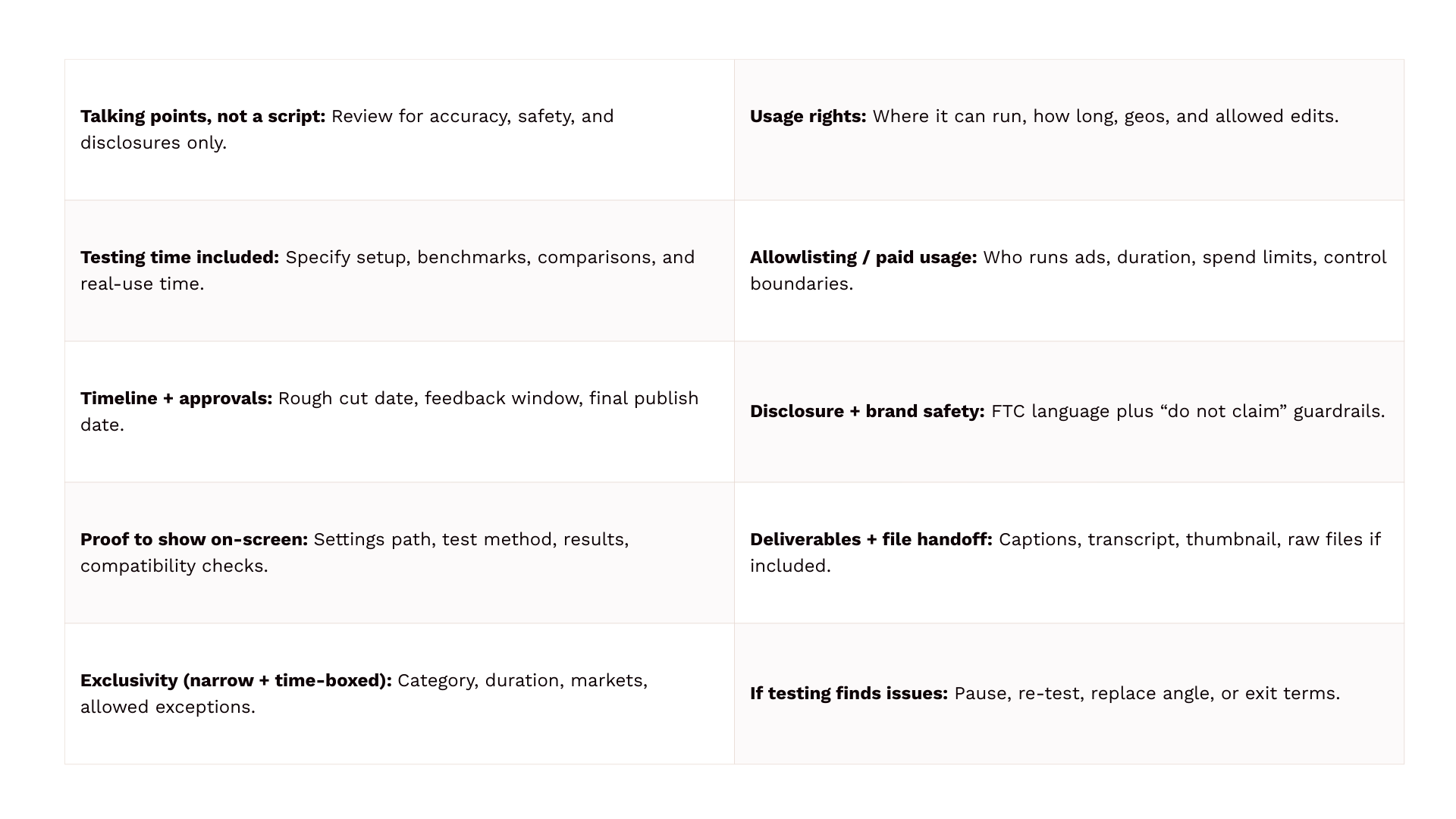
1) Talking points vs script
Use talking points, not word-for-word lines. Keep brand review to factual accuracy and safety.
2) Rights and reuse
Where it can run (site, email, ads, help docs), for how long, and what edits are allowed (cutdowns, captions, thumbnails).
3) Exclusivity and timing
Keep it time-boxed and category-specific. Define what’s excluded and what’s still allowed.
1) Proof-moment completion
Did viewers reach the key proof point (the test result, comparison, or setup success)?
2) High-intent signals
Saves, shares, and comment quality (setup questions, compatibility, comparisons, pricing).
3) Tracked actions (only if you can attribute cleanly)
UTMs or creator codes tied to a clear window (often 7–14 days for B2C and longer for B2B).
Tip: If you track only one thing, track proof-moment completion. It shows whether viewers stayed long enough to see the product perform or the test completion, not just scroll past it.

In tech, “top” is less about follower count and more about buyer signals.
Look for steady view velocity and strong retention, especially on YouTube. Then read the comments. Product-specific questions, comparisons, and “would you choose this over X?” are stronger signals than generic praise.
Audience fit matters too. A great creator in an adjacent category can still be wrong for your product. Finally, prioritize transparency. The strongest tech creators disclose partnerships clearly and still explain tradeoffs honestly.
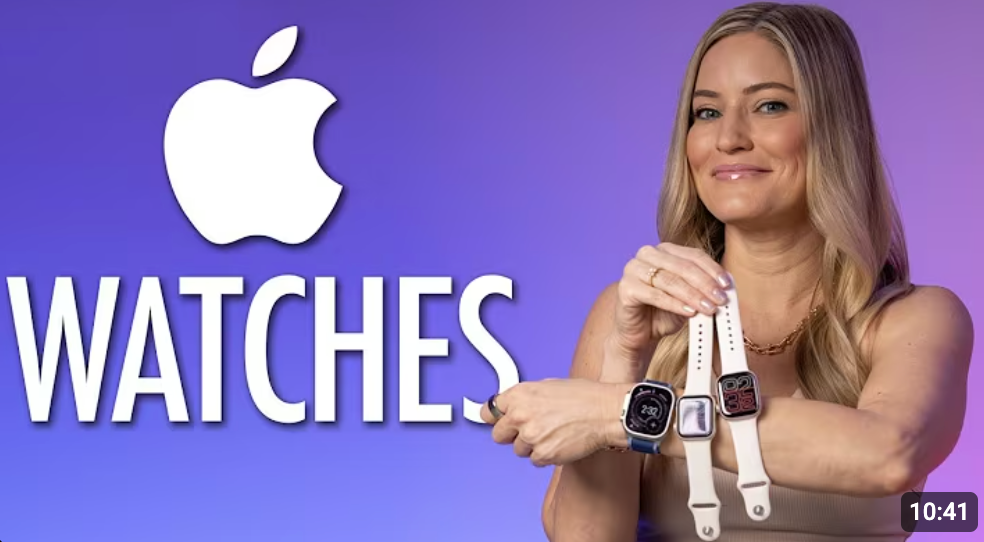
Optional examples: iJustine, Sara Dietschy, and Mrwhosetheboss are often cited for combining testing, explanation, and audience trust. For more examples, Influencity maintains a short list of tech creators used in e-commerce campaigns. Use it as a scouting list, then apply the criteria above before you price or pitch.

The best tech influencer deals protect credibility first, then optimize performance.
Start by aligning on how the content is guided. Tech audiences can tell when a review is overly controlled, so use guardrails and talking points, not scripts. Then get specific about testing access, timelines, and what happens if real-world setup reveals issues.
Exclusivity should be narrow and time-boxed. Rights should be explicit: where the content can run, for how long, and what edits are allowed. If you want allowlisting, define who runs the ads and how long the creator’s name and likeness can be used.
Use this checklist to protect credibility first, then performance.

Before you sign a tech influencer agreement, lock the terms that protect credibility and pricing. This checklist covers the non-negotiables brands should clarify when negotiating with tech influencers, including testing scope, creative control, usage rights, exclusivity, and performance measurement.
You don’t need an exotic contract to get a fair deal. Most tech influencer negotiations fit into a few repeatable structures. Pick the one that matches your goal (education, demand, or reusable assets), then price the add-ons separately.
Tip: Separate “content fee” from “rights fee” and “paid usage fee.” It keeps negotiation clean.
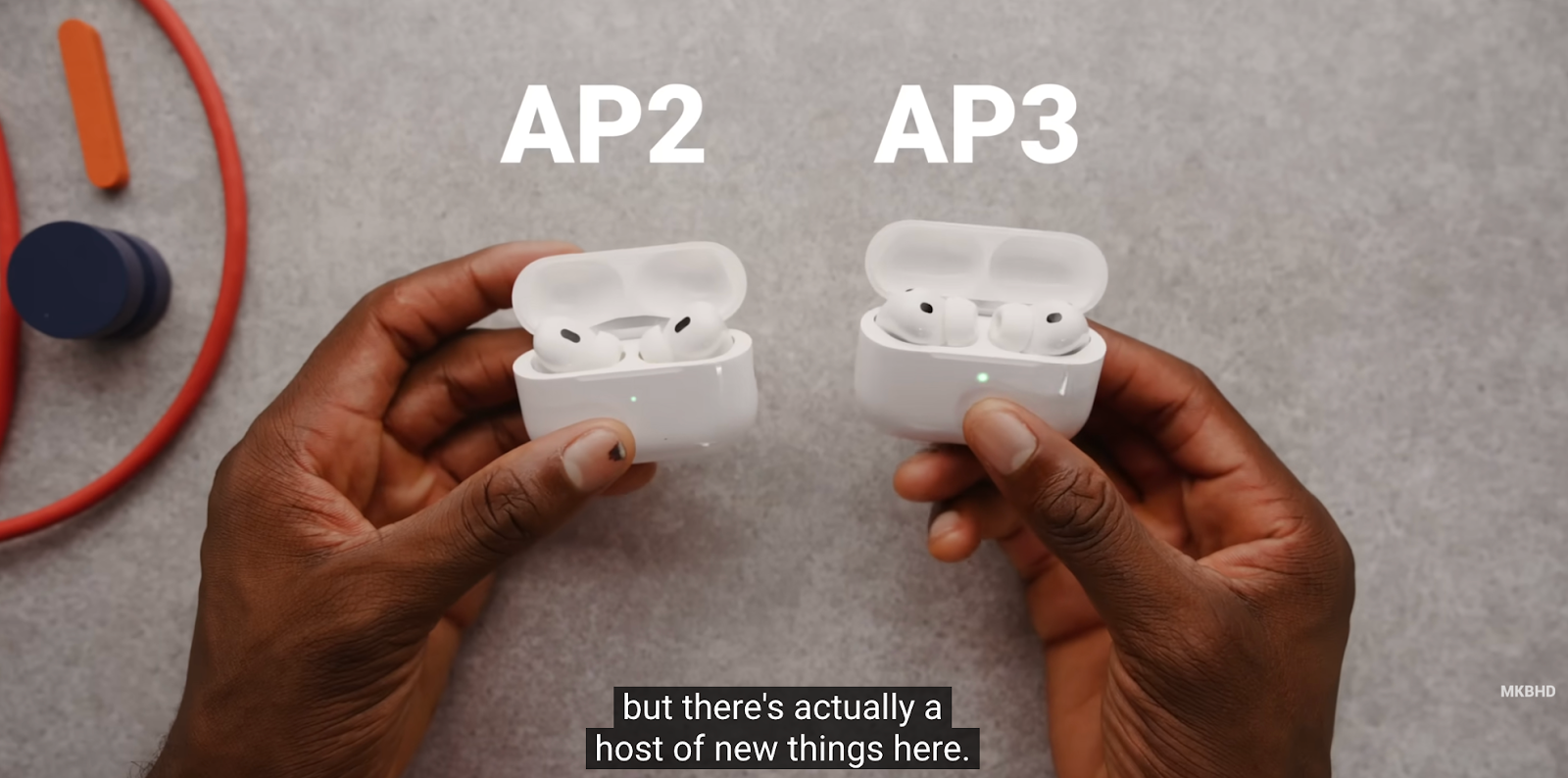
This structure mirrors how brands like Apple integrate creators into product launches, using long-form education supported by short-form distribution.
Tech influencer pricing depends most on format, testing time, and usage rights. Micro creators may start in the hundreds, while large reviewers can reach five or six figures. If you want licensing or paid usage, expect costs to rise.
Tech creators are paid for evaluation and proof, not just presentation. Their content must show steps, tests, and tradeoffs clearly. That takes more time, carries credibility risk, and often stays discoverable longer.
Usually no. Use talking points, not a script, to protect credibility. Keep brand review limited to factual accuracy, disclosures, and safety guardrails.
Include testing scope, timeline, creative control (talking points vs script), exclusivity, usage rights, paid usage terms, and disclosure requirements. Spell out where content can run, for how long, and what edits are allowed.

Start with completion at the proof moment, then track saves, shares, and comment quality. Add UTMs or codes only if attribution is reliable and the action window is defined.
Use bonuses when actions are trackable and the creator can influence them directly. Use flat fees when the main value is education, credibility, or long-term discovery.
Keep exclusivity narrow and time-boxed. Define the category, market, and duration, and list what is still allowed (adjacent tools, accessories, non-competing brands).
Choose the platform based on what the buyer needs in that moment, not what’s trending.
Quick check: If your product needs explanation, prioritize the platform where “how it works” content performs.
Tech influencer negotiations go better when you can point to clean inputs: creator fit, content format, rights, and outcomes. That same approach matters even more in B2B influencer programs, where expertise and long sales cycles make “why this creator” and “why this price” harder to defend.
Influencity helps teams:
For brands evaluating the best influencer software for businesses in tech, prioritize tools that make fit, pricing drivers, and results easy to explain, not just easy to message.

Tech influencer deals aren’t about impressions alone. You’re buying trusted evaluation, long-tail discovery, and reusable proof. The strongest negotiations protect credibility, price rights clearly, and use a few performance signals to keep the conversation grounded.










%20and%20How%20Can%20They%20Benefit%20Your%20Brand%20article.jpg?length=628&name=What%20Are%20Key%20Opinion%20Leaders%20(KOL)%20and%20How%20Can%20They%20Benefit%20Your%20Brand%20article.jpg)








.png?length=628&name=Pop-up%20image%201200%C3%97800@1x%20(1).png)