

In campaign strategy work, I’ve seen fitness influencers play a different role than most creators.
Their content isn’t passive entertainment. It’s instructional, repeatable, and it often becomes part of someone’s weekly routine. That changes how collaborations should be structured.
In fitness campaigns, conversion rarely comes from a single post. It builds through repetition, consistent messaging, and trust that compounds. Brands that treat these partnerships like short-term media buys get short-term spikes. Brands that build structured, performance-aligned agreements see steadier conversion and longer ROI windows.
If you’re working with a fitness influencer, or deciding whether you should, the deal structure matters as much as the creative.
Let’s break down what actually works.
Fitness content sits at the intersection of lifestyle, community, and commerce, but with one key difference: it’s habit-based.
A lot of lifestyle content is consumed only once. Fitness content is saved, repeated, and revisited. That changes everything about deal structure:
This is also why fitness brands can’t rely on surface metrics alone. Views and likes can look great while conversion is flat. Your deal needs to align incentives to outcomes, and your tracking needs to make “outcomes” visible.

The most effective fitness influencer deals usually fall into one of these models. The right choice depends on your category (apparel vs supplements vs training app) and how strong your attribution is.
Use a base payment for content creation, then add upside for outcomes you can verify.
Why it works: creators aren’t punished for a slow start, but they’re rewarded for optimizing.
Great for products with repeat purchase potential (supplements, memberships) and creators who already drive intent.
Watch-outs:
Best for creators who align with your brand values and can show stable performance over time.
Make it effective by defining:
Co-designed collections and limited runs can convert fast because the audience feels ownership. But they require:
A fitness influencer deal should read like a performance agreement, not a vague “post schedule.”
Instead of “1 post + 3 stories,” consider bundles like:
Fitness audiences respond to repetition and progress. Build that into the deliverables.
Creators need space to sound like themselves. Over-scripted fitness content is obvious and it underperforms.
Use guardrails like:
If you plan to run creator content as ads, say so upfront. Usage rights can materially change pricing. Creators often charge an additional fee for usage rights and boosted content.
Make it specific:
Fitness influencer pricing varies widely because you’re not just paying for reach. You’re paying for creative production, audience trust, and often the right to reuse the content in paid media.
Use this as planning guidance, not a promise. Follower tiers set the starting range. Average views, engagement quality, usage rights, and exclusivity determine the real price.
Instagram pricing typically runs higher than TikTok because of production expectations and content reuse value (especially for Reels).
.png?width=1701&height=794&name=Tables%20(1).png)
Source: Compiled from industry benchmark reports including Influencer Marketing Hub and Shopify. Actual rates vary by engagement and deal structure.
Follower count only gets you into the right tier. Real pricing shifts based on:
If usage rights or paid amplification are included, expect rates to increase materially. You’re buying media-ready creative, not just an organic post.
TikTok per-post rates are often lower than Instagram, but distribution is less dependent on follower count. A strong hook can push content far beyond the creator’s base audience.
.png?width=1688&height=766&name=Tables%20(2).png)
Source: Ranges aggregated from Shopify and industry benchmark data. Actual quotes depend heavily on engagement and usage terms.
TikTok pricing can look lower on a per-post basis, but fitness content behaves differently than many other niches. Workouts and routine-based videos get saved, repeated, and shared. That means:
For fitness campaigns, it’s often smarter to budget for a bundle or short series instead of negotiating down a single post fee.
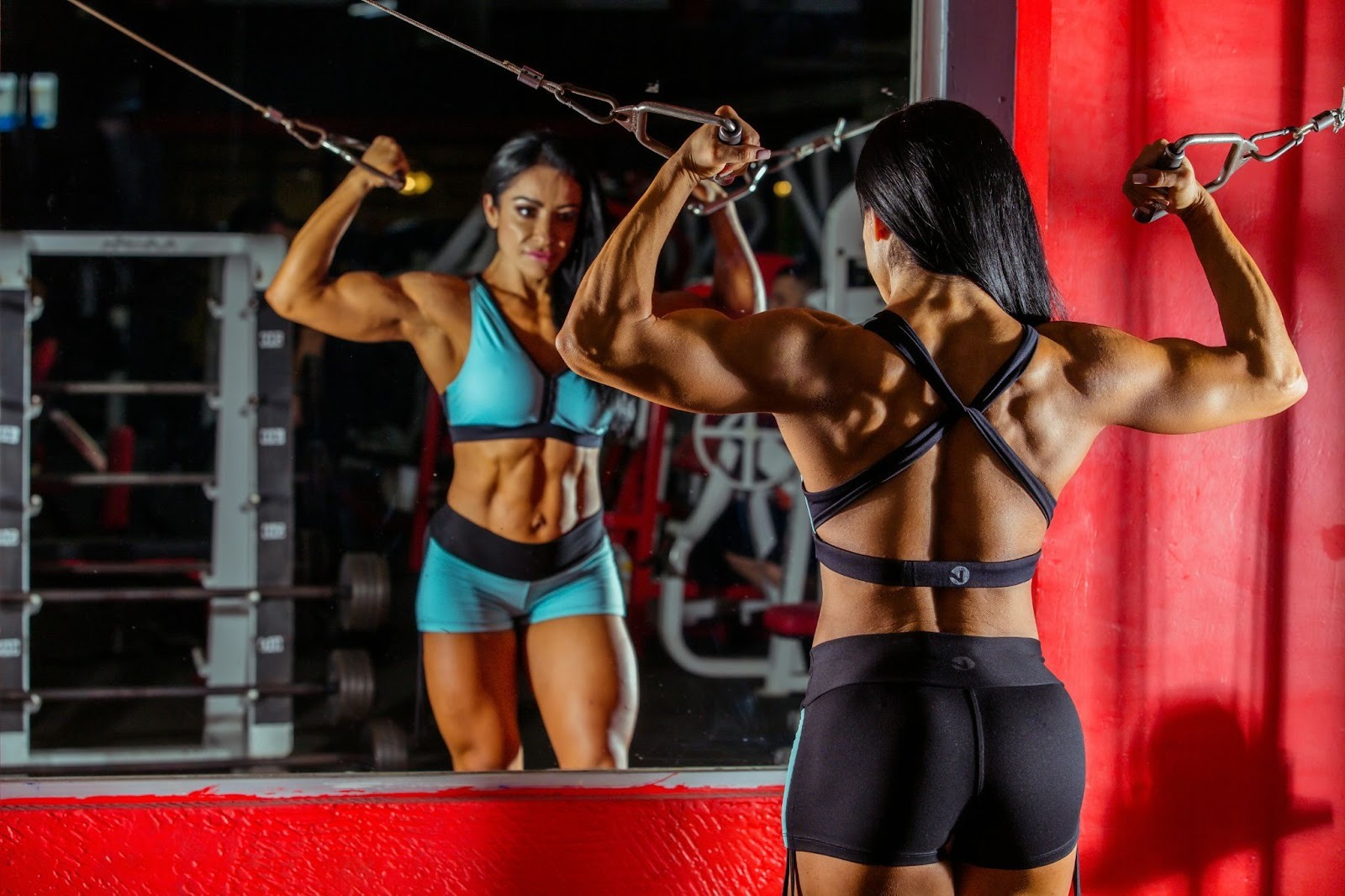
Follower count is not the primary filter in fitness. Conversion comes from fit + consistency + audience trust.
Here’s what to evaluate:
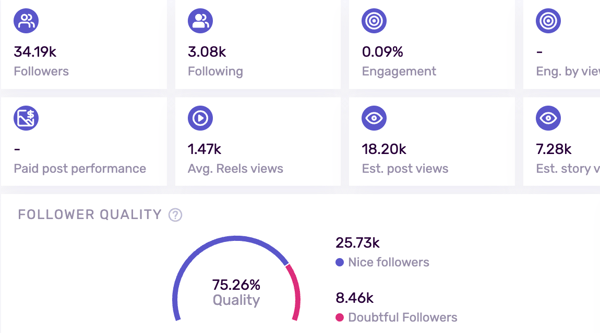
A creator who naturally fits your product category will integrate it smoothly:
Ask for:
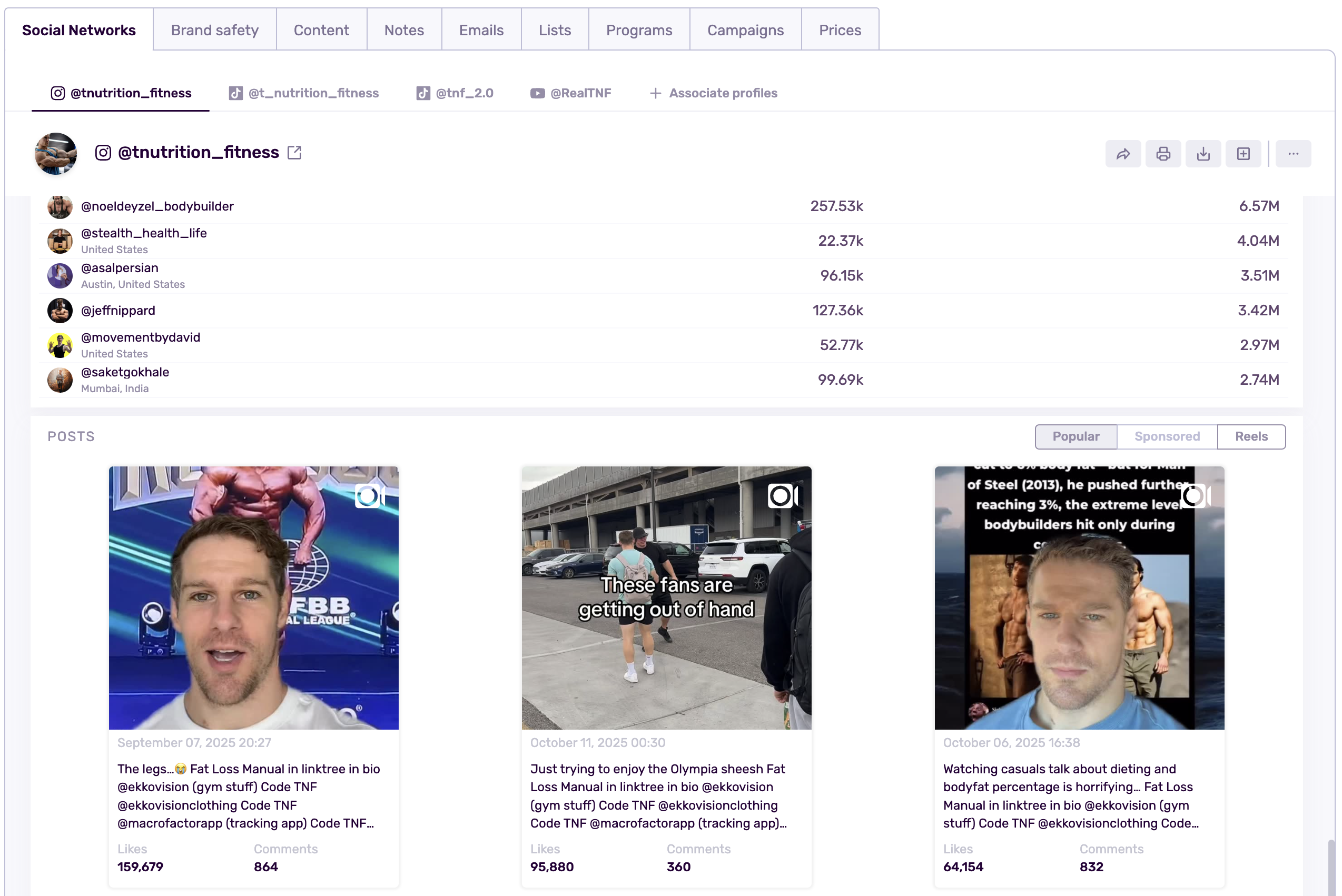
Fitness influencer marketing fails when teams judge it like a single-day performance ad.
Better KPI structure:

Once you start running multiple creators, multiple posts, and multiple platforms, spreadsheets break.
To run fitness influencer deals like performance partnerships, you need workflow support for:
This is where Influencity fits: it helps teams move from “we think this creator is good” to “we can prove what’s working and scale it.”

Fitness influencer marketing works when the partnership is built for real fitness behavior: repetition, consistency, and trust that compounds.
If you want deals that convert:
If you’re building or scaling a fitness influencer program and want a more reliable way to find creators, manage deliverables, and track what drives results, Influencity can help you run partnerships with the same rigor you’d apply to paid media, without killing the creator’s authenticity.
Rates vary by platform, follower tier, engagement quality, deliverables, and usage rights. Instagram posts are often priced higher than TikTok posts because of format expectations and content reuse. Use the follower tier as a starting point, then adjust for engagement and rights.
TikTok influencer pricing is often lower per post than Instagram, but can deliver strong reach when content performs organically. Typical benchmarks range from tens to low thousands depending on follower tier. Always factor in video complexity and usage rights.
Instagram pricing typically increases with follower tier and content format (Reels, Stories, carousels). Rates often rise significantly when usage rights, whitelisting, or exclusivity are included. Treat any pricing table as planning guidance, not a fixed rate card.
They can be, because fitness content is habit-based and gets saved, repeated, and shared. That repeat exposure can increase purchase intent over time. Results depend on creator fit, offer strength, and proper attribution.
Fitness influencers build routines and accountability, not just aesthetics. Their content is often instructional and repeatable, so it has a longer shelf life. That’s why the plan and posting frequency matter more than a single splashy post, because people need repeated exposure to build habits and eventually buy.
The most reliable structure is a hybrid: a base fee plus performance bonuses or affiliate commission. It protects the creator’s production time while aligning incentives to results. Pure commission models work best when the creator has proven conversion history.
Track link clicks and sales using UTMs, affiliate links, and promo codes. Compare performance by creator and by post, not only at the campaign level. Also review performance after 30 to 90 days because fitness content can keep converting.
One-off campaigns can build awareness, but conversion tends to improve with longer partnerships. A 3 to 6 month agreement gives enough time for trust and repetition to build. Fitness audiences respond to consistency.
Include deliverables, cadence, approval process, claims guidance, and tracking requirements. Define usage rights (where you can reuse content and for how long). Add performance terms and exclusivity only if they’re necessary.
Don’t pick by follower count alone. Look at engagement quality and audience fit. Review past brand integrations for authenticity and performance signals. Use consistent evaluation criteria so creators can be compared fairly.









%20and%20How%20Can%20They%20Benefit%20Your%20Brand%20article.jpg?length=628&name=What%20Are%20Key%20Opinion%20Leaders%20(KOL)%20and%20How%20Can%20They%20Benefit%20Your%20Brand%20article.jpg)




.png?length=628&name=Pop-up%20image%201200%C3%97800@1x%20(1).png)