

It was around the early 2010s that the world saw the emergence of influencer marketing – the marketing strategy that made waves and completely revolutionized the digital marketing economy. Over a decade has passed, and new trends and developments mean new ways of doing things. According to Goldman Sachs, the creator economy is projected to reach half a trillion dollars by 2027. But with growth comes saturation, and as the market saturates, traditional models lose their effectiveness.
Back then, influencer compensation for paid partnerships was quite simple: one-off payments for a required number of deliverables. Job done, payment goes through, everyone goes off their merry ways. Today, one-time collaborations with the biggest names are no longer the only campaigns where brands are willing to invest in. Leading agencies are starting to see that, beyond reach and follower count, conversion rates are driven by several other factors. But this begs the question: how do you design a creator compensation strategy around this shift?
In this article, we will examine how Obviously, one of the world’s leading influencer marketing agencies, redefined the influencer compensation model for today’s market. We’ll first explore the market shift, then take a closer look at why this strategy works—and how a shift in focus can benefit your own compensation strategy.
The traditional model rewarded the biggest names with the highest payouts, but reach is no longer the primary indicator of value. This aligns with Obviously’s core value of prioritizing retention and quality over reach.
Working with major brands like Google, Amazon, TikTok, and Ulta Beauty, Obviously has helped cultivate ‘community backing’ for these brands rather than just securing one-off ‘advertisements’.
Increasingly, creators are making content creation a full-time career and, like other professionals, are seeking income stability. While one-off transactions per deliverable still deliver results, they don’t fully exploit the potential of influencer marketing.
Picture this: you’re an influencer whose primary source of income is content creation, and you’re presented with two options – the first, a one-time collaboration with attractive monetary compensation, and the other, a collaboration that offers lesser base pay but comes with the promise of future collaborations and performance-based bonuses. Which one would you choose? The option that offers long-term stability and incentives will surely interest you more. The bottomline is that loyalty isn’t something you can buy with a single check, no matter how big.

And this works both ways. The tedious selection and vetting process can be resource-intensive for brands and agencies. Having a community of loyal creators in your arsenal can save you precious time and resources in the long run. Additionally, creator retention significantly impacts brand perception. Having loyal creators who continuously endorse your brand signals trust. This can have a ripple effect on how customers perceive your brand.
Obviously’s compensation model works because it is structured around long-term goals rather than outdated transactional calculations. By prioritizing stability, retention , and mutually beneficial results that endure, they restructured the creator compensation system into something that drives enduring value.
The success of Obviously’s model teaches us that an effective compensation strategy is driven by a few core components, such as:
A high-performance payment strategy ensures that both parties gain equal benefits out of a collaboration. Instead of measuring value solely by reach, it offers fair compensation for creative effort, audience engagement, conversion rate, and long-term impact. This system motivates creators to produce content that truly delivers value.
Tiered Reward Systems:
Incentivizing performance with tiered reward systems encourages creators to make content that performs. Instead of rigid one-time transactions, strong compensation systems reward performance with inducements such as higher base fees, bonuses, and contract extensions.
Since the goal of a good compensation model is retention, it honors loyalty with both monetary and experiential incentives. Instead of relying on the promise of future collaborations as its main influencer retention strategy, it offers perks such as retainers, ambassador roles, content licensing, exclusive sneak peeks, and early access to new launches. Since these experiential incentives can unlock account growth and cultural relevance for creators, they assure long-term benefits for loyalty. A strong compensation strategy doesn’t focus solely on financial transactions between brands and creators; it also fosters mutual growth.
Since the transactional one-off compensation model no longer works in 2026, let’s look at some alternative models. There are three major payment models you can choose for your specific campaign type and goal:
The main objective of this compensation model is retention. Hence, on top of the flat fee, creators get a bonus retainer that secures their continued endorsement for your brand.
Ambassador Programs - An ambassador program is a type of always-on program in which influencers and key opinion leaders serve as the face of a brand. Unlike one-time collaborations, these programs are driven by authentic long-term brand endorsements from ‘brand ambassadors’.
Obviously set a new standard with this hybrid compensation model, where creators are incentivized for performance. In addition to base pay, creators receive bonuses based on the quality and value of their content. Deviating from the traditional model, in which follower count was the primary metric for value estimation, performance-based influencer pay introduced a new system that calculates value using multiple performance metrics, such as engagement and conversion rates.

Lastly, we have the affiliate/commission model, where creators earn commissions through affiliate links.
With this model, creators provide affiliated links for a brand or product and get paid on a Pay-per-Sale, Pay-per-Click, or Pay-per-Lead basis.

However, this model is only viable with strong tracking that ensures accuracy. Since commission is generated from leads and conversions, you need a fair attribution model and reliable tracking to identify all customer touchpoints that drive an action.
The advent of modern performance tracking tools has changed the game for influencer commissions. These days, rather than negotiation tactics, performance data determines the rates for influencer partnerships.
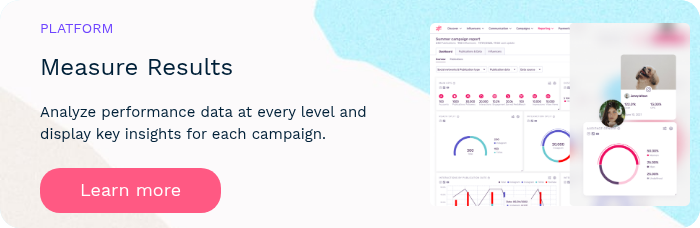
For most leading agencies, data is the key to developing a fair and effective compensation model. Accurate performance data lets you:
Hence, if you want to make smart decisions for your performance-based influencer pay, you need accurate data and reliable analytics tools.
Manually assessing influencer performance across different platforms can be difficult. For performance-based commission models, you need data that is both reliable and comprehensive. Influencity gives you the tools to easily track and analyze influencer statistics in real time. This allows you to accurately measure your influencer marketing ROI using multiple KPIs rather than relying on outdated metrics.
You can optimize your payment strategy by using performance data for:
Accurate pricing estimation through earned media value: EMV is one of the many metrics you can track with Influencity. It’s especially useful for budget-related decisions as it calculates the advertising value of influencer promotions. By reviewing an influencer’s EMV, you can make an informed estimate of how much a collaboration should cost.
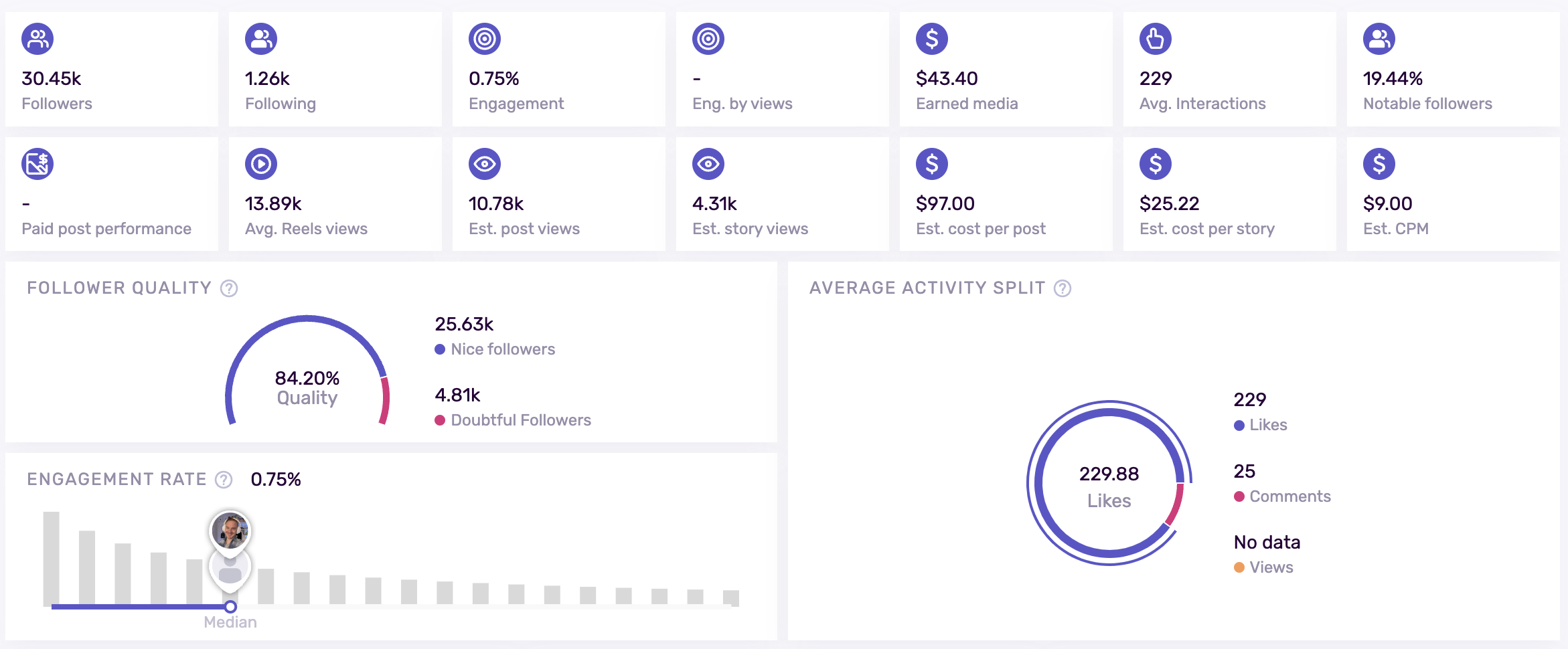
Audience overlap and quality: For proper value assessment, you need insight into an influencer’s audience quality. Influencity lets you easily determine an influencer’s audience quality with straightforward data and charts.
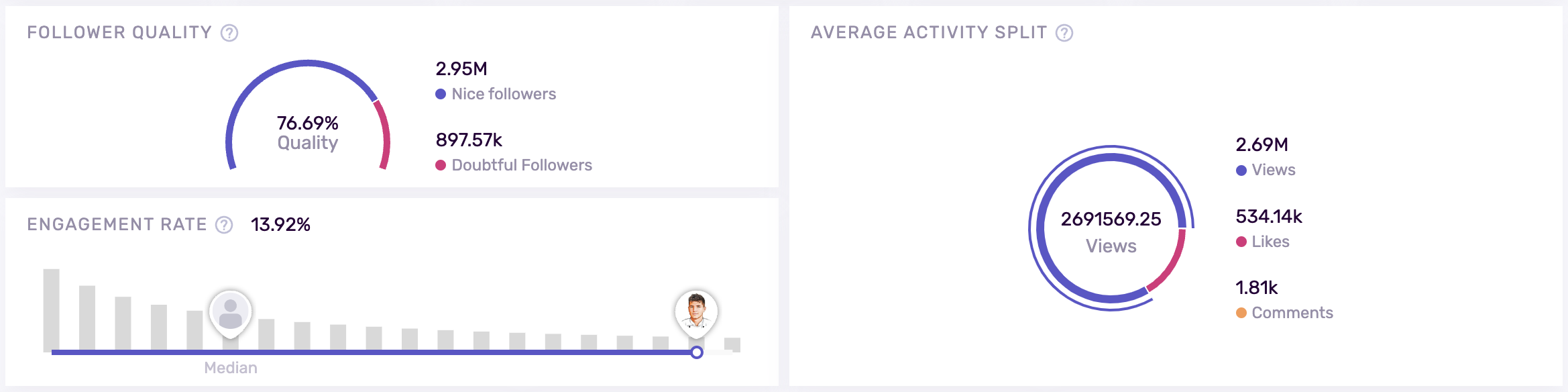
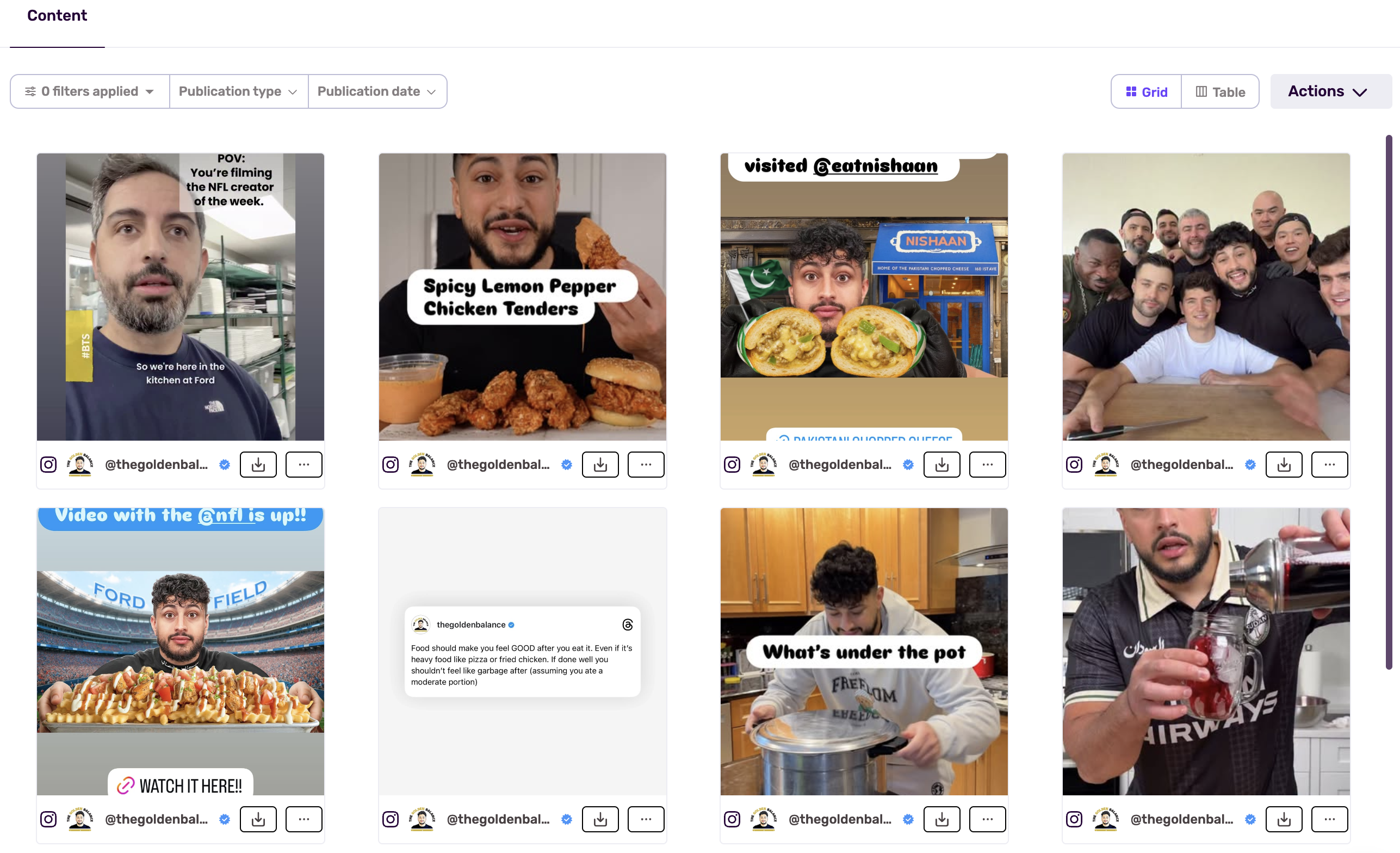
Additionally, you have the option to track and avoid audience overlap. This gives you a reliable estimate of the Cost per Reach (CPR) for multi-creator campaigns.
.png?width=1891&height=708&name=Tables%20(16).png)
A robust compensation framework needs both effective strategy and reliable data. Here are a few tips to elevate your compensation strategy:

.png?width=1679&height=632&name=Tables%20(17).png)
.png?width=1688&height=404&name=Tables%20(18).png)
Your compensation structure can directly address the digital marketing landscape’s demand for authenticity and creator loyalty. Since creators are prioritizing stability over big one-off payouts, you need a compensation strategy designed for retention and long-term objectives. The future of influencer marketing isn’t about paying the most; it’s about paying smarter. When you design a compensation system that’s thoughtful and strategic, your expenses don’t just pay for one-time posts; you get performance, loyalty, and growth that compound over time.
A high-performance influencer compensation model goes beyond one-time transactions and focuses on long-term growth.
Obviously’s performance-based reward system helped normalize a compensation framework built for impact and retention.
Creator retention is achieved through fair payment models that prioritize mutual gain. Creators have to secure long-term financial and experiential gains from their collaborations.
Data gives you the information you need to execute your compensation framework. With performance tracking, you can accurately calculate estimates for bonuses, and other performance-based incentives.
From detailed influencer and audience insights to actionable campaign data, Influencity offers all the necessary tools for performance-based influencer payment systems.














%20and%20How%20Can%20They%20Benefit%20Your%20Brand%20article.jpg?length=628&name=What%20Are%20Key%20Opinion%20Leaders%20(KOL)%20and%20How%20Can%20They%20Benefit%20Your%20Brand%20article.jpg)