

I remember the early days of influencer marketing when influencer discovery tools would let you filter your search by category. Select “beauty” to get a list of influencers who created content about makeup and skincare. Select “travel” and you get a bunch of influencers who shared travel content.
You could also use industry hashtags like #beauty or #travel to find some of the top content using those hashtags and, in turn, find the creators behind them.
But with the influencer marketing industry becoming more saturated, you can no longer afford to work with just any “industry influencers.” And that’s exactly the type of influencers you surface with those generic categories and obvious hashtags.
In this post, I explain why you need to look beyond broad industry keywords and hashtags and how to find influencers in your niche.
As brands come up with new ways to address specific consumer pain points, people are spoilt for choice when it comes to products and services.
Meanwhile, influencer marketing is a saturated industry, as more and more creators enter the field in the hopes of making a name for themselves. This has led to an increase in generic content that appeals to a broad audience but doesn’t address the unique concerns of individuals.
The challenge for brands is to sieve through the flood of generic industry content and narrow down on creators who speak to specific pain points and needs.
While generic industry hashtags help you discover influencers who create content for a broader audience, niche hashtags let you drill down on those who speak to a very specific type of audience.
Take, for example, the skincare industry, which had long failed to fill the gap in skincare for sensitive skin. As someone with sensitive, acne-prone skin myself, I often struggled to find products that were noncomedogenic and formulated with my skincare needs in mind.
A “must-have” serum that everyone’s talking about would break me out because it has alcohol. And an expensive new moisturizer would do the same because it had fragrance.
That’s why I don’t usually follow the recommendations of a beauty influencer unless they also deal with sensitive skin. I might not even follow an influencer if they’re not specifically creating content that’s relevant to my skincare needs.
So finding an influencer who creates generic content about #skincare won’t always help brands reach someone like me.
Over the past few years, however, we’ve seen more brands stepping up to fill this gap and create more products specifically formulated for those with sensitive skin. In fact, the demand is so huge that there’s even a niche carved out for this type of beauty product, with sensitive skin affecting 70% of the world’s population.
Similarly, the beauty influencer marketing industry has evolved to create a niche for sensitive skin types. You can find a bunch of skincare creators who talk about their own struggles with sensitive skin as they review products to see if they’re sensitive-skin-friendly and provide helpful tips for others dealing with this skin type.
And they’ve built an audience who looks to them for advice and inspiration on how to care for sensitive skin or which products to use.
So when you search for something like #SensitiveSkinCare, you can discover influencers who specifically create content about sensitive skin. This helps you get more niche with your influencer search and find creators who are highly relevant for your target audience.
Those obvious industry hashtags may have worked in the early days of influencer marketing when you could typically reach an engaged audience through a leading industry influencer. But as consumers get weighed down by influencer fatigue, they’re making more conscious choices about following influencers who are authentic and relevant to them.
So out goes the popular beauty influencer who can review every new makeup or skincare product to hit the market. And in comes niche micro-influencers who speak to their unique concerns – whether it’s sensitive skin, inclusive shades, or sensory-friendly products.
Getting more specific with your keywords and hashtags help you surface the right influencers to reach a niche audience. This has become a core strategy for effective niche marketing.
So why should you care about these niche influencers? Can’t you just work with a leading industry influencer and hope that somewhere within their followers list, there are people who might be interested in your product?
Here are a few reasons why niche marketing with highly relevant influencers can help your business.
Niche keywords or hashtags help you discover influencers who create content about a highly specific topic. Whether it’s a topic that addresses a unique pain point or that’s explicitly relevant to someone’s values, it attracts an audience that’s interested and engaged.
For instance, an influencer who creates content about budget travel tips will attract an audience that’s interested in low-cost travel. But those audiences are unlikely to follow travel influencers who constantly share their luxury travel experiences because their content just isn’t relevant to their situation or needs.
That’s why you need niche influencers to reach a highly relevant and targeted audience.

Niche influencers also tend to be smaller creators co since they focus on a highly specific topic. With micro-influencers and nano-influencers charging less than their larger counterparts, you’re likely to spend less on your campaigns. This makes them perfect for small businesses and startups with a limited influencer marketing budget.
Instead of using a fixed rate card, you might even be able to negotiate more flexible payment terms with these smaller influencers. Think: product gifting or sampling or performance-based fees instead of flat-rate payments.
When you reach audiences whose needs or interests are relevant to your brand, your campaigns generate a bigger impact. Higher engagements and more clicks to conversion mean you get more out of your campaign. And since you’re already lowering your spending by partnering with smaller creators, you maximize your influencer marketing ROI as a whole.
Finding niche influencers is all about getting really specific with your keywords and hashtags.
The native search features on social platforms like Instagram have improved significantly. It can now account for various factors like the keywords an influencer uses in their bio, the popularity of their post, and the topics they usually talk about. So it’ll show you the most relevant results even if an influencer doesn’t explicitly use your searched hashtag or keyword in their caption.
With that said, here are some practical tips on finding influencers in your niche.
Start with the problem your products or services can solve. Then run a keyword or hashtag search to surface content related to the problem.
This helps you discover influencers who are solving a specific issue – whether it’s providing budget travel tips, sharing their favorite sunburn treatment, or showing how they care for frizzy hair. People follow them because they’re addressing a need that’s relevant to them.
That means their audience is likely interested in your products and services too because you’re solving a problem for them.
Say you want to promote your huge selection of budget-friendly groceries and you want to reach people whose main concern is cooking healthy meals on a budget. This means you need to work with an influencer who mainly talks about budgeting instead of someone who mainly creates content about cooking in general. At the same time, you want to make sure the influencer’s content isn’t completely unrelated to food.
So you so search for something like #BudgetMealPrep. This keyword or hashtag addresses a specific problem that audiences care about: meal prep on a budget.
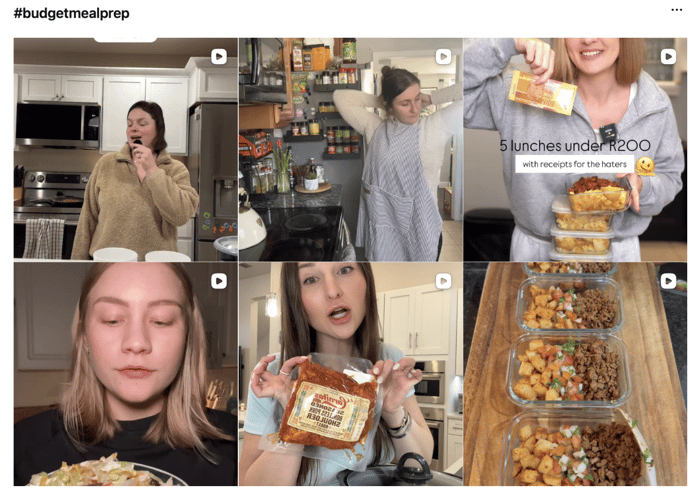
Your search will surface an influencer like Becca Bergmann (@beccanomics101), who regularly creates budgeting content. So her audience is made up of people who are interested in cutting their household spending. And low-cost grocery options would be something that many are interested in.
Yes, you heard that right. Instagram now lets you run long-tail keyword searches natively on the app.
This lets you get really specific with your searches without being held back by hashtag limitations. When you try to convert long-tail keywords into hashtags, you’re likely to get just a few results because Instagram will focus on content using those exact hashtags. But when you run a regular long-tail keyword search, you get a ton of relevant and related results based on the keywords in the caption or even the content itself.
So let’s try to run a search for the keyword “everyday style for moms on a budget.” And you get plenty of results for content creators who focus on easy, budget-friendly, and practical styling tips relevant to moms.
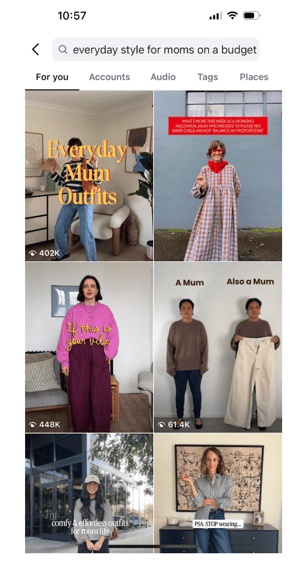
Instead of just any fashion influencer, you’ll come across creators like Rosie Ann Butcher (@rosieannbutcher), who’s a mom herself and shares easy outfit ideas in addition to other lifestyle content.
Does your product help protect the skin barrier? Give added shine to dull hair? Perhaps you offer an inclusive range of foundation shades. All of these benefits could serve as keywords to help you find relevant influencers.
As you surface content discussing topics related to those keywords, you can discover creators who care about those benefits and qualities. That means they also have an audience that’s seeking out those same benefits and qualities in a product. In other words, you get to tap into an audience that’s interested in what you have to offer.
For instance, a brand that designs clothing for people with sensory issues could search for a hashtag like #SensoryFriendlyClothing.
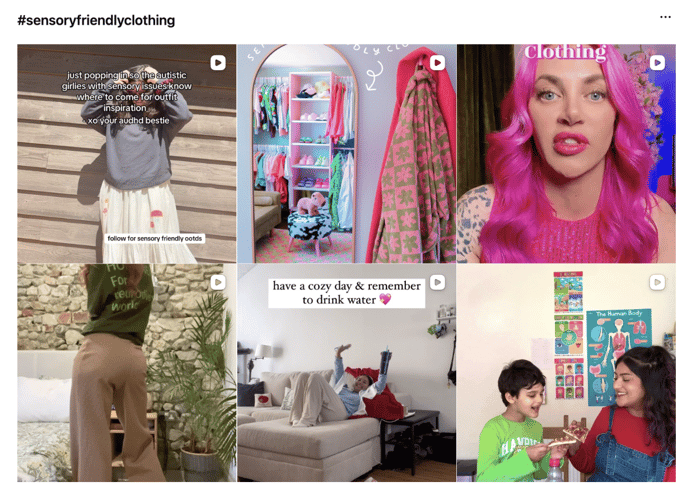
And this will surface creators like Courtney Ahn (@candy.courn), who openly shares her experience with sensory processing disorder. That means she has an audience that’s likely dealing with the same disorder and is interested in sensory-friendly clothing. So the brand’s offering will be highly relevant to them.
Got an amazing treatment cream for curly hair? Or flattering foundation shades made just for Black women? Perhaps you just launched a new serum for people with mature skin. Those audience demographics and features could turn into valuable keywords to surface influencers creating content for those audiences.
For instance, #CurlyHairRoutine could be an excellent hashtag to discover influencers whose audiences follow them for content related to haircare for curly hair. Meanwhile, #BlackGirlMakeup will turn up results for Black creators who share makeup tips or product reviews catered to Black women.
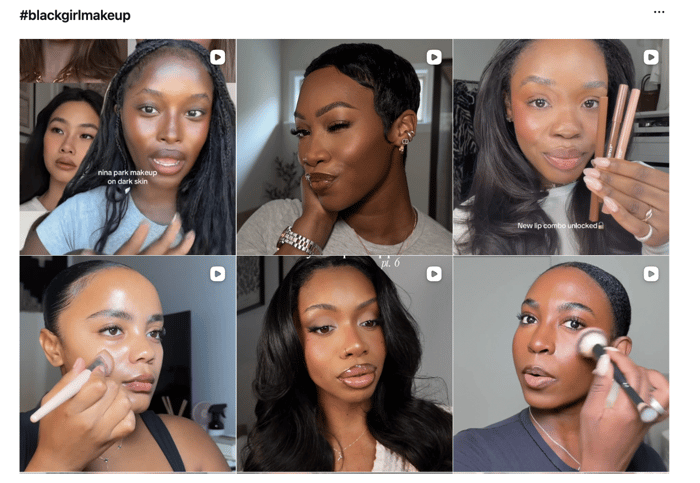
You’ll be able to find influencers like Ivy Elix (@ivy4eva), whose lifestyle and beauty content resonates with Black women who share the same interests.
It’s not always possible to account for every single keyword or hashtag that influencers are using in your niche. That’s why you need to look at your search results and see what other hashtags creators are using in their posts. This is a great way to expand your search across the niche and discover even more content from other relevant creators.
For instance, look at the search results for #SwimmingHair and see what other hashtags influencers are using related to the keyword.
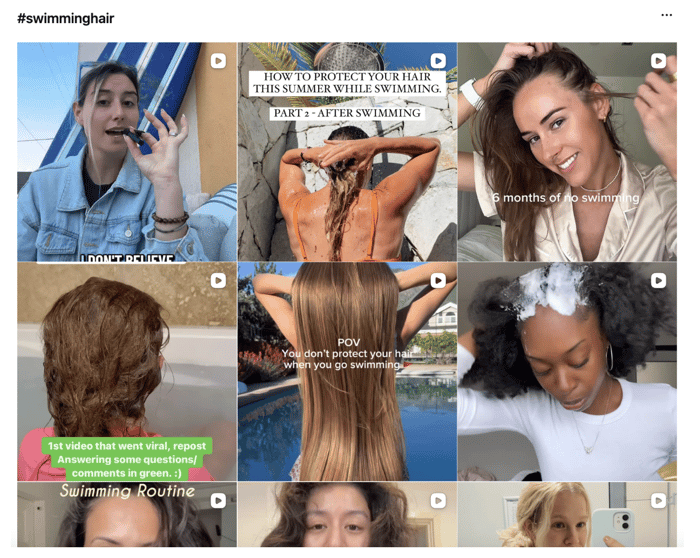
The following creator uses #HaircareForSwimmers, so we’ll try to expand our search with this hashtag.
See how the search results look completely different, even though the hashtags are closely related.
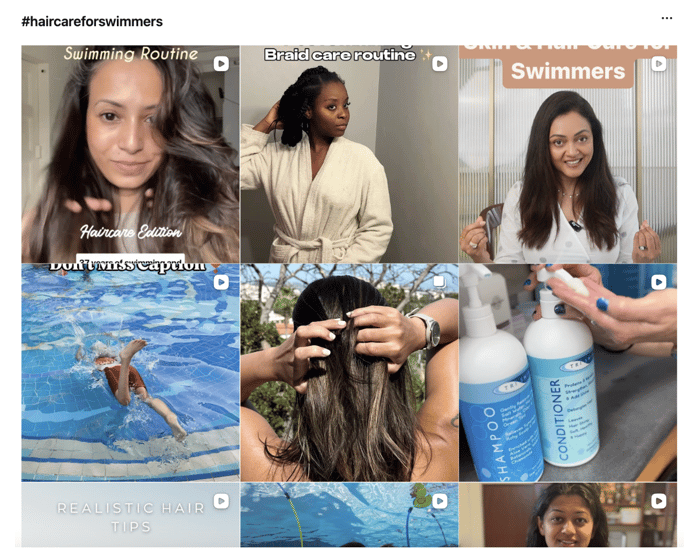
So you’ll come across more creators like Chisom Nnaerika (@chizzoomm_), who creates content about haircare.
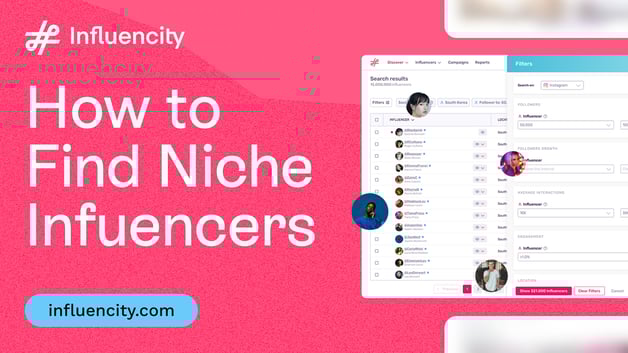
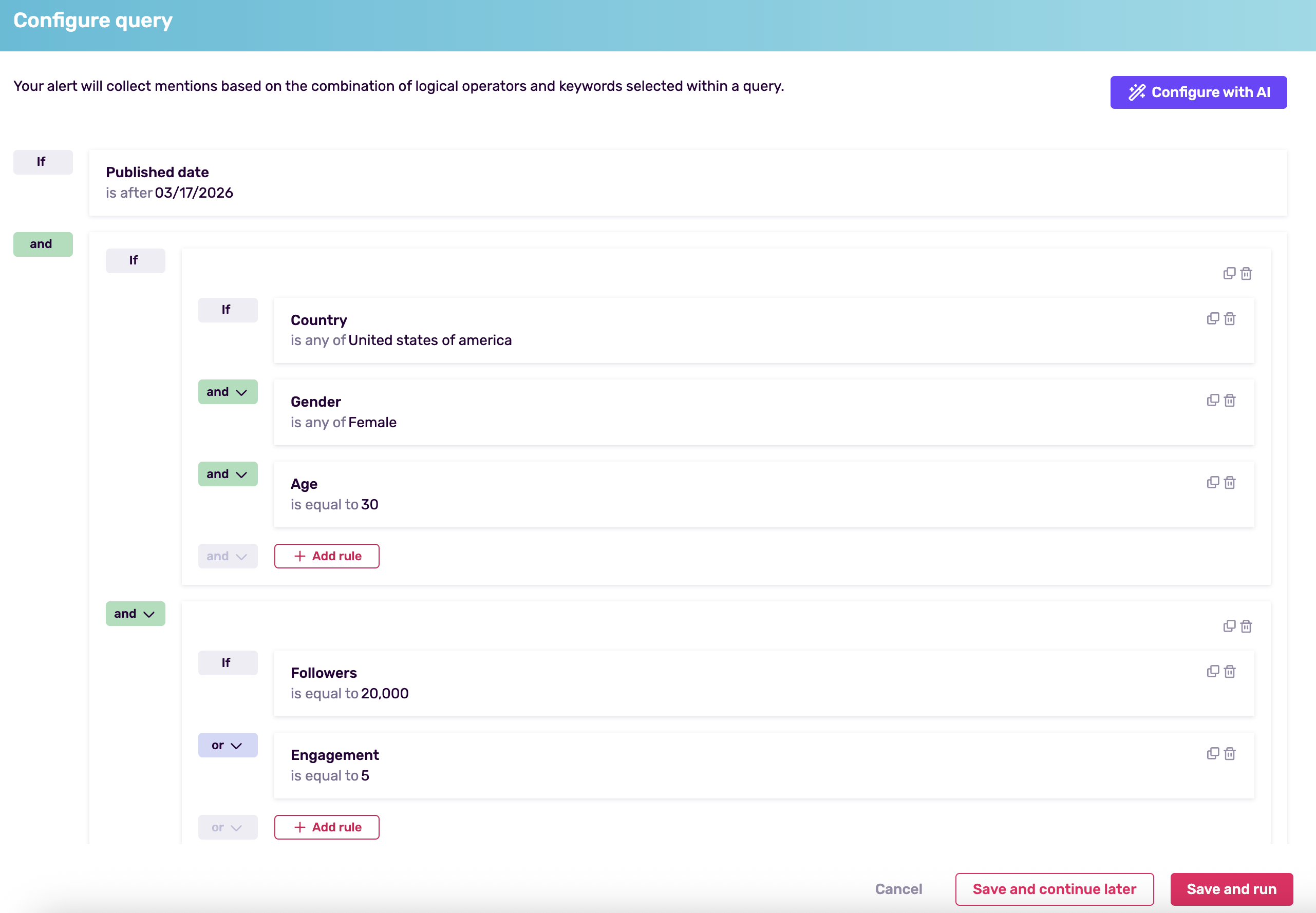
While these manual searches are a great way to surface niche influencers for your campaigns, the process can be time-consuming. Influencity’s robust influencer search tools help you speed things up with Boolean searches and AI-powered discovery.
You can filter your searches using Boolean operators (and, or, not) to narrow down on hyper-specific niches. For instance, fashion influencers based in the U.K. who post about sustainable clothing but not vegan products, because you mainly deal with vintage leather goods.
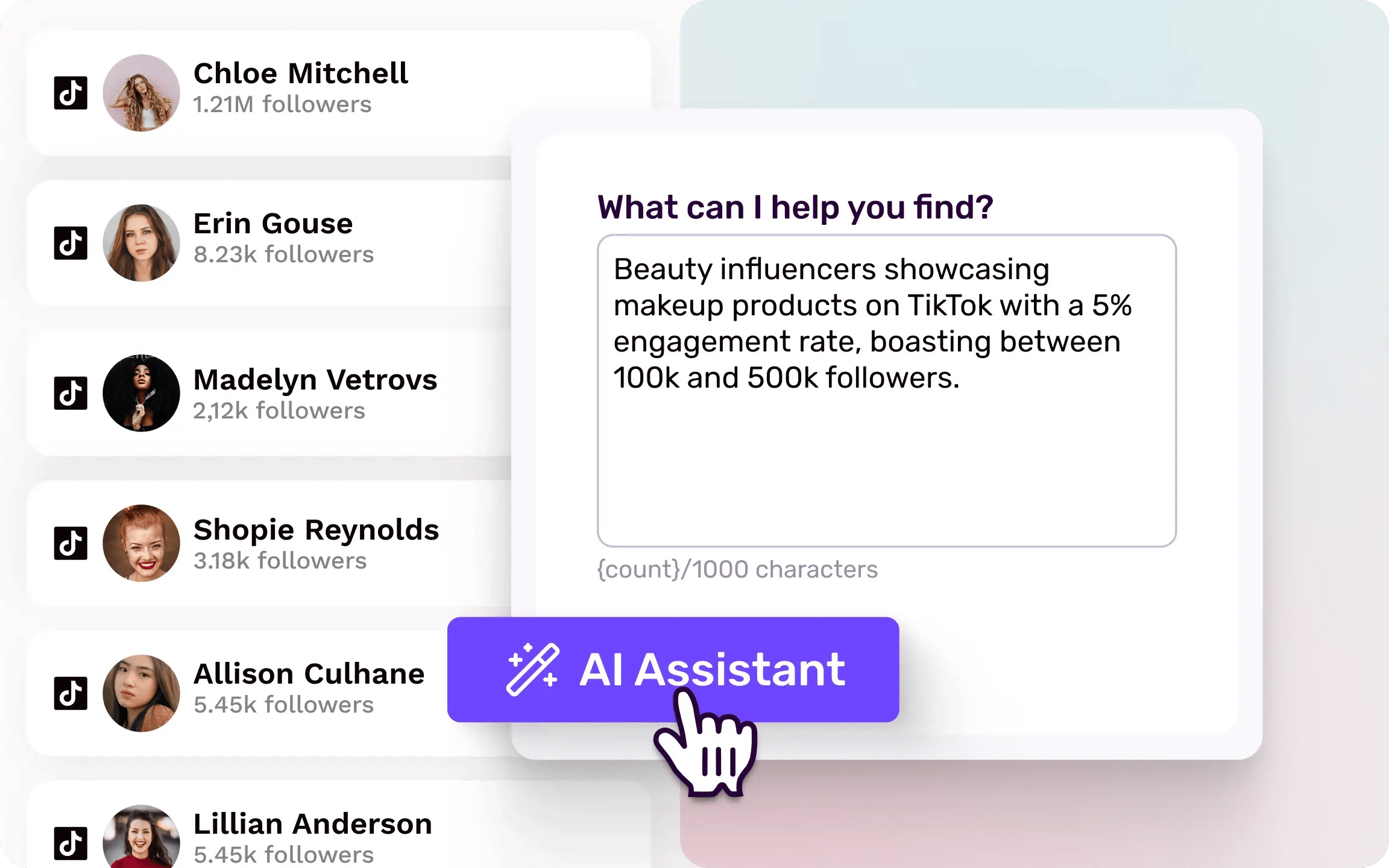
You can also use the AI Assistant to simply type in the exact type of creator you need and surface hyper-niche accounts. For example, fashion creators who create maximalist looks with thrifted clothes on Instagram and have 10k to 100k followers.
Winning with niche influencers is all about getting hyper-specific with your searches to reach a hyper-relevant audience. Make the most of the practical tips and ideas I shared above to start looking for the right influencers in your niche.
A niche influencer is a creator who has a small but engaged following because they focus on a highly specific topic, such as traveling with kids or accessible adventure sports.
Beauty and skincare, gaming, finance, health and wellness, and sustainable lifestyle are some of the best niches for influencers.
Some examples of influencer niches are: Skincare for sensitive skin, budgeting for a large family, maximalist fashion, and RPG gaming.
You can find niche influencers by conducting relevant keyword or hashtag searches. Using a platform like Influencity also helps you streamline your search with Boolean operators and AI-assisted search.








%20and%20How%20Can%20They%20Benefit%20Your%20Brand%20article.jpg?length=628&name=What%20Are%20Key%20Opinion%20Leaders%20(KOL)%20and%20How%20Can%20They%20Benefit%20Your%20Brand%20article.jpg)