

Do you ever wonder how Disney keeps its characters top of mind for kids long after a movie leaves theaters? The answer isn’t just advertising or splashy premieres, it’s YouTube and the kid influencers who run it.
Disney has quietly built an influencer-first ecosystem that spans from toddlers watching toy unboxing videos to teens following Marvel and Star Wars fandoms. Working with creators like Ryan’s World and Vlad & Niki, the company has turned YouTube into both a storytelling icon and a distribution channel.
I’ve seen how engaged kids are with watching other kids play, unbox toys, take on silly challenges, or act out roleplay adventures with their favorite characters. For them, YouTube is entertainment, community, and often their first introduction to brands like Disney.
The numbers explain why.
Kids ages 5 to 8 average 3.5 hours of screen time a day, with nearly half watching YouTube daily, according to Common Sense Media, 2025. Among teens, 90% use YouTube, and almost three-quarters visit daily, per Pew Research Center, 2025.
If kids are spending their lives on this platform, Disney’s strategy is simple: that’s where its characters need to live, too.
Let’s unpack Disney’s YouTube best practices so you can use them too!
Disney has developed a repeatable content model centered on kid influencers. At the center are toys, challenges, and mini-stories that naturally fit into YouTube’s viewing habits.
-3.png?width=500&height=169&name=White%20%26%20Green%20Modern%20Bar%20Chart%20Graph%20(17)-3.png)
This is content kids want to watch. It sustains the emotional connection Disney relies on to drive both streaming loyalty and product sales.
Disney’s approach works because it blends influence, storytelling, and interactivity.
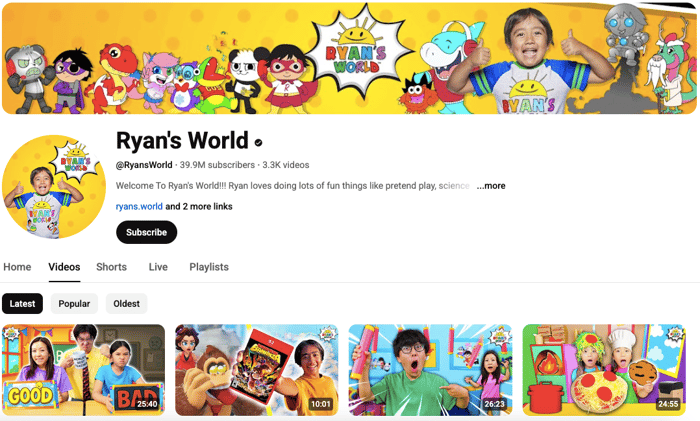
Marvel x Ryan’s World: Ryan’s World is still one of the biggest kids’ channels, with 39.9M subscribers on YouTube as of September 2025. In one high-profile collaboration, Ryan unboxed and played with a custom Iron Man robot toy, demonstrating app controls and personalization features, such as customizing its appearance. The video hit 36 million views, well above the channel’s usual benchmarks for toy content. The mix of a beloved Marvel hero, an interactive toy, and a trusted kid influencer proved to be a hit with young viewers and parents alike. The result was more than just clicks: it created a surge in Marvel toy searches and highlighted how influencer partnerships can drive viral content, retail sales, and franchise buzz all at once.
Pro Tip: Parents are more likely to co-watch YouTube (62%) than TikTok (17%), based on the Common Sense report. That makes YouTube a safer, more trusted environment for family-facing campaigns.
So what exactly can brands borrow from Disney’s model? Think of this playbook as a set of building blocks you can scale up or down.
1. Think Transmedia
Disney treats influencer videos as part of a larger campaign, not as stand-alone posts. When Frozen 2 launched, YouTube unboxing of dolls and playsets were timed alongside trailer drops and the Disney+ release. Each touchpoint reinforced the same story world, keeping kids immersed across platforms.
Smaller brand move: You don’t need a blockbuster film to connect the dots. A children’s apparel company could send themed outfits to kid creators tied to a back-to-school campaign, then link those posts to a seasonal sale or newsletter. The goal is messaging consistency. Every asset should point back to the same narrative.
2. Partner With Parent-Managed Channels
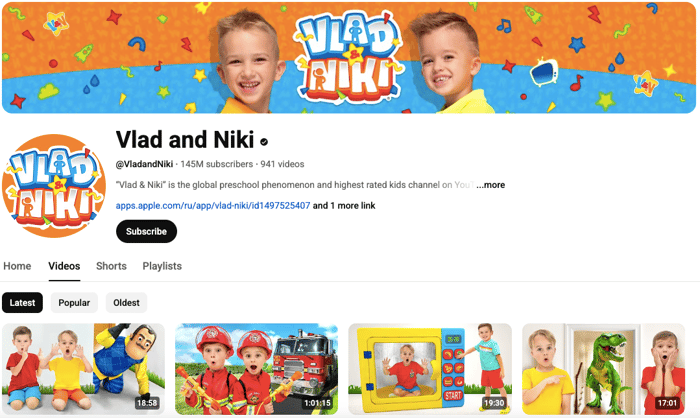
Most of Disney’s top collaborators, like Ryan’s World, Vlad & Niki, are run by parents who oversee approvals and compliance. This ensures smoother production, fewer legal headaches, and built-in trust for family audiences.
Smaller brand move: Seek out micro-influencers in your category and budget. Many have audiences in the 50K–200K range but drive high engagement.
3. Design for Interaction
Disney campaigns rarely stop at unboxing. For the Toy Story Adventure Box, Vlad & Niki received mission cards that turned a toy set into an interactive challenge. Kids weren’t just watching, they were roleplaying along at home, which deepened both watch time and trust with parents.
Smaller brand move: You can replicate this with simple tools. Send printable coloring sheets, scavenger hunts, or DIY challenges alongside your product. If the activity is fun and repeatable, kids will stay engaged, and families will value the experience.
4. Co-Create Storylines, Don’t Just Rely on CharactersSmaller brand move: Provide creators with “story starters.” A toy brand might suggest a “mystery reveal” format, or an apparel brand could challenge kids to style outfits for different adventures. Allowing creators to guide the narrative makes the content feel authentic and replayable.
5. Measure Engagement, Not Just Airtime
Disney values repeat views, watch time, and replays over simple impressions. A campaign succeeds when kids choose to rewatch videos or act them out later, proof that the brand has become part of their play.

Smaller brand move: Track more than views. Look at comments, likes, and whether families share the videos. For example, if parents post pictures of kids completing a challenge at home, that’s engagement Disney-style and a signal your content has staying power.
Disney’s partnerships with YouTube-first kid influencers are structured as long-term investments that extend the life of both content and characters.
This staying power is what makes creators such a valuable distribution channel. Disney invests in storytellers who keep franchises alive week after week.
Smaller brand takeaway: Even modest partnerships with family-run YouTube channels can create evergreen content. A single well-produced unboxing or challenge video can become a permanent touchpoint, resurfacing through YouTube’s algorithm long after the campaign has ended.
Disney’s influencer play isn’t just about engagement; it’s about protecting a massive licensing empire. According to Variety (2025), Disney generated $63 billion in retail sales of licensed products in 2024, accounting for more than 20% of the $307.9 billion global licensing market. The report also highlighted toys and games as one of the fastest-growing categories, with 54% of licensors citing it as a core opportunity.
-2.png?width=500&height=322&name=White%20%26%20Green%20Modern%20Bar%20Chart%20Graph%20(18)-2.png)
For Disney, partnering with Ryan’s World or Vlad & Niki is a way to ensure that toy lines tied to Frozen, Toy Story, or Marvel maintain relevance in the spaces where kids spend the most time.
Agencies and brands can take a page from this by:
Disney’s success with kid influencers doesn’t happen by chance. It comes from a clear strategy. For agencies and entertainment brands, here are three practical steps to build your own system of engagement.
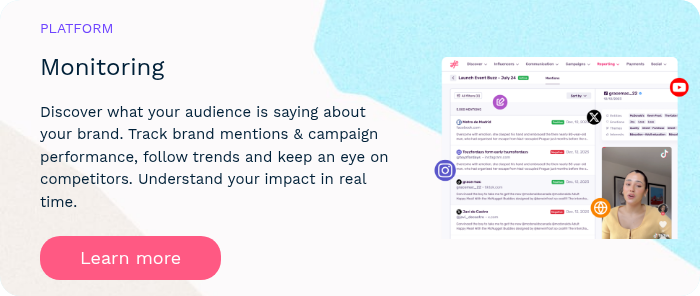
Smaller brand move: Use social listening tools to monitor keywords tied to your products or themes. If chatter spikes around “STEM toys” or “back-to-school outfits,” partner with influencers to create timely content that taps the wave.
Smaller brand move: You don’t need a big budget. Include simple add-ons like printable games, DIY instructions, or behind-the-scenes extras with your product seeding. When kids and parents have something to follow along with, engagement and trust climb.
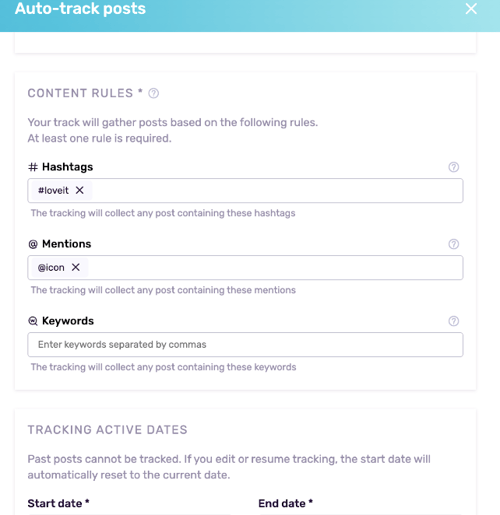
Smaller brand move: Build a simple tracker (a spreadsheet works) mapping influencer activity in your niche. Who posts regularly? Who maintains audience trust? Over time, you’ll see which partnerships are worth investing in long-term.

These recommendations all boil down to one lesson: treat influencers as storytellers, not just ad slots. Listening to your audience helps you equip creators with tools, and tracking partnerships strategically.
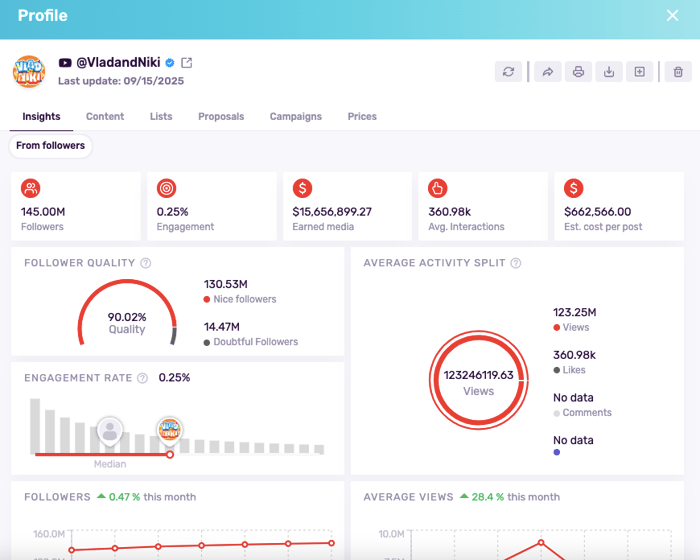
From toddlers with tablets to teens streaming constantly, kids’ media diets flow through influencer-driven ecosystems. Disney understands this better than anyone. Its $63 billion licensing business, paired with its dominance in storytelling, thrives because it meets kids where they already are: on YouTube, watching kid influencers like Ryan’s World and Vlad & Niki.
Channels of this size rival entertainment networks in their own right. That reach is why Disney relies on these creators to extend its franchises between film releases and product launches.
For agencies and entertainment brands, the lesson is simple: kid influencers aren’t just there to ride trends. They’re often the first place kids encounter a brand’s characters, whether it’s Elsa, Lightning McQueen, or Buzz Lightyear. These creators keep stories alive between big launches, making them the frontline channel for building emotional connection and driving toy and merch sales.
Want to learn how to structure and measure influencer campaigns at scale? Explore Influencity’s resources for case studies, tools, and strategies designed for agencies and brands.








%20and%20How%20Can%20They%20Benefit%20Your%20Brand%20article.jpg?length=628&name=What%20Are%20Key%20Opinion%20Leaders%20(KOL)%20and%20How%20Can%20They%20Benefit%20Your%20Brand%20article.jpg)