

I love the moment you find an influencer whose strengths seem bigger than their follower size. You can almost feel it, the format is landing, the comments are lively, and the creator is finding their fans in real time.
But most teams discover underpriced influencers too late. By the time they notice someone promising, the follower jump has already happened, brands are already circling, and the rate card has already shifted.
If you want a better shot at getting there earlier, start by watching for what usually moves first: conversation.
In this piece, I’ll show you how to spot emerging creators, vet them fast, and reach out before the market crowds in.

Once a creator gets labeled “hot,” the economics shift fast. Rates climb because demand climbs. Availability drops because calendars fill. And content starts to look oddly similar as multiple brands chase the same creator at the same time.
Overpaying is not only a budget issue. It can change the quality of the partnership. Negotiations get more rigid. Creative flexibility shrinks. Longer relationships become harder to build because you are arriving late, with more competition and less room to collaborate.
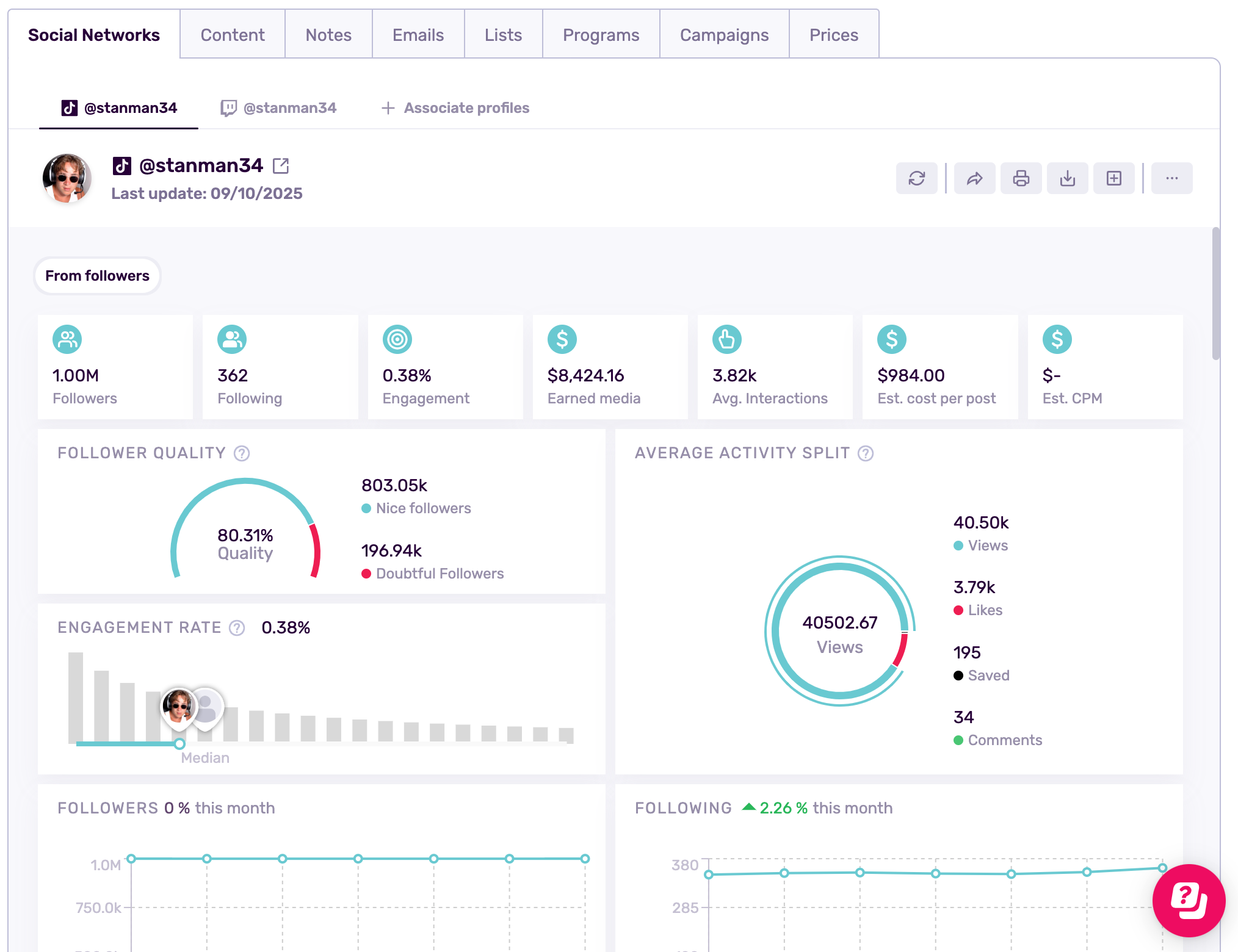
A lot of this happens because discovery starts where measurement is easy: follower count and recent viral posts. Those numbers matter. They just show up late.

“Underpriced” does not mean cheap. It means a creator’s pull is rising faster than their current rates reflect.
Here are a few telltale signs I watch for:
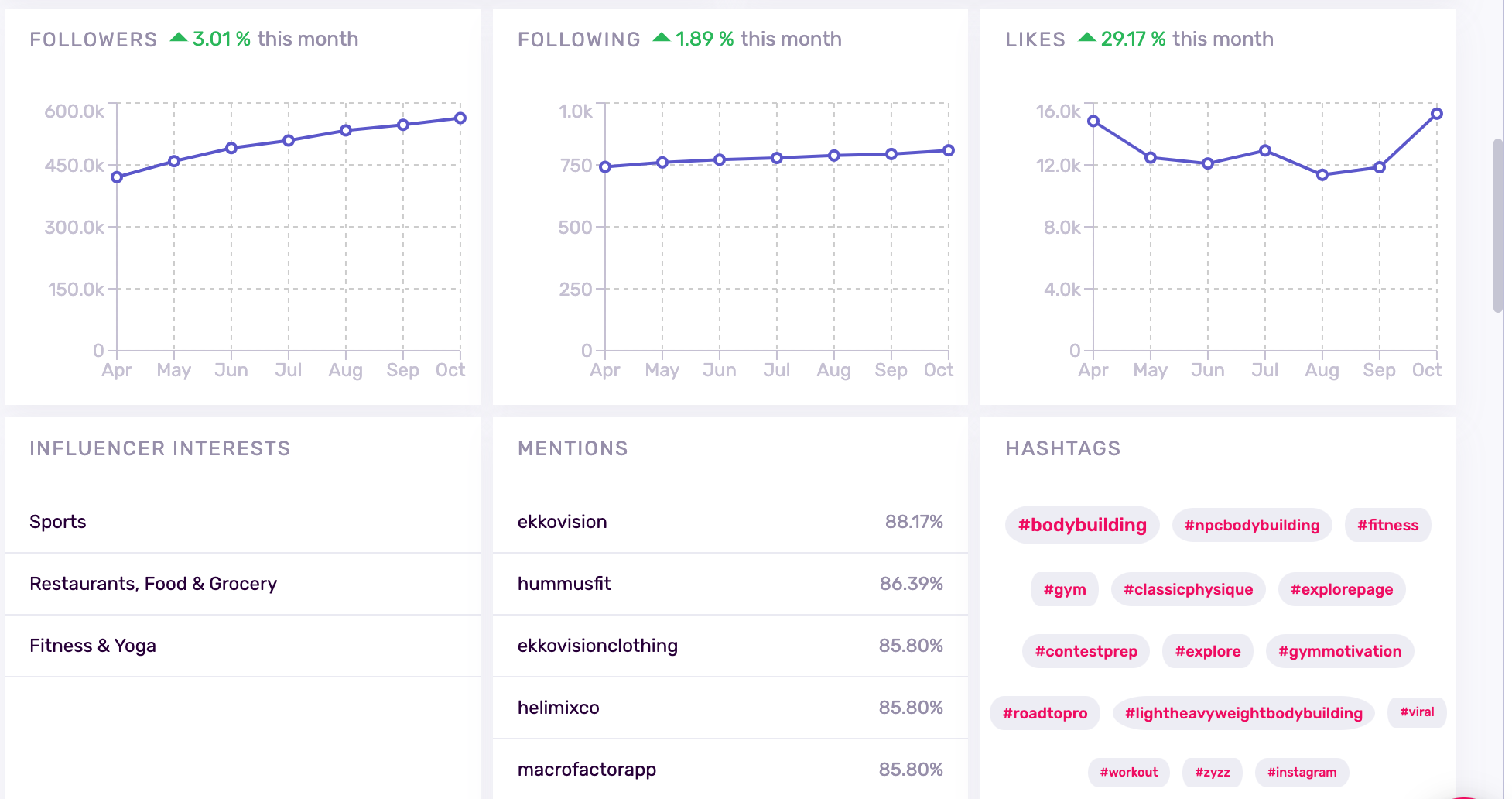
When those signals show up consistently and follower count hasn’t caught up yet, you’re often seeing the affordable part of the curve, when creators are still open to longer partnerships.

Social listening used to be a “what was talked about” tool. Teams used it to summarize brand mentions after a campaign launched or wrapped. Helpful, but backward-looking.
Now it’s more useful as an early-warning system. It helps you see which creators, formats, and phrases keep showing up while they’re still contained in smaller circles. That’s where trends usually start. Quietly. Then they spread.
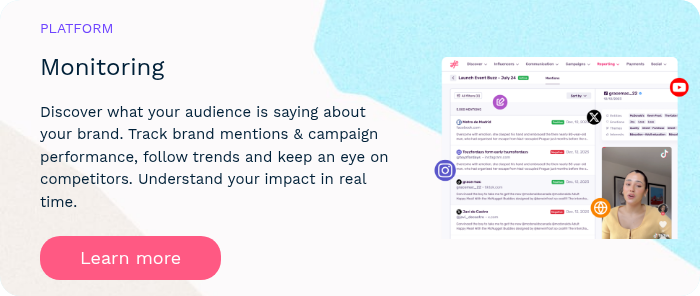
Used this way, social listening becomes a signal layer. It shows where attention is forming so you can build your shortlist, then confirm fit with influencer data before you reach out.
Later, I’ll show you how to run this with any setup, and how it maps to Influencity if you use it.

Getting in early is exciting. It is also where teams can get burned.
I can’t stress this enough: vetting matters. Sometimes these creators are legitimate and ready. Sometimes they have all the red flags. And in my experience, if there is one red flag, there are usually more.
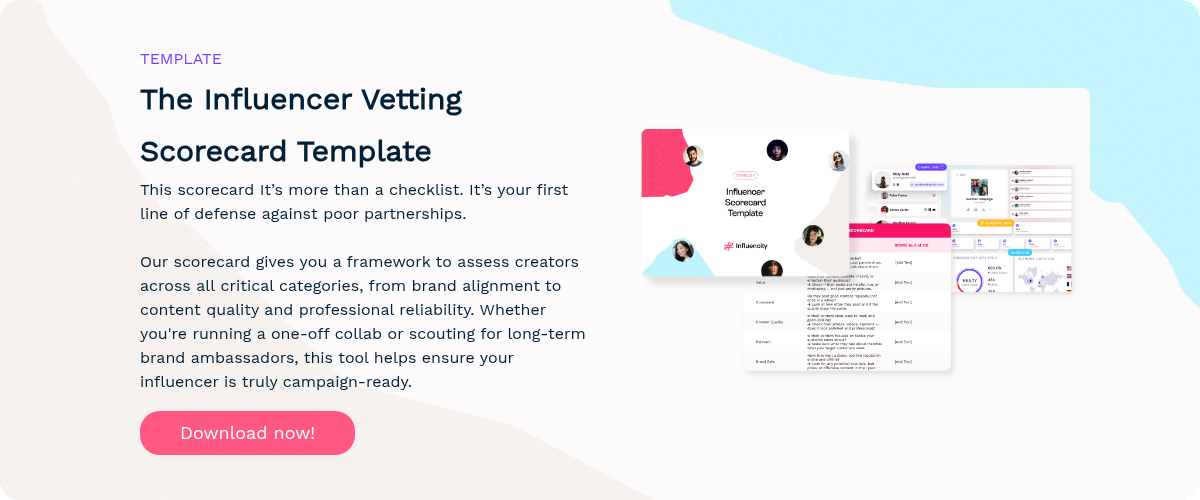
So yes, I recommend chasing early signals. I also recommend vetting thoroughly no matter how you discover a creator. Don’t let excitement do the decision-making.
Quick vetting checks (use today):
This part is not glamorous, but it is how you avoid expensive mistakes and program headaches.

You don’t need secret data to spot these. You just need to watch for patterns.
Some creator waves start as jokes. A character, phrase, or format becomes a running theme. Smaller creators remix it, then other accounts build on it. Comment sections fill with references that assume shared context.
Before anything breaks wide, you can often see a cluster forming: multiple accounts posting similar takes, engagement growing across the cluster, and viewers saying the same things in comments.
This is where social listening earns its keep. The signal is not a single viral post. It is repetition that builds across accounts. Brands that recognize those patterns early can collaborate while the content still feels native to the platform, before creators get flooded with inbound requests.
In some niches, the creator who wins is not the loudest. It is the one people trust.
You will see it when commenters tag them for opinions, ask for their take, or treat them like the “go ask this person” account. That authority often shows up before follower growth does, which is why it can be such a useful early clue.
This is meant to be repeatable, not a one-time hunt. You can do it with any social listening setup, a spreadsheet, and 30 minutes a week.

Brand-name monitoring is useful, but it tends to surface creators after they already know you. Category phrases catch creators earlier.
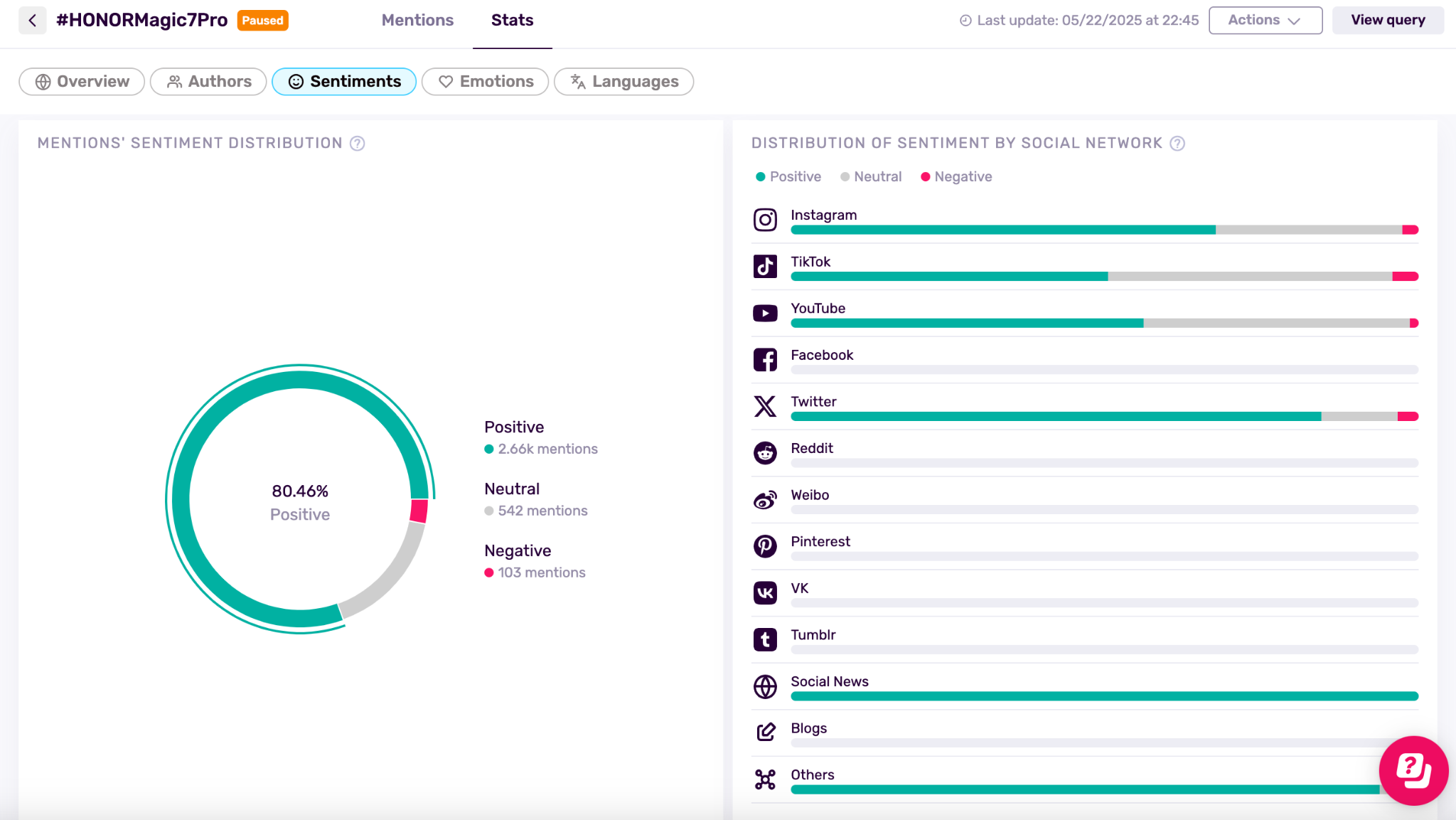
Try phrases people actually search, post, and comment with:
Keep them specific. Specific language gives you cleaner results.
You’re not looking for one viral post. You’re looking for signs of building interest.
Three signals are especially helpful:
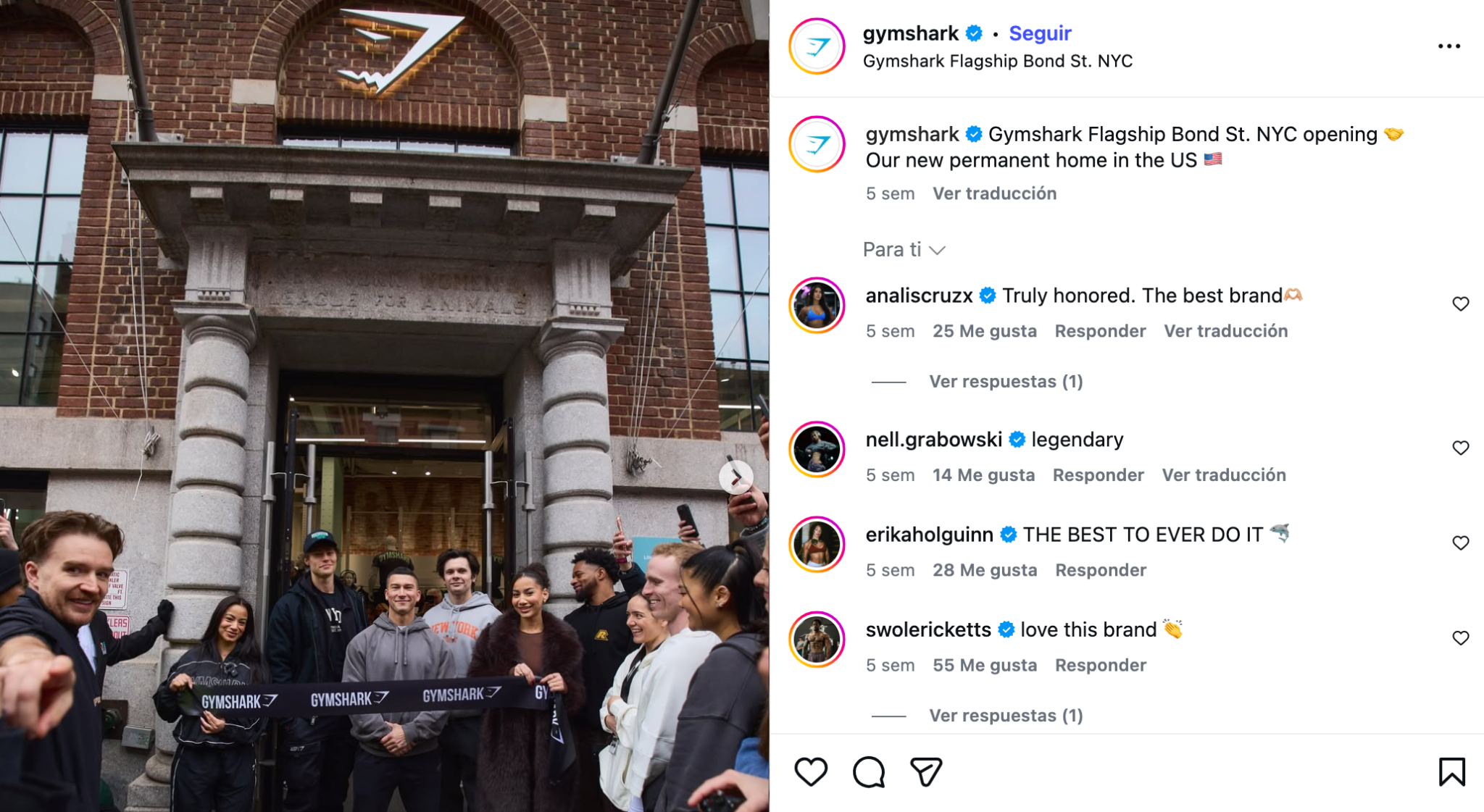
Social listening gives you names. Validation tells you whether to spend budget and time.
Create a shortlist and analyze the top candidates using influencer data like:
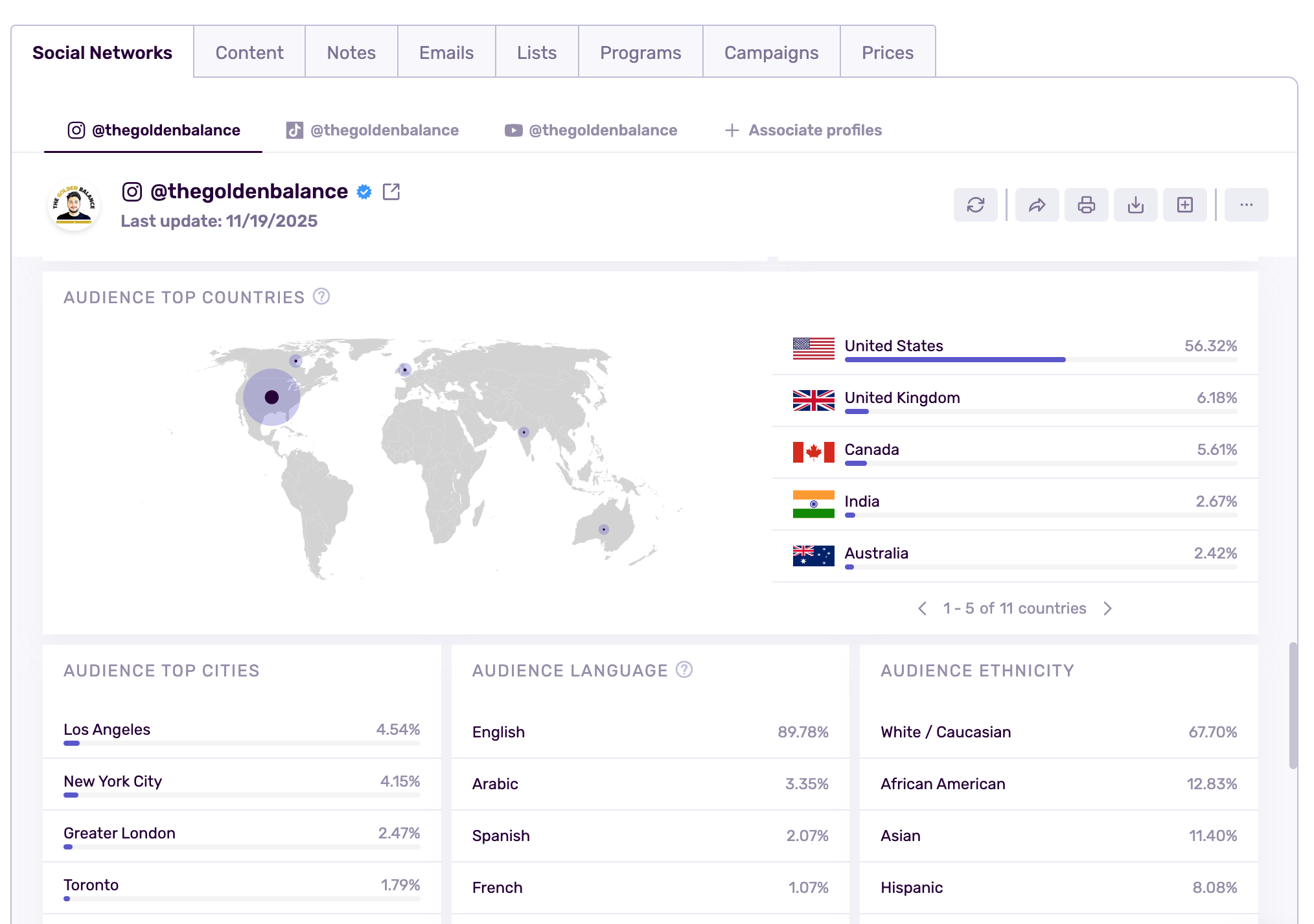
A practical operating rule I suggest: shortlist widely, analyze selectively. Spend deeper analysis time once the early signals repeat for 2 to 3 posts or 1 to 2 weeks.
Early discovery only works if you act while terms are still flexible.
Here’s a simple cadence:

If you’re running this inside Influencity, the steps line up cleanly:
Same workflow, fewer tabs.
IRM is where early discovery becomes a routine instead of a scattered list. Save promising creators while you’re still watching for consistent growth, add a note about why they stood out, and drop them into a simple pipeline like Watchlist → Ready to Contact → In Conversation. The main benefit is boring in the best way: your team doesn’t lose good finds, and you don’t re-vet the same creator three different times.
Do
Don’t

When discovery starts after popularity is obvious, you usually pay more and have fewer options. When discovery starts at the conversation stage, you often get better terms and more room to build a relationship.
The difference is the order you follow: listen first, validate second, organize and track third, then reach out.
Finding the right influencer is often misconstrued as luck. In reality, it is timing plus a routine.
Social listening helps you see conversations while they are still forming. Influencer data helps you confirm whether a creator is a fit. Relationship management helps you stay organized so your team can move while collaboration is still affordable and flexible.
If you want to work with rising creators before the market gets crowded, build a simple weekly habit: listen, shortlist, vet, validate, and keep a short list you track over time.
An underpriced influencer is not cheap. It’s a creator whose audience response and momentum are growing faster than their current rates reflect. You often see strong engagement, repeat commenters, and purchase-intent questions before follower count or pricing catches up.
Social listening surfaces conversation patterns before popularity becomes obvious. By tracking repeated mentions, shared formats, and who people are talking about, teams can spot creators gaining traction before follower spikes, brand outreach, or rate increases happen.
Follower count matters, but it’s usually a late signal when you’re trying to catch creators early. For up-and-coming creators, look for momentum indicators first: engagement velocity (reactions rising across several posts), higher-quality comments (real questions, not generic hype), intent language (“link?” “what is that called?”), and repeat viewers showing up week after week. These clues often appear before follower growth catches up.
Yes. The workflow is tool-agnostic. You can run it with any social listening setup, native platform search, or even manual tracking. Influencity simply helps centralize listening, validation, and organization, but the discovery principles work regardless of platform.







%20and%20How%20Can%20They%20Benefit%20Your%20Brand%20article.jpg?length=628&name=What%20Are%20Key%20Opinion%20Leaders%20(KOL)%20and%20How%20Can%20They%20Benefit%20Your%20Brand%20article.jpg)







.png?length=628&name=Pop-up%20image%201200%C3%97800@1x%20(1).png)