


The contemporary publishing sector treats attention as a tradable commodity, yet the prevailing mechanisms for capturing that attention remain fundamentally antiquated. In an era where a thirty-second vertical video can dismantle supply chains and empty bookstore shelves overnight, traditional marketing tactics are rapidly losing their efficacy. The gatekeeping architecture of the literary world, once dominated by elite critical reviews and physical retail placement, has been entirely bypassed by decentralized, community-driven discovery engines like BookTok and Bookstagram.
However, as agencies and publishing houses rush to capitalise on the creator economy, a dangerous oversimplification has taken root. The reliance on mass product gifting. Distributing hundreds of advance review copies (ARCs or galleys) into the digital ether and hoping for a viral spark is the marketing equivalent of throwing paper airplanes into a hurricane. It lacks structure, lacks narrative, and most importantly, lacks systemic predictability.
To translate the complex dynamics of literary marketing into a system that buyers and readers intrinsically trust, the strategy must evolve from transactional distribution to episodic storytelling.
The readalong campaign acts as this evolutionary leap. A readalong is a meticulously choreographed, multi-week narrative event that transforms isolated influencers into community hosts. Through replacing the spray and pray gifting model with a structured readalong ecosystem, brands can architect anticipation, sustain algorithmic relevance, and generate undeniable commercial momentum.
Before building the readalong framework, it is key to understand the structural failures of the legacy system it replaces. Product seeding, the practice of mailing free books to influencers in exchange for potential exposure, remains a staple in the modern marketer's toolkit. The appeal is obvious, the out-of-pocket expenditure is restricted to the cost of goods sold (COGS) and physical shipping. On paper, the return on investment (ROI) appears pristine.
The reality, however, paints a much bleaker picture of the trust economy. Recent data reveals that while 94% of marketers send free products to influencers, fewer than one in five (19%) achieve any meaningful brand advocacy in return. Brands are shoveling millions of dollars' worth of inventory into a void, overwhelming creators with irrelevant products and actively eroding the authenticity that made the channel powerful in the first place.
The gifting model collapses under the weight of its own operational demands. When an agency attempts to scale a gifting program to fifty or one hundred packages monthly, the initiative rapidly deteriorates into a logistical nightmare of missing tracking numbers, unanswered direct messages, and mismatched deliverables.
Furthermore, any creator possessing a highly engaged audience that actually drives retail conversions will not accept gifting-only arrangements unless the title is exceptionally anticipated or deeply relevant to their hyper-niche.
Through relying exclusively on uncompensated gifting, agencies are essentially demanding that high-tier creators perform spec work. Consequently, the influencers who consistently accept gifting-only deals are often those whose audiences possess negligible commercial value.
A standard gifted post, typically a static image of the book cover accompanied by a brief caption, suffers from severe algorithmic limitations. It provides a fleeting 24 to 48 hours of visibility in a follower's feed. Social platforms today prioritise retention, active engagement, and storytelling-focused videos. The algorithm is a hungry entity; a single static image is a mere snack, whereas a multi-week readalong is a sustained banquet.

Gifting cannot engineer a coordinated, high-impact cultural moment across fifteen major creators simultaneously. For coordinated product launches where timing, messaging consistency, and guaranteed deliverables are paramount, uncompensated gifting represents an unacceptable operational risk.
If product gifting is a one-night stand, the readalong is a committed, slow-burn romance. A readalong campaign shifts the influencer's role from a passive reviewer to an active community facilitator. The influencer invites their audience to consume the book concurrently, pacing the narrative over several weeks and establishing multiple, highly engaging touchpoints.
This methodology operates as a compounding growth loop. The strategy leverages the core psychological hooks of digital communities: the fear of missing out (FOMO), the deep-seated human desire for communal discourse, and the inherent tension of an unfolding story.
The growth loop of a readalong functions through recursive community engagement. As the influencer posts weekly updates, their audience actively participates in the comments section, debating plot twists, sharing theories, and asking for pacing checks. This sustained, high-quality interaction signals profound relevance to the platform's algorithm. The algorithm responds by pushing the content to lookalike audiences on the Explore page or the For You feed, thereby capturing the attention of non-followers.
These new users, intrigued by the highly active discourse, are compelled to purchase the book to join the conversation, subsequently adding their own engagement to the loop. This creates a flywheel effect that a single, static gifting post could never achieve.
The multi-week commitment ensures the book's visual identity becomes a familiar, recognisable presence across the influencer's grid, Stories, and Reels. This repeated exposure is critical for brand recall and eventual conversion.
Unlike a monologue review, readalongs are deeply conversational. By utilizing tools like Instagram Story polls, countdown stickers, and Ask-Me-Anything (AMA) modules, the creator fosters a parasocial bond that translates directly into robust sales momentum.
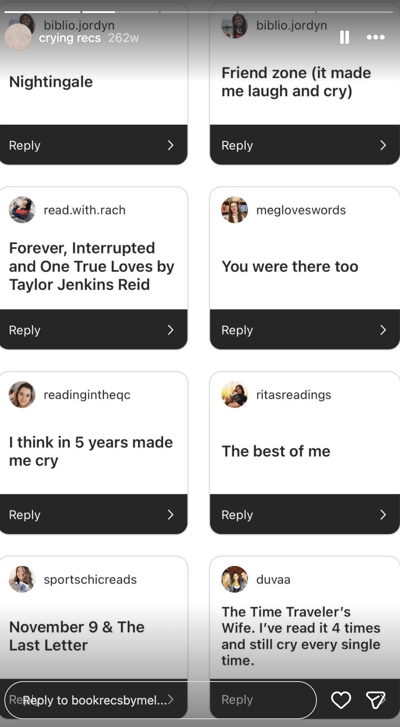
As followers participate, they generate a massive volume of user-generated content (UGC). Agencies can aggregate these real-time reactions, aesthetically staged photos, and emotional reviews to build an expansive repository of social proof, which can later be deployed in paid advertising or retail metadata.
A system is only as strong as the components that power it. The execution of a high-impact readalong begins with precise, data-driven influencer casting. The traditional methodology, manually scrolling through the #Bookstagram hashtag and blasting identical, cold direct messages, is entirely obsolete. In an ecosystem diluted by algorithmic manipulation and engagement pods, a high follower count is a vanity metric that offers zero guarantee of commercial conversion.

To build a readalong that feels inevitable, agencies must vet creators for true narrative authority.
The foundational metric for a viable readalong host is a sustained engagement rate of 3% to 6%, calculated specifically on their literature-focused content. However, quantitative data must be rigorously cross-referenced with qualitative behavioral analysis. Analysts must scrutinize the comments-to-likes ratio.
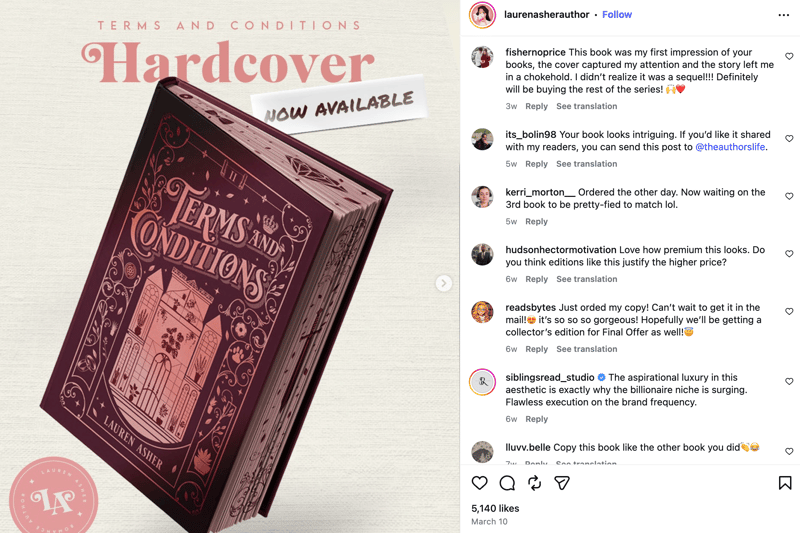
An influencer whose comment section consists entirely of fire emojis or compliments on their outfit possesses no literary authority. True narrative authority is evident when followers leave substantive comments: "Is the magic system fully explained in this volume?" or "The pacing in the second act broke my heart—how did you cope?".
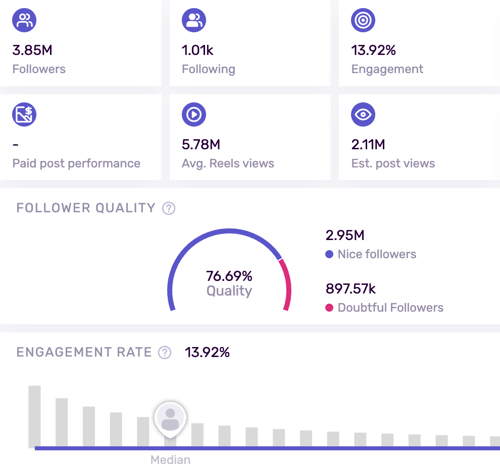
Furthermore, agencies must search for "authenticity signals." These include creators who consistently share unvarnished To-Be-Read (TBR) lists, showcase heavily tabbed and annotated pages, and actively engage in respectful debates within their own comment sections. Creators who utilize novels merely as colorful props for lifestyle photography cannot sustain the intellectual and emotional demands of a four-week deep dive.

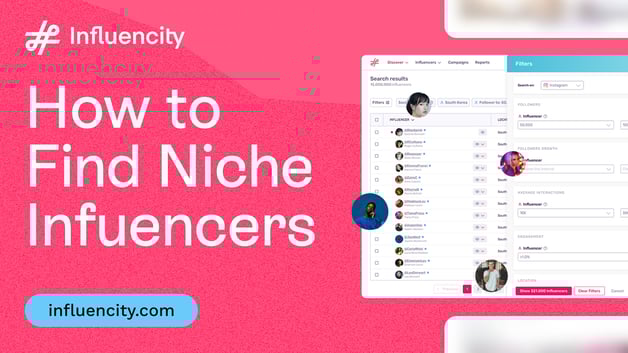
To execute campaigns involving dozens of influencers, leading agencies discard spreadsheets in favor of robust Creator Relationship Management (CRM) platforms. These unified systems aggregate millions of indexed profiles, allowing marketers to instantly filter prospects based on hyper-specific criteria, geographic location, audience demographics, email availability, and the critical 3-6% engagement benchmark.
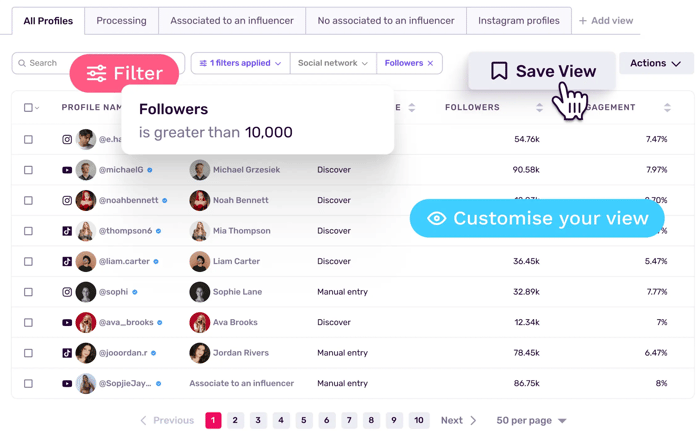
Advanced CRM features, such as AI-powered lookalike generation, handle the heavy lifting of scaling. Once an agency identifies ten creators who perfectly embody the aesthetic and tone of the book, the AI instantly surfaces hundreds of mathematically similar profiles. This reduces the discovery phase from weeks of manual labor to a matter of minutes.
Once the talent pool is isolated, the outreach must be meticulously calibrated. A casting brief is not a demand for labour, it is a collaborative proposition. Influencers receive dozens of pitches daily. If a brief does not immediately communicate clarity, professionalism, and creative opportunity, it will be discarded.
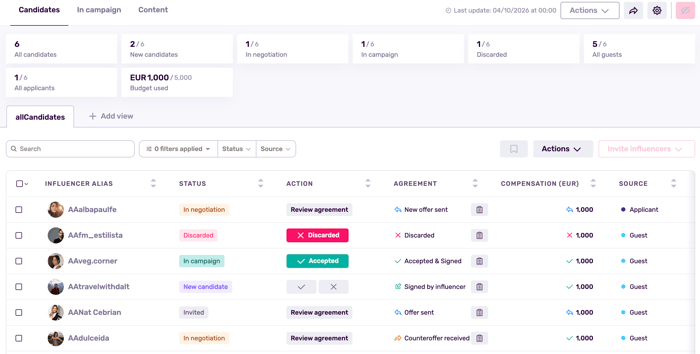
A successful readalong brief translates the complexity of the campaign into an irresistible invitation. It leads with the why, detailing the core themes of the novel, the cultural relevance of the release, and the specific reason that particular creator's voice is required to tell the story. Transparency is non-negotiable. The brief must explicitly define the multi-week timeline, the required deliverables, and the compensation structure.
.png?width=1912&height=885&name=Tables%20(5).png)
Blending gifting for discovery with cash incentives for scale and guaranteed deliverables, agencies mitigate risk while maximizing authentic output.
A readalong is a masterclass in content pacing. It requires a calendar that sustains excitement without exhausting the audience or spoiling the narrative. For complex, synchronised campaigns across multiple creators, social media managers rely on centralized, visual content calendars to map out the exact format, posting time, and storytelling elements for every single asset.
The modern Bookstagram scene demands a rigorous publishing cadence to remain visible. Influencers must typically produce 3 grid posts, 8 to 10 Instagram Stories, and 4 to 7 Reels per week to feed the algorithm. Adapting this sheer volume into a cohesive, month-long book campaign requires strategic batching and repurposing. The demand for dynamic video assets is so acute that major publishers treat short-form video as a prerequisite, demanding book trailers and teaser clips long before the physical ARCs are mailed.
The following playbook outlines the precise architectural execution of a four-week readalong.
Before the readalong officially begins, the foundation must be laid. The objective here is to build a waitlist mentality. The influencer receives the ARC or final physical copy in advance.
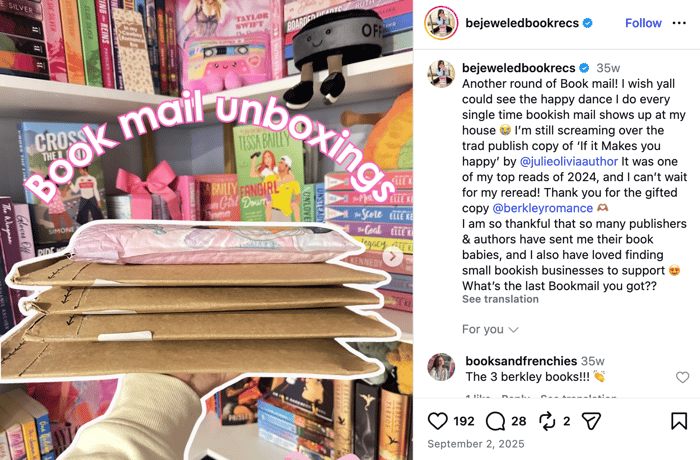
The first official week is designed to secure audience commitment. The influencer formally announces the readalong, acting as the ultimate hype generator. The visual language must instantly establish the genre's atmosphere, dark, brooding lighting for a psychological thriller, or bright, sunlit pastels for a contemporary romance.
The Anchor Post (Grid Carousel): A multi-slide post that serves as the campaign hub. It details the official reading schedule (e.g., Chapters 1-10 this week), outlines the core premise without spoilers, and provides explicit instructions on how followers can acquire the book to participate.
The Hook (Instagram Reel): A short, 15-to-30-second video utilizing a visceral emotional hook. For instance, "The plot twist at page 250 wrecked me, and I refuse to suffer alone. Join my readalong so we can process this together."
As the community dives into the text, the content pivots from promotional to highly conversational. The influencer's role mimics that of a local book club leader, guiding the discussion and validating the audience's early theories.
Atmospheric Staging (Reels/TikTok): The creation of aesthetic mood boards, videos that pair images and trending audio tracks to evoke the exact atmospheric setting of the novel.

The Process (Instagram Stories): The influencer shares raw, behind-the-scenes glimpses of their reading process. This includes uploading quick, unpolished videos reacting to specific chapters, or sharing photographs of their heavily annotated pages.
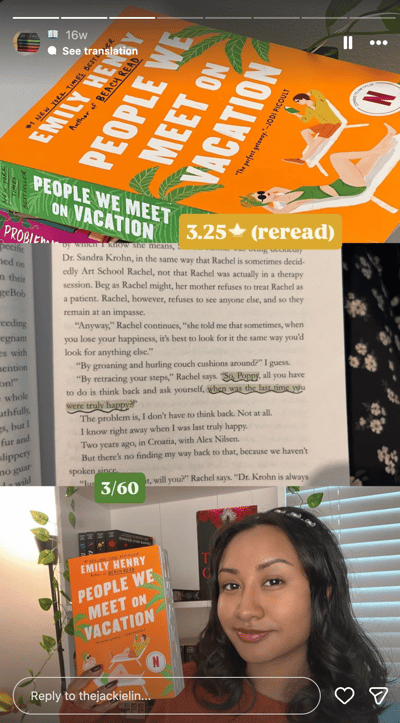
The Mid-Week Check-In (Grid Post): A static image or carousel explicitly asking the community for their first impressions. The caption serves as a moderated forum for character analysis and early predictions.
The third week typically aligns with the narrative climax or the midpoint twist of the novel. The content must reflect this escalating emotional intensity while maintaining a strict embargo on spoilers.
The final week synthesises the emotional journey into a definitive critical consensus. This is the moment where narrative authority translates directly into pipeline and revenue.
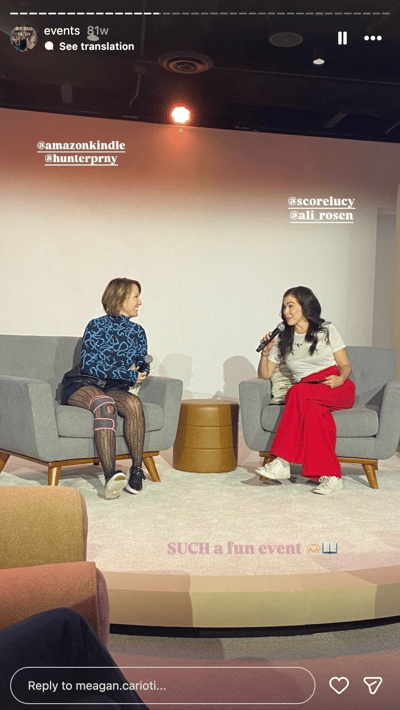
UGC Amplification (Stories): The host aggressively shares the best reactions, aesthetic photos, and mini-reviews generated by their followers. This leverages the psychology of social proof, demonstrating to hesitant buyers that the book is a verified cultural moment.

Author Integration (Collab Post): If the budget permits, the publisher facilitates a joint Instagram Live or Collab post featuring both the influencer and the author, creating a powerful finale that bridges the gap between creator and consumer.
.png?width=1842&height=1015&name=Tables%20(6).png)
Executing a single readalong with a highly professional creator is a relatively straightforward exercise in relationship management. However, executing a synchronised readalong across twenty or thirty creators simultaneously requires enterprise-grade operational infrastructure.
For agencies and brands, the operational breaking point typically arrives when attempting to manage 10 to 15 simultaneous partnerships. At this volume, attempting to orchestrate campaigns via fragmented spreadsheets and scattered Instagram direct messages leads to catastrophic failure. When a marketing team spends 60% of their operational capacity on logistics, tracking shipping, chasing deliverables, and processing payments, the creative strategy suffocates.
To turn the complexity of influencer marketing into a streamlined system, agencies must adopt comprehensive digital workflows that govern ideation, execution, and analysis.
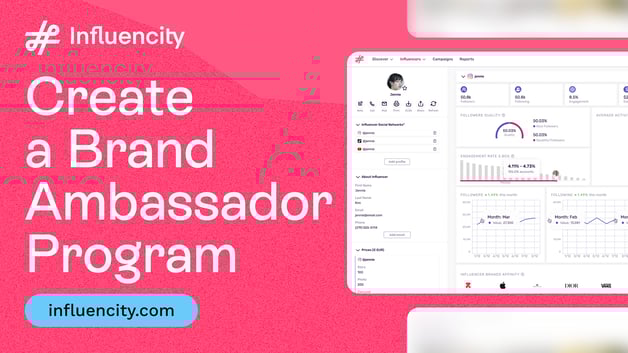
The foundation of modern agency operations is the integration of a centralized CRM built specifically for the creator economy. Platforms that offer a unified Relations tab act as the nervous system of the campaign.
These hubs provide a single, actionable dashboard where account managers can track the granular pipeline status of every influencer, from the initial casting brief to contract negotiation, product shipment, and final content approval.
This centralisation is not merely a convenience, it is a vital risk-mitigation strategy. It ensures that no follow-ups slip through the cracks and that teams can transition seamlessly between tasks without losing contextual history.
To scale a readalong campaign, the CRM must integrate seamlessly with the brand's existing tech stack. A siloed workflow is a broken workflow.
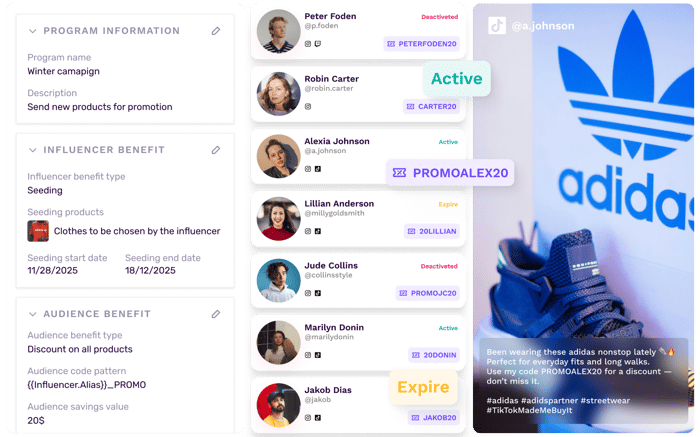
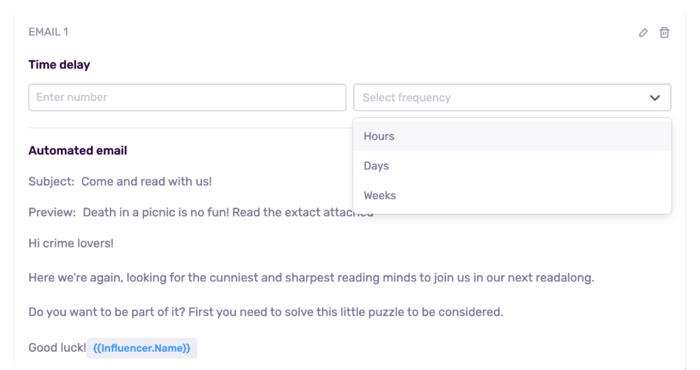
The initial recruitment phase of a massive readalong is notoriously labour-intensive. Agencies leverage sophisticated automation to contact hundreds of influencers while maintaining the illusion of bespoke, one-to-one communication.
Rather than copy-pasting generic messages, modern workflows use Spintax (spinning syntax). This technology automatically generates subtle variations in the outreach copy, swapping greetings, synonyms, and sign-offs, so that no two emails are identical.
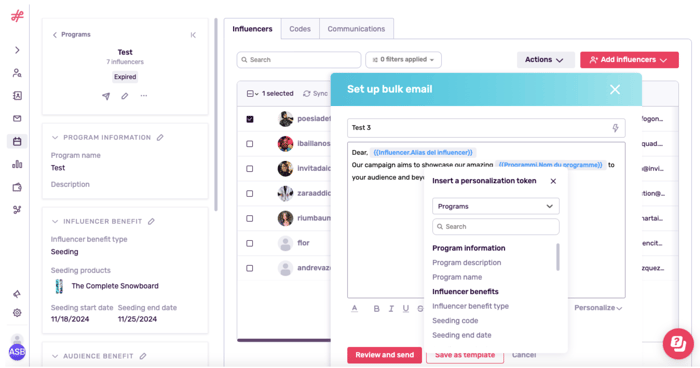
Furthermore, the platform's sending algorithm mimics human behaviour, spacing out the dispatches throughout the day to bypass spam filters. When combined with dynamic custom fields (inserting the creator's first name and referencing a specific recent post), agencies can achieve astonishing open rates of 80% to 90%.
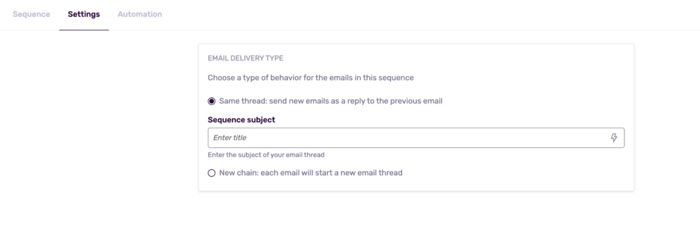
Crucially, the system automates the follow-up process. Successful agencies understand that the fortune is in the follow-up; automated sequences deploy 3 to 4 natural-sounding reminders if the initial outreach goes unanswered, capturing valuable partnerships that would otherwise be lost to inbox fatigue.
The ultimate viability of any marketing system is determined by its measurable impact on revenue and long-term brand equity. For years, the influencer marketing industry was plagued by ambiguous metrics, relying heavily on Earned Media Value (EMV), a theoretical calculation estimating what the organic exposure would have cost if purchased as traditional advertising.

While EMV provides a useful top-line indicator of brand awareness, treating it as a substitute for actual conversion data is a massive strategic error.
Today, marketing executives demand absolute accountability. The transition from a chaotic gifting model to a structured readalong campaign must be justified by rigorous financial modeling. Agencies must deploy a multi-layered attribution approach to capture the full spectrum of a campaign's impact, tracking the user journey from a Bookstagram Reel directly to the retail checkout.
To definitively prove the ROI of a readalong, brands must implement a robust, interlocking technological framework:
1. Unique Affiliate Systems: Every influencer hosting a readalong must be equipped with bespoke affiliate links and unique promo codes. This ensures that direct, bottom-of-the-funnel sales are attributed to the specific creator who drove them, enabling precise calculation of Cost Per Acquisition (CPA).
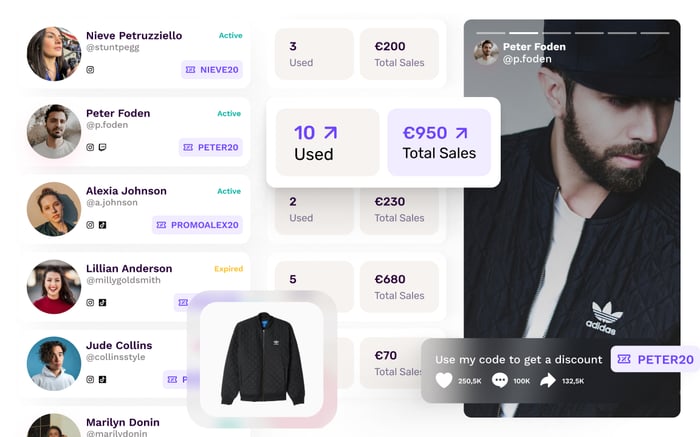
2. UTM Parameters and Pixel Tracking: All outbound links must be tagged with UTM parameters to feed clean, actionable data into Google Analytics. Furthermore, pixel tracking is essential for measuring post-view attribution and facilitating advanced retargeting. A reader may watch a Bookstagram Reel on a Tuesday but wait until their payday on Friday to purchase the book. Pixel tracking ensures the initial influencer touchpoint receives the appropriate attribution.
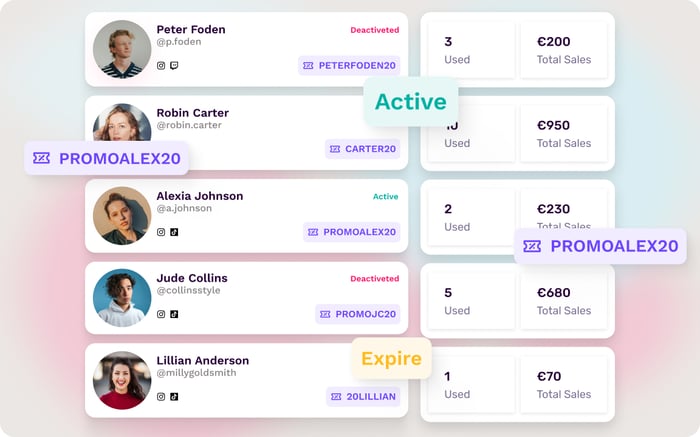
3. Brand Search Lift (The Halo Effect): A successful, synchronised readalong generates a massive surge in word-of-mouth momentum that cannot be captured entirely by direct affiliate links. Agencies must measure the halo effect, the corresponding spike in organic search volume for the book's title or the author's name across Google and Amazon during the four-week campaign window.
The foundational formula for calculating Influencer ROI is unyielding:
.png?width=600&height=94&name=Resources%20(1).png)
However, the integrity of this calculation depends entirely on the variables injected into it.
To calculate true ROI, the Total Campaign Costs must be exhaustive. This figure cannot simply reflect the influencer's flat fee. It must encompass:
When an agency runs these comprehensive numbers, the data overwhelmingly supports the readalong model over standard gifting. While an optimized gifting program may yield an ROI of $7.25 per dollar invested, campaigns that blend product seeding with structured, performance-based compensation, the exact model utilized in readalong, —achieve an ROI of $14.20 per dollar, representing the highest recorded efficiency in the sector.
.png?width=1920&height=1080&name=Tables%20(7).png)
The fundamental shift from transactional gifting to episodic readalongs inherently favors a long-term partnership strategy. Industry data strongly corroborates this approach, 63% of brands now prioritise sustained collaborations over one-time, transient engagements.
.png?width=300&height=250&name=Graphs%20(7).png)
When an agency repeatedly partners with a high-performing Bookstagrammer, they unlock massive economies of scale. The onboarding friction is eradicated, operational workflows are streamlined, and cost-efficiencies are realized. More importantly, the creator’s audience develops a compounding trust in the brand's recommendations. Repeated exposure breeds familiarity, and familiarity breeds conversion.
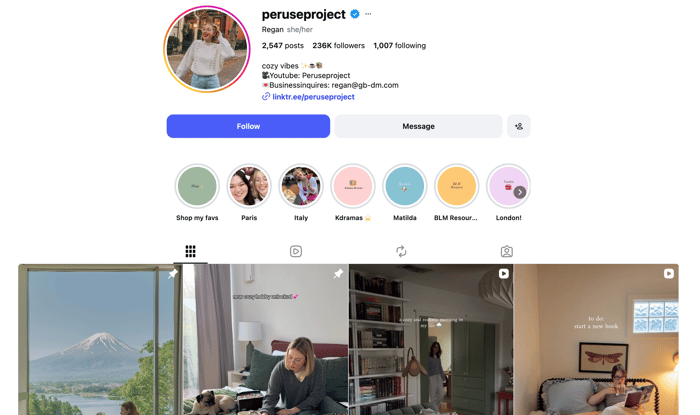
This sustained trust directly elevates the Customer Lifetime Value (CLV). Readers acquired through a deeply immersive, four-week readalong campaign do not merely purchase a single book; they are inducted into an ecosystem. They are significantly more likely to pre-order the author's next release, purchase backlist titles, and remain loyal to the publishing imprint.
Through focusing on architecting sustained influencer communities rather than executing isolated, chaotic gifting transactions, agencies build predictable, highly profitable revenue pipelines that are entirely insulated from the volatility of algorithmic shifts.
The mechanics of book marketing have been permanently altered. The initial novelty of Bookstagram allowed brands to achieve massive, cheap visibility by simply flooding the market with free products. But as the digital ecosystem has matured and algorithms have evolved to reward sustained retention over fleeting aesthetics, the fundamental flaws of uncoordinated product seeding have been exposed. Managing a high-volume gifting program introduces severe logistical friction, engenders deep creator fatigue, and ultimately yields an unpredictable and inefficient return on investment.
To generate the kind of momentum that moves a title onto the bestseller lists, the strategy must prioritize narrative over noise. The synchronized readalong provides this framework. Thanks to transforming a static review into a four-week cultural event, readalongs capitalize on the core psychological drivers of the internet: tension, community, and the fear of missing out. They replace a single algorithmic touchpoint with dozens, generating a wealth of user-generated content and undeniable social proof.
Executing this strategy demands that agencies abandon outdated spreadsheets and cold direct messages, embracing the sophisticated architecture of modern Creator Relationship Management platforms. Through vetting creators for authentic narrative authority rather than vanity metrics, and by utilizing automation to streamline the grueling logistics of outreach and fulfillment, marketing teams can reclaim their time to focus on creative strategy.
Ultimately, the transition to the readalong model is a transition toward absolute accountability. Through implementing rigorous, multi-layered attribution tracking, brands can definitively map the user journey from a Bookstagram Reel to a completed retail transaction.
This granular approach to data validates the superior financial efficiency of structured, episodic influencer marketing. In an industry defined by endless options and fragmented attention, the brands that dominate the market will be those that stop throwing books into the void, and instead, build systems that invite readers into a shared story.








%20and%20How%20Can%20They%20Benefit%20Your%20Brand%20article.jpg?length=628&name=What%20Are%20Key%20Opinion%20Leaders%20(KOL)%20and%20How%20Can%20They%20Benefit%20Your%20Brand%20article.jpg)




.png?length=628&name=Pop-up%20image%201200%C3%97800@1x%20(1).png)