

As someone who’s on Instagram a lot, the app is where I discover new things. From memes about a trending topic to Reels showing a new viral makeup product (like the Charlotte Tilbury Hollywood Flawless Filter, for instance). I find out about (almost) everything as I scroll through the app.
But when I’m looking for info to guide my more high-end purchases, like a new phone or a baby swing, I watch in-depth reviews on YouTube and check out what others are saying on Reddit.
And I’m not the only one who does this. People use different social media platforms for different purposes, with some platforms being mostly for discovery while others are more effective at guiding purchase decisions. That’s why leading brands are getting strategic with how they leverage different platforms in their influencer campaigns.
In this post, I give you a detailed breakdown of the role that each social media platform plays in influencer marketing. I also share a few examples of how brands are leveraging different platforms. Let’s get started.
First things first, you need a clear understanding of how each platform can serve your influencer marketing efforts. This will help you figure out which platforms to use and for what, so you can build a platform strategy that delivers results.
No matter how many new platforms have popped up over the years, Instagram still reigns supreme when it comes to visual content. From Reels to carousels to single-image posts, the platform offers plenty of tools for effective brand storytelling. This is where brands and creators alike can engage audiences through intriguing visuals, entertaining Reels, and hilarious memes.
You can see campaigns where influencers take audiences on a visual journey to explore brand experiences , whether it be product tutorials or exclusive events.
I love the following Sephora partnership with Jess Tawil, where the influencer shares her experience shopping at the brand’s stores in a wheelchair. In honor of International Day of Persons with Disabilities, the brand partnered with an influencer who’s openly shared her journey as a paraplegic.
The influencer created a Reel where she shops at a Sephora store while using a wheelchair, highlighting how easy it is to navigate around the store and how helpful the associates are. Showcasing the experience of a real person with disability, the brand was able to tell an impactful visual story of how they prioritize accessibility at their stores.
There’s no denying that TikTok is a place where viral trends originate. That new song that everyone’s using in their Stories and posts? The weird food combo that everyone’s trying out (jam in your coffee, anyone?) That new fashion trend that’s all over your feed? Yep, odds are they all started from TikTok.
So if you’re looking to get maximum exposure, TikTok is where it’s at.
You could start your own trend by getting influencers to promote a branded hashtag challenge. Then encourage as many people as possible to participate and share their own videos with the hashtag. So you can effectively reach other people within their networks and maximize your reach.
Plus, there’s also the added benefit that you’re encouraging user-generated content. This content can then be reused for your brand’s socials and marketing materials.
Nike’s #ShesBallin challenge is one of the best examples of a brand campaign that went viral on TikTok. Timed around the UEFA Women’s Euro 2022, the challenge featured women playing or supporting football and encouraging others to show their on and off the pitch activities.
The campaign went viral, generating over 500k posts in total across TikTok and 3.6 billion views of the hashtag challenge. In fact, it managed to land in the top 20% of all UK ads when it comes to actively involving viewers.
In addition to virality, TikTok also powers purchases. With the platform’s Shop featuring allowing users to buy directly without leaving the app, it’s a great place to drive direct sales. And you don’t even need to drive users to your brand’s TikTok storefront. Creators on the platform can add your products to their TikTok Shop and get their followers to buy from them.
This year’s Black Friday/Cyber Monday numbers prove just how impactful the platform is in driving sales. According to TikTok’s internal data, the 2025 campaign saw nearly 50% more shoppers compared to the previous year. And TikTok Shop saw over $500 million in sales over the four-day shopping period alone.
Instagram may be where I discover new trends and products. But when I’m interested in learning more about a topic – be it a true crime case or a new Netflix show – I go to YouTube. This is where I watch my favorite creators do deep-dives on topics that I want to learn more about. And their unique commentary and creative edits make the topic even more engaging.
For instance, creators like Austin Burke regularly review new Netflix movies and shows. By breaking down the synopsis and adding unique commentary, these creators help to generate a buzz around new content on the streaming platform. Their videos also help guide viewers as they decide whether the show or movie is worth a watch.
YouTube is also where I go when I want to get an in-depth review of a product I’m interested in buying. With creators sharing their honest opinions and experiences, I get to weigh the pros and cons before I decide to buy something. That means money saved on things that aren’t worth the hype.
So it’s the perfect platform for partnering with influencers who can create informative content that will guide people’s buying decisions. Go for long-form tutorials, in-depth reviews, and product demos to inform and educate your target audience.
X usage might have dwindled over the last couple of years, but it’s still where dialogue takes place. From memes to niche jokes, people engage in conversations that reach a relevant community. So it’s a great place to start conversations and nurture an engaged brand community.
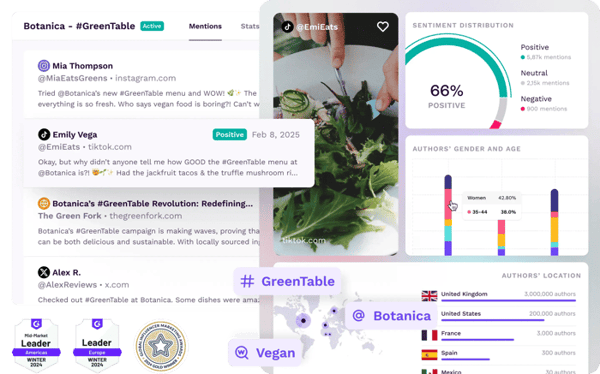
Whether you’re the one starting the dialogue or simply joining in on an existing conversation, you can actively engage with audiences and foster a strong connection. Using tools like Influencity’s Monitoring platform to keep track of brand mentions and relevant brand keywords, and see what people are saying. Then join in on those conversations or use them as inspiration for your community engagement strategy.
For instance, Netflix regularly reposts memes and conversations from fan accounts. They also stay on top of conversations to gauge how people respond to certain movies and shows. This allows them to understand the culture shaped around different fandoms, so they can create relevant memes to resonate with the community.
Pinterest was a godsend for me when I was planning my wedding. From the flowers to the cake to the bouquet, I found a lot of ideas that truly spoke to me.
And just like me, the platform has millions of users who use it to find inspiration – whether it’s for their events, their homes, their passion projects, or their personal style. With curated feeds that closely match each user’s browsing and pinning habits, Pinterest gets your content in front of the right audience.
So it’s an excellent place for driving product discovery, as people come across content that features things that closely match their interests, needs, or aesthetics.
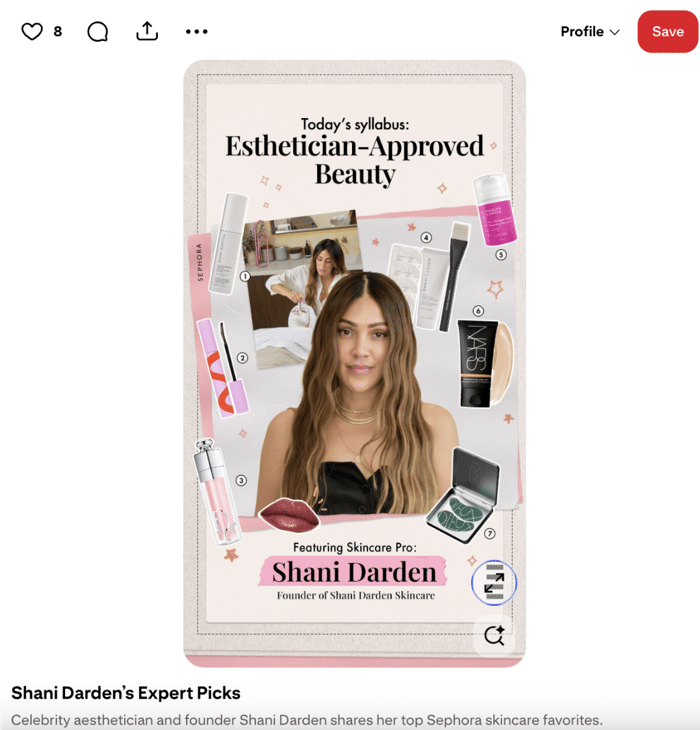
Sephora’s Pinterest strategy perfectly aligns with how people use the platform. Instead of the influencer-generated Reels and product shots they typically use in their cross-platform marketing, they focus on product collages to match Pinterest-style content. They curate products for gift ideas, concern-based roundups, and specific themes to streamline discovery.
They also feature beauty picks from influential estheticians and skincare experts, adding credibility to their recommendations.
Now on to the big question,which platform should you use? While there’s no single correct answer, it’s all about matching your influencer campaign goals to the right platform. Some platforms may be better for driving conversions, while others are mainly for awareness.
With that said, here’s a quick look at some of the top influencer marketing goals and which social media platforms are best to achieve them.
Platform Recommendations:
If your goal is to drive brand awareness, you’ll want to focus on platforms that can help you reach a huge audience quickly. That means using platforms where the algorithm supports content discovery and virality.
TikTok is one of the best platforms for this, as it’s the place where many viral trends take shape. Creator content tends to reach a massive audience once it gains traction on the platform, helping content go viral easily. And Instagram, with its algorithm now recommending relevant content to non-followers, is another good option.
Pinterest could also be a great option for driving brand and product discovery because of its curated feeds. So it plays a role in boosting brand awareness.
Platform Recommendations:
When it comes to driving conversions, you want to focus on platforms where users can get the info they need to make their buying decisions. That’s why YouTube is such an excellent choice for this because the long-form video format can be used to provide in-depth information that people need to make decisions about their purchases.
It serves as valuable middle-of-the-funnel and bottom-of-the-funnel content that guides customers through the buying journey. And with the platform allowing easy product linking, it’s easy to push that final sale once someone reaches a decision.
On that note, you’ll want platforms that deliver a seamless buying experience – going from product discovery to purchase in just a few clicks. Instagram and TikTok give you exactly that, with built-in shopping features that let you tag products to display details like product name and pricing. So people can quickly learn more about a product they’ve just discovered and then go through with a purchase without leaving the platform.
Platform Recommendations:
For brands that want to promote brand advocacy, it’s all about engaging your brand community. Whether you’re encouraging them to create content about your brand or engaging them in relevant niche conversations, you need to foster a strong community of customers who are actively talking about you.
X is a great place for brand-related conversations because it’s where a lot of dialogue happens in real time. As such, it plays an important role in promoting brand advocacy.
Instagram is another obvious choice because it’s where people share user-generated content. Encourage customers to share their experience using a branded hashtag so you can organize the conversation and keep track of any advocacy content. This makes it easy to find UGC that you can repost or even repurpose for other marketing material.
To get an even better idea of how to use different social media platforms in your marketing, let’s look at a few brand examples. Here’s some inspiration for your cross-platform marketing strategy:
While Sephora cross-posts a lot of their short-form video between TikTok and Instagram, they have a starkly different approach for each platform. On TikTok, they focus on entertainment content that matches the content preferences of the platform’s audience and has the potential to go virala. For example, they’ll throw in some humor or try out some viral makeup trend.
On Instagram, the brand’s tone shifts a bit. While they still include a fair share of entertainment content, they mix it up with informative videos. Product swatches, demos, and unboxing videos gain prominence in their feed.
For Nike, their robust cross-platform marketing strategy involves using YouTube to share promo videos and product demos. Their influencer partnerships feature influencers doing in-depth product reviews and explainers. One influencer even shared a long-form video of his tour to the brand’s Research Lab, where he tested some of their secret products.
Meanwhile, on TikTok, the brand leverages challenges to gain virality, with influencers helping build momentum. Challenges like the #NikeAirTechChallenge2, which featured legendary tennis player Andre Agassi, helped the brand to quickly reach a massive audience.
As you can see from the above cross-platform marketing examples, it’s not about putting all your focus on a single platform. Rather, it’s about leveraging the right platform at the right time and building a strategy that taps into the unique advantages of each platform. Make the most of the tips and ideas I shared above to build a successful campaign that balances different platforms.






%20and%20How%20Can%20They%20Benefit%20Your%20Brand%20article.jpg?length=628&name=What%20Are%20Key%20Opinion%20Leaders%20(KOL)%20and%20How%20Can%20They%20Benefit%20Your%20Brand%20article.jpg)



.png?length=628&name=Pop-up%20image%201200%C3%97800@1x%20(1).png)