

If you’ve ever lost an entire weekend to just one more episode, you already understand the power of Netflix’s algorithm. Every recommendation, thumbnail, and “because you watched…” is the result of millions of micro-insights.
Now imagine applying that same level of precision to influencer marketing. That’s what I call The Netflix Method, using analytics not just to report performance but to predict it.
We all know that too many brands still treat social media analytics like postmortems instead of living, breathing campaign engines.
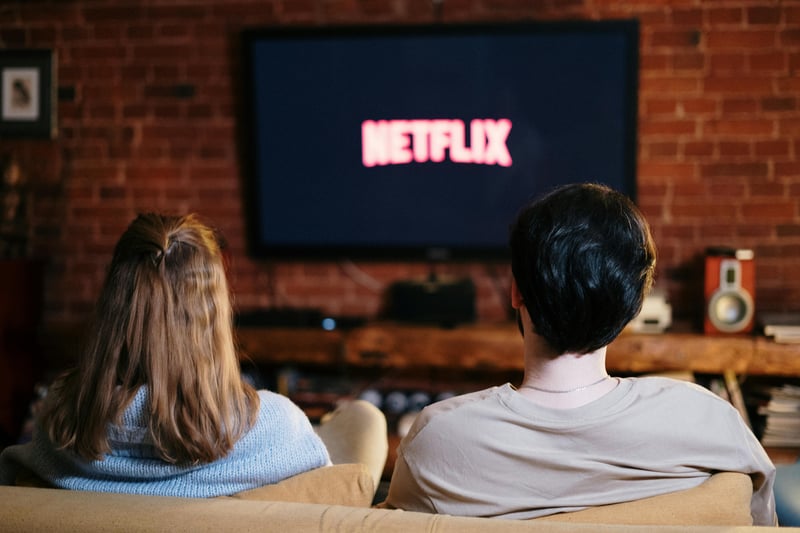
Let’s go back to the “Just one more episode” concept. That moment when Netflix hooks you into watching something you didn’t even plan to is exactly what makes them a marketing powerhouse. And no, it’s not witchcraft. It’s data.
Netflix built a global entertainment based on understanding human behavior better than anyone else. They know what you pause on, when you skip intros, what genres you binge, and even what thumbnail makes you click. According to Netflix’s own data science team, their recommendation engine drives over 80% of all viewing activity. Eighty percent.
So, what does that have to do with influencer marketing? Pretty much everything.
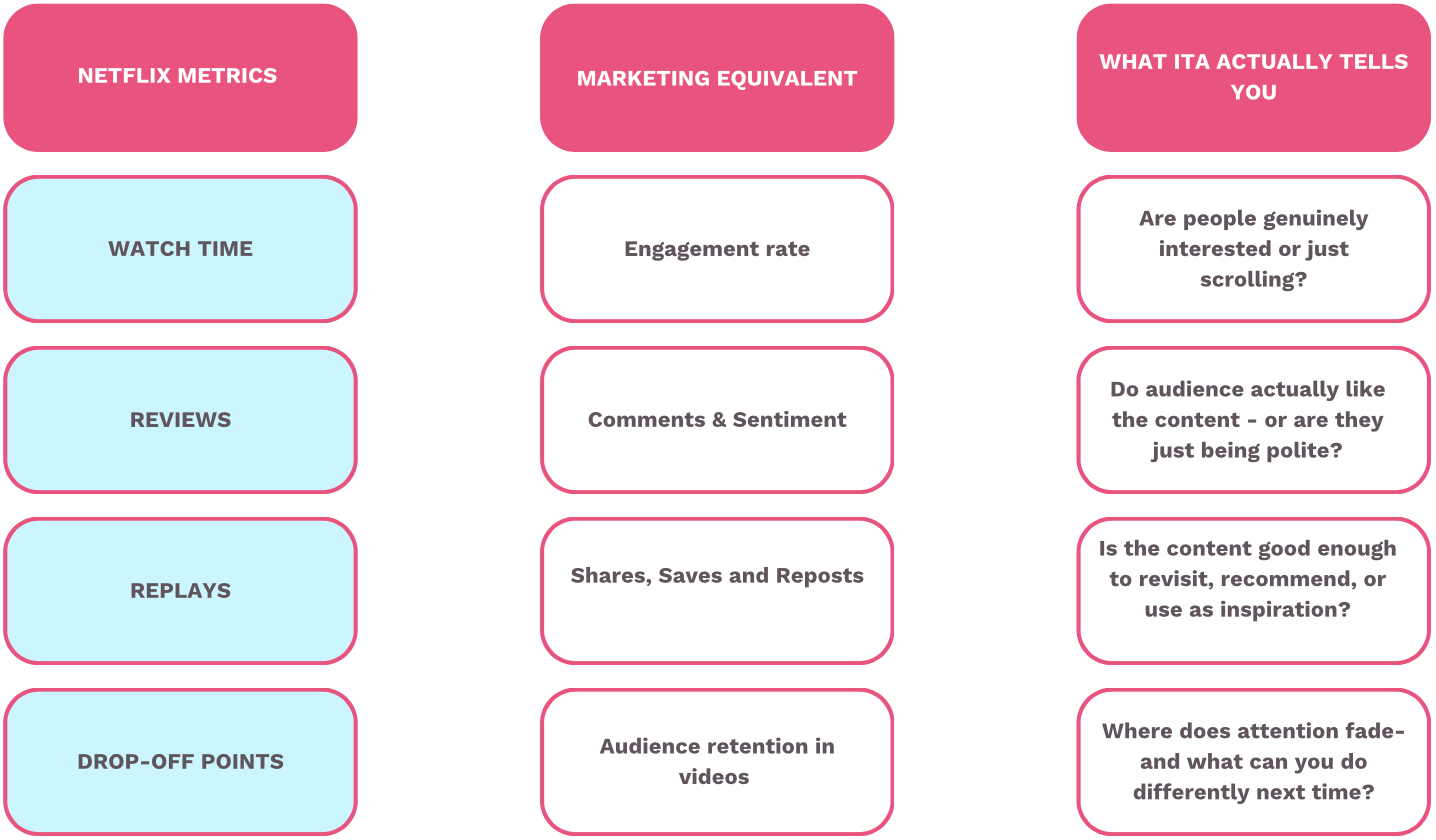
Netflix and influencer marketing run on the same fuel…attention. But here’s where the lesson kicks in: Netflix tracks behaviors. It doesn’t just care about how many people watched, but how they watched.
For example:
In influencer marketing, we can (and should) do the same thing. Instead of fixating on follower counts and like of our industry, we should be studying watch behavior:
That’s how you build what I call the Netflix mindset, creating content that sticks because it’s data-informed, not data-decorated.
Here’s where most brands get analytics wrong: they treat data like a final report card. However, we see how Netflix doesn’t just use data to tell them what happened last quarter. They use it to decide what to make next. That’s the difference between tracking performance and predicting performance.
In influencer marketing, that means:
Pro tip: Treat your campaign data like Netflix treats viewer data, as a story that keeps unfolding. Each campaign should teach you what to do better in the next season (or, in your case, the next collaboration).
When I say we’re all a little bit Netflix, I mean this:
We’re all trying to grab attention, hold it, and turn it into loyalty. The only difference is that Netflix uses algorithms and you can use social media analytics.
Here’s how that looks in practice:
According to HubSpot data, campaigns that use data-driven personalization see up to 20% higher ROI than those that don’t. Yet, over half of marketers admit they still rely on other reasons when choosing creators.
Here’s how I translate Netflix-style analytics into influencer marketing terms.
Here’s where most brands get analytics wrong: they treat data like a final report card. However, we see how Netflix doesn’t just use data to tell them what happened last quarter. They use it to decide what to make next. That’s the difference between tracking performance and predicting performance.
In influencer marketing, that means:
Pro tip: Treat your campaign data like Netflix treats viewer data, as a story that keeps unfolding. Each campaign should teach you what to do better in the next season (or, in your case, the next collaboration).
Let’s say you’re running a TikTok campaign for a travel brand. One creator’s 15-second clip gets 1M views, but the average watch time is only 3 seconds. People drop off before the main destination is revealed. Another creator’s video only gets 400K views, but most viewers watch till the end and comment asking for details. Who do you think actually sold the destination?
The second one obviously because they didn’t just attract views, they sparked interest.
That’s the Netflix difference, not counting views, but understanding why people stay.
Netflix reportedly saves over $1 billion annually through customer retention, all thanks to data-driven recommendations.
When you use social media analytics the same way, you’re doing exactly that for your campaigns:
Pro Tip: Before choosing a creator, study their “watch time” metrics. Tools like Influencity let you see audience interaction depth, story views, and even estimated views per post.
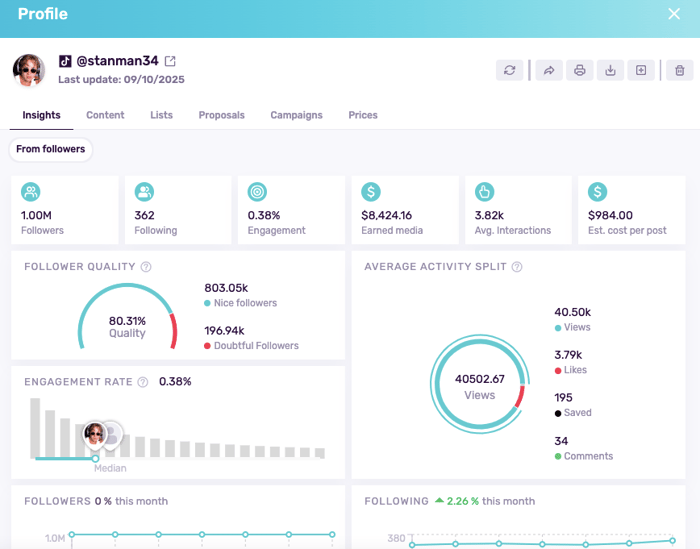
This helps you forecast performance the same way Netflix forecasts show success by betting on behavior.
Clients don’t care about followers; they care about impact. They want to know:
“Will this creator drive sales, awareness, or brand love?”
When you adopt the Netflix mindset, you’re no longer just reporting metrics, you’re explaining audience behavior. You’re saying:
That’s how you shift from being a campaign executor to being a performance strategist.
Likes and follower counts are the social media equivalent of Netflix’s view numbers. They look impressive on the surface — like seeing “2 million people watched this show in its first week” — but they tell you nothing about whether people actually liked it, or if they even made it past the intro.
In other words:
And if you’re in influencer marketing, understanding is everything. Because no matter how “viral” something looks, if it’s not driving behavior, clicks, saves, sign-ups, or sales, it’s just noise.
Metrics like likes, comments, and follower counts are easy to fake or inflate. Bots can like, followers can be bought, and comments can be spammed with emojis. But what you can’t fake is audience connection, and that’s where deeper performance metrics come in.
Let’s break down what actually matters when evaluating influencer performance
Engagement rate alone isn’t enough, what really matters is what’s happening inside it.
Look for signs of real human interaction:
If the comments section looks like a fire emoji factory (“🔥🔥🔥 love this!”), that’s not engagement, that’s wallpaper.
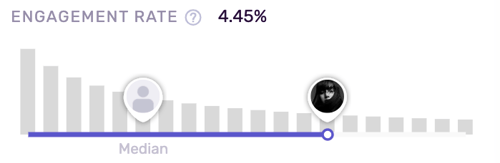
Pro tip: Influencity’s analytics help you identify authentic engagement by flagging suspicious activity or bot-heavy interactions. Because no one wants to pay premium rates for fake love.
This is the biggest hidden gap in influencer marketing. You might hire a creator with 500K followers, but if 80% of their audience lives outside your market or doesn’t match your buyer profile, your campaign is basically shouting into the void.
Audience alignment tells you:
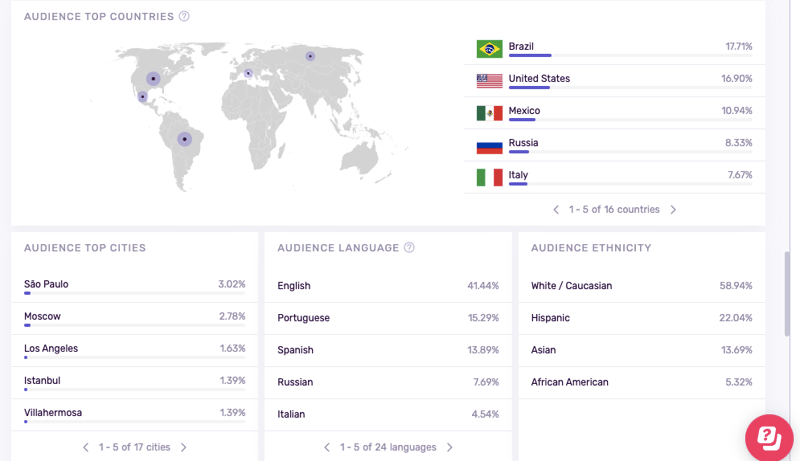
For instance, a fitness brand in Spain once hired a UK-based influencer with amazing content, only to realize later that 70% of her audience was from Brazil. Engagement? High. Conversions? Zero.
Likes are passive; saves and shares are active. If engagement rate is your “play count,” then saves and shares are your replays, proof that your content hit hard enough to resurface later.
Here’s how to spot resonance in analytics:
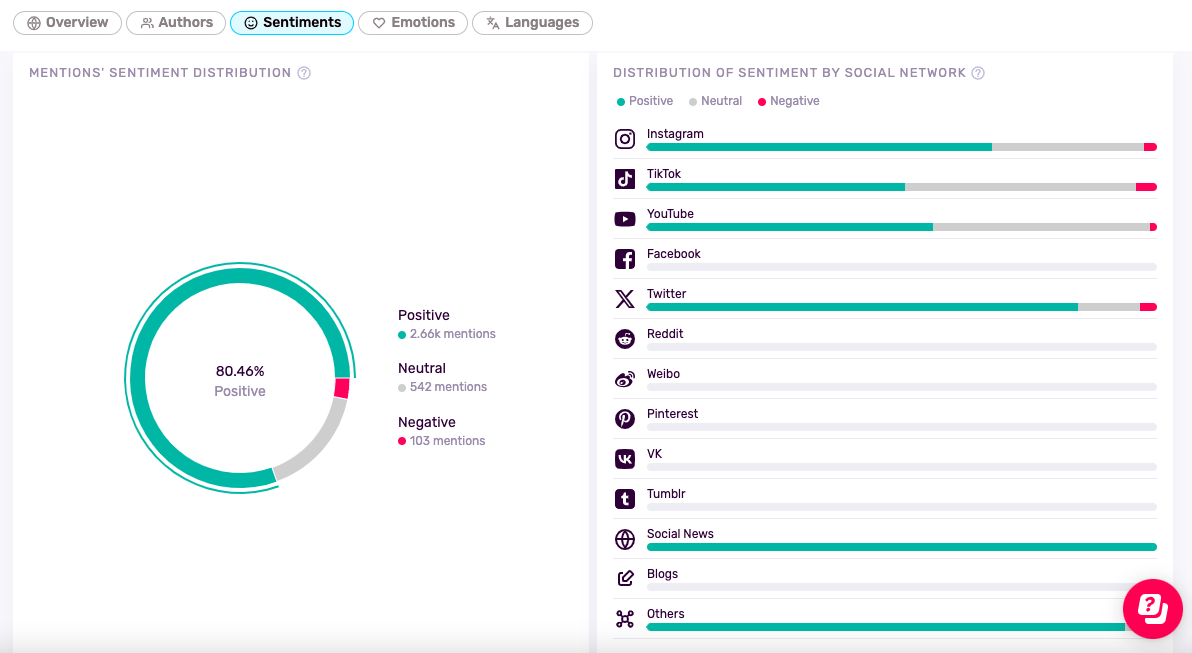
Think of it like Netflix’s rewatch value: if people revisit the content, you’ve done something right.
Now let’s talk money. At the end of the day, every brand wants to know: “Did this campaign actually deliver?”
That’s where ROI metrics come in and it’s not just about sales. It’s about the full spectrum of value, from awareness to conversion.
Use analytics to track:
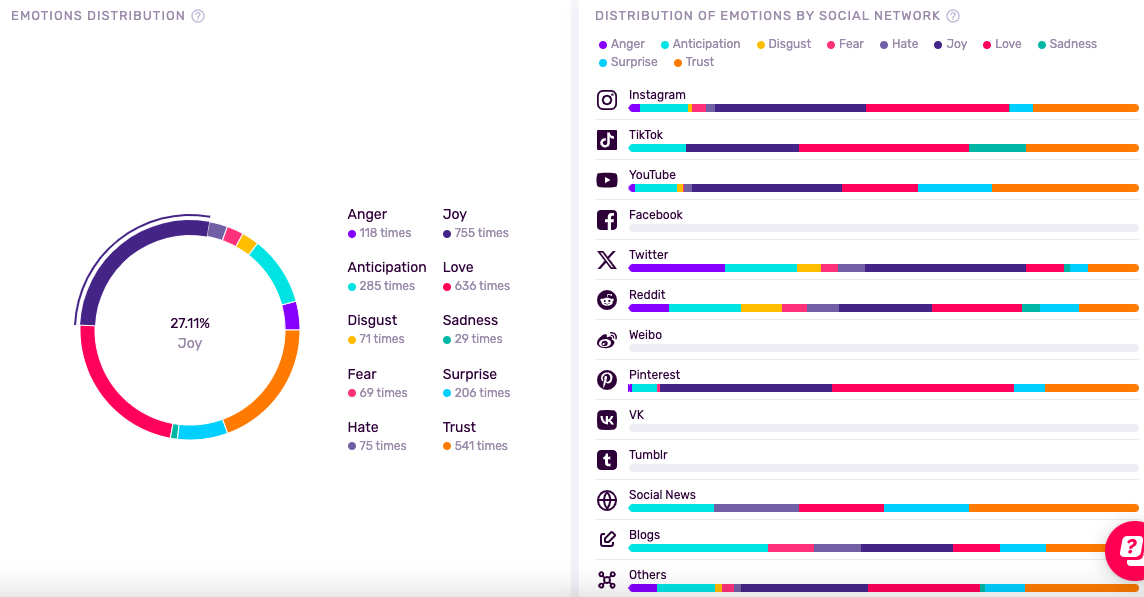
According to Influencer Marketing Hub’s 2024 Benchmark Report, brands earn an average of $5.78 for every $1 spent on influencer marketing, but only when performance is tracked beyond vanity metrics.
Let’s do a quick comparison:
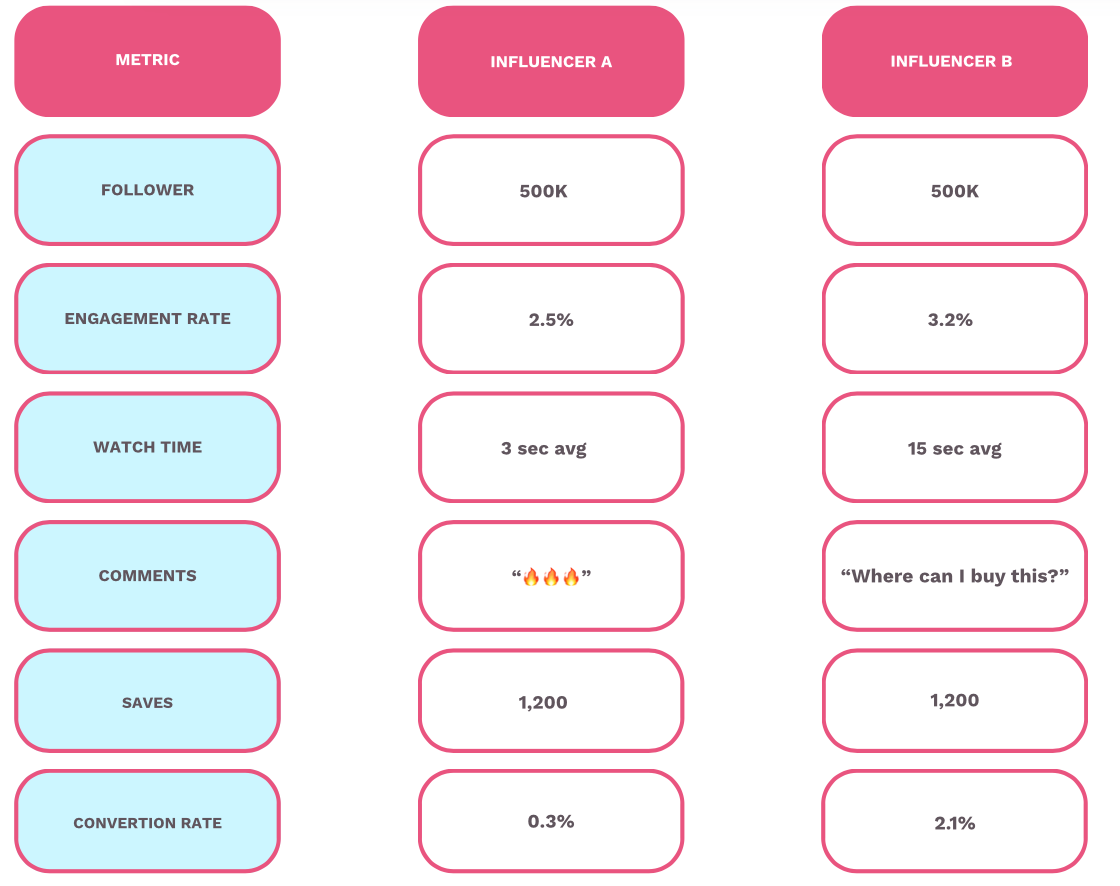
Influencer A looks popular — but Influencer B performs. That’s your “Stranger Things”: not the flashy launch, but the series everyone actually finishes (and talks about for months).
One of my favorite Netflix facts is that when House of Cards was first produced, it wasn’t a wild creative risk, it was a data-backed bet.
Netflix already knew people loved political thrillers, Kevin Spacey (unlike today after all the scandals) and David Fincher-style storytelling. So they combined those insights into one show and dropped it confidently into the queue. The rest is binge-worthy history.
Netflix forecasted through data. And that’s exactly what we can (and should) be doing in influencer marketing.
In the old-school influencer world, brands launched campaigns hoping something would click. Today, there’s no need to hope, we have the tools to know before we spend. Predictive analytics lets you answer the question:
“Which creator, content type, or message is most likely to deliver results — before I even sign the deal?”
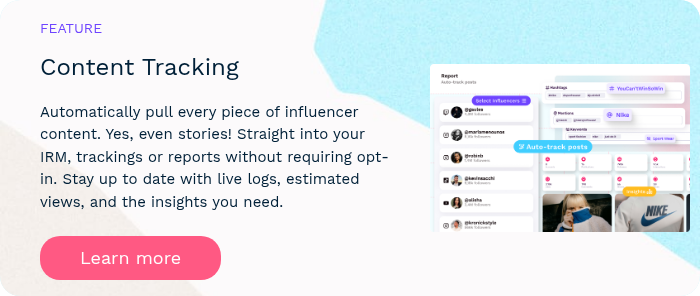
And that’s where Influencity’s content tracking and analytics come in.
Just like Netflix studies watch patterns, you can use data to forecast how your campaigns will perform. Here’s how I break it down:
Before committing to a creator, you can already get an idea of how their content performs. Influencity estimates views and engagement potential based on historical averages, no need to chase screenshots or manual reports.
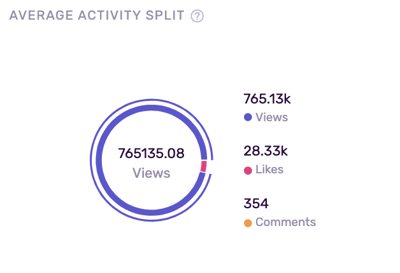
Think of it like a trailer performance test: if a creator’s average reel hits 50K views organically, you can predict reach and ROI before a single post goes live.
Netflix never recommends two shows to you that are exactly the same, because that’s redundant. Likewise, when you’re managing multi-influencer campaigns, audience overlap helps you spot creators who reach the same followers, so you can diversify your audience reach instead of wasting impressions.
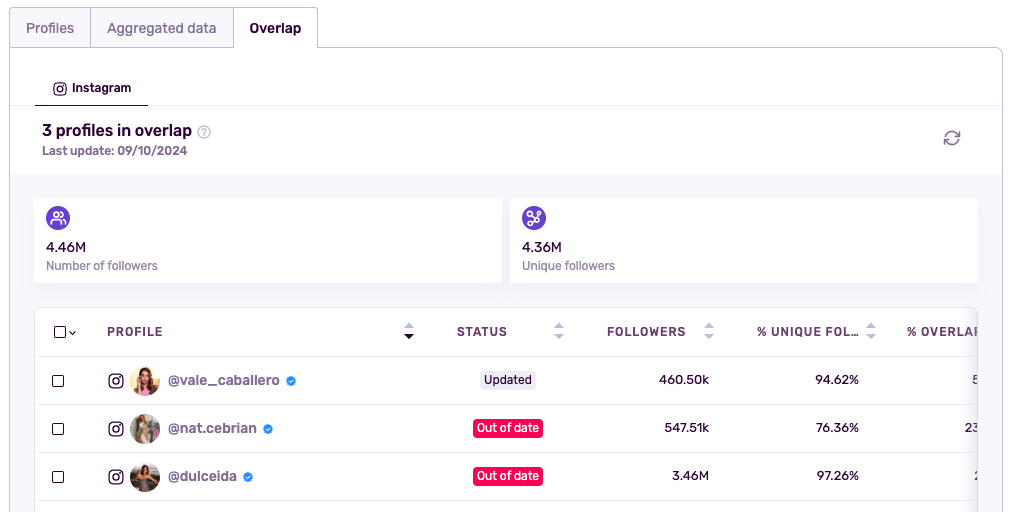
Pro tip: If you’re working with 10 influencers and 6 of them share 40% of the same audience, you’re paying six times for the same eyeballs. Swap a few for new niches and you’ll expand your brand’s reach instantly.
Netflix knows that certain storylines or genres always perform and you can do the same by tracking your past influencer campaigns. Use Influencity’s data to spot patterns:
If your last beauty campaign saw better conversions from mid-tier TikTok creators than celebrity Instagrammers, that’s not a coincidence
Before Netflix renews a series, they test audience reactions. You can do the same with content testing, running small-scale influencer activations to gauge performance before scaling up.
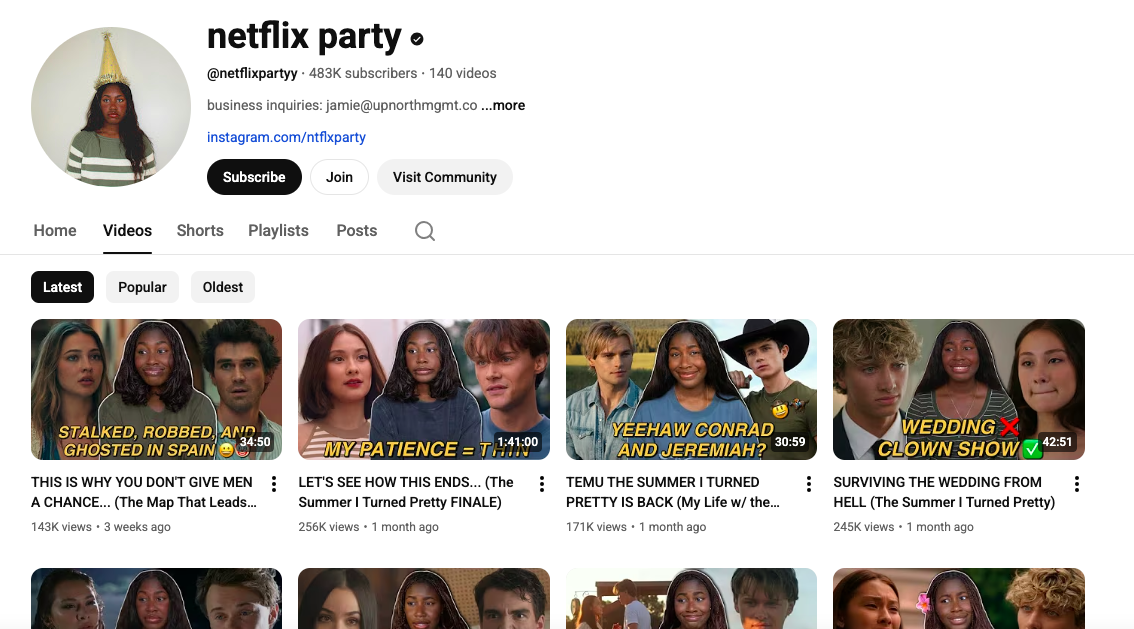
Here’s how:
Think of it as your “pilot season.” Instead of guessing what show (or influencer) will work, you test first, invest later, and build campaigns that already have proof of concept.
When you combine Influencity’s content tracking, analytics, and AI insights, you stop reacting to campaign results and start predicting them.
That means:
You’ll be building campaigns with Netflix precision, guided by audience data, optimized by engagement patterns, and validated before launch.
If you’re managing multiple clients or campaigns, predictive analytics is your best time-saver. Instead of spending hours analyzing spreadsheets post-launch, you can use pre-campaign insights to forecast outcomes and pitch strategies confidently.
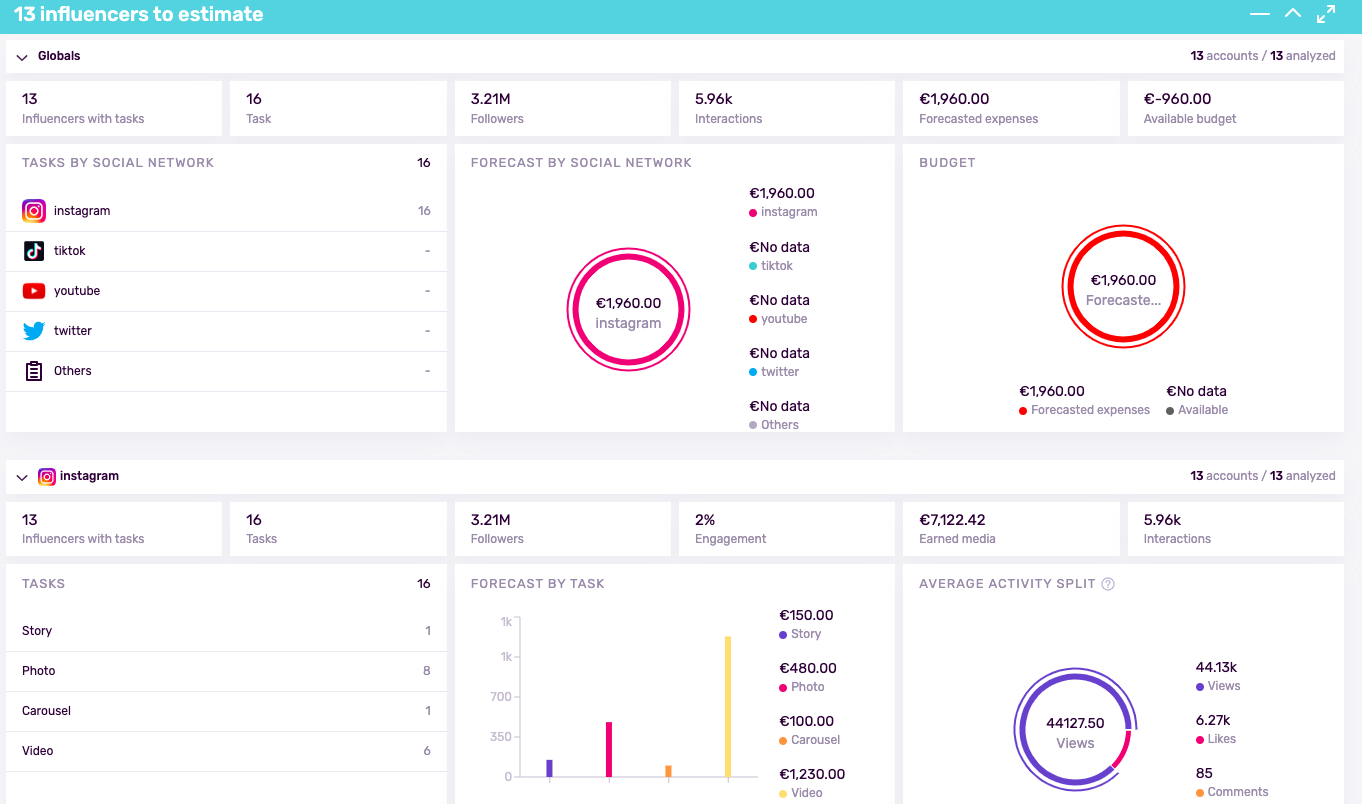
When clients ask, “How do you know this will work?” You’ll have an answer that’s not based hard data.
The best campaigns aren’t just creative; they’re calculated. They balance storytelling with science, emotion with evidence, and creativity with data.
Netflix has perfected that balance. Every frame, thumbnail, and tagline they test is the product of data-driven storytelling. They know which colors make you stop scrolling, which actor combo makes you click, and which genre mashup keeps you watching.
Here’s the trap I see agencies and brands fall into all the time: They either go too data-heavy (everything optimized, nothing human) or too creative (everything emotional, nothing measurable).
Netflix hands directors audience insights and you can do the same with your creators. Here’s how to turn analytics into actionable creative guidance
Analytics tell you which tone your audience responds to — humorous, emotional, aspirational, or educational. If your followers are engaging most with realistic, relatable storytelling, it’s probably time to ditch the glossy studio shoots for something more raw and human.
When Glossier realized their best-performing content wasn’t the high-end product photography but UGC-style clips filmed on iPhones, they doubled down on it — and saw engagement jump by 42%.
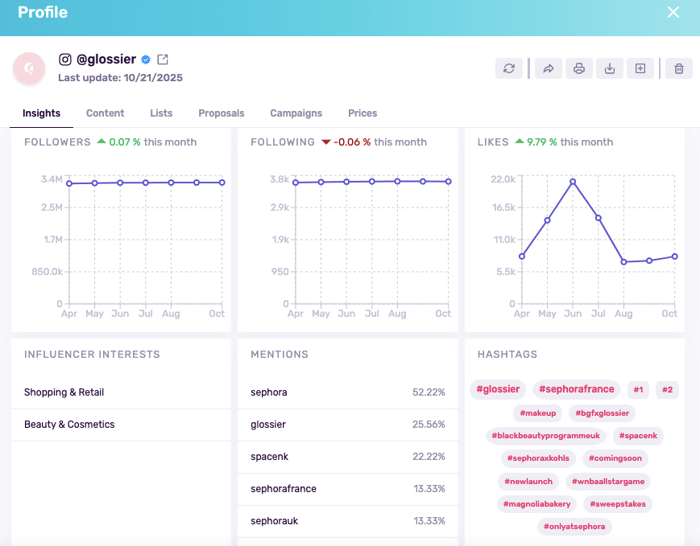
Pro Tip: Look at your creators’ top-performing posts. What tone or format do their followers love? Your brief should build from that DNA, not rewrite it.
You might think pastels perform better for your beauty brand, but your analytics might tell you neon pink drives more clicks. With influencity you can even find aesthetic coherence to see if the visual aspect of your creators matches yours.
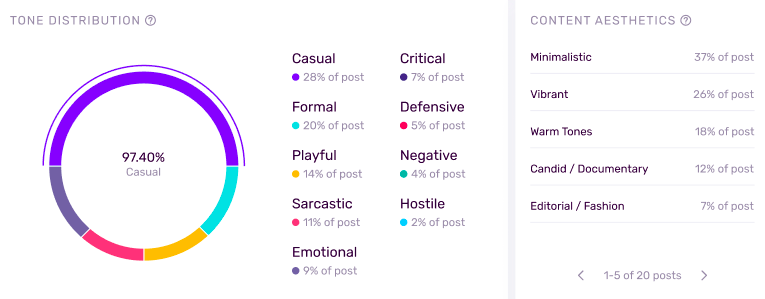
Study visuals that stop the scroll:
For instance, Netflix discovered that thumbnails with faces expressing emotion had higher click-through rates than abstract designs.In influencer marketing, the same rule applies, faces and feelings drive performance.
Analytics show which themes spark real conversation. If people are talking about skin cycling or capsule wardrobes, that’s your cue to brief creators around those storylines.
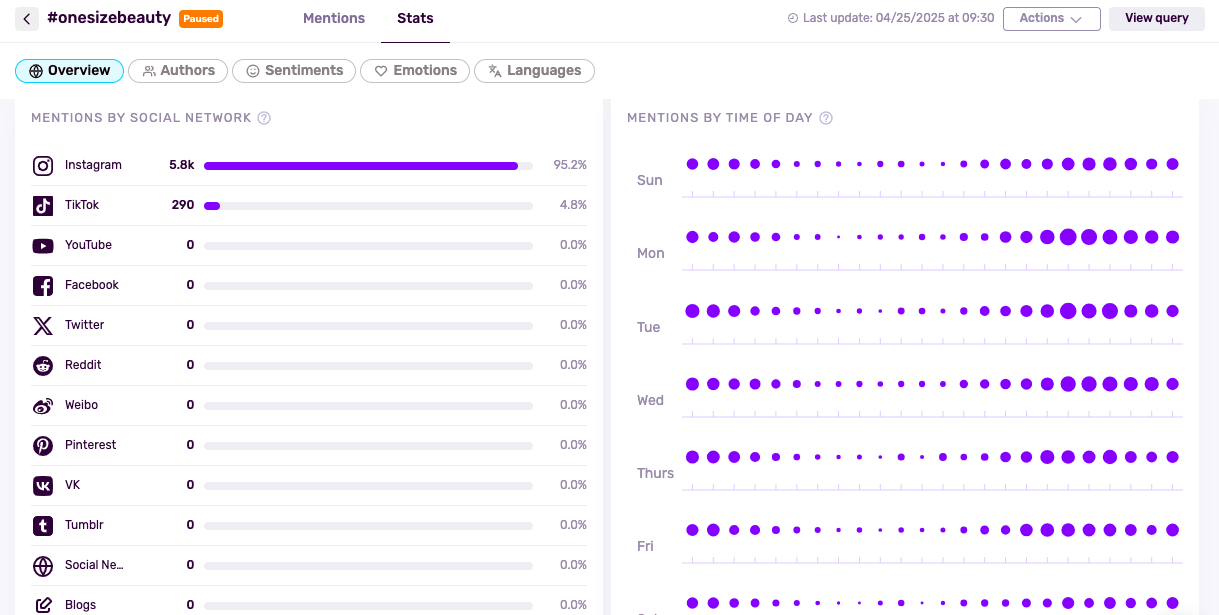
Pro Tip: Use your social listening tools (like Influencity’s Monitoring feature) to track trending topics in your niche.
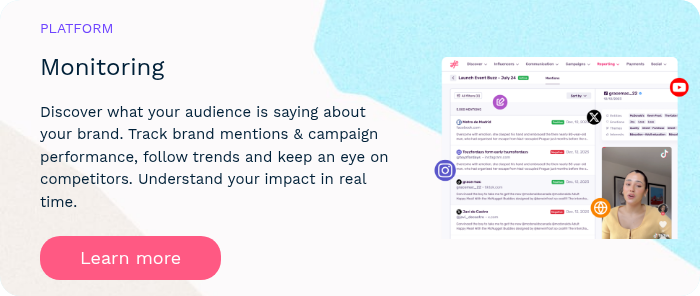
Netflix doesn’t drop content at random, they time releases based on when people are most likely to watch (Friday evenings, weekends, holidays).
Your posting schedule should do the same. Analyze when your audience is most active and brief your creators to post then.
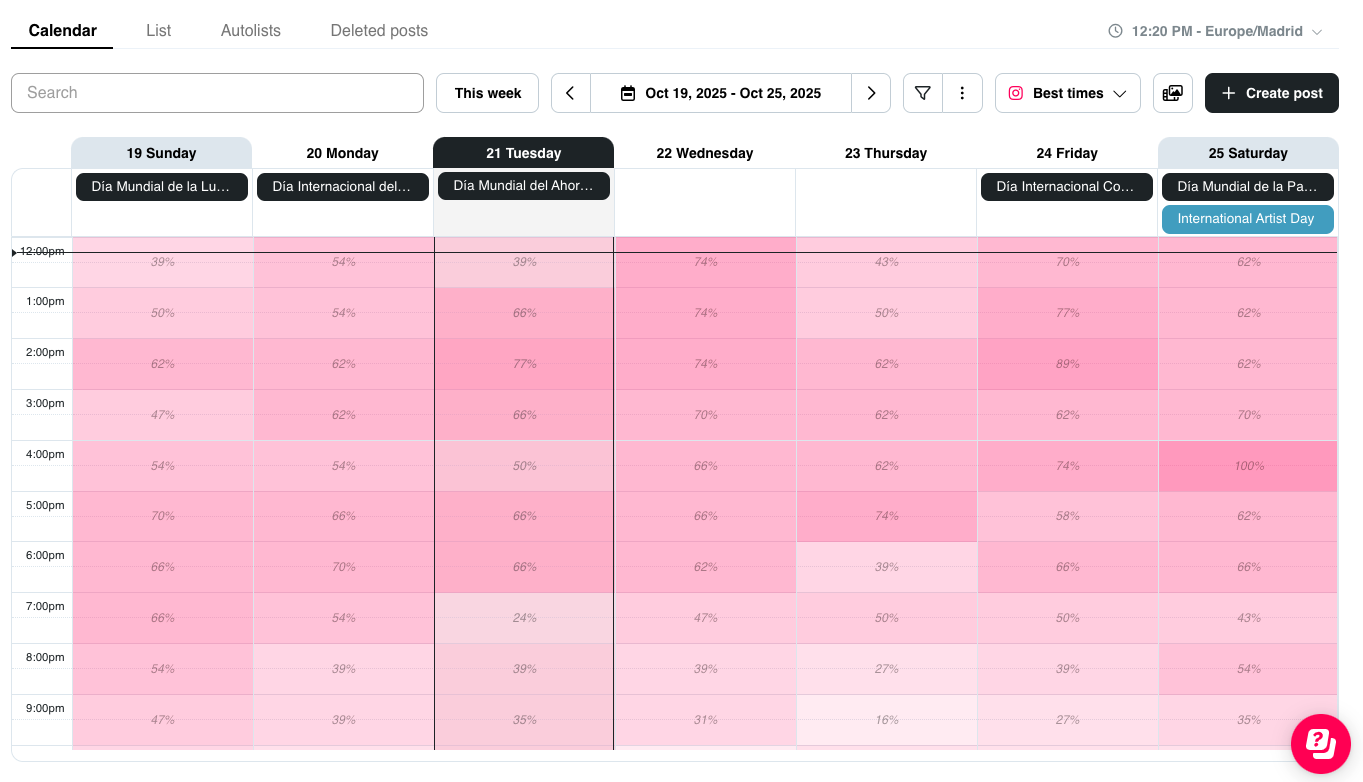
Pro Tip: Influencity’s analytics help identify audience activity peaks by day and hour. For instance, if your target audience engages most at 7 p.m. on Thursdays, schedule posts then for maximum visibility.
One of my favorite stories comes from a beauty brand I worked with. They’d been pushing quick, 15-second product demos: clean, shiny, branded. But when we looked at their audience retention data, we noticed people dropped off halfway.
The fix? We briefed creators to shift from demos to tutorials — still showcasing the product, but with a learning twist (“3 ways to get a dewy finish”).
Result? Engagement up 65%. Completion rates doubled. Comments full of people saying, “I’m trying this tomorrow.” That’s data fueling creativity.
Let me show you what the Netflix method looks like in real life, because theory is nice, but results are better.
When we talk about Netflix-style marketing, we’re talking about using data to predict performance, not just explain it. And few brands embody this mindset better than Fenty Beauty.
When Fenty Beauty launched, it sold representation.But what made it so successful wasn’t only its inclusive message; it was how strategically that message was distributed.
Instead of guessing which creators to work with, Fenty’s team analyzed audience behavior:
They didn’t just look for influencers who looked good with foundation. They looked for creators whose audiences were ready to buy it.
Like Netflix studying viewer patterns before greenlighting a show, Fenty studied audience engagement before signing creators.
They discovered that long-form tutorials performed better than short glam reels, especially among Gen Z audiences who valued transparency and education over pure aesthetics.
So instead of going for one mega-celebrity endorsement, they split their budget across micro and mid-tier creators who produced “real routine” content.

Tip: You can do this exact analysis in Influencity using metrics like engagement quality, content format performance, and audience demographics, before you spend a cent.
Fenty didn’t launch globally overnight. They started with test markets smaller activations in the U.S. and the U.K., to see which creators and content types performed best.
They looked at:
Once the data came in, they dropped what wasn’t working and scaled what was, just like Netflix renewing Stranger Things and shelving everything else.
Fenty’s content retention rate (the percentage of followers watching videos all the way through) improved by 42% after the first optimization round.
After the pilot campaigns, Fenty doubled down on creators with high engagement depth, even if their follower counts were lower.
They used content tracking and predictive analytics to forecast performance in new regions. For example, when expanding in Latin America, they didn’t guess which creators to use. They looked at audience overlap and engagement heatmaps to identify Spanish-speaking creators whose audiences already followed global beauty conversations.
Campaign engagement jumped 35%, and conversion rates doubled within two months, all because they used data to build momentum, not just measure it.
Netflix’s secret isn’t that it knows what people love, it’s that it keeps learning from what people do next.
Fenty follows that same loop:
That’s the marketer’s version of a renewed season. Your campaign doesn’t end when you hit publish, it evolves with every insight.
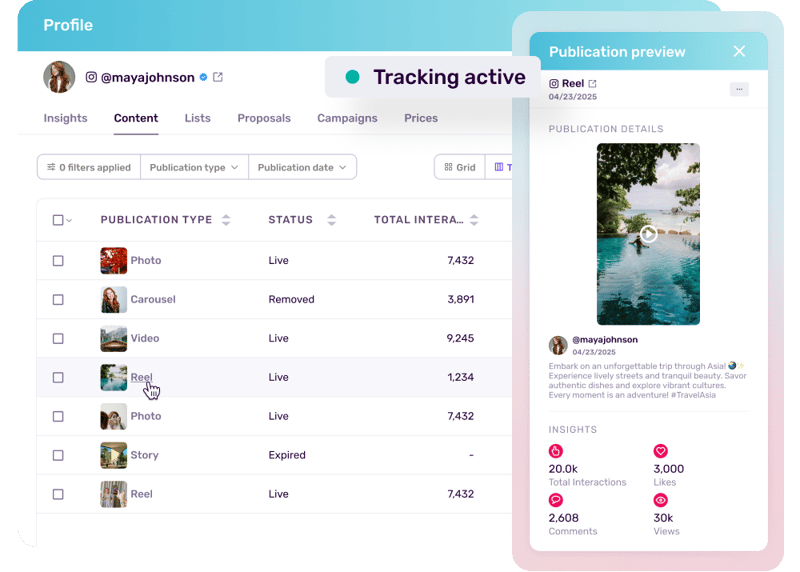
Try This: Use Influencity’s content tracking to automatically collect posts, stories, and estimated views, even after stories expire, to see what actually resonates.
We’ve already established that Netflix built a system that learns. Every play, pause, and skip makes its recommendation engine smarter.
Now imagine running your influencer marketing like that. Every campaign you launch, every post you track, every negotiation you complete, all feeding insights into a system that helps you pick the right creators, plan better budgets, and scale faster next time.
That’s your Influencer Recommendation Engine and the good news is, you can build it without an engineering team.
If your influencer data is scattered across spreadsheets, emails, and old reports, you’re flying blind.
Your first step is to centralize everything, creators, campaign notes, pricing history, and performance metrics, into an Influencer Relationship Management (IRM) system.
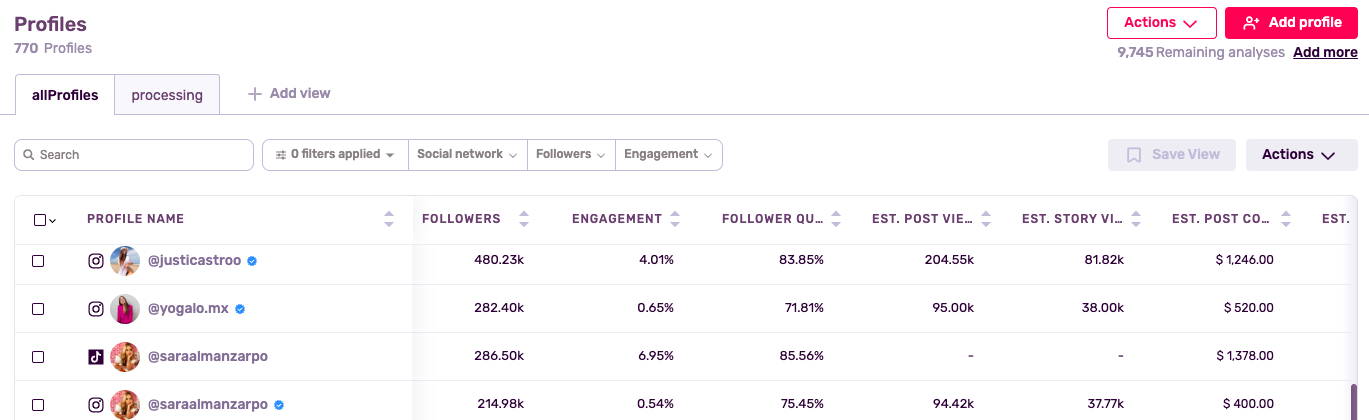
This is how your recommendation engine starts to learn. Your IRM acts as Netflix’s user database: it remembers who you’ve “watched” (collaborated with), how well they performed, and what audiences responded best.
So next time you’re casting, you won’t be starting from scratch, you’ll be starting from insight.
Netflix doesn’t judge a show by its pilot episode. It tracks performance season after season. Your campaigns should work the same way.
Instead of analyzing posts in isolation, track influencer performance over time, not just per campaign.
Ask yourself:
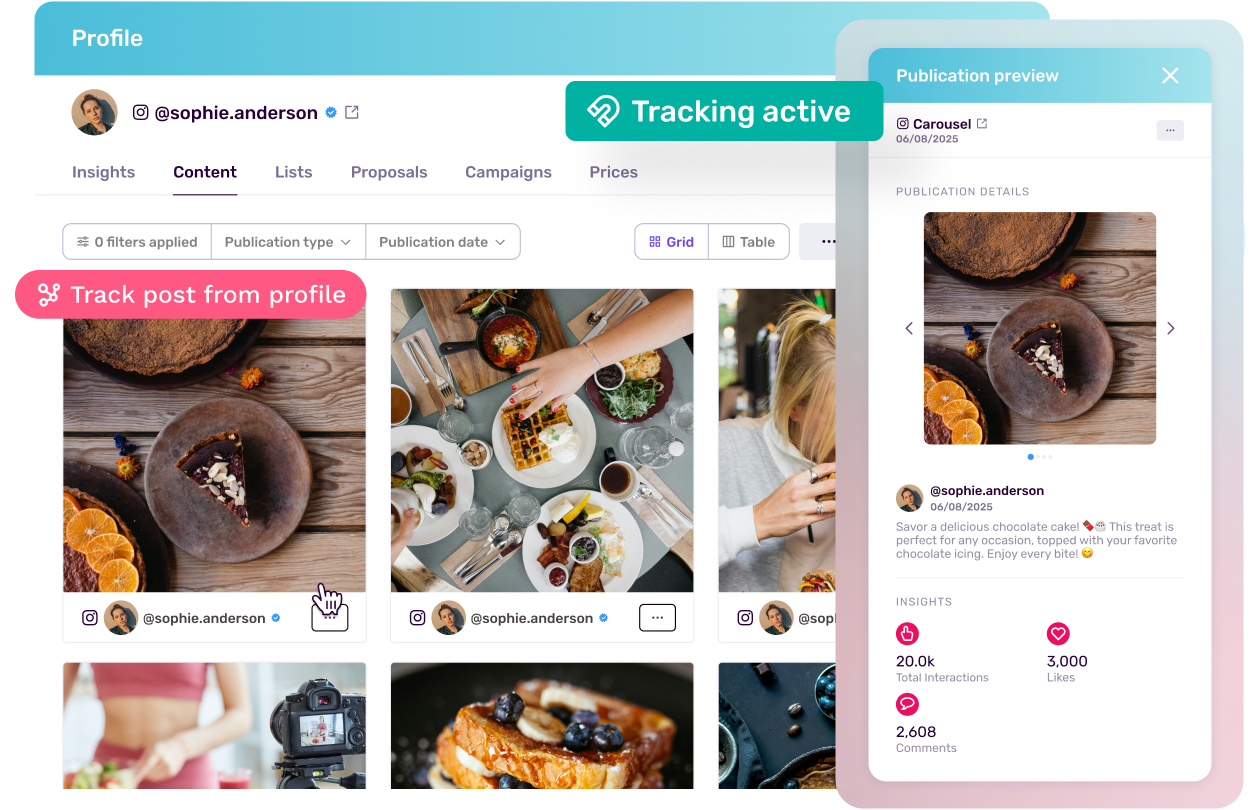
With Influencity’s Content Tracking, you can automatically pull every post and story and evaluate performance in real time.
This ongoing visibility gives you what Netflix calls “viewer retention”, you’ll know which creators keep audiences hooked.
Once your data lives in one place, predictive analytics can go to work. By analyzing historical performance — engagement rates, audience demographics, estimated views, even pricing benchmarks — you can forecast which creators are most likely to hit your KPIs.
Let’s say your last five campaigns show that creators with 50K–100K followers drive the best CPE (cost per engagement). Next time, you can allocate more budget to that segment and scale confidently, without overpaying for reach that doesn’t convert.
This is where your IRM becomes your internal Netflix algorithm, constantly learning which creators perform and predicting which ones will perform next.
Here’s where most teams stop, but the real growth happens when you close the loop. Take what you’ve learned from your campaign data and feed it back into your future briefs, negotiations, and casting calls.
For example:
Pro Tip: Use Influencity’s AI Assistant in Discover to refine future searches. Just type your new ideal parameters (“female TikTok creators in the U.K. passionate about clean beauty”) and let AI auto-fill your filters with laser precision.
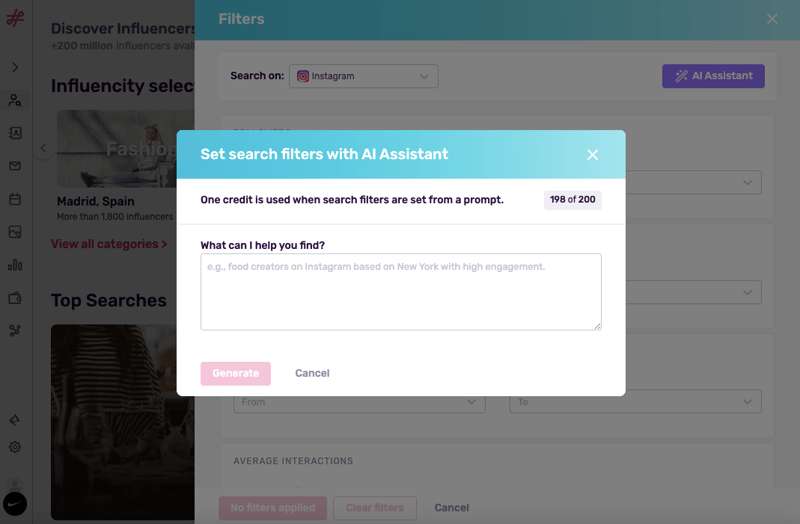
That’s how you evolve from gut-feeling outreach to algorithmic matchmaking.
The beauty of a recommendation engine is that it never resets, it compounds. Each campaign becomes the dataset for your next one.
And over time, you’ll notice something powerful:
That’s exponential growth.









%20and%20How%20Can%20They%20Benefit%20Your%20Brand%20article.jpg?length=628&name=What%20Are%20Key%20Opinion%20Leaders%20(KOL)%20and%20How%20Can%20They%20Benefit%20Your%20Brand%20article.jpg)