

The advent of social media has revolutionized the entertainment world, and the prime catalyst for this shift is the democratization of stardom. Celebrityhood, traditionally gatekept behind countless barriers, is now within reach for just about everyone, including children. For brands, leveraging kid influencers’ social media presence can be a fantastic way to appeal to younger audiences. But when we use content featuring children for our marketing campaigns, we cannot look past the ethical concerns.
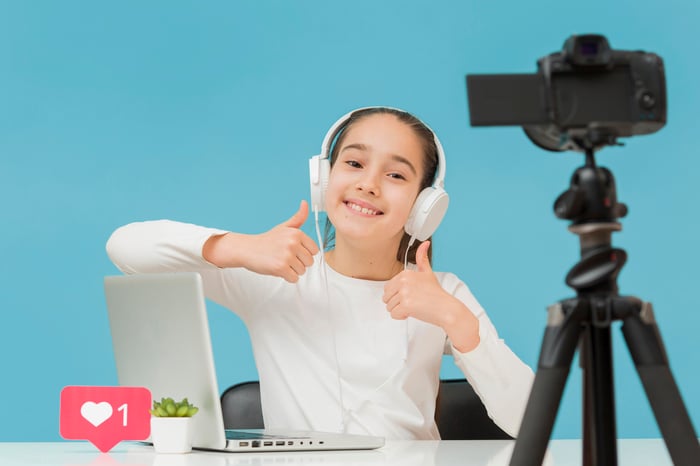
The concept of child stars isn’t anything new; from Disney to Nickelodeon, children’s media has always been part and parcel of the entertainment industry. However, this unchecked exposure enabled by social media has sparked growing concerns. As these debates dominate online discourse, countries around the world are slowly implementing policies to keep children off social media. With these recent developments, the task of negotiating the ethical lines of kid content marketing has grown more challenging than ever.
This piece will examine the ethical and legal concerns surrounding child safety in influencer marketing. Subsequently, we will also highlight some effective tools and alternative approaches that comply with our policy forecasts.
First, let’s try to understand what space children occupy in social media. While most platforms have age limits that prevent children from using them, these limits don’t bar parents and guardians from posting their children online. From toddlers to teenagers, kids of all ages still dominate our social media feeds, usually through ‘parent-run’ accounts.

Even though parents have been filming their kids since the advent of camcorders, with social media, these home videos are no longer confined to the walls of our homes. What used to be shared between our close family circles can now be shared with the world. This change in social sharing behavior and the resulting heightened exposure have sparked numerous debates.
In truth, both adults and kids are drawn to videos featuring children. The often endearing and humorous antics of children make for entertaining content. Hence, it’s not surprising to see the boom in viewership and engagement. So the fact remains: Kid content performs well, and kid influencers continue to dominate the influencer marketing industry.
Kid influencers, or ‘kidfluencers’, are children who have gained significant social media following, usually through accounts managed by their parents or caregivers. Whether they’re reviewing and playing with toys, showing off their unique skills, or playing pranks on their siblings, thousands of people around the world watch the lives of these children through screens. With kidfluencers like Vlad and Niki (149M+ subscribers) and Kids Diana Show (138M+ subscribers) topping the list of most-followed YouTube channels, the popularity of children’s content is an inescapable fact. However, ethics in marketing should come first before we look at performance metrics. This is especially true for kids' content.
As I’ve mentioned earlier, recent developments in children’s digital safety have placed kid-focused content under heightened scrutiny. From the FTC’s amendment of COPPA rules to countries around the world implementing policies to raise the age limit for social media access, the debate surrounding children’s place in the digital landscape has grown increasingly more complex. Consequently, the ethics of influencer marketing for children’s products has become a pressing issue that brands must learn to navigate.
The recent amendment to the Children’s Online Privacy Protection Act (COPPA) introduced major provisions regarding the monetization of children’s data online. Under these new rules, online platforms now require opt-in parental consent to share children’s data for targeted ads. While this provision excludes contextual advertisements, it will significantly impact the future of digital marketing directed at children. Thus, the smartest route for brands and agencies is to shift their marketing strategies in line with these changes.
Partnering with kid influencers presents a unique set of challenges, both legal and societal. Earlier this year, we saw a brand come under fire when a collaboration with a kid influencer drew public criticism. What followed gave us a valuable lesson on how to approach partnerships with kid content creators. On top of the kidfluencer getting hit with an account suspension, the brand’s reputation also took a massive blow. Ethical practice in kid influencer collaborations isn’t just a legal requirement; it’s a social responsibility that shapes brand perception. Who you choose to work with, how you treat your collaborations, and the boundaries you maintain, all tell a story about your brand’s ethics. When it comes to such sensitive matters like marketing with kid influencers, brands cannot afford to be careless. Avoiding the possible legal and PR pitfalls is well worth the due caution it requires.
Based on what we’ve learned about the ethical concerns surrounding kidfluencer content, the future of this industry is now uncertain. While parents will continue to share videos of their kids online, kid-led influencer content could be breathing its last breath. Since most existing child labor laws are difficult to enforce in the influencer industry, experts worldwide are pushing for change. Several policy recommendations call for stricter regulations on the monetization of children’s likenesses. While these recommendations are still under debate, the recent amendment to the COPPA Rules signals a step towards this direction. With this heightened alarm and policy changes, a complete overhaul is in the cards for the kid influencer industry. These predictions suggest an urgent need for brands to pivot their marketing tactics from kid-led to family-led.
The complex discourse surrounding kid influencers raises the question of how advertisers can steer clear of legal and reputational pitfalls. While the future of the kidfluencer industry remains unclear, the need for marketing kids’ products through social media isn’t going away anytime soon. So, if you’re a brand looking to advertise children’s products and services on social media, let’s look at some alternative routes you can take.
Even though most family influencer accounts, even those with kids in the foreground, are run by parents, not all of them will feel the same. The question of ‘ownership’ – who’s actually running the account – depends entirely on the creative direction they take with their content. Some kid influencer accounts put the kid in the spotlight, with them doing most of the work on-screen and interacting with the audience. This style of kidfluencing makes the kid the sole face of the account. While this could be an effective way to connect with the audience, it sends the message that, despite technical ownership, the kid is the one running the account. This type of kidfluencing, as popular as it may be, raises valid ethical concerns.
Alternatively, we have family influencer content, where it's either the whole family playing together or a parent interacting with their child. With this type of content, the parents play the leading role, leaving no room for confusion on who viewers are interacting with.
To differentiate parent-led family content from kid-led content, here are a few signs you can look out for:
Here's a family influencer doing a voiceover for a Nintendo collaboration. Even though the video features her kid, it is the mom who’s speaking to us. The voice communicating to the audience clearly conveys who the content belongs to.
Parenting influencers – accounts that share family content through the lens of the parents – provide a safe alternative to traditional kidfluencer content. In between sharing relatable content about the joys and challenges of parenthood, these parents often create engaging videos with their kids. While these influencers may not center the kids as much as your typical family influencers, they can provide a useful link that connects you to the demographic that matters – the parents.
As regulations on the use of children's data for targeted marketing become stricter, marketing to kids on social media has become more challenging. So, the most reasonable course of action would be to redirect our marketing strategies with parent viewers in mind. These parenting influencers offer the pathway to connect with this niche audience.
One of the primary concerns the kid influencer discourse often highlights is the issue of privacy. While parents hold authority over their child’s likeness and are free to share their images, many influencers have been taking some extra steps to safeguard their kids’ privacy online. Especially common among parents of younger kids who can’t give informed assent, a growing number of mom/dad influencers are opting to exclude their children’s faces from their content.
Here are a few examples of the creative solutions parents have come up with:
Let’s take a look at the filming style of creator @Krystiana, for example.
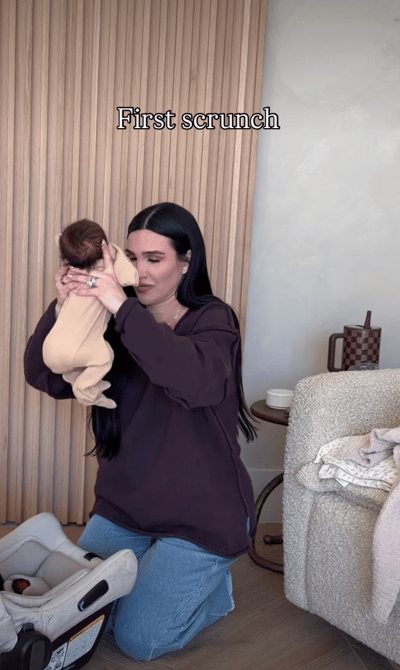
Source: Krystiana
As a mega-influencer with 6.9M followers on Instagram, she regularly features her 6 kids in her videos. But thanks to some very clever filming and editing tactics, she has managed to keep the faces of her younger children completely hidden. In all of her content, the kids are always shown with their backs to the camera or carefully positioned so their faces remain slightly off-screen. Without any jarring blurring filters or stickers, these videos still look and feel like any other family content.
Some parents have even taken it a step further by creating kid content without any kids on-screen. The trick? Parents posing as their kids to recreate their humorous antics. Some notable examples include The Awesome Lawsons, with over 4 million YouTube subscribers, and @Micahandsarahhh, with over 2 million followers on both TikTok and Instagram. These numbers show that these skits resonate with the audience as much as traditional kidfluencer content does.
From hilarious, often exaggerated, recreation of play to relatable parent-child interactions, this creative direction provides a safer, less ethically risky approach. For advertisers looking to tap into the expressive, playful aspect of kid content, this style of content is an ideal alternative.
Ultimately, regardless of what the future holds, we cannot escape the need to leverage social media marketing for kids’ products. So, it’s important to stay proactive to avoid any legal or ethical risks. But picking the right influencer for your specific niche while adhering to these ethical boundaries can be quite tricky. This is where assistive tools like Influencity’s Influencer Discovery tool come in.
Manually searching for influencers without disregarding legal and ethical safeguards will prove extremely challenging. Influencity’s influencer discovery and analytics tools provide a practical solution for this very issue.
With 30+ smart filters, you can easily narrow down your search to pick influencers who suit your target niche and demographic. From age range to interests and brand affinity, this tool allows you to filter options from the world’s most comprehensive influencer database.
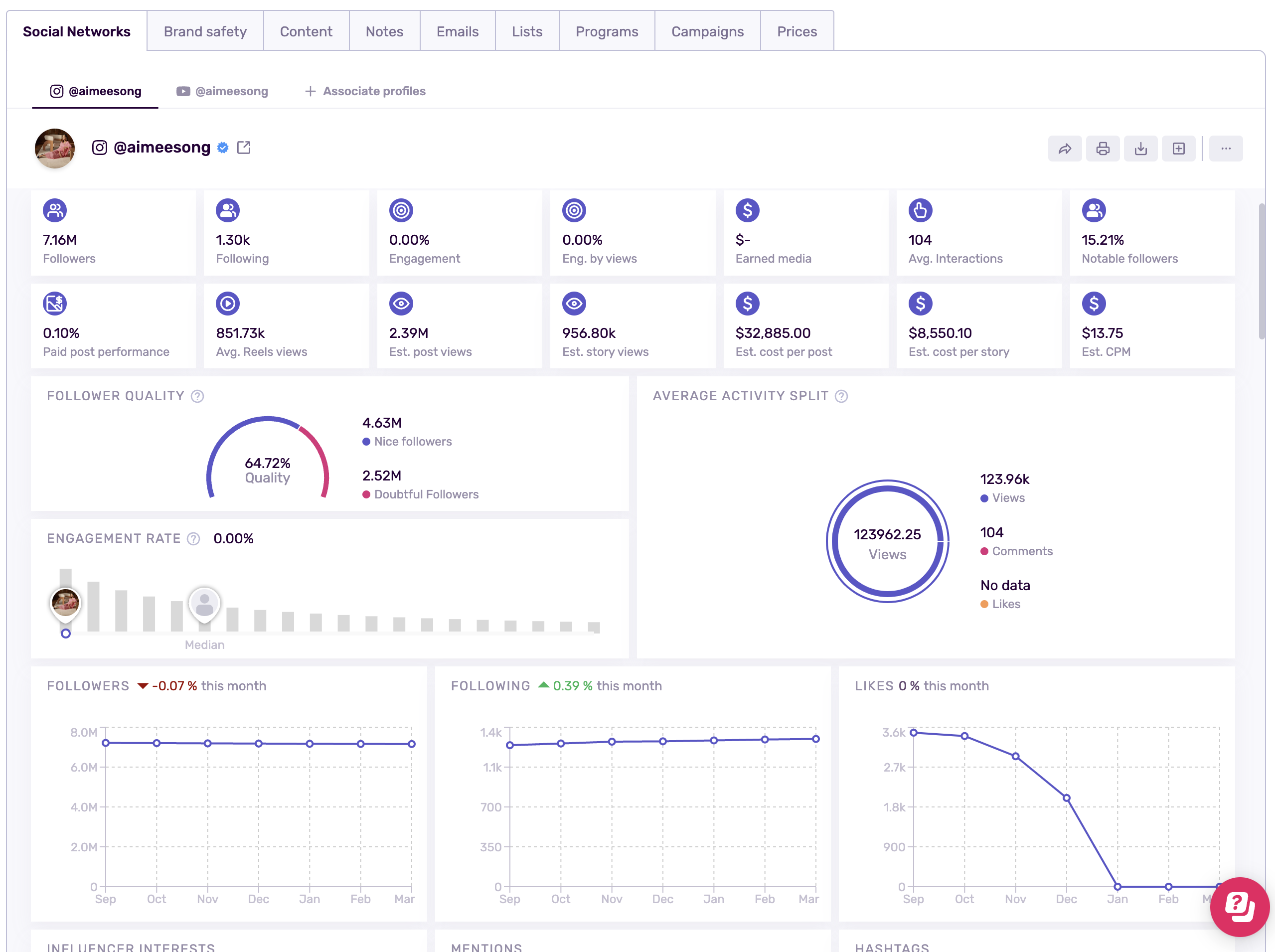
Filtering options by interests and brand affinity is a great way to identify creators who regularly post kid content. You can then filter this selection by age range to ensure that the parents, not the kids, are the ones commanding the ship. This advanced tool lets you precisely select influencers for even the most specific needs, providing a risk-free way to find family or parent-led vlogs.
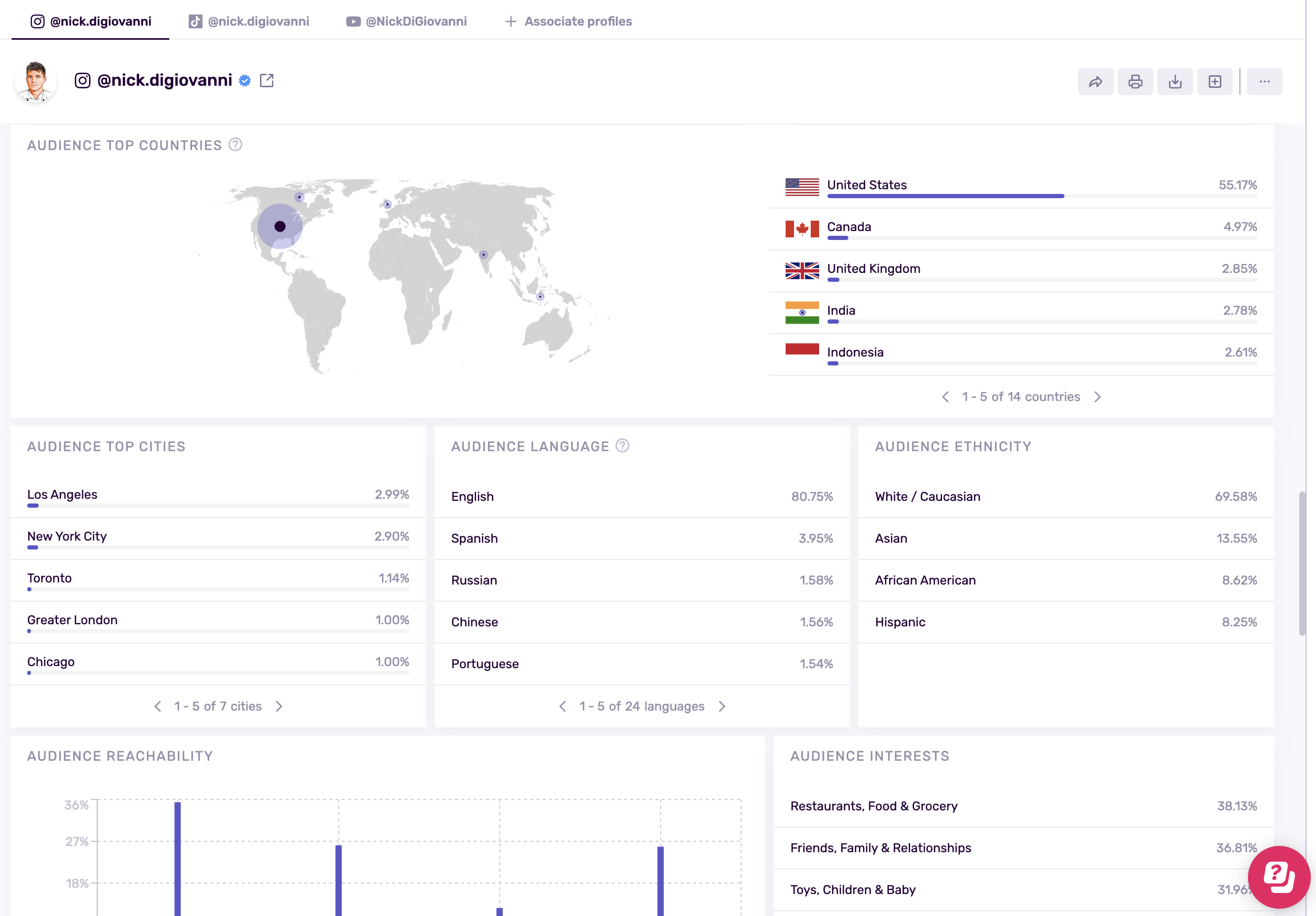
Beyond influencer profile insights, Influencity gives you access to key figures about an influencer’s audience. Using an automated audience analysis tool, you can find out all the necessary information about an influencer’s audience, such as demographics, interests, engagement rate, etc. This allows you to vet your influencers further to make sure your campaigns reach the right audience.
As the kid influencer industry heads toward a more regulated and highly scrutinized future, it’s imperative that brands learn to navigate this shift. Whether you choose a more family-led approach or keep kids off-screen altogether, there’s an urgent need to develop proactive strategies that account for existing regulations and future policy shifts.
Enacted in 1998, the Children’s Online Privacy Protection Act (COPPA) is a U.S. federal law that imposes strict requirements on operators of online platforms directed at children under 13 years of age.
COPPA’s primary goal is to ensure parental authority over children’s information collected online.
Parenting influencers are creators who use social media to connect with other parents through relatable parenting contents.
Ensuring children’s safety in the influencer industry requires strict parental control over their online content and information.
To conduct a thorough screening of kid/family content creators to work with, you can use Influencity’s comprehensive influencer discovery and analytics tools.












%20and%20How%20Can%20They%20Benefit%20Your%20Brand%20article.jpg?length=628&name=What%20Are%20Key%20Opinion%20Leaders%20(KOL)%20and%20How%20Can%20They%20Benefit%20Your%20Brand%20article.jpg)











.png?length=628&name=Pop-up%20image%201200%C3%97800@1x%20(1).png)