

I recently saw one of my favorite content creators using an AI app to create different Halloween looks. But her followers weren’t happy with her promoting AI, with many of them expressing how she was creative without AI. These comments indicate that many social media audiences equate the use of AI-generated content with a lack of creativity.
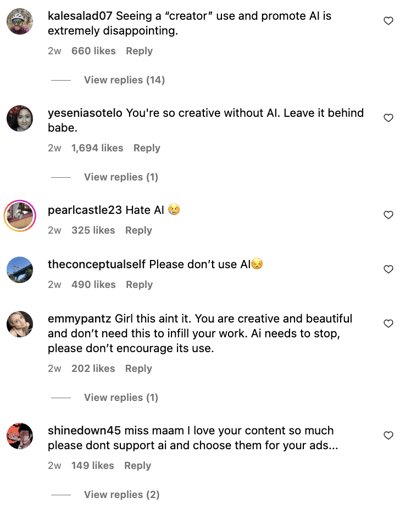
So there’s a good chance that using AI content as-is could do more harm than good for your influencer campaigns. At the same time, not using AI means you could be missing out on efficiency gains that your competitors are benefiting from. That’s why you need to strike the right balance between AI and human creativity to get the best of both worlds.
With that said, let’s take a look at some of the best practices on how to use AI-generated content in your influencer campaigns.
Considering the need to balance AI with human creativity, it’s important to make a clear distinction between what AI can and can’t do for your influencer campaigns. You already know how AI can help with influencer identification and matching. But what can AI do when it comes to content creation for your influencer campaigns?
One of the biggest benefits that AI brings to the table is speed. It has the power to process and analyze vast amounts of data in minutes, which allows it to generate output just as quickly. So it can significantly speed up some aspects of your content creation process, helping you boost overall efficiency.
AI is best used to speed up content ideation if you ever run out of ideas or need help developing your idea into something bigger. It can help you draft influencer briefs or build out your draft into a more comprehensive brief. With more solid briefs, you get influencer-generated content that checks all the boxes and resonates with the audience.
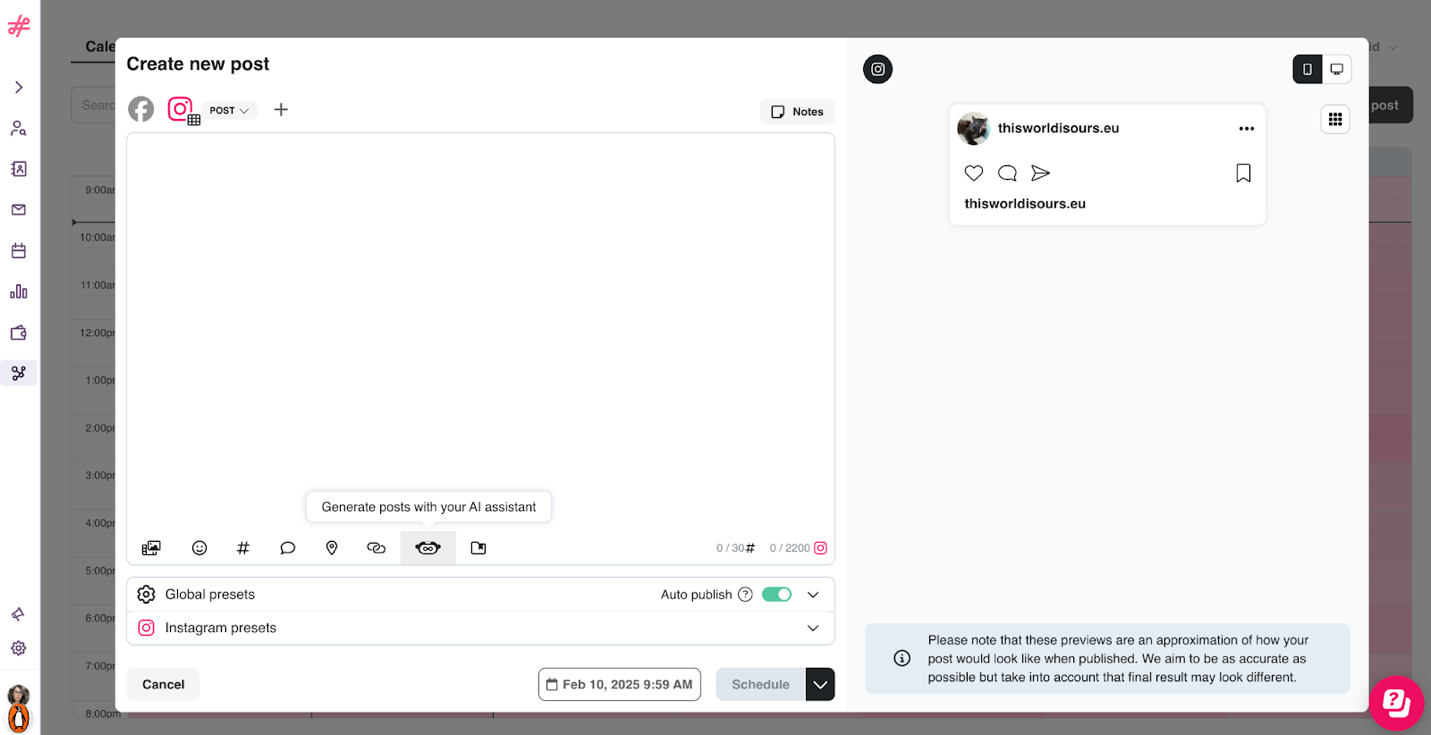
Additionally, you can use AI to generate ideas for your captions or enhance existing ones – whether you want to make them longer, shorter, friendlier, or more professional. Influencity’s social media planner lets you generate copy ideas in an instant with the help of an AI assistant.
If your influencer campaign involves video content, you can use AI to quickly draft scripts that you can then edit or enhance to make them more human. AI tools are also great for putting together image mockups to help influencers visualize what you have in mind. This will make it easier for them to bring your vision to life and effectively create content for your campaigns.
While AI can generate content from scratch, many social media users are already tired of platforms overflowing with AI-generated content (as is apparent from the comments I shared earlier). So it’s best to avoid over-relying on AI for your entire content creation process.
Remember that you’re working with creators for a reason. And replacing their creativity with AI defeats the whole purpose of your influencer partnership.
So ditch the AI-generated images and videos and instead use AI to guide and enhance the content creation process. Use it as a tool to improve your content creation instead of relying on them for everything.
That means yes to AI-generated ideas that creators can then develop further using their own voice and creativity. Or letting creators infuse their identity and voice into AI-generated scripts and captions to humanize the content.
Now that you have a better sense of what AI can and can’t do for your influencer campaigns, let’s explore some of the best use cases.
One of the most practical uses of AI is in content ideation. You can use AI tools to quickly put together rough ideas, brainstorm topics, and research content ideas. For example, you can see topics that are trending in your industry and then develop a more full-fledged idea based on that. Or you can even generate a list of campaign ideas to inspire you.
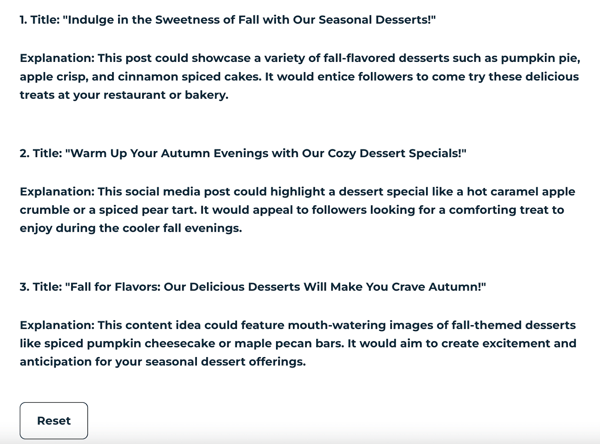
If you already have some great ideas, you can always skip this step. But AI can be especially useful in the ideation process when you feel stuck and need some inspiration.
AI can put together captions for your social media posts in an instant. But these captions may not always fit an influencer’s personality or voice. They can come across bland, forced, and out of place.
At the same time, letting creators have full control over captions could mean missing some key points that you wanted to include. That’s where AI comes in.
You can use AI to draft captions that give creators a rough idea of what you have in mind and what you want to include. Then give them the freedom to rework these captions using their own voice to add more personality. This may involve adding words and phrases that they use often or rewriting sentences to make them read more natural.
Designing the storyline and sequence is one of the biggest challenges of creating video content. This is one of the reasons why creating videos takes so much time. But that doesn’t mean relying on AI-generated videos to “save time.” Instead, you can use AI to speed up this process and improve your video production efficiency.
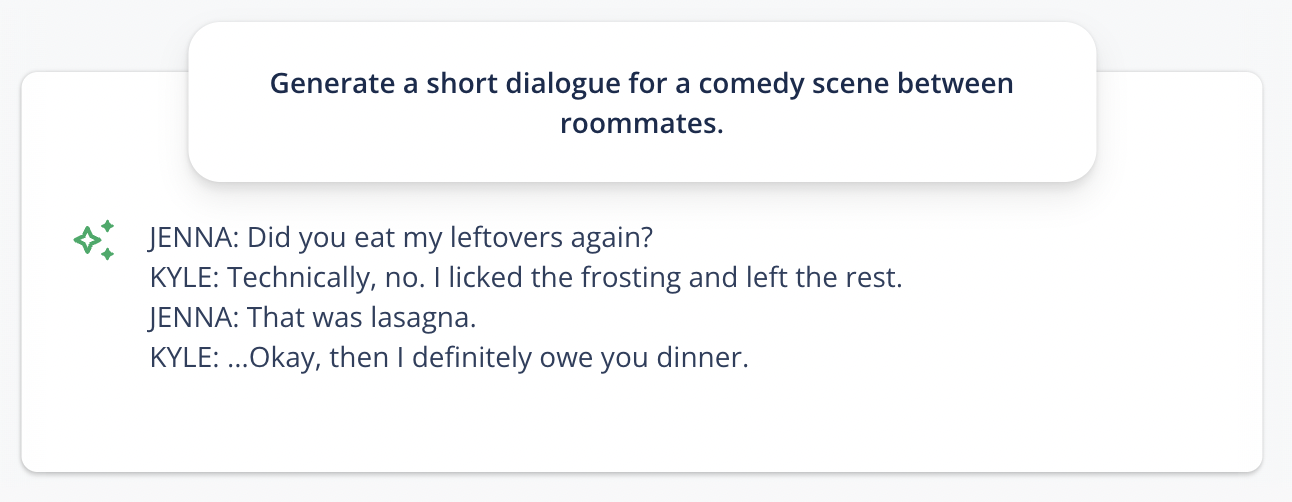
If your influencer campaign involves Reels, TikTok, and/or YouTube, use AI to develop scripts and storyboards that creators can then repurpose for their content. By having a rough idea of how the video will progress, creators will have an easier time developing content according to your campaign timeline.
Similarly, being able to visualize your concept will also guide creators to put together content that aligns with your goals. So make the most of AI to create visual storyboards or branded visual assets to preview your concepts.
Make it easier for them to see what you have in mind instead of simply describing what you want them to do. This leaves fewer room for confusion and helps you clearly communicate your expectations so creators can deliver accordingly.
If you’re looking to bring your static content to life, AI is the fastest way to do that. You can use AI tools to enhance your still images and graphics with animated elements. This adds visual intrigue and makes the content stand out, helping you effectively engage audiences for your campaign.
This is a great balance between AI and human creativity because you’re not relying on AI for the entire content creation process. Instead, you’re strategically using it to enhance some aspects of it and bring the human-generated content to life.
Using AI-generated content for your influencer campaigns requires maintaining a strategic balance between AI-powered efficiency and human creativity. Your use of AI shouldn’t undermine a creator’s individuality so you can maintain a strong relationship with them. So let’s break down some of the main dos and don’ts to keep in mind if you’re planning to use AI alongside your influencer collaborations.
Many creators have a strong stance against AI. Some may want nothing to do with it even outside of content creation. Meanwhile, others may be more open to it if it’s used at a limited capacity to guide or enhance content production.
This is why you need to be transparent about your intention to use AI from the start. Make sure to disclose how and when you use AI in content and give creators the chance to decide if the collaboration aligns with their values.
On a related note, it’s also important to get influencers to officially sign off on your AI use, especially if you’re planning to reuse or repurpose their content. Even if it’s just to add some design elements to their content, make sure to get written permission so you can avoid disputes further down the line.
AI may be able to give you efficiency gains at minimal cost, but it can’t replace creators who add individuality and humanness to the campaign. So it’s important to put creators at the forefront and allow them to infuse their unique voice into your content.
Involve creators throughout the planning, ideation, and production processes. Let them have a say in what content gets created instead of relying on AI to tell you what to do. This may involve letting influencers fine-tune AI-generated scripts or getting them to provide feedback on AI-generated ideas.
Similarly, it’s important to retain the unique voice of a creator for the content to stand out and resonate. AI offers speed, but it lacks uniqueness and often delivers generic output that’s safe but bland. So avoid using AI edits as this could override the tone of voice that captures the individuality and personality of a creator.
So which tool can you use for AI-generated content in your influencer campaigns? Here are some of the best options.
Influencity’s social media planner comes with an AI assistant that lets you automatically generate copy ideas that you can provide to creators. Have them develop or fine-tune those ideas to personalize them for their audience.
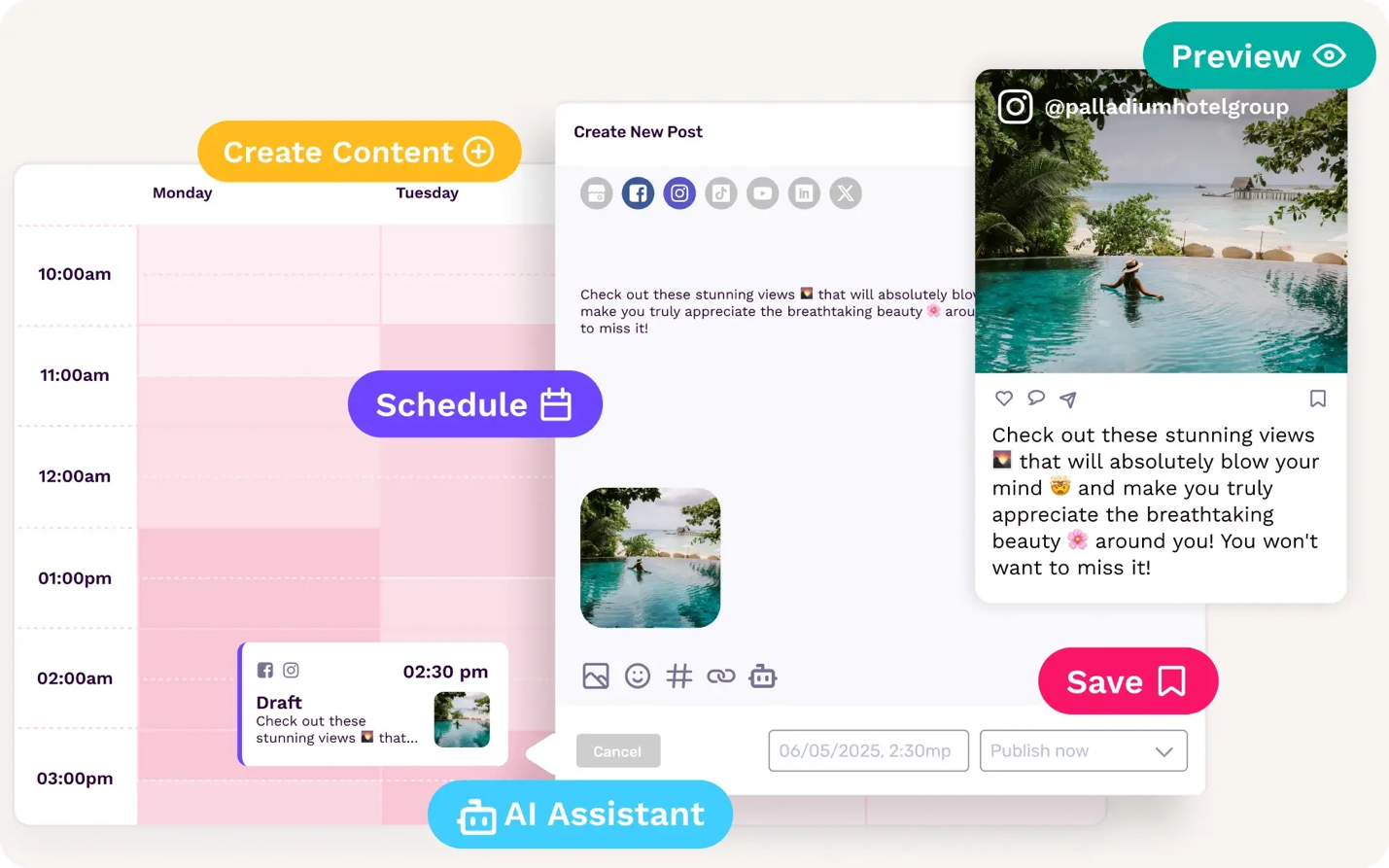
Beyond this, Influencity’s AI tools can also help you generate influencer outreach emails to streamline the process. You can effectively scale your influencer outreach, especially for larger campaigns.
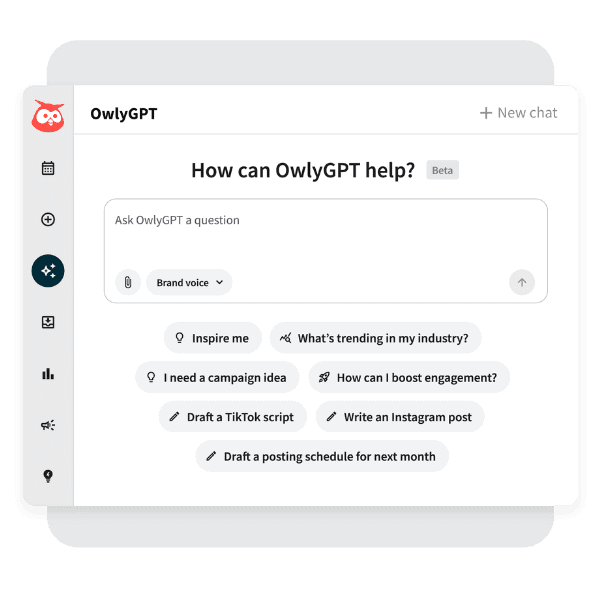
OwlyGPT is a robust tool that you can use for various aspects of your content ideation and production. It allows you to brainstorm topics, research ideas, identify trends, and even draft a posting schedule to help with your content planning. You can get the tool to draft a script for your Instagram Reels and TikTok videos, helping you speed up the content production process.
QuillBot’s free AI script generator makes it easy to outline your content storyboard in minutes. You can enter a prompt specifying what the video is for and the key talking points you want to cover. And the tool will generate a script that you can use as-is or repurpose according to your needs. You can even share the script with creators and have them develop it further to fit their unique voice and content style.
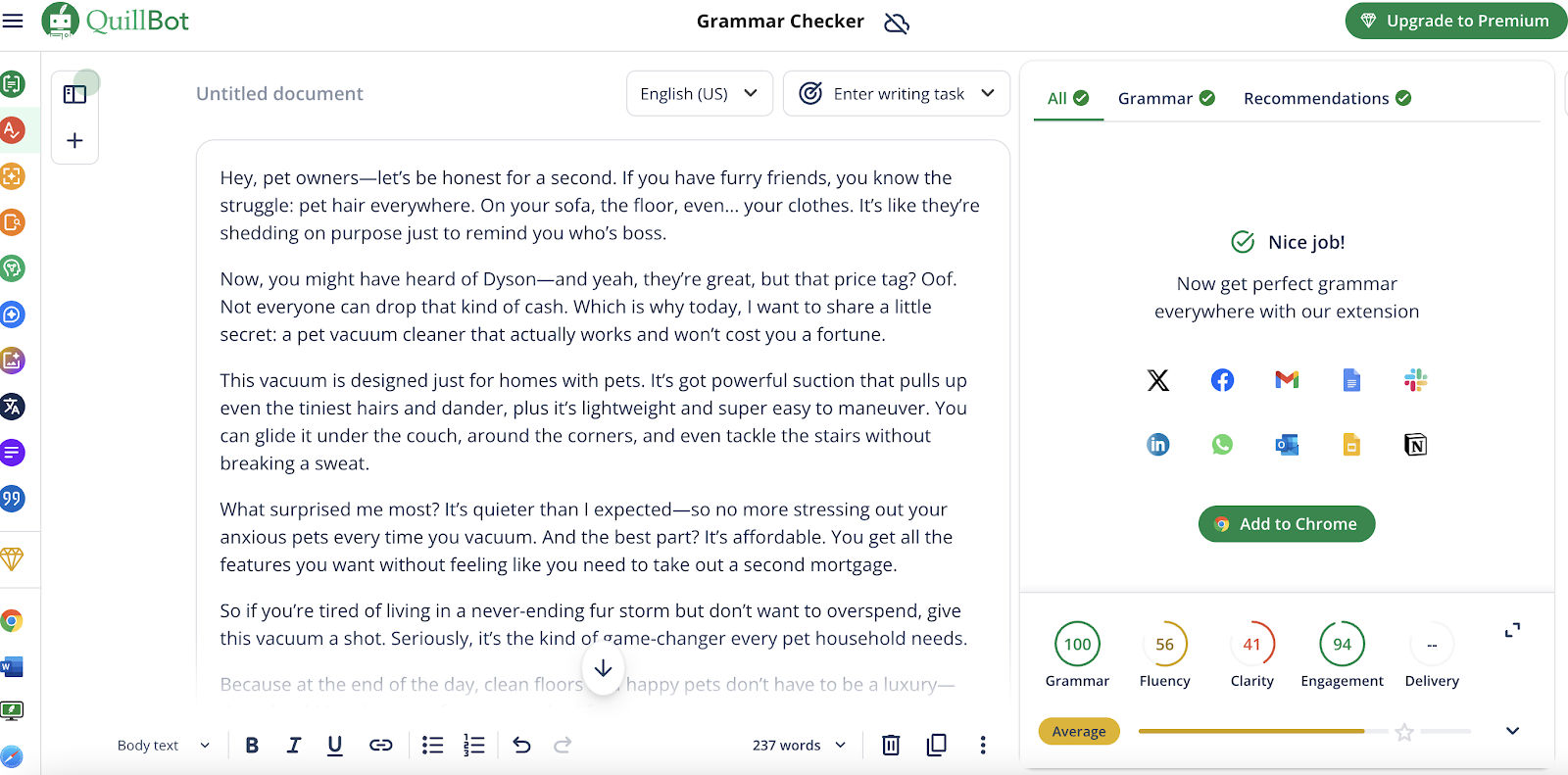
Having access to the right tools is one thing, but AI tools only produce results that are as good as the prompts you provide. This makes it crucial to share high-quality prompts that are clear and easy to understand, highlighting the key points you want to include. Here are some AI prompt templates for creators and brand teams to reuse and repurpose:
One of the biggest problems with AI-generated content is that it still poses some ethicality concerns. Here are some best practices to embrace AI ethically and responsibly for your influencer campaigns.
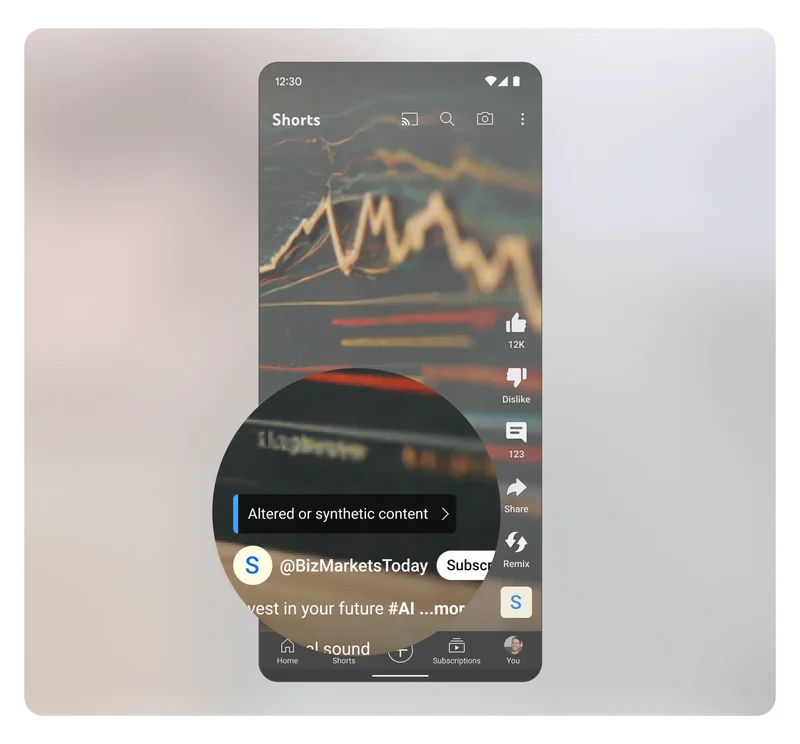
Social media platforms have policies in place requiring brands and creators to disclose when AI is used to create content. For instance, YouTube requires you to disclose when you’re using AI to create the likeness of a real person, alter footage of real events or places, or generate realistic scenes. But you don’t have to disclose if you used AI for productivity, such as generating scripts or automatic captions.
Make sure to comply with these disclosure policies to ensure transparency and avoid misleading audiences.
On that note, it’s best to avoid using AI to create deepfakes and misleading visuals, such as Grok. Genuine images and videos of physical products are much more trustworthy than AI-generated versions. It shows transparency and authenticity while deepfakes or heavy AI use could result in losing audience trust.
AI content generation holds the key to improving efficiency, which means higher influencer marketing ROI. Yet relying on it completely could mean sacrificing authenticity and creativity, which could lead to lost trust and negative brand reputation. Use the guidelines shared above to make AI-generated content work for your influencer campaigns.







%20and%20How%20Can%20They%20Benefit%20Your%20Brand%20article.jpg?length=628&name=What%20Are%20Key%20Opinion%20Leaders%20(KOL)%20and%20How%20Can%20They%20Benefit%20Your%20Brand%20article.jpg)