

If you’ve ever tried to run influencer campaigns without proper tools, you know the pains:
These are common challenges faced by marketing teams that do not use influencer campaign management software. They waste time, drain budgets, and can’t measure the impact of a campaign.
Brands like Sephora take a different path. With influencer campaign management tools, they centralize contracts, content calendars, approvals, and performance tracking. The result is faster campaign launches, cleaner data, and measurable ROI.
This article will show how Sephora does it, explain why it works, and share the steps your team can follow to improve your own influencer marketing strategy.
When managing creators, teams often start with using the tools they already have like Slack threads, email chains, and Excel sheets. That setup works for a few creators, but when you grow to dozens across different platforms, the cracks start to show:
It’s a vicious cycle. You need to prove ROI to get more budget, but that’s hard when the work is labor-intensive, conversions are tough to measure, and results aren’t clear.
That’s where influencer campaign management software comes in. Instead of scattered tools, it gives your team a centralized system.
Here’s how it works in practice:
Influencer campaign management software replaces scattered tools with a unified platform. Instead of chasing documents across platforms, you can:
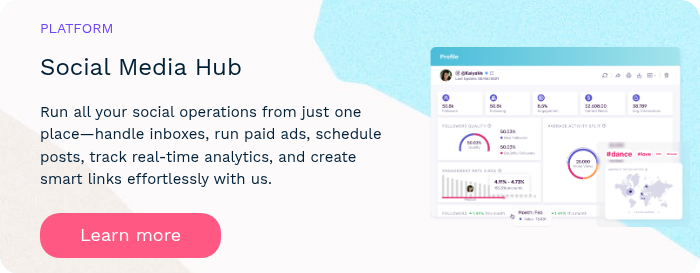
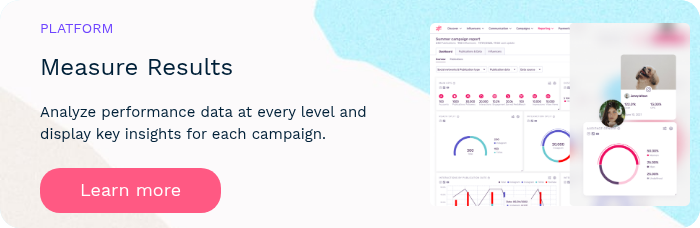
Clear reporting is one of the biggest advantages. With dashboards, you can:
Automation reduces repetitive tasks and maintains consistent communication. Software can:
For teams managing multiple creators, these efficiencies compound quickly. Campaign management software frees up energy for what matters most: strategy, creative direction, and scaling impact.
The Bottom Line: influencer campaign software transforms chaos into a single, reliable hub, saving time, reducing errors, and delivering clearer and faster reporting.
Sephora recruits hundreds of creators through its “Sephora Squad” program, selecting influencers across niches, follower sizes, and regions. These creators receive brand briefs, product shipments, and campaign guidelines, and then share content throughout the year. The program must maintain consistent storytelling across a diverse community of influencers.
That scale comes with global challenges. Creators in Europe may need different product disclosures than those in the U.S. Campaigns in Asia often run on different platforms, and timelines have to account for regional holidays and launches. Without a system in place, approvals, assets, and reporting would quickly splinter across markets.
Sephora’s team uses centralized tools to:
The payoff is clear: Sephora Squad drives a unified brand presence while giving the company real-time data on which influencers, formats, and markets perform best. That institutional knowledge rolls into each new campaign, letting Sephora scale efficiently without losing the human connection that makes influencer marketing work.
“Centralizing influencer campaign workflows cut costs by double digits and sped time-to-market.”— Advertising Production Resources (APR), July 2025
Global campaigns may look smooth on the outside, but coordinating hundreds of creators across markets is complex. Sephora shows how structured systems turn that complexity into consistent performance.
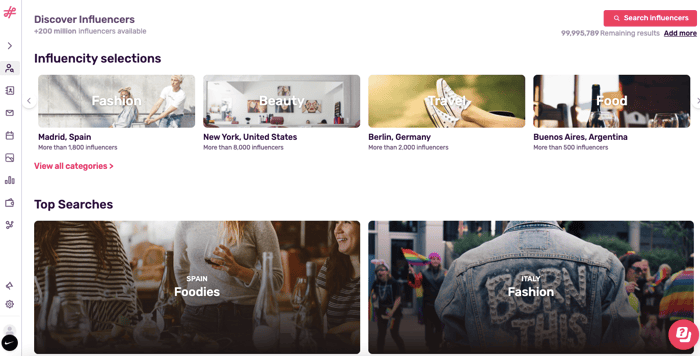
The Sephora example demonstrates the power of having a single system to keep briefs, content, and reporting aligned. Most brands do not have Sephora’s budget or in-house technology, but they can replicate the process with the right software. That is where a platform like Influencity comes in.
Influencity is designed for marketing teams that require a full view of their influencer programs. Instead of jumping between four or five different tools, teams manage everything in one place. The platform combines:
Pro Tip: Check reviews before signing an influencer marketing software contract. I am always amazed at how many influencer marketers sign up for a long-term contract without checking reviews. Find and read independent reviews. These are a gold mine of helpful information for buyers. If you have a small team, see reviews from other small teams. Use the free trial to see how easy the interface is.
Seeing how Sephora manages global creators is inspiring, but many teams need a step-by-step path to get started. Influencer campaign management software makes the process more straightforward by turning scattered tasks into a repeatable workflow.
Step 1: Define goals, KPIs, and deliverables.
Before inviting creators, decide what success looks like. Are you aiming for reach, engagement, website traffic, or direct sales? Clear KPIs ensure you choose the right influencers and measure the right outcomes. For example, if your KPI is conversions, you will need tracking links and promo codes tied to each influencer.
Step 2: Select influencers and vet their metrics.
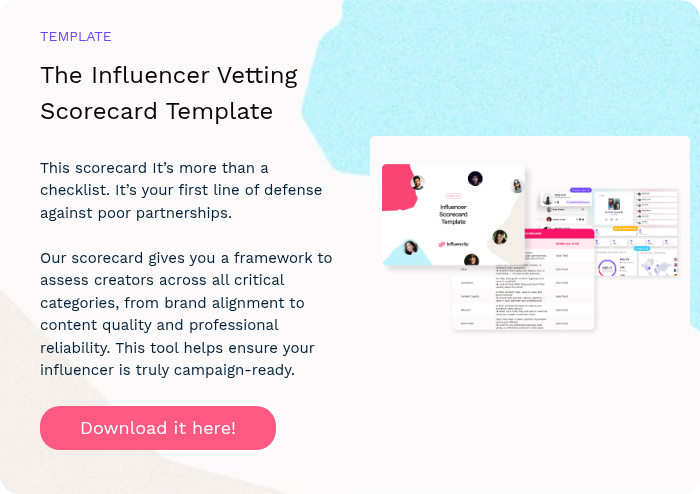
Use the platform’s discovery and influencer CRM features to filter by audience size, demographics, and past performance. Audience audits can flag fake followers, the location of followers, or low-quality engagement before contracts are signed. This avoids wasted spend and helps protect campaign ROI.
Step 3: Send onboarding emails and creative briefs.
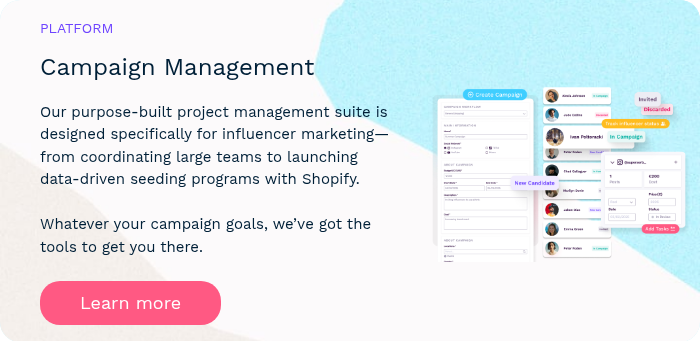
Automated templates save time and prevent errors. Instead of manually attaching files, the system sends influencers their briefs, legal terms, and deadlines in one package. A kickoff call or short explainer video can also reduce back-and-forth later.
Step 4: Manage content timelines.
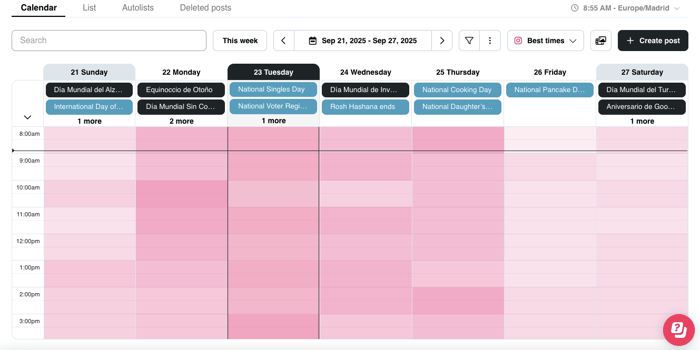
A Gantt-style calendar shows every draft, approval, and post in order. This makes it easier to spot bottlenecks, coordinate across markets, and adjust go-live windows if needed. With everything visualized in one timeline, teams can anticipate conflicts before they become problems.
Step 5: Sync reporting to dashboards.
UTM links connect influencer posts to your analytics, so campaign results update in real time. Instead of waiting weeks for a final deck, you can see which influencers are driving clicks, sales, or sign-ups within hours of posting.
This structure keeps the focus on strategy and outcomes rather than logistics. For smaller teams, it brings organization to everyday influencer work. For larger teams, it provides the oversight needed to manage campaigns across multiple regions and products.
Most marketing teams only scratch the surface of their influencer campaign management tools. They use the platform to organize content calendars and share briefs, but they often miss features that can drive better performance and reduce risk.
To get the most out of your system, it helps to think about features by stage of the workflow:
During selection:
During planning:
During the active campaign:
During reporting:
When used together, these features turn influencer campaign management software into more than a coordination tool. They provide early warnings, reduce wasted spend, and highlight opportunities to double down on what works.
Advanced features are not extras. When your team is not overwhelmed with admin tasks, these features enable them to improve results continuously, not just execute campaigns.
Even with strong software, influencer campaigns can run into problems if the process is poorly managed. The good news: most issues are avoidable once you know what to watch for.
Overcomplicating workflows.
Some teams add multiple approval layers in hopes of improving quality, but the result is slower launches and frustrated creators. A better approach is to use tiered approvals: brand-critical assets (such as product claims) receive a full review, while less critical content (like stories) can proceed with quicker sign-off.
Weak creator onboarding.
When influencers are left to interpret briefs on their own, deadlines slip and posts miss the mark. Using onboarding templates, kickoff calls, or explainer videos can prevent confusion and cut revision cycles in half. Clear onboarding is a crucial step in protecting ROI.
No feedback loop.
Too often, teams close a campaign without reviewing what worked, what didn’t, and recommended changes or tests for the subsequent activations. Without post-campaign analysis, the same mistakes repeat. Good practice is to hold a short debrief call, share performance dashboards, and capture learnings in the influencer CRM. This makes the next campaign easier to plan and improves long-term results.
Focusing only on vanity metrics.
Counting likes and impressions without connecting them to campaign ROI leads to poor decisions. Use UTM links, conversion tracking, and sentiment analysis to see how influencer work ties to business goals.
Campaign management software enables your team to focus on strategy when paired with clear onboarding, simple workflows, and continuous feedback. Avoiding these common mistakes ensures you get full value from your platform and your creators.
Sometimes the easiest way to know if it is time to upgrade your tools is to ask a few direct questions. If two or more of these sound familiar, your team will benefit from a dedicated influencer campaign management platform.
Are you managing 10 or more influencers per month?
Coordinating more than a handful of creators by email or spreadsheet usually leads to missed deadlines and inconsistent communication.
Do you track campaign ROI or just impressions?
If reports stop at vanity metrics like likes and reach, you are not seeing the whole picture. Campaign management software connects influencer posts to conversions, sales, and brand sentiment.
Do campaign reports take longer than two hours to compile?
Pulling screenshots and building decks manually is time-consuming and error-prone. Centralized dashboards make reporting a matter of minutes.
Do you use more than three tools to manage campaigns?
If your workflow involves Slack, Excel, Google Drive, and separate analytics platforms, you are losing time to context-switching. A single hub reduces duplication and confusion.
Is influencer history hard to track?
When you cannot easily see who delivered on time, who needed multiple revisions, or who drove the highest ROI, it is challenging to plan the next campaign with confidence.
If you answered “yes” to at least two of these, it is time to consider a platform that brings everything into one place. The payoff is faster campaigns, clearer ROI, and stronger relationships with the creators who matter most to your brand.
Sephora shows that influencer marketing success is not just about high-profile names or trendy content. It is about structuring global campaigns so that hundreds of creators, across regions and platforms, can tell a consistent story while delivering measurable results. Their Sephora Squad program proves that creative energy needs a backbone of campaign management: centralized briefs, streamlined onboarding, and unified reporting.
The lesson for most brands is clear. You don’t need Sephora’s budget or brand recognition to learn from their approach. What you need is a reliable system to coordinate creators, keep content on schedule, and measure ROI in real time.
Influencer campaign management software makes that possible. With features like influencer CRM, automated onboarding, performance dashboards, and fraud detection, teams gain both control and flexibility. The future of influencer marketing belongs to agencies and in-house teams that treat it like a managed, measurable business function, not just a creative experiment.
If your campaigns feel messy, slow, or difficult to measure, now is the time to upgrade. Discover how Influencity can empower your team with the capabilities that helped Sephora streamline its global activations.
Book a demo today and turn influencer marketing into one of your most effective growth channels.










%20and%20How%20Can%20They%20Benefit%20Your%20Brand%20article.jpg?length=628&name=What%20Are%20Key%20Opinion%20Leaders%20(KOL)%20and%20How%20Can%20They%20Benefit%20Your%20Brand%20article.jpg)