


Picture this.
It is a Friday evening. The kind of Friday where the glow of your monitor has finally started to dim, you have mentally checked out, closed your seventy-three browser tabs, and started dreaming of a cold drink and a weekend without screen time.
Suddenly, a Slack notification shatters the peace. It is the Account Director.
The client, a massive, global FMCG brand, wants to see the raw engagement metrics and the localised assets from the third wave of TikTok deliverables. The ones that went live forty-eight hours ago. The ones that are supposed to justify the next quarter’s budget.
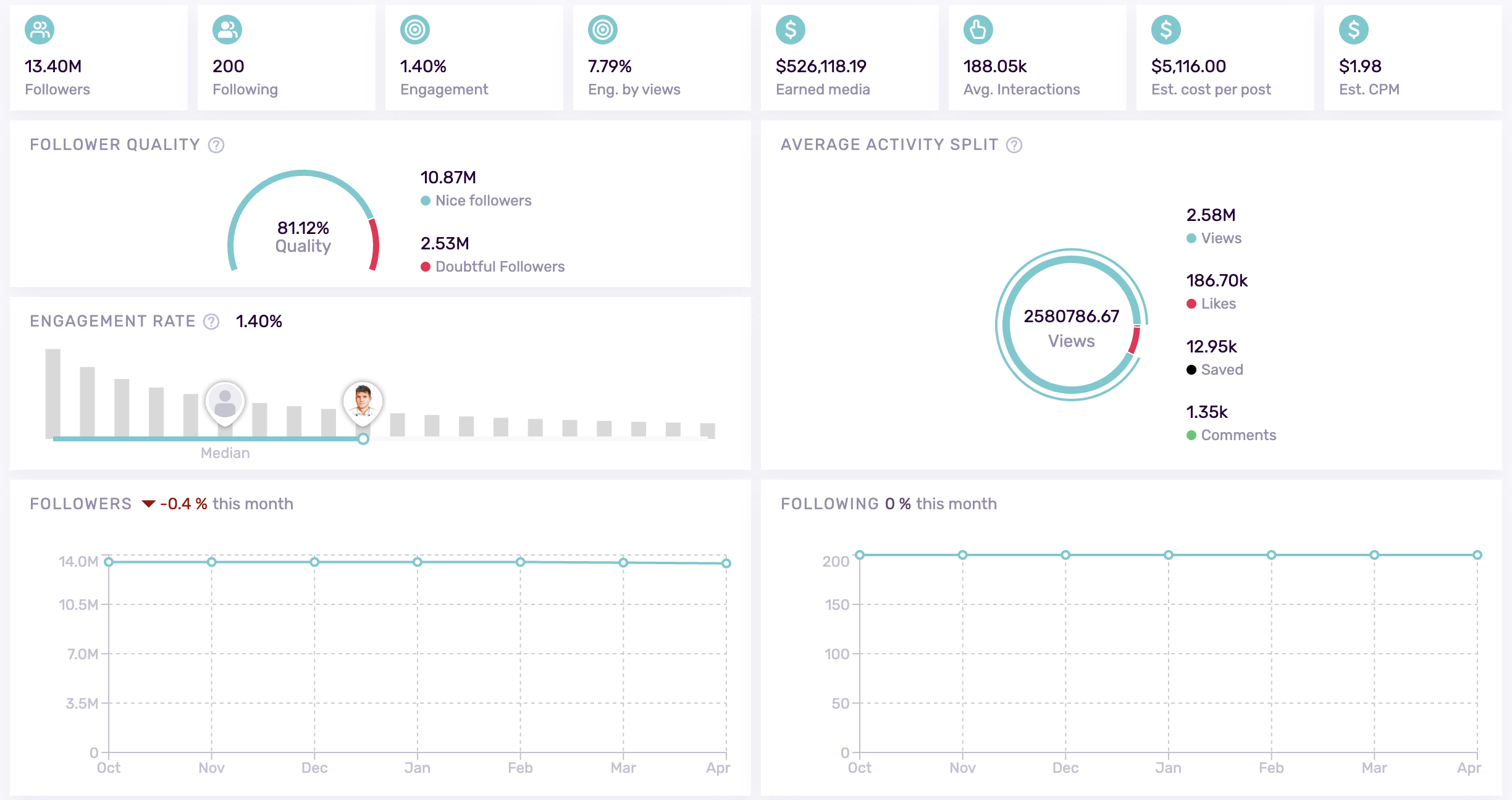
You open the master spreadsheet. It is a Frankenstein monster of colour-coded cells, broken formulas, and panicked notes. The link is there. You click it, holding your breath.
The screen flashes white, then grey.
"Video unavailable."
The influencer deleted it. Or the link expired. Or the platform glitched and took it down for a rogue background song.
You scramble. You check the shared Google Drive. Empty. You check your email. Just a tragic, one-sided chain of unreplied messages asking the creator to please upload the MP4 at your earliest convenience. You are now a digital archaeologist, sifting through the ruins of a campaign, trying to prove that an event actually happened.
This is the Bermuda Triangle of influencer marketing. Deliverables go in, and nothing comes out but pure, unfiltered panic.
Content tracking is the unsexy plumbing of the creator economy. Nobody wants to talk about it at industry panels. We all want to talk about virality, cultural resonance, and storytelling. Bu you cannot tell a story if you lose the manuscript.
When you manage creators, you are managing a decentralised, volatile, fast-moving narrative. And if you are still trying to capture that narrative with manual spreadsheets and desperate DMs, you are building a castle on a foundation of sand.
Let us talk about the scale ceiling, the hidden costs of missing content, and the actual, battle-tested practices that mature agencies use to bulletproof their deliverables.
Before we fix the problem, we need to diagnose the disease.
Most agencies begin their influencer journey by managing a small, curated roster of high-value creators. At this boutique scale, tracking is manageable. It is an artisanal process. You can afford to manually check links, screenshot Instagram Stories before they vanish into the ether, and gently nudge creators via WhatsApp.
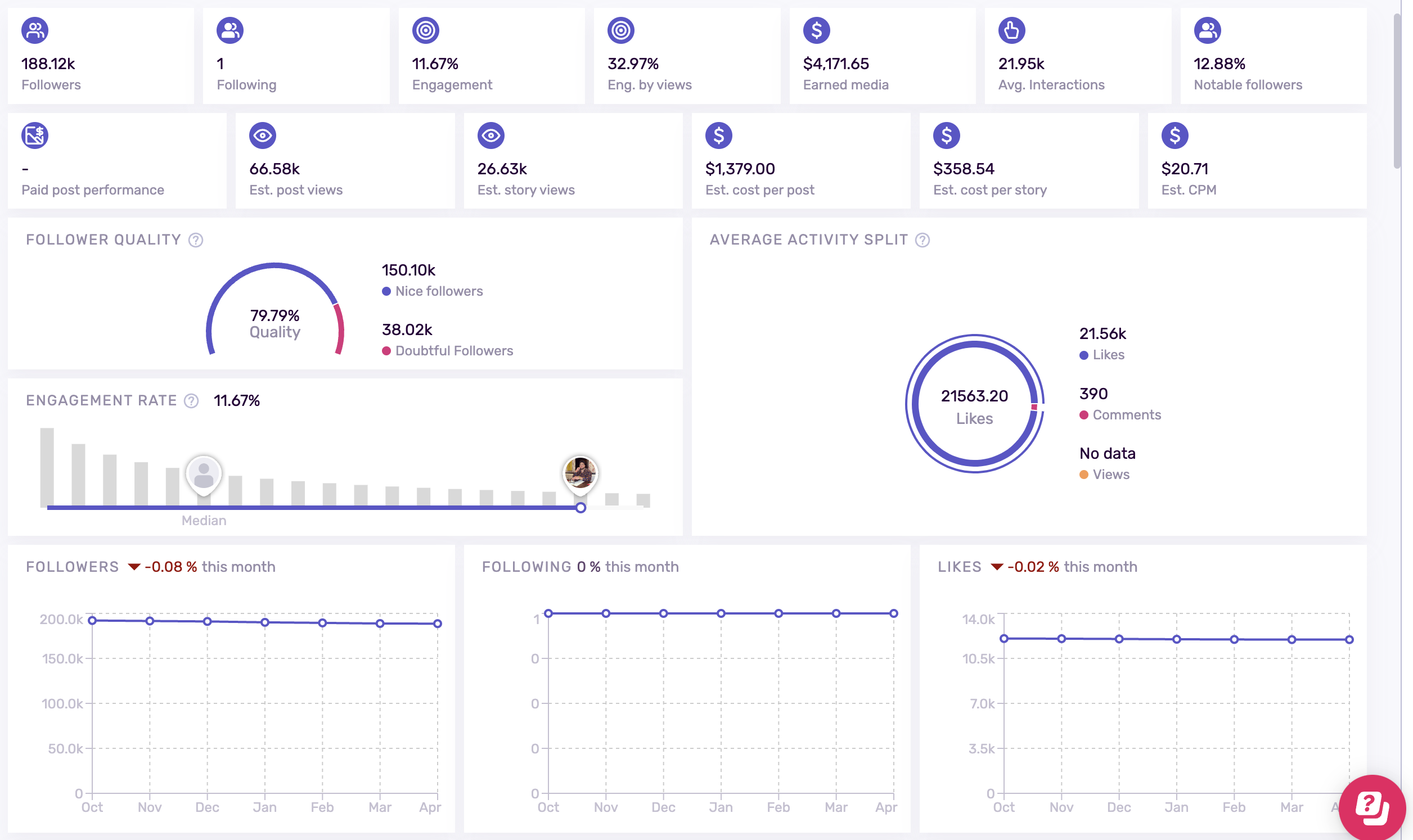
But then, you get good at your job. You win bigger pitches. Suddenly, you are not managing ten creators; you are managing two hundred micro-influencers across five time zones, three languages, and four different social platforms.
The workload it compounds.
This is where the manual tracking system spectacularly breaks down. If an agency has to hire a new campaign coordinator for every ten new influencers added to the roster just to chase links and download videos, the business is scaling its headcount, not its efficiency.
Every hour a strategist spends hunting down a missing deliverable is an hour they are not spending analyzing data, spotting trends, or crafting the narrative for the next pitch.
Worse, it damages the narrative. If an Instagram Story is missed, the agency loses the proof of earned media. You cannot retroactively measure the impact of a ghost. When you sit down with the brand to discuss ROI, and your numbers are full of asterisks and "estimated" reach because the actual assets vanished, the trust evaporates.

Mature agencies understand that content tracking is not an administrative chore. It is a risk mitigation strategy. It is the insurance policy on the campaign’s narrative.
If you want to see a masterclass in narrative planification and content tracking, look no further than CeraVe’s multi-award-winning 2024 Super Bowl campaign, Michael CeraVe.
The premise was brilliantly absurd, plant a conspiracy theory across the internet that the notoriously quirky actor Michael Cera was the true founder of the dermatological skincare brand, build the rumor to a fever pitch, and then dramatically debunk it on the world's biggest advertising stage.
But pulling this off was not just a creative triumph, it was a logistical marathon. The agency did not just launch a commercial. They worked with over four hundred and fifty influencers to seed the narrative over three weeks.
Imagine tracking that.
You had creators like Bobbi Althoff posting awkward "interviews" with Cera. You had TikTokers like Haley Kalil "accidentally" catching him signing lotion bottles in pharmacies. You had beauty influencers posting unboxing videos of bizarre packages covered in his face. And as the rumor gained steam, you had creators posting satirical influencer apology videos for being duped by the conspiracy.
This was a multi-stage, decentralised storytelling event. If the tracking system failed here, the entire joke would have flatlined.
The agency had to track organic momentum across 450+ unique touchpoints. They needed to know exactly when a video went live, how the comments section was reacting, and when to trigger the next phase of the rumor.
If deliverables went missing, or if a creator posted the wrong brief on the wrong day, the timeline would fracture. If they could not track the engagement rates of the seed videos, they would not know which creators to allowlist and boost to reach the six billion impressions they generated before the game even started.
Campaigns of this magnitude require real-time API scraping. The agency could not wait for creators to email their metrics at the end of the month. The content had to be captured the second it went live, categorized by "phase" (e.g., seeding, escalation, apology, reveal), and analyzed instantly to adjust the paid media spend.
This campaign proved that massive, chaotic creativity requires rigid, automated infrastructure behind the scenes.
While CeraVe dropping a Super Bowl conspiracy bomb is a brilliant example of a short-term narrative spike, Gym King’s 2025 performance-first playbook represents the exact opposite challenge: tracking an "always-on" ecosystem without losing your mind, or your margins.
Gym King did not build their massive 2025 revenue leap by running isolated, flash-in-the-pan campaigns. Through partnering with their agency, Journey Further, they built a perpetual motion machine of content. They threw out vanity metrics and started treating influencers like a rigorous index fund rather than a slot machine, identifying creators based purely on audience conversion probability.
Their strategy relies on recurring media inventory. Their athletes and lifestyle creators post day-in-the-life clips, workout challenges, and product drop hype across YouTube, Instagram, and TikTok constantly. Underneath this content engine is a massive, humming affiliate structure tracking codes, links, and direct sales.
%20copia.png?width=1398&height=859&name=influencer-seeding-hero-image-composition%20(1)%20copia.png)
Gym King is not playing the lottery, hoping for a single hero post to save the quarter. They are looking at how a creator’s credibility compounds over time. One deadlift tutorial might splinter into a long-form YouTube video, three short-form Reels, and a handful of transient TikToks. Tracking this manually is like trying to catch rain in a sieve.
When your revenue model is tethered to continuous creator output, treating content tracking as an afterthought is like navigating a minefield in roller skates. If a creator drops a high-converting video about a restock, but the agency misses capturing the asset before the algorithm buries it or the link rots, they cannot reverse-engineer the win. Was it the conversational hook? The specific call-to-action? The lighting on the trackpants? Without the raw file safely stored, the data is just a spooky campfire tale with no punchline. You lose the attribution, and worse, you lose the blueprint for replication.
For a performance juggernaut like Gym King, tracking is all about SKU-level lift and multi-platform cadence. Mature teams handling this sheer volume enforce a taxonomy so strict it would make a military drill sergeant blush. They normalize the formats so they can compare thousands of posts side-by-side. They track the holdouts, comparing audiences exposed to the creator versus those who lived in the dark. Most importantly, they archive the raw assets so their paid media teams can instantly turn organic wins into hyper-targeted spark ads, delivering that sweet 3:1 ROAS, without ever having to beg the creator for the original file.
If you want to see how to build a community instead of a billboard, look at the 2025/2026 iteration of The ASOS Insiders. ASOS shifted their strategy away from transactional, hit-and-run shoutouts to a highly curated, long-term partnership program that treats micro-influencers as permanent brand extensions.
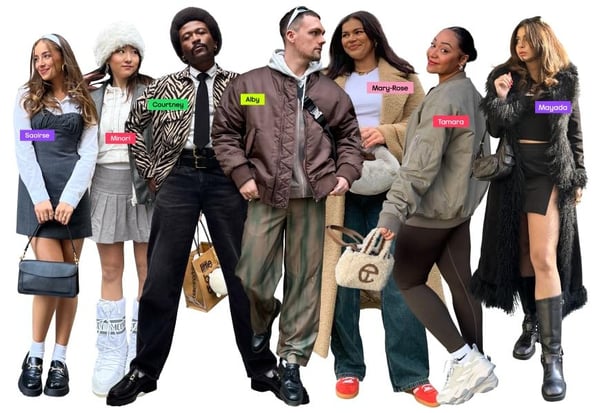
The Insiders are a diverse squad of niche creators who act as authentic ambassadors, creating shoppable content that blends so seamlessly into their followers' feeds you hardly realize you are being sold to. ASOS’s goal is not just to slap a product in front of eyeballs; it is to weave their clothing into the daily digital fabric of their target audience, providing a masterclass in clothing the loop of community commerce.
Managing a continuous program with a sprawling web of creators requires tracking a narrative that never sleeps. A fashion nano-creator might introduce a customer to a new jacket silhouette (first touch), another Insider might post a styling tutorial that nurtures the interest (mid-funnel), and a targeted brand ad using their content might drive the final purchase (conversion). It is a relay race, not a sprint.
If ASOS tried to track this digital relay race with scattered email threads and manual spreadsheets, they would drop the baton immediately. They would misattribute their success entirely, giving all the credit to the final click and completely ignoring the nano-creators who planted the seed of desire in the first place. This leads to broken budgets, alienated partners, and a strategy built on a foundation of wet spaghetti.
Giants like ASOS Insiders rely heavily on multi-touch attribution and incrementality testing. They need systems that track cross-channel influence over a long horizon. When an Insider posts, the tracking system must log not just the immediate dopamine hit of likes, but how that specific piece of content influences branded search volume or cart additions three months down the line.
That level of data sophistication is physically impossible if you are still manually copy-pasting URLs into a spreadsheet at 4:59 PM on a Friday. You need a centralized vault that connects the creative dot to the commercial dollar.
The agencies that handle global, multi-tiered campaigns without breaking a sweat do not have better luck; they have better systems. They treat content capture with the rigor of a forensic investigation.

Here is the playbook they use to turn the chaos into a symphony.
Amateur agencies wait until a post is live to start worrying about where the file is going to live. Mature agencies build the filing cabinet before the creator has even picked up the camera.
This starts at the contracting and briefing stage. Instead of burying the deliverable requirements in page six of a dense legal document, top-tier agencies make content delivery a structural requirement for payment.
But they go further. They practice Pre-Mortem Content Architecture. They look at the campaign and ask: How is this going to break?
If they are running a multi-market rollout, they know that relying on creators to drop files into a single, massive Dropbox folder is a recipe for a digital landfill. Instead, they map the content journey before launch. They define exactly what delivered means.
Does it mean a live link? A raw MP4 file? An approved draft uploaded to a specific portal?
Taking care of this stage of recollection of the content early, they remove the ambiguity that causes missing files later.
If you are relying on human beings to manually screenshot Instagram Stories before the twenty-four-hour timer runs out, you are playing a losing game against the clock.
Stories vanish. TikToks get taken down. YouTube videos get unlisted. This phenomenon is known as "link rot," and it is the absolute enemy of historical campaign data.

Mature agencies do not rely on manual capture. They automate the net. They use platforms that plug directly into social media APIs. The second a creator hits publish, the system detects the post, pulls the metrics, and most importantly, scrapes and archives the actual visual asset.
It is like having a digital safety deposit box that automatically catches the money as it falls from the sky.
When you automate capture, you eliminate the middle-of-the-night panic. You decouple campaign volume from administrative hours. Your team can sleep peacefully knowing that even if a creator decides to delete their entire internet presence at 3 AM in a fit of existential dread, the campaign asset is safely locked in the agency vault.
Let us talk about the silent killer of agency productivity: the file named "Final_FINAL_v4_use_this_one.mp4".
When a campaign wraps, the agency usually needs to repurpose the content. They want to hand the best-performing assets over to the paid media team to run as allowlisted ads. But when the paid team opens the drive, they are greeted by a chaotic mess of unnamed files that look like someone smashed their forehead against a keyboard.
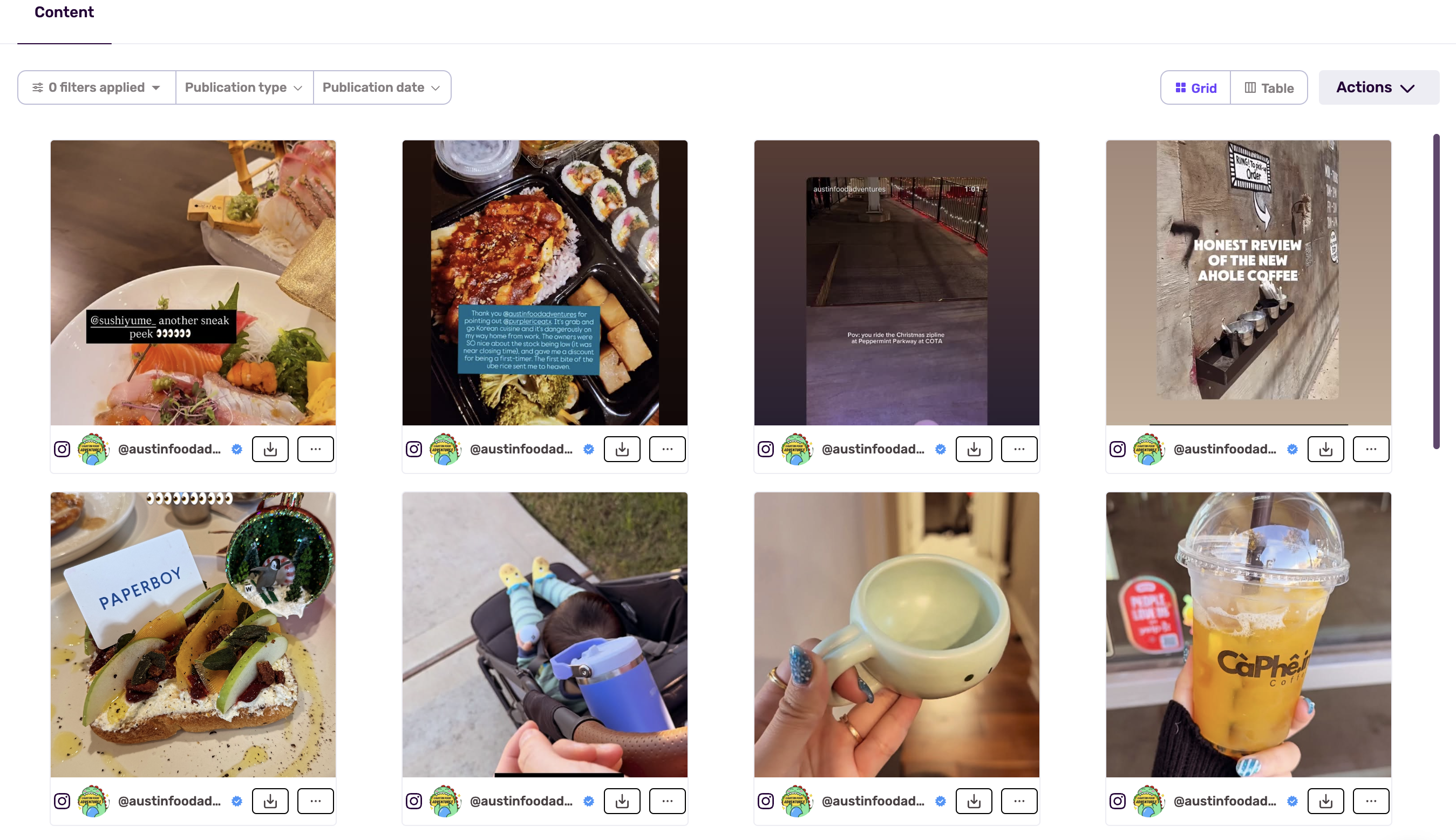
Mature agencies enforce ruthless taxonomy. They create a naming convention that is as rigid as a mathematical formula, and they enforce it without mercy.
A strong naming convention tells a story all by itself. It should include the brand, the campaign, the creator, the platform, the format, and the date.
For example: CeraVe_SuperBowlSeeding_HaleyKalil_TikTok_Video_20240115.mp4
When every piece of content follows this structure, finding an asset is no longer a scavenger hunt. It is a simple database query. You can filter, sort, and pull exactly what you need in seconds. It sounds pedantic, but when you are managing three hundred pieces of content, a good naming convention is the difference between an early Friday finish and a ruined weekend.
Amateur agencies wait until the campaign is completely finished to gather all the content and look at the numbers. By then, the ship has sailed. If the messaging was off, or if the content was not resonating with the target demographic, it is entirely too late to fix it. You are essentially doing a post-mortem on a campaign that could have been saved in the emergency room.
Mature agencies use their tracking systems to create a forty-eight-hour feedback loop. Because they are capturing content and metrics in real-time, they can spot trends immediately.
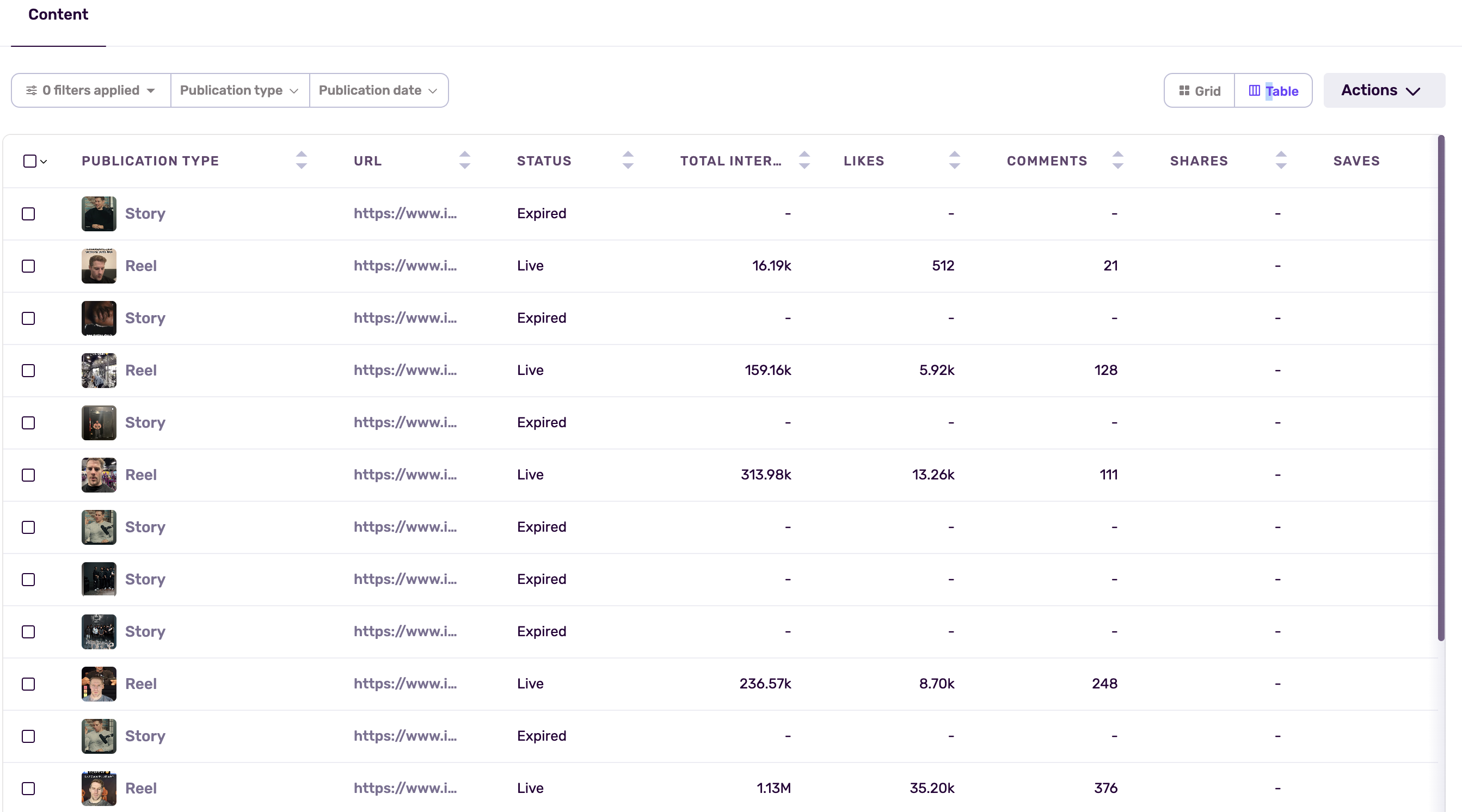
If they launch a massive campaign, they are watching the first wave of content like hawks. They use tracking to identify the "hero" assets within the first forty-eight hours. Which hook stopped the scroll? Which creator’s specific angle generated the most link clicks? Because they have the content neatly tracked and organized, they can immediately pivot. They can tell the wave-two creators to double down on the angles that worked in wave one, or ditch a talking point that fell flat.
Tracking transforms from a defensive filing system into an offensive strategic weapon. It is the compass that guides the creative narrative.
We have talked about the theory. We have talked about the pain. We have looked at how the titans of the industry maneuver through the noise. Now, let us talk about the cure.
At Influencity, we have watched brilliant marketers burn out because they were trying to be data entry clerks. We have seen incredible agencies lose pitches not because their creative ideas were bad, but because they could not reliably prove their historical performance.

We realised that if we wanted to empower agencies to tell better stories, we had to build a system that eliminated the friction of tracking those stories. We had to build a tool that took the chaos of a CeraVe-style mega-campaign.
We built a narrative vault.
When an agency uses Influencity’s content tracking infrastructure, the manual scavenger hunt dies immediately. We shift the paradigm from chasing content to observing performance.
Here is how we translate the chaos into order.
Step 1: No Opt-In Needed
You do not need to stalk your creators’ profiles anymore. Influencity allows you to create a content tracking tailored to your campaign’s needs and parameters.. When a campaign goes live, our system is already waiting. It automatically detects the published content, pulls it into the dashboard, and locks it in.
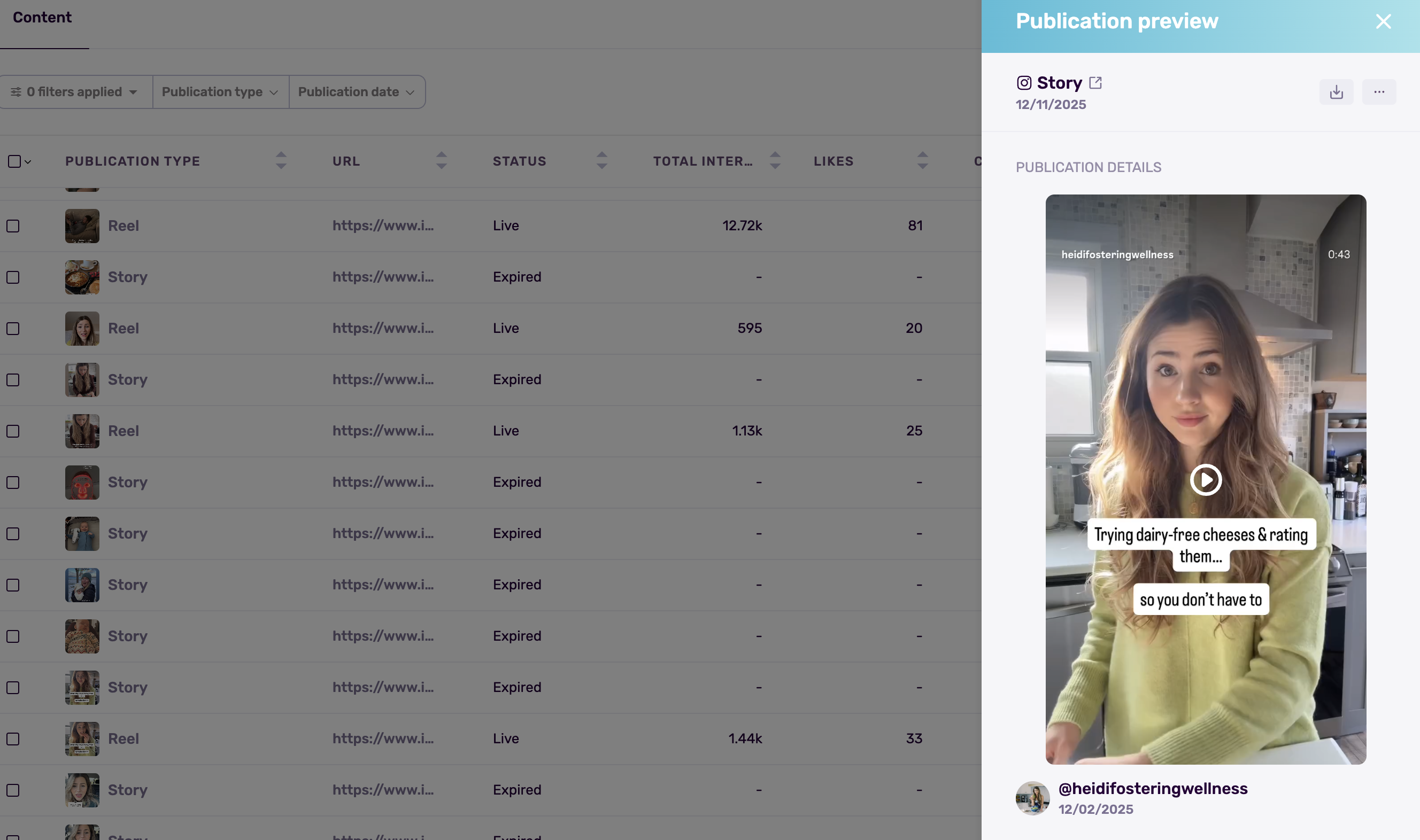
Instagram Stories? Caught before they vanish. TikToks? Archived. YouTube videos? Logged. You never have to send another passive-aggressive email asking a creator for a screenshot again. You simply log in, and the proof of work is sitting there, waiting for you.
Forget the Google Drive abyss. Influencity acts as a centralised, searchable library for your entire campaign ecosystem. Every piece of content is tied directly to the creator, the campaign, and the performance metrics.
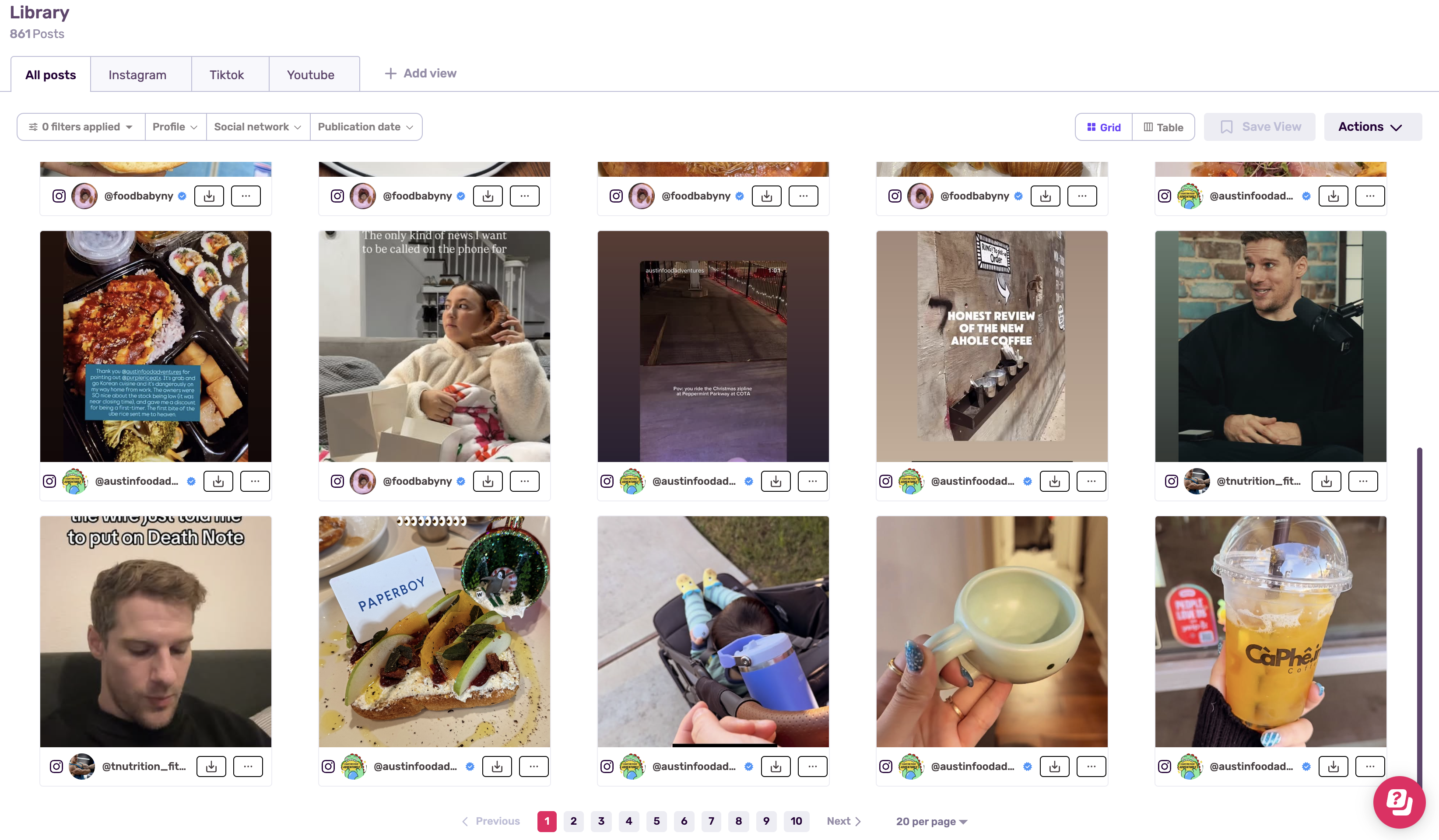
You want to see the specific video that drove the highest engagement rate in the UK last Tuesday? You do not need to cross-reference three spreadsheets. You click a button. The visual asset and the data live in the exact same house.
Content tracking is only useful if it proves value. Through automatically capturing the content alongside the real-time metrics, Influencity allows agencies to draw a straight, undeniable line between the creative output and the business outcome.
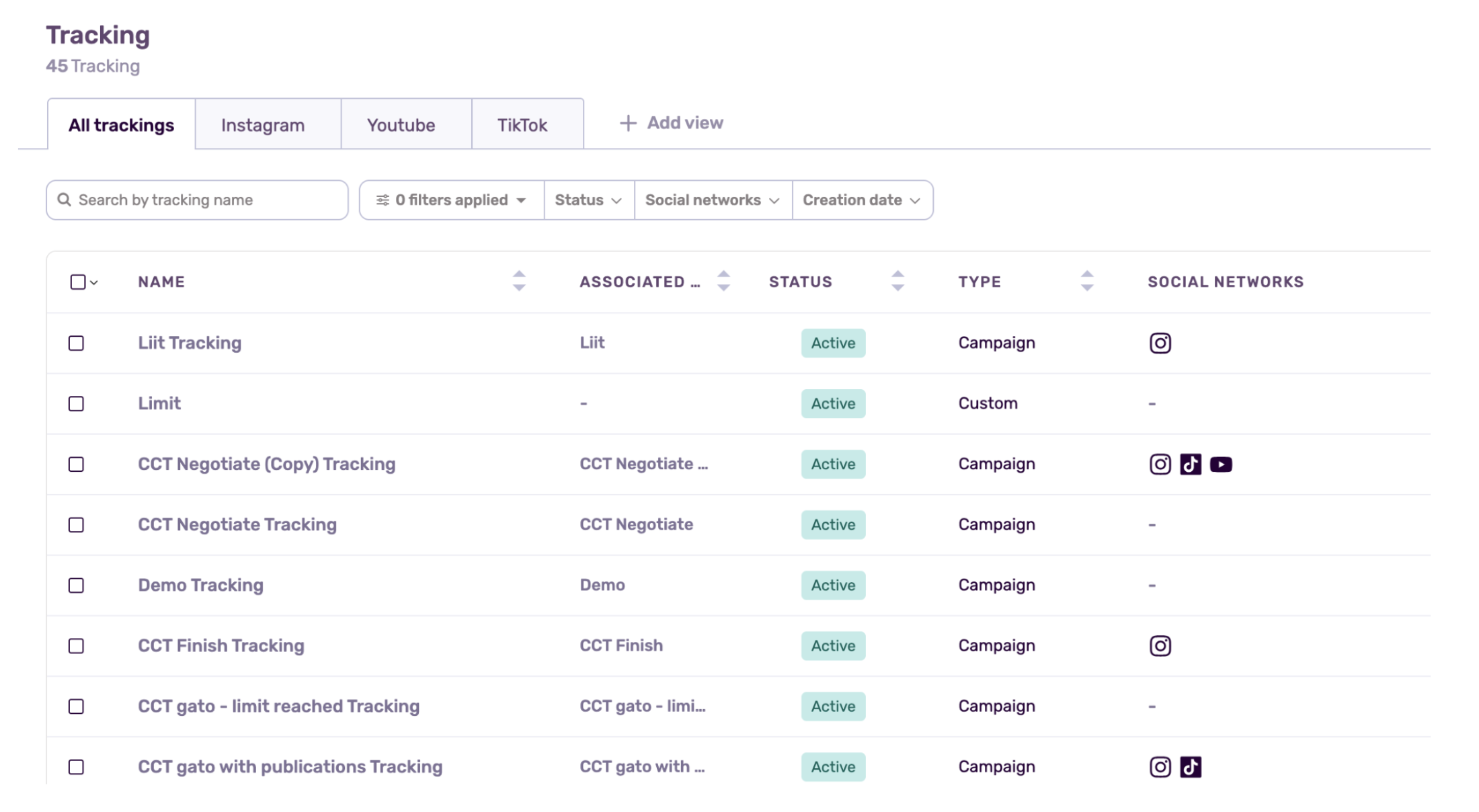
When you sit down for the client review, you are not showing them a spreadsheet full of dead links and excuses. You are showing them the actual video playing on screen, sitting right next to the conversion data it generated.
We take the plumbing out of your hands so you can focus on the architecture. We make the content inevitable, so you can make the success undeniable.
When you finally fix your content tracking, the benefits do not just stay in the analytics department. The positive effects ripple outward, transforming the entire agency ecosystem.
When your organic influencer content is perfectly tracked, archived, and labeled, your paid media team will weep tears of joy. The friction between organic and paid disappears.
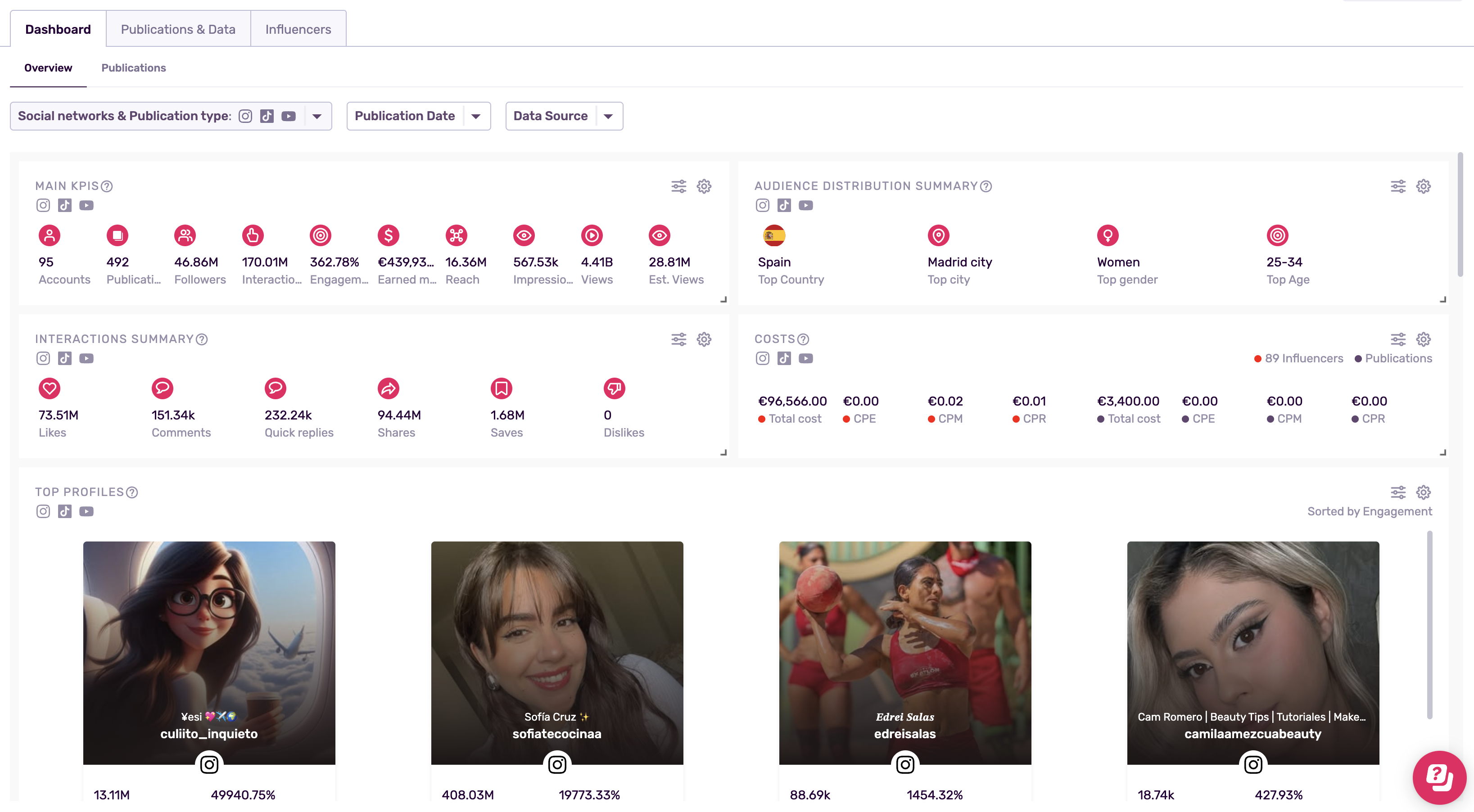
The paid team can instantly dip into the vault, pull the highest-performing organic assets, and turn them into allowlisted ads or spark ads. You create a content recycling engine that drives down the Cost Per Acquisition because you are amplifying proven winners instead of guessing what might work.
Agencies that track meticulously pitch differently. When you walk into a room to win a new client, you are not just promising good vibes and clever creativity. You can open a dashboard and say, "Here is exactly how we executed our last campaign. Here is every piece of content, mapped to every metric, captured flawlessly.
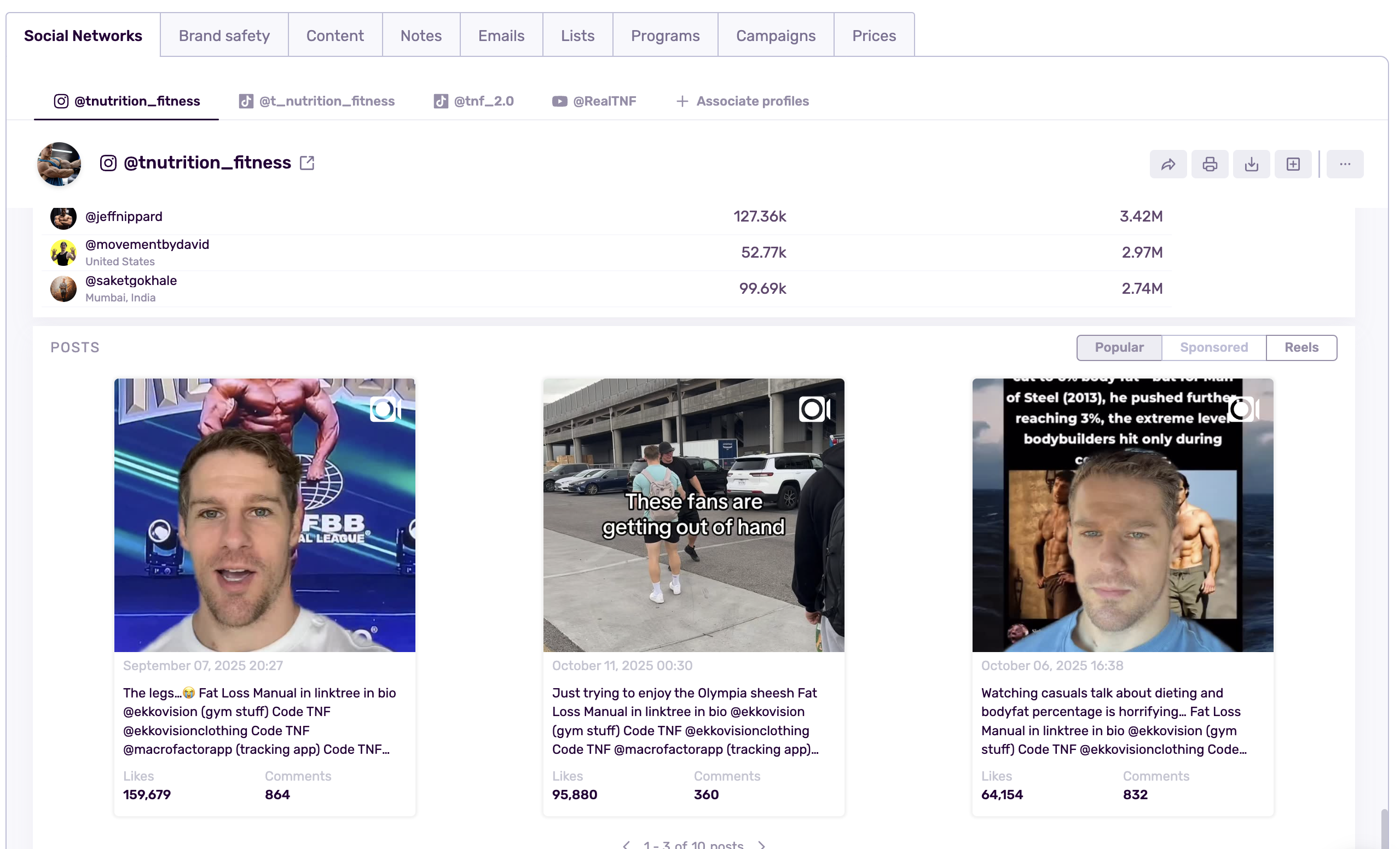
Here is the exact journey of a piece of content from a micro-influencer to a macro-conversion. That level of operational transparency is magnetic. It reduces the perceived risk for the buyer. It says: We are not just creative; we are extraordinarily competent.
Never underestimate the value of morale. When you remove the manual drudgery of hunting down MP4s and chasing expired links, your team breathes easier. You give your strategists their brains back. They can stop acting like stressed-out hall monitors and start acting like actual marketers. They can spend their time analyzing the psychology of the comments section, rather than fighting with a broken hyperlink.
The days of brands handing over massive budgets and accepting a few screenshots in a PowerPoint as proof of a job well done are coming to a hard close. Procurement teams want receipts. Brand managers want historical data. Paid teams want raw files.
If your agency cannot provide them instantly, cleanly, and confidently, you are leaving the door wide open for an agency that has built the machinery to do so.
Do not let your brilliant, hard-fought campaign go down in history as a missed-story error message. Build the system. Automate the capture. Protect the narrative.
So, take a hard look at your current campaign workflow. When that next massive, multi-market rollout kicks off, are you going to be strategizing the narrative, or are you going to be refreshing a broken Google Drive link at midnight?










%20and%20How%20Can%20They%20Benefit%20Your%20Brand%20article.jpg?length=628&name=What%20Are%20Key%20Opinion%20Leaders%20(KOL)%20and%20How%20Can%20They%20Benefit%20Your%20Brand%20article.jpg)









.png?length=628&name=Pop-up%20image%201200%C3%97800@1x%20(1).png)