

For someone who’s chronically online, I hardly follow someone’s recommendation just because they’re famous. The recommendations I do take seriously come from creators who are knowledgeable, trustworthy, and relevant to my needs or interests. And many social media users are just like me.
That’s why in 2025, influencer recruitment should no longer be just about follower counts. Instead, it’s about building lasting, high-engagement partnerships with creators who align with agency goals and brand portfolios. In this article, I unpack how brands can use audience engagement strategies to both assess potential talent and nurture loyalty with those already signed.
Let’s get started.
In the early days of modern influencer marketing, an influencer’s follower count used to be one of the biggest criteria (if not the biggest) for choosing who to work with. The more followers you had, the more likely you were to get approached by brands for collaboration opportunities.
But with the influencer landscape becoming more saturated and influencer fraud becoming more prevalent, this has changed completely.
Influencers with a massive following may have the reach, but not necessarily have the ability to engage audiences to earn their trust. This is especially true with social media users being more conscious of inauthentic promotions and mismatched brand partnerships. Many influencers no longer have the ability to truly influence people’s opinions and buying decisions.
As a result, brands and agencies have started to look beyond vanity metrics like follower count, views, and likes. This is especially significant since these metrics are easy to fake using bots and fake accounts.
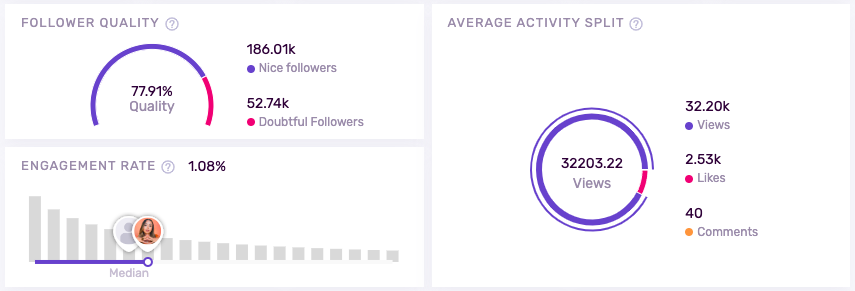
Instead, they’re focusing on engagement metrics like saves, shares, DMs, and comment threads. These metrics indicate that users are actually paying attention to the content and actively engaging with it.
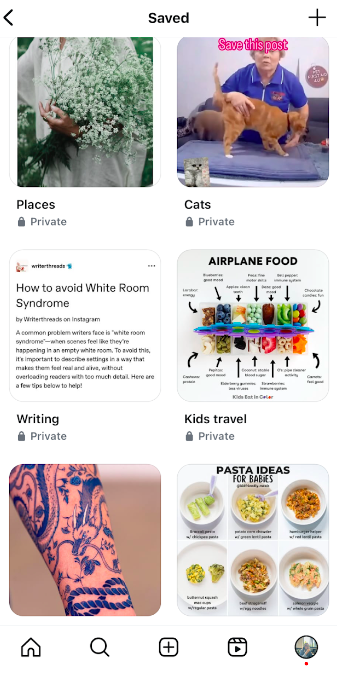
Saves and shares, in particular, send signals that people find value in the content – so much so that they’re saving it for later or sharing it with others. Personally, I have a huge collection of saved content on Instagram, where I set aside content that I find valuable, such as places to visit, tattoo ideas, cat-care tips, kid-friendly travel tips, and more.
So influencers who manage to get a lot of high-quality interactions tend to have their audience’s trust and attention because they’re providing unique value. Recruitment is easier when creators already have trust and attention instead of just exposure.
To recruit high-value influencers for powerful collabs, you need to leverage audience engagement strategies from the talent discovery phase. This typically starts with using key engagement metrics during the influencer search and vetting process.
Vanity metrics refer to superficial numbers that look good on paper but don’t give you true insight into an influencer’s performance. Follower count is the biggest vanity metric that doesn’t serve as an accurate predictor of collaboration success.
Impressions and views are also considered vanity metrics because they don’t really tell you if the people who saw the content actually enjoyed it. Meanwhile, likes are easy to give out and fake using bots and fake accounts. So they’re not very useful for understanding just how much of an impact the content had on the audience.
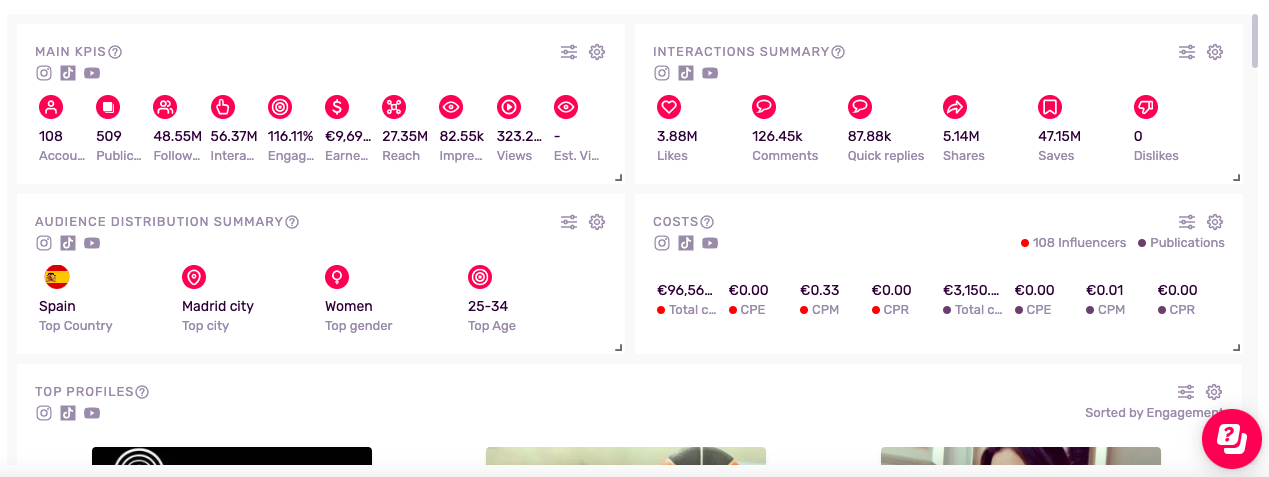
Avoid getting distracted by these numbers if you’re looking to build winning collabs with highly engaging influencers.
You’ll want to start off with a comprehensive search for influencer profiles that fit your baseline criteria. Smaller creators (mid-tier, micro, and nano) tend to have cult followings and engaged communities. So you should focus your attention on profiles fitting these requirements.
Use an influencer marketing tool like Influencity to run an initial search. This will let you use search filters like follower count, average interactions, and engagement rate to surface creators fitting your criteria. So for example, you could run a search for influencers having 5,000 to 10,000 followers, 2,000 average interactions, and an engagement rate of around 3%.
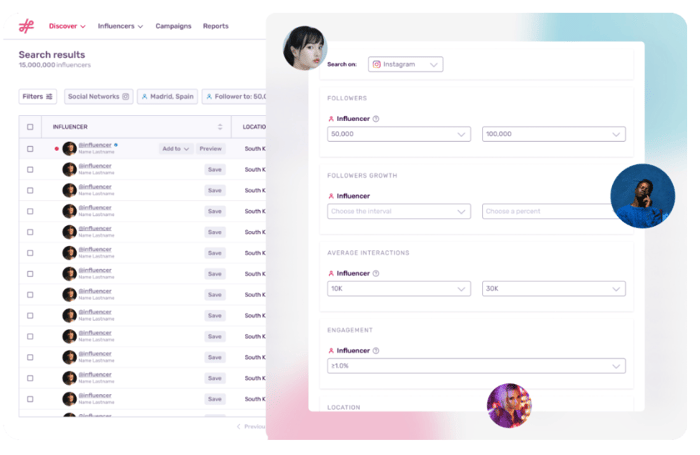
Higher engagement rates and interaction counts typically indicate that an influencer has a highly engaged community. At the same time, some influencers might fake their engagement through bots, fake accounts, and engagement pods. So don’t rely on your initial list alone to recruit influencers.
It’s important to dig deeper and analyze the quality of comments they receive in their posts. Are people asking questions? Are they adding to the conversation?
Genuine comments from real audiences tend to be relevant to the content – whether they’re asking questions or adding to the discussion. Alternatively, emoji-only comments or generic phrases tend to fall under fake engagements.
Notice how the following influencer manages to start a discussion about hiking in the rain. The comments come from people sharing their opinions and experiences, which indicates high-quality engagement.
Influencer talent agencies typically treat creators like employees. This means that right from the outreach process, they’re considered as individuals who would potentially work for them.
But to nurture a long-term relationship with the creators in your network, you need to treat them like future clients instead. This means you’ll be approaching them as an agency that will work for them instead of the other way around. So it’s important to strategically nurture your relationship and gradually ease them into the pipeline.
For instance, you could host live Q&A sessions or Clubhouse-style panels with unsigned creators. This creates an opportunity for creators to get to know your agency better and find answers on what it’s like to work with you – what brands they could collab with, how much they could potentially get paid, what types of campaigns you manage, and more.

This will make it much easier to discover warm leads without having to manually interview every potential talent. So you can save plenty of time and resources by focusing them on creators who are most likely to end up signing with you with you.
Alternatively, you could also start a branded Slack or Discord channel for future talent. This is another great way for potential creators to interact with your agency in their own time. As such, you can effectively turn cold outreach into warm pipelines.
The role of engagement extends far beyond the influencer discovery phase. In fact, you can build an entire influencer recruitment funnel based on it. Let’s walk you through the step-by-step process of building an engagement-based recruitment funnel.
Start by identifying creators with rising engagement. You can make use of influencer analytics platforms like Influencity to find potential influencer profiles and track their engagement growth over time. You can use the influencer analytics tool to visualize each influencer’s engagement rate and follower growth over time. This helps you narrow down creators who have been seeing a rise in engagement.
Additionally, you can also use the social listening features to monitor engagements around specific industries and topics. Then find out who’s leading the conversation to identify budding creators who are just starting to gain attention in your industry.
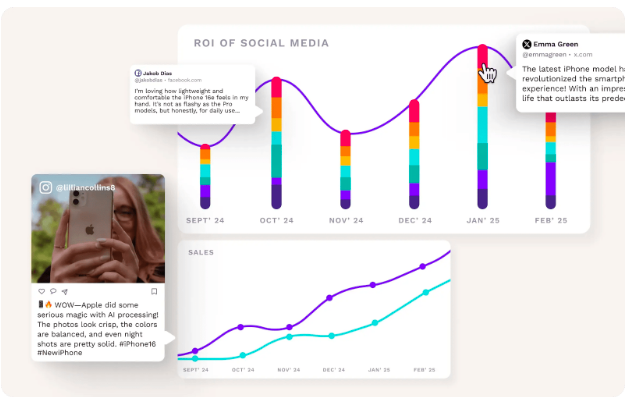
Before committing to a full-fledged, long-term partnership, it’s important to get a feel of what it would be like working with the influencer. Sure, they may be getting tons of engagement on their personal posts. But will they be able to drive the same level of engagement for sponsored content?
That’s why you should start with low-commitment collaborations. Read: low-effort, short-term collabs.
For instance, invite influencers to do a content Stitch or have them repost your content just to get an idea of how audiences will respond. This type of collab is great because you don’t have to sign complicated deals or long-term contracts that could get you stuck with an influencer who doesn’t deliver. It also gives you a fair idea of what it’s like to interact and work with the influencer.
Now your test collaboration should be able to reveal enough insights to see if an influencer is the right fit. Look at how audiences are interacting with the collab. This will give you an idea of how future partnerships will pay off. So you can understand if it’s worth it to sign a particular influencer for the long run.
Creativity is another factor to consider when evaluating creator fit. How creatively does the influencer position the brand or product through their content? Are they making it entertaining, educational, or informative? Does the collab come across as authentic instead of sales-y?
The following creator manages to keep things entertaining in their Collab Reel with Astonish Cleaners. And audiences are responding positively to it. Notice how the Reel gets several shares, indicating that people are enjoying the content enough to share it.
Another important factor to help you assess a creator is their responsiveness. How easy is it to work with them? How quickly are they responding to you? Do you have to follow up multiple times?
Consider all these vital factors to understand if it’s worth it to work with an influencer for the long run. Otherwise, you could end up in a partnership that doesn’t work for you.
Once you’re done with the evaluation, you can now pinpoint the influencers that you want to keep working with. These are creators who are responsive, creative, and engaging – showing all the signs of a lucrative partnership. You can invite these creators for a higher-commitment collab, such as longer-form briefs or even officially onboard them into your agency.
Even after recruitment, engagement continues to serve value by guiding your creator upskilling and retention efforts. Here are a few tips to help you leverage it for long-term creator partnerships.
Transparency is the key to maintaining a fruitful relationship between agencies and creators. So instead of keeping all the campaign insights to yourself, make sure to share it with your influencers. Provide them with key campaign benchmarks, such as average watch time or save rate, to help them understand how their content performed.
These insights can help influencers see how they contributed to the campaign’s success. In many cases, they can also use the data to inform their own content creation efforts and grow their engagement.
Helping signed influencers understand their audience on a deeper level is a great way to keep them warm. This type of information is essential so they can create more impactful content based on who their audience is. Not only does this benefit the influencer, but it will also result in more engaging content even when it comes to branded collabs.
Influencity offers powerful tools to conduct an influencer audience analysis. While this capability traditionally informed campaigns, the insights can also be shared with influencers.
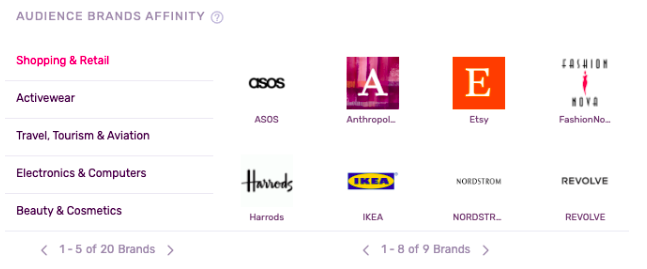
You can share details about their key demographics as well as other important insights, such as their audience’s brand affinity.
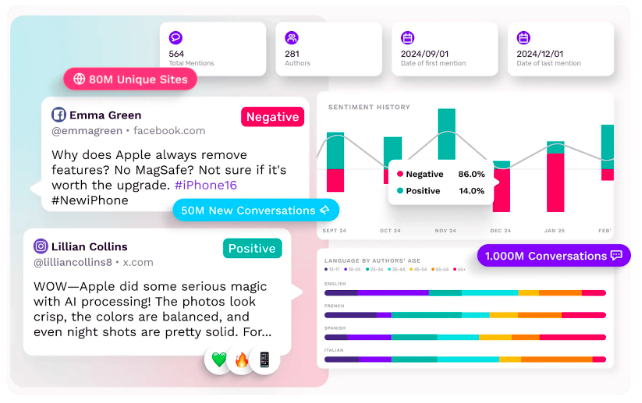
You can even share social listening insights to help them understand what their audience is talking about. What kind of conversations are they participating in? How do they feel about certain topics? These insights can inform what content to create and what angles work best to resonate with their audience.
Finally, make it easy for creators to seamlessly collaborate with brands. Create a feedback loop and share insights about what brands loved and what they didn’t like as much. This will help them understand how to better create content that aligns with specific brand partners.
For example, perhaps the brand loved the influencer’s creative product positioning, but hopes to highlight more product benefits in the future. Or maybe they loved how they kept things light-hearted, but wanted to balance it with more informative content.
These insights are essential to help influencers upskill and ensure thriving brand partnerships.
As the influencer marketing landscape goes through a significant transformation, your influencer recruitment efforts also need to evolve. Use engagement tactics to your advantage and build a recruitment strategy that gets results.
Recruit like you market—build a funnel, give value, and measure impact. The best influencers aren’t always looking—but they are watching. Start the conversation where they are: in the comments, the DMs, and the Duets.









%20and%20How%20Can%20They%20Benefit%20Your%20Brand%20article.jpg?length=628&name=What%20Are%20Key%20Opinion%20Leaders%20(KOL)%20and%20How%20Can%20They%20Benefit%20Your%20Brand%20article.jpg)