


In influencer marketing, I’ve learned that when you go live often matters just as much as what you launch. A beautifully designed campaign can fall flat if it’s mistimed, while a simple activation, executed at exactly the right cultural moment, can skyrocket beyond expectations. Live campaigns should be hitting “publish” at the moment your audience is primed, attentive, and ready to act.
Why is this so critical now? We all know that marketing has shifted into a real-time, event-driven arena. Social media doesn’t just amplify campaigns, as many people STILL think. It actually creates hype cycles. Audiences binge-watch, binge-scroll, and binge-buy in waves, and those waves are often sparked by cultural events, trending conversations, or creator-led product drops. Think about how TikTok’s #TikTokMadeMeBuyIt hashtag turned random items into sellouts overnight. The timing of when those creators posted, right as trends peaked, was everything.
For agencies and brands, this means one thing: your influencer strategy needs to be tightly synchronized with audience behavior and cultural calendars. According to HubSpot, 80% of consumers say authenticity drives their decision to follow a brand, but authenticity without relevance in the moment risks being invisible. Timing is how you bridge the two.
-Sep-25-2025-01-07-31-5441-PM.png?width=500&height=381&name=White%20%26%20Green%20Modern%20Bar%20Chart%20Graph%20(4)-Sep-25-2025-01-07-31-5441-PM.png)
And here’s the part many overlook: timing is about the preparation that leads to a flawless launch. To time a successful campaign and go live like a pro, you need a clear timeline with key milestones, identified stakeholders, and the right resources in place. Test every element in advance (including thorough UAT), create a contingency plan for the inevitable curveballs, and train your team so no one scrambles at the last minute. Finalize all assets early, automate repetitive tasks where possible, and, finally, select the optimal launch day and time based on your audience’s traffic and activity patterns. Think of it like a concert, the music only lands if the rehearsal, stage setup, and soundcheck were flawless.
Over the years, I’ve seen global brands become masters of this craft in different styles. For instance, Coca-Cola hijacks cultural milestones like the World Cup to make its message inseparable from the moment. Victoria’s Secret has perfected anticipation, launching seasonal collections when emotions (and wallets) are wide open, like Valentine’s Day. And Hellmann’s, a pantry staple, manages to steal the spotlight during the Super Bowl by tying its product to conversations about food waste at one of the world’s most-watched events.
In this article, I’ll unpack how these household names use timing to maximize ROI and more importantly, what practical lessons agencies and brands like yours can steal from their playbooks.
If there’s one thing I always remind clients, it’s this: in today’s feeds, timing is the deciding factor between scroll-past and stop-scroll. We live in an age of short attention spans (the average on TikTok is around 3–5 seconds) and relentless content saturation. Brands are competing not only with other ads, but with trending memessad, creator skits, breaking news, and the endless churn of social chatter.
Let’s break it down. There are three core levers agencies and brands need to pull when thinking about timing: cultural events, seasons, and consumer habits.
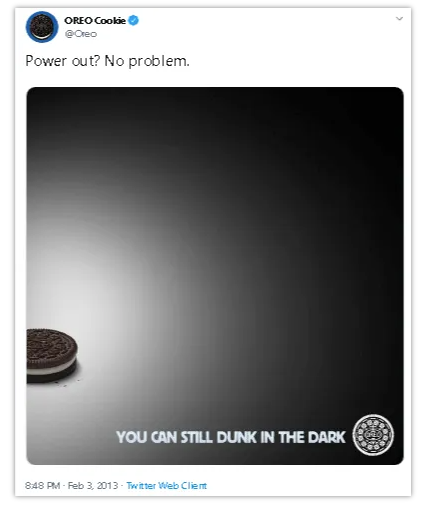
Some of the best-performing campaigns I’ve seen are those that align with cultural moments. Take Oreo’s legendary “Dunk in the Dark” tweet during the 2013 Super Bowl blackout, posted at the exact right moment, it’s still referenced today as one of the smartest real-time marketing plays.
More recently, brands like Coca-Cola have tied influencer-led campaigns to global events like the FIFA World Cup, piggybacking on existing conversations rather than trying to create excitement from scratch.
Timing a campaign to match consumer mindset is just as important. Think of Victoria’s Secret building hype around Valentine’s Day, or Starbucks mastering the art of the pumpkin spice latte each fall.
These are seasonal rituals and when influencers tap into them, engagement flies off the charts because audiences are already primed to care. According to Statista, nearly 40% of annual retail sales in the U.S. happen during Q4, so missing that seasonal window is like leaving money on the table.
Finally, you also need to understand the importance of the daily rhythms of your audience. When does your target demographic scroll TikTok? When do they open Instagram stories? Data from Influencity shows the best time to publish depending on the social media and your audience.
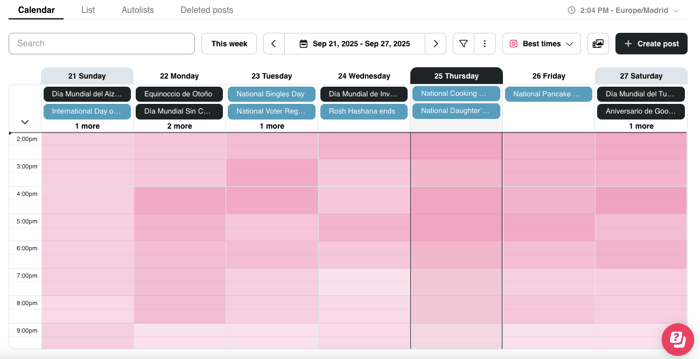
In general terms, it’s believed that Instagram engagement rates peak on Tuesdays and Wednesdays around midday, while TikTok often sees spikes at night when users are winding down. If you’re not syncing your posts with these patterns, you’re essentially whispering into an empty room.
This is where data points become your best friend. I always recommend monitoring:
Here’s my favorite way to explain it to clients: launching without data-driven timing is like hosting a dinner party but forgetting to tell guests what time to show up. You may have the best food in the world, but if no one arrives while it’s hot, it won’t have the impact you want.
The science of timing is equal parts art (spotting cultural moments and trends) and math (analyzing data to know when your audience is active).
-4.png?width=700&height=197&name=White%20%26%20Green%20Modern%20Bar%20Chart%20Graph%20(5)-4.png)
When I think about brands that have mastered the art of timing, Coca-Cola is always at the top of the list. Coke launches moments. And in influencer marketing, that’s the difference between being just another ad in the feed and becoming part of the cultural conversation.
Let’s start with the obvious: Coca-Cola is a global FMCG giant competing in a highly saturated market. Soft drinks are everywhere, but Coke manages to make itself feel fresh year after year by aligning launches with cultural milestones like the World Cup, the Olympics, and even Netflix’s Stranger Things. These are deliberate strategies that place the brand right where audience attention is at its peak.
One of the most powerful examples was Coke’s #RefreshtheFeed campaign in 2018. They “went dark” on social media, wiping their feeds clean, only to reappear on World Kindness Day with 100 original, uplifting images created in collaboration with street artists.
Resetting their feeds, Coke signaled something big was happening, and the timing gave the campaign cultural weight. The strategy worked so well they repeated it in 2019 with #KindnessStartsWith, this time partnering directly with Instagram creators to spark a wave of positive UGC.
This lesson is gold for agencies: cultural dates like World Kindness Day, Earth Day, Pride Month, or International Women’s Day are natural engagement accelerators. Tie your campaign to them and you’re already riding a cultural wave.
The value that the sentiment nostalgia has for within Coke’s strategy is a topic I’ve explained in detail in a previous article, “Coca-Cola’s Influencer Marketing Strategy: What Agencies Can Learn from a Global Icon”. An excellent example of how this works was the masterstroke of Coca-Cola’s Stranger Things collab. Th reintroducing the infamous “New Coke” from 1985, a product once labeled a failure Coke turned nostalgia into a marketing advantage.
Not only did this campaign tap into the Stranger Things fandom, it gave Coke an authentic reason to join the cultural moment. They didn’t stop at product placement; they created a full social takeover, gave their accounts an ’80s aesthetic, and even launched a Stranger Things pop-up arcade in London. Fans lined up to experience it, generating a flood of UGC in the process.
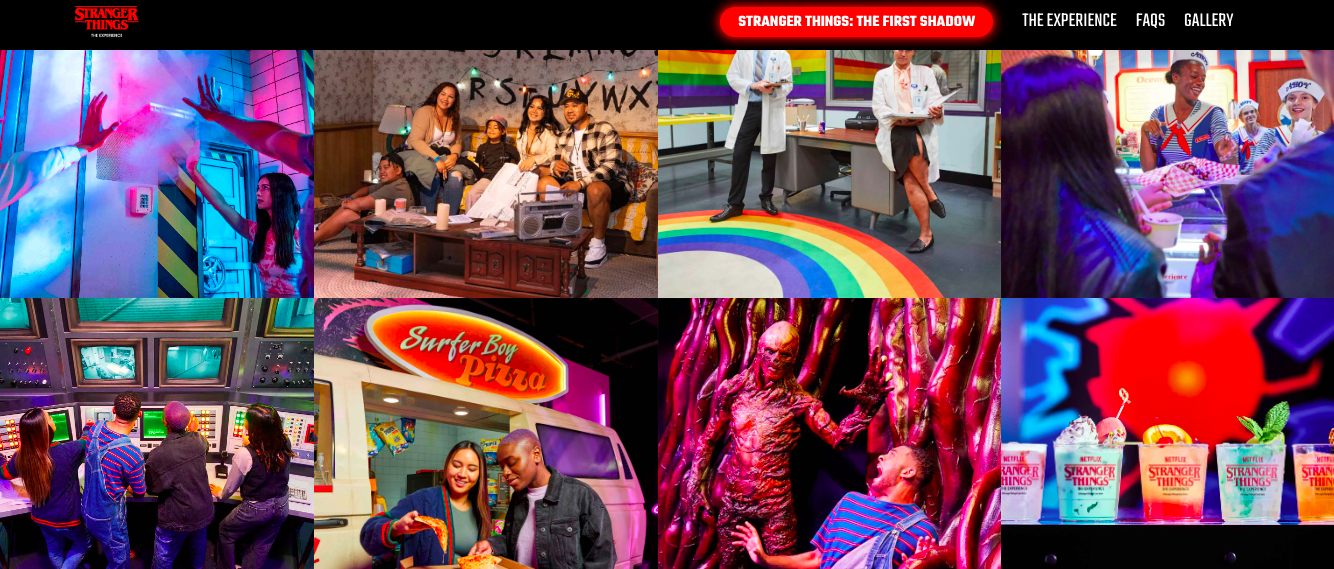
From a brand ROI perspective, the results spoke for themselves. Coke beat its second-quarter earnings estimates in 2019, with analysts pointing to the Stranger Things activation as part of that boost. That’s what I mean when I say timing directly connects to revenue.
Of course, we can’t forget Coke’s most famous play: Christmas. The “Holidays Are Coming” ad is more than a campaign. It’s a seasonal ritual. In the UK, the Coca-Cola truck tour has become as much a part of Christmas as tree lightings or holiday markets.
Anchoring itself to this annual cultural moment, Coke ensures its presence every holiday season without feeling forced. Add in partnerships like their donation to Crisis (a homeless charity), and you see how Coke layers emotion and social responsibility into these timed activations.
So, what can we learn from Coca-Cola’s playbook?
If Coca-Cola is the master of cultural alignment, Victoria’s Secret has perfected the art of anticipation. For years, the brand has built entire campaigns around seasonal rituals and amplified them through celebrity collaborations and high-profile events. The strategy is simple but powerful: make every drop feel like an unmissable moment.
I remember when the Victoria’s Secret Fashion Show was the Super Bowl of fashion marketing. Millions tuned in globally to watch Angels strut the runway, and social feeds were flooded with images, performances, and behind-the-scenes gossip. Fast forward to today, the glitzy spectacle has evolved into the Victoria’s Secret World Tour, streamed on platforms like Amazon Prime and YouTube. The shift reflects an important lesson: meet audiences where they are (online) and make it accessible.
And the results speak volumes. In their 2024 fashion show, Victoria’s Secret activated over 2,000 influencers, driving 66M engagements and 414M video views in just four days. Year-over-year, they saw a jaw-dropping 4,869% increase in engagements compared to 2023. That’s what happens when anticipation is paired with the right influencer strategy.
Victoria’s Secret understands the magnetic pull of celebrity. From Adam Levine performing at past shows to campaigns featuring household names like Gigi Hadid, BLACKPINK’s Lisa, or Ashley Graham, these partnerships generate conversations that extend far beyond the brand’s owned channels.
Celebrity collabs have also proven to be a direct sales driver. Limited edition collections and exclusive campaigns tied to stars often sell out within days. Fans buy into the story of being connected to their favorite icons.
But what excites me most is how Victoria’s Secret has begun balancing these high-glam endorsements with more relatable creators. For example, the 2024 show included Gen Z influencers like Olivia Yang, who alone drove 3.6M engagements, outpacing some of the Angels. Scarcity, Exclusivity, Anticipation
This is Victoria’s Secret’s winning formula, creating campaigns that are tied to limited-time events or seasonal rituals. The brand engineers a sense of urgency. Valentine’s Day drops, Christmas campaigns, and even influencer-exclusive previews trigger FOMO, audiences feel like they have to act before the moment passes.
And let’s be honest, in the world of fashion and beauty, scarcity sells. Limited runs, “only this season” messaging, and sneak peeks for influencer communities all stoke the anticipation engine.
What’s fascinating is how the brand is now layering inclusivity into this model. After years of criticism for its lack of diversity, Victoria’s Secret has embraced a wider spectrum of body types, ethnicities, and styles.
Seeing plus-size models like Ashley Graham on stage or creators like Remi Bader and Paloma Elsesser in campaigns reflects social progress and smart marketing. Today’s consumers reward authenticity and representation. Victoria’s Secret knows this shift is critical for staying relevant in a crowded, competitive landscape.
Here’s what we can all take away from Victoria’s Secret’s playbook:
At its core, Victoria’s Secret has mastered the art of transforming product drops into cultural events. For agencies and brands, the lesson is clear: anticipation is a strategy. Build it into your calendar, prime your audience with influencer teasers, and make your launch feel like something people don’t want to miss.
If Coca-Cola owns cultural milestones and Victoria’s Secret engineers' anticipation, Hellmann’s is the blueprint for turning an everyday pantry staple into a moment-driven brand. The playbook is simple but surgical: show up where food culture and social culture intersect, then make participation effortless.
I’ve watched Hellmann’s treat the Super Bowl as more than “one big ad.” They build a multi-week arc: teaser → game-day spot → post-game extensions. One recent example: extending their Big Game creative into shoppable CTV on Roku with Walmart—inviting viewers to one-click ingredients for the hero “What She’s Having” sandwich. That’s closed-loop commerce attached to a cultural tentpole.
This proves you don’t need a new product to win the Super Bowl, you need a bridge from attention to action (recipes, carts, store pick-up). Hellmann ties the moment to measurable outcomes.
Hellmann’s it’s social listening + trend adoption:
From my vantage point, three ingredients show up in every Hellmann’s win:
The vegan/plant-based pivot in Canada is another smart timing move: leaning into a sustained consumer shift with chef-led taste tests that remove the “will it taste the same?” barrier. It’s a reminder: timing isn’t only dates; it’s trend maturity.
Here’s the operational engine I recommend to clients, mirrored in Hellmann’s approach:
Coca-Cola nails cultural alignment, Victoria’s Secret masters anticipation, and Hellmann’s thrives on cultural hijacking. Together, they show us that when you launch is as important as what you launch.
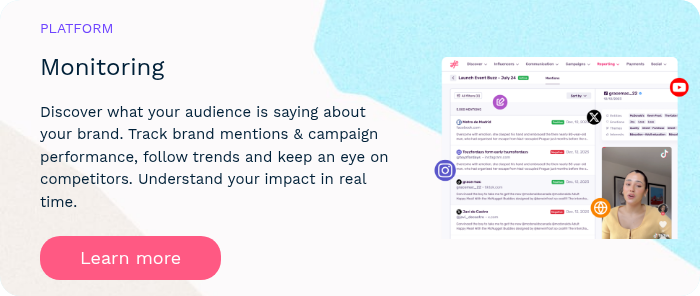
With Influencity’s tools, you can monitor audiences, track performance in real time, and optimize timing to turn your next campaign into a can’t-miss moment.







%20and%20How%20Can%20They%20Benefit%20Your%20Brand%20article.jpg?length=628&name=What%20Are%20Key%20Opinion%20Leaders%20(KOL)%20and%20How%20Can%20They%20Benefit%20Your%20Brand%20article.jpg)


.png?length=628&name=Pop-up%20image%201200%C3%97800@1x%20(1).png)