

In social media marketing, influencers play a pivotal role in bridging the gap between brands and their target audiences. However, determining influencer pricing can be a complex process, involving various criteria and methods to ensure fair compensation. Understanding these factors is crucial for brands to create successful collaborations and impactful influencer marketing campaigns.
This post explores five different ways to pay influencers, providing insights into each method, its benefits, and examples to help you choose the best approach for your campaigns. This post will help you face the complexities of influencer compensation with practical tips to enhance your brand's reputation and achieve better marketing results.
The flat fee payment model for influencers is one of the most common and straightforward ways for brands to collaborate with content creators. In this approach, the influencer receives a fixed amount agreed upon before the campaign begins, regardless of how the content performs. This payment usually covers all the deliverables included in the collaboration, such as Instagram posts, Stories, TikTok videos, or YouTube content. Because of its simplicity, it is a method often preferred by both brands and influencers when they want to establish clear expectations and avoid later negotiations about performance or results.
A good example of this model is Jack Morris (@doyoutravel), one of the most popular travel influencers in the world. He frequently works with luxury hotels that pay him a flat fee in exchange for creating visual content that showcases his stay. This arrangement is beneficial for both sides: the brand knows exactly how much it will spend, while the influencer secures a guaranteed income for the work delivered.
When determining the amount of a flat fee, there are several important factors to take into account. The influencer’s follower count is often the first indicator, as creators with larger audiences usually command higher rates. However, the engagement rate can sometimes weigh even more, since an active and responsive community provides real value to brands. Additionally, the quality of the content—including creativity, production value, and aesthetic style—can increase the influencer’s market price. Finally, the scope of the campaign also plays a role, since the number of posts, the variety of content formats, and the overall campaign duration all directly influence the final fee.
One of the biggest advantages of the flat fee payment model is its simplicity. Both parties can negotiate and agree on the price in advance, making the collaboration easy to manage from start to finish. Another benefit is predictability, as brands know exactly how much they are investing, which allows them to plan their budgets without surprises.
The performance-based payment model for influencers is one of the most result-driven approaches in influencer marketing. Instead of receiving a guaranteed fixed fee, influencers are compensated according to the measurable impact of their work. This can include the number of clicks on a link, conversions generated through a campaign, or direct sales tracked with promo codes. To ensure accuracy, brands typically rely on tools such as unique affiliate links or discount codes that allow them to attribute results directly to the influencer’s efforts.
A strong example of this model is Kayla Itsines (@kayla_itsines), a well-known fitness influencer. She has partnered with brands in campaigns where her earnings depend on performance outcomes, such as app downloads or memberships purchased through her promotions. By using unique promo codes, brands can track how many conversions are driven specifically by her content, creating a transparent and measurable system.
This type of payment structure requires careful planning and precise mechanisms. Brands need reliable tracking systems to ensure data accuracy, as well as clear objectives and well-defined KPIs to evaluate the campaign’s success. Another key element is designing an attractive incentive structure that motivates influencers to put maximum effort into promoting the brand, since their income is directly tied to their performance.
The main advantage of performance-based payment is its ability to minimize financial risk for brands, as payments are directly linked to results rather than assumptions. At the same time, it encourages influencers to be more invested and proactive, knowing that their earnings increase with the success of the campaign.
The product or service compensation model is a popular approach, especially for brands with limited budgets, where influencers are rewarded with free products or services instead of direct monetary payment. This method works particularly well when the product has a high perceived value and aligns with the influencer’s interests and audience. It is often referred to as product seeding or influencer gifting, where brands send products hoping influencers will try, enjoy, and share them with their followers.
A clear example of this is Tati Westbrook (@glamlifeguru), a well-known beauty influencer. She frequently receives high-end skincare or makeup products from brands, which she then features in her YouTube reviews. In these cases, the compensation is the product itself, and the reviews or features are generated organically, creating authentic content that resonates with her audience.
When using product or service compensation, it’s important to consider several factors. First, the value and desirability of the product must be high enough to motivate the influencer to share it. Second, the product or service should align with the influencer’s personal brand and audience, ensuring credibility and relevance. Clear communication is essential, so both parties understand the value exchange and expectations from the start, even if no monetary payment is involved.
One of the main advantages of this model is its cost-effectiveness, reducing direct financial expenditure for brands. Additionally, it often produces authentic and engaging content, since influencers are more likely to provide genuine opinions on products they truly use and enjoy.
The commission-based payment model is widely used in influencer and affiliate marketing, allowing influencers to earn a percentage of each sale generated through their promotional efforts. This approach directly aligns the influencer’s incentives with the brand’s sales objectives, making it a highly effective strategy for driving conversions and revenue.
A clear example is Marques Brownlee (@MKBHD), a well-known tech reviewer. He frequently collaborates with tech brands using affiliate links. For instance, when reviewing a new smartphone, Marques might include a unique link in the video description. Every sale made through that link earns him a commission, creating a transparent system where both the brand and the influencer benefit from actual results.
When using a commission-based model, several factors must be carefully considered. First, the commission rate needs to be competitive and appealing to motivate the influencer to actively promote the product. The quality and desirability of the product are also critical, as influencers are more likely to endorse items they genuinely trust and find valuable. Additionally, brands must have accurate tracking systems in place to ensure that sales are correctly attributed to the influencer, maintaining transparency and trust in the collaboration.
This model is particularly advantageous because it offers scalability, making it suitable for campaigns of various sizes—from small niche launches to large product rollouts. It also ensures alignment between the influencer’s efforts and the brand’s sales goals, creating a performance-driven partnership where success is measurable and mutually beneficial.
The tiered payment structure is a flexible approach that combines multiple payment methods, often including a base fee alongside performance-based bonuses or commissions. This hybrid model ensures that influencers are fairly compensated for both their reach and the measurable results they generate, offering a balanced solution for brands looking to optimize their campaigns.
A notable example is Aimee Song (@songofstyle), a popular lifestyle influencer. In collaborations with fashion brands, she might receive a guaranteed base fee for posting about a new collection, while also earning additional bonuses based on the number of sales her posts drive. This structure allows brands to reward her both for her established audience and the tangible outcomes of her promotional efforts.
When implementing a tiered payment structure, brands need to consider several key factors. It’s important to evaluate hybrid metrics, including follower count, engagement rates, and performance outcomes, to determine the overall compensation fairly. The model must remain flexible, accommodating different campaign goals and influencer profiles. Additionally, a comprehensive agreement is essential, clearly defining all aspects of the payment structure, from base fees to bonus calculations, to ensure transparency and avoid misunderstandings.
This approach offers two major advantages. First, it provides balanced compensation, guaranteeing that influencers are rewarded for both their audience reach and campaign results. Second, it is highly customizable, allowing brands to tailor payments to specific campaign objectives, influencer experience, and performance expectations. By combining stability with incentive-driven rewards, the tiered model often achieves stronger engagement and higher ROI.
Selecting the appropriate payment method depends on several factors, including campaign objectives, budget, and the nature of the influencer relationship. Here are some tips to help you choose the right method:
Understanding your campaign goals is the first step in choosing the right payment method. If your primary aim is to boost brand awareness, flat fee payments or product/service compensation can be particularly effective. These methods are straightforward and help quickly generate buzz around your brand.
For instance, paying an influencer a flat fee to post about your new product guarantees that your message reaches a wide audience efficiently. Alternatively, offering free products or services can entice influencers to share their genuine experiences, fostering authentic engagement.
However, if your goal is to drive direct sales, you might want to consider performance-based, commission-based, or tiered payment structures. Performance-based payments incentivize influencers to achieve specific metrics such as clicks, conversions, or sales, aligning their success with your sales targets. Commission-based payments, a staple in affiliate marketing, allow influencers to earn a percentage of sales generated from their promotions. This not only motivates influencers to push your product harder but also ties their earnings directly to the campaign's success. A tiered payment structure, which combines a base fee with performance bonuses, offers a balanced approach that rewards influencers for both their reach and effectiveness.

Your budget plays a significant role in determining the most suitable payment method. For brands with limited financial resources, product/service compensation or commission-based payments are good options. Compensating influencers with free products or services can be cost-effective while still providing them with value.

On the other hand, if your budget is more flexible, flat fees and tiered structures offer greater predictability and balance. Flat fees allow for clear budgeting as you know the exact cost upfront, which makes it easier to allocate resources across different campaign elements. Tiered payment structures provide the advantage of balancing fixed and variable costs, rewarding influencers for both their initial efforts and the campaign's overall success. This approach can be particularly effective for comprehensive campaigns requiring sustained engagement.
Understanding influencer preferences is vital to creating mutually beneficial partnerships. Many influencers prefer monetary compensation, which makes flat fees and performance-based models appealing. These payment methods offer immediate financial rewards, making them attractive to influencers who rely on their social media activities as a primary income source.
However, product/service compensation can also be highly effective, especially if influencers are genuinely enthusiastic about your offerings. When influencers love your product, their endorsements come across as more authentic, which can enhance their followers' trust and engagement. For example, if you're a beauty brand, providing influencers with your latest skincare line might result in more passionate and genuine reviews.
Building long-term, sustainable relationships with influencers can be beneficial for both parties. A tiered payment structure is particularly well-suited for fostering these relationships. By offering a base fee combined with performance bonuses, you can provide influencers with financial security while also motivating them to achieve higher performance levels.
Sustainable partnerships can lead to more consistent and impactful campaigns, as influencers who feel valued and fairly compensated are more likely to go above and beyond in their promotional efforts. Moreover, long-term collaborations allow influencers to become more familiar with your brand, which results in more authentic and compelling content.
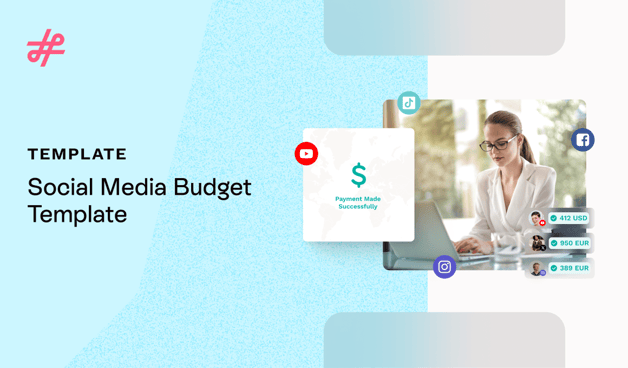
Managing payments to influencers can be one of the most complex and time-consuming parts of a marketing campaign, especially when dealing with multiple creators, currencies, or campaign types. Influencity offers a solution that centralizes and streamlines this process, making payments simpler, faster, and more transparent for both brands and influencers.
With Influencity, brands can group influencers into payment pools, track total costs including fees or taxes, and manage multiple currencies, all from a single platform. This helps to reduce errors, ensure influencers are paid on time, and provide full visibility into the payment process. Brands can also monitor the status of each payment, from pending to completed, which enhances trust and avoids miscommunication.
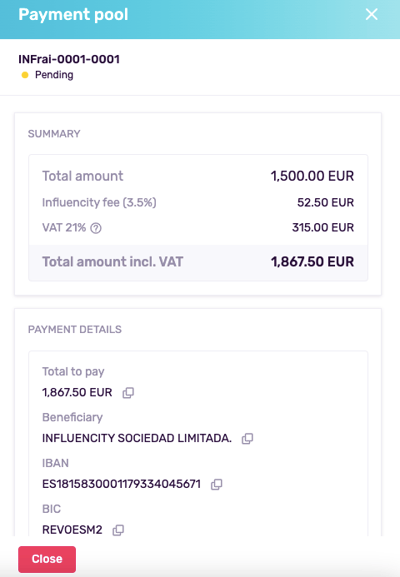
The benefits of using a platform like Influencity go beyond logistics. It allows teams to save time on administrative tasks, maintain a clear overview of budgets, and manage multiple campaigns simultaneously without losing control. For influencers, it provides a transparent and reliable payment experience, which strengthens professional relationships and encourages smoother collaborations in the future.
Overall, tools like Influencity help brands streamline operations, improve accuracy, and enhance trust, making influencer marketing campaigns more efficient and effective.
In conclusion, understanding influencer pricing and choosing the right payment method are crucial for successful influencer marketing campaigns. By considering the various factors and aligning them with your campaign goals, you can ensure fair compensation and effective collaborations with influencers, ultimately driving better results for your brand.












%20and%20How%20Can%20They%20Benefit%20Your%20Brand%20article.jpg?length=628&name=What%20Are%20Key%20Opinion%20Leaders%20(KOL)%20and%20How%20Can%20They%20Benefit%20Your%20Brand%20article.jpg)