

The global publishing industry has reached a pivotal inflection point, facing a period of profound disruption and revitalisation driven entirely by the convergence of digital community architecture, algorithmic content discovery, and social commerce.
.png?width=300&height=288&name=Graphs%20(8).png)
Following years of consecutive decline, print book sales have surged dramatically, with the United States alone recording over 782 million print books sold in 2024, a 23% increase over the previous decade. A critical and undeniable driver of this macroeconomic shift is TikTok’s literary subculture, universally known as BookTok. The sheer velocity of this platform is staggering; in the first three months of 2025 alone, the BookTok hashtag was used in 53 million posts, representing an 80% year-over-year increase.
.png?width=300&height=276&name=Graphs%20(9).png)
The financial ramifications of this digital industry are unprecedented for the publishing sector. In 2024, approximately 59 million print book sales in the United States were directly tied to BookTok creators and viral video content. Across the Atlantic, the impact is equally profound; BookTok recommendations generated €800 million in revenue across key European markets in 2025, driving the sale of more than 50 million books.
In Germany alone, 28 million books recommended on the platform were sold in 2025, more than double the volume sold in 2023. The platform has irrevocably shifted from being a mere supplementary promotional channel to a fundamental driver of global consumer behavior, dictating what is published, how it is packaged, and the velocity at which it is purchased.
For the Big Five publishing houses, specifically Penguin Random House, HarperCollins, and Hachette Book Group, this paradigm shift presents both an unparalleled financial opportunity and a complex organisational challenge.
Legacy marketing infrastructures built on linear public relations, broadsheet critical acclaim, physical author tours, and broad-market advertising are proving highly inefficient in an era defined by decentralised, emotionally driven, and algorithmic discovery.
This article will walk you through the strategies employed by top-tier publishers, the psychological mechanics of the modern campaign launch, and the operational shifts required to build book marketing initiatives that successfully convert fleeting attention into sustained revenue.
To master the mechanics of a modern campaign launch, it is necessary to contrast it against the traditional marketing models that have dominated the industry for the past century.

Historically, a book launch campaign was a highly controlled, linear, and institutionalized process. Success was entirely predicated on facing industry gatekeepers. That is, securing favorable reviews in prestigious newspapers, executing resource-heavy physical author tours, using literary festivals to build prestige, and paying for premium placement on the tables of brick-and-mortar bookstores. Marketing was a centralised, structured broadcast, largely invisible to the end consumer and primarily focused on the author's pedigree and the book's perceived literary merit.
The contemporary scene, galvanised by BookTok, has democratised discovery and fundamentally altered the trajectory of a book's lifecycle. Marketing is no longer a centralised, top-down broadcast. Bye to the old system. As a matter of fact, it has evolved into a decentralised, peer-to-peer conversation powered by algorithms that prioritise engagement over prestige (wohoooo, bookworms finally have the power we deserve).
Consequently, the trajectory of a campaign launch has shifted from a single, high-stakes release day to a continuous, non-linear engagement model where books can achieve explosive virality months or even years after publication.
The transition from a media-led to a community-led landscape requires publishers to adapt their key performance indicators (KPIs) and their fundamental understanding of media consumption.
The modern campaign launch relies heavily on understanding what industry marketing executives term the shards-of-glass phenomenon. Media consumption is heavily fragmented; audiences digest media in distinct, isolated spaces, meaning it is impossible to communicate with the entire market simultaneously.
A successful campaign launch requires layered marketing activity that targets specific affinity spaces rather than attempting a monolithic broadcast. The platform era, which previously provided free marketing and audience growth, has matured; publishers are now realizing they only rented those audiences. To survive, publishers must transition to community-led growth, which data shows is highly lucrative. Community members interacting with publisher content generate 5.3 times higher dwell time, are 45 times more likely to subscribe, and make three times more site visits compared to standard audiences.
Penguin Random House, HarperCollins, and Hachette Book Group have all recognised the existential necessity of integrating BookTok into their campaign launch frameworks.
“New approaches, channels and technology can deliver massive opportunities for us and our authors to reach countless new readers around the world.” — Tom Weldon, CEO, Penguin Random House UK (Bookseller)
However, an analysis of their operations reveals vastly different levels of structural integration, financial allocation, and cross-platform retargeting philosophies.
Penguin Random House (PRH) has adopted an aggressive strategy centered on direct platform partnership and internal creator empowerment. Recognising that the TikTok algorithm heavily favours authentic, native content over polished corporate advertisements, PRH executed an exclusive partnership with TikTok that allowed users to link directly to PRH titles within their videos.
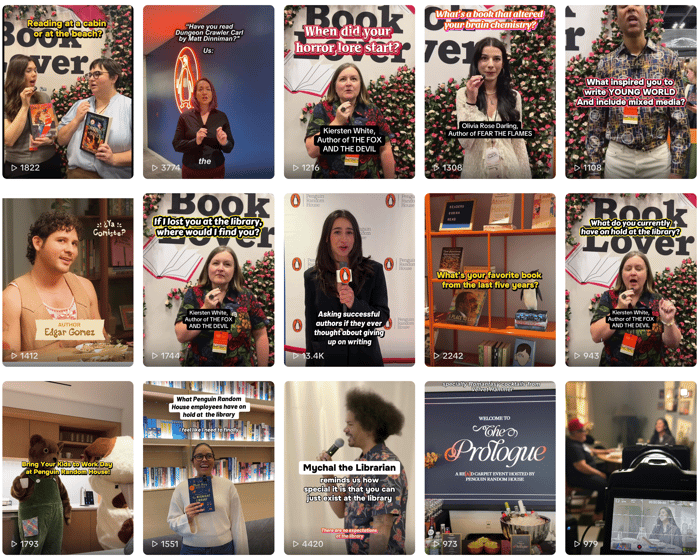
This direct linking feature acts as a vital bridge between passive discovery and active product exploration, steering users to dedicated in-app landing pages that aggregate other community videos about the specific title alongside purchasing options.
Financially, PRH has demonstrated a willingness to invest significant capital into the platform. Pathmatics data indicates that PRH spent $1.4 million on TikTok advertising over an eight-month period in 2022 for example, generating over 143.2 million impressions. This expenditure significantly outpaced competitors during the same timeframe, dwarfing the investments of HarperCollins and Hachette.
However, PRH's strategy extends far beyond traditional paid media. The publisher has effectively internalized the creator economy by hiring in-house micro-influencers specifically dedicated to TikTok and Instagram.
This allows PRH to maintain a continuous, agile flow of trend-responsive content without the friction and delay of external agency negotiations. This strategy yielded massive dividends for Penguin Teen, PRH's Young Adult division. Through building an audience on TikTok as early as 2019, they were perfectly positioned for a campaign launch surrounding Malinda Lo's Last Night at the Telegraph Club.
Following an influencer campaign that generated nearly one million views and 250,000 likes, book sales for the title increased by a staggering factor of seven. Furthermore, PRH utilizes curated, community-driven initiatives like the All Ways Black Instagram platform to highlight diverse authors, relying on tech-driven curation that exists alongside algorithm-based discovery to foster deep community connections.
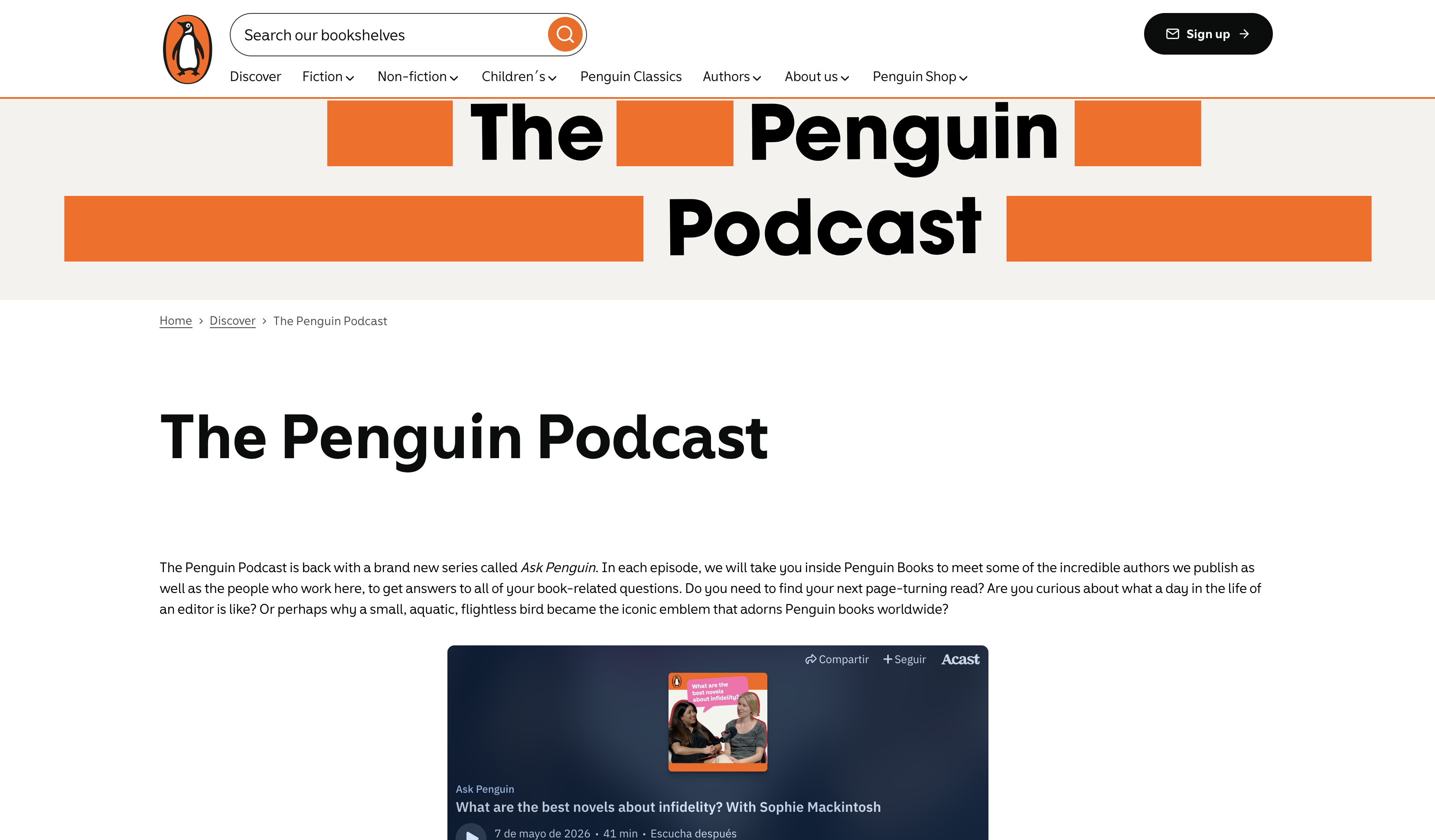
They also utilize audio formats, such as "The Penguin Podcast," to create interconnected communities where authors and readers interact directly, focusing on community promotion rather than solely driving immediate sales.
Hachette Book Group provides a compelling and highly profitable counter-model to PRH's direct platform saturation. Rather than competing directly for expensive organic visibility within TikTok's highly saturated feed, Hachette leverages BookTok as a top-of-funnel discovery engine and utilizes other, more established digital platforms for bottom-of-funnel conversion.
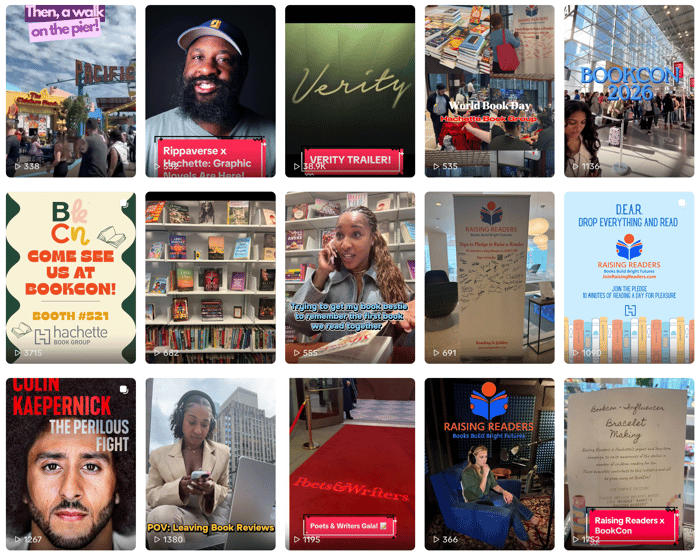
According to David Shelley, CEO of Hachette Book Group, the publisher often does not allocate massive ad spend directly on the TikTok platform because younger demographics are already discovering their books there organically. Instead, when a title demonstrates viral momentum on BookTok, as spectacularly witnessed with Colleen Hoover's thriller Verity, Hachette’s marketing team moves rapidly to capitalize on that momentum by deploying paid advertising on Meta platforms, specifically Facebook and Instagram.
This cross-platform retargeting strategy is highly effective for maximizing the total lifecycle and demographic reach of a campaign launch. Through taking a BookTok trend and presenting it to older, higher-purchasing-power demographics on Facebook, Hachett successfully expands the title's reach into different rooms of the house". For the Verity campaign launch, Hachette executed 17 distinct ad campaigns across Meta platforms. These campaigns became some of the company's best-performing assets, yielding 7% to 8% more impressions than average campaigns and achieving an exceptional conversion rate that was 20% higher than the company's baseline.
.png?width=300&height=291&name=Graphs%20(10).png)
Hachette is also at the forefront of capitalizing on cross-media synergy. When Netflix adapted Elin Hilderbrand’s The Perfect Couple, the series amassed over 50 million views in under three weeks. Hachette orchestrated a virtuous circle of marketing, coordinating with entertainment companies to utilize adaptation imagery in reprint artwork, resulting in a 250% growth in print formats for the novel.
Additionally, through its Zando imprint and partnerships with entities like Bindery Books, Hachette is actively experimenting with decentralised tastemaker imprints where influencers curate, acquire, and launch debut novels.
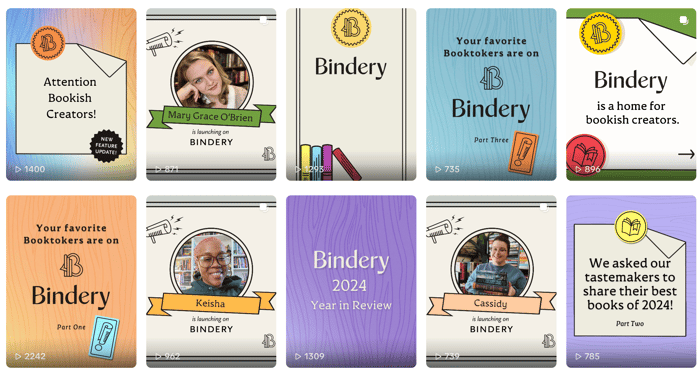
This model transfers the heavy burden of audience acquisition directly to the influencer, ensuring a built-in, highly engaged community before the campaign launch even begins. Early data from Bindery Books is highly promising; all four of their initial debut titles sold enough to break even and earn out their advances immediately upon their release.
HarperCollins has differentiated its approach by focusing deeply on immersive community engagement mechanics and highly targeted multi-channel influencer campaigns. A prime example is their innovative strategy for virtual read-along campaigns.
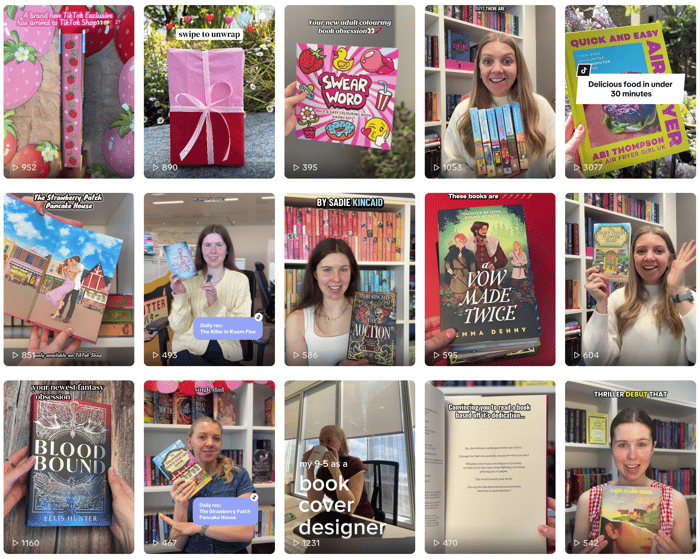
For specific thriller releases, HarperCollins coordinates private direct message groups, distributes exclusive audio clips, provides background information accessible via QR codes printed in the physical books, hosts live Q&A sessions on Instagram, and disseminates exclusive content directly to readers via WhatsApp. This creates a highly sticky, immersive environment that transcends passive scrolling.
For their BookTok strategy, HarperCollins frequently partners with specialized influencer agencies like Tandem, challenging creators in specific niches, such as crime and thriller, to generate narrative-driven video content that aligns with the book's core themes. They have also successfully utilized TikTok to market non-fiction and educational materials, proving the platform is not solely reserved for romance and fantasy. A campaign launch for Collins revision books resulted in viral influencer videos boasting massive organic engagement alongside highly efficient TikTok ads that generated strong conversions at a very low cost-per-click (CPC).
Crucially, HarperCollins has been proactive in the realm of social commerce, serving as a launch partner for TikTok Shop’s dedicated book category alongside retailers like WHSmith and Bookshop.org. This integration is an essential strategic maneuver for reducing the inherent friction between a consumer viewing a compelling book recommendation and actually completing a purchase transaction.
A successful book launch is not a single, isolated event characterised by release-day confetti; it is a sustained, strategic operation that requires rigorous planning and execution. The most successful authors and publishers treat a campaign launch like a comprehensive business rollout, requiring months of preparation, meticulous audience segmentation, and a multi-layered approach to visibility. The structural architecture of a modern, action-driven campaign launch can be categorized into three distinct operational phases.
The pre-launch phase is strictly dedicated to asset development, technical optimization, and algorithmic priming. This is the critical period where the unseen foundation for visibility is established.
Before any marketing material is disseminated to the public, the book's digital infrastructure must be flawless. This involves establishing ISBNs, refining BISAC codes, and conducting extensive keyword research for Amazon listings to ensure the book indexes correctly for high-intent search queries. Furthermore, SEO is no longer confined to search engines; on TikTok, optimising video descriptions, hashtags, and text overlays has become critical to ensure content is visible both within the app's algorithm and on external Google search results. During this phase, publishers must establish a robust email newsletter strategy, creating a direct line of communication with readers that is immune to sudden algorithm changes.

This is also the window for influencer seeding. Publishers distribute Advanced Reader Copies (ARCs) to a wide mix of creators, specifically targeting BookTok micro-influencers. Data indicates that micro-influencers (creators with under 10,000 followers) yield an astonishing 18% engagement rate on TikTok, vastly outperforming the 4% average seen on Instagram.
Finally, aggressive pre-order campaigns are initiated. A strong pre-order campaign secures early sales volume, which acts as a powerful signal to retailer algorithms (like Amazon) that demand is high, prompting those platforms to organically promote the book upon release.
The core launch window focuses entirely on velocity and social proof. The primary objective is to create a sense of absolute ubiquity, making the book appear inescapable across targeted digital feeds.
A winning strategy during this phase blends the direct, intimate connection of digital tools like podcasts, Reddit AMAs, and social media with the powerful credibility of traditional media features. Paid advertising campaigns are activated across platforms. On Amazon, authors and publishers utilize a bidding system, starting with low bids ($0.30 to $0.50 per click) and adjusting based on performance, targeting fans of similar authors.
For Facebook and Instagram, targeting is focused on specific reader interests and aesthetic images. When running ads on TikTok, the core tenet is to create a TikTok, not an ad. Advertisements must be native to the platform, utilizing strong hooks, trending audio, and matching the unpolished aesthetic of organic user-generated content.
Simultaneously, community activation is heavily prioritised. Authors and publishers provide readers with specific reaction prompts or templates to share their feelings online, generating a wave of authentic, peer-to-peer recommendations that fuel the algorithm.
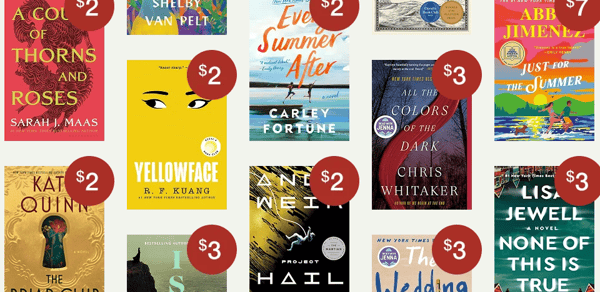
A discounted eBook promotion (often priced at $0.99) during launch week can act as a powerful loss-leader, driving massive download volume to secure a high ranking on bestseller charts.
Traditional publishing models often abandon dedicated marketing efforts shortly after the launch window closes. However, the modern data-driven model recognises that the post-launch phase is where long-tail profitability is ultimately secured.
As noted by Kristin Fassler, SVP of Marketing Strategy at PRH, publishers are now deliberately reallocating more resources into books after they have been in the marketplace for 12 weeks, recognising that driving sustained sales requires sticking with a campaign for the long haul.
As noted by Kristin Fassler, SVP of Marketing Strategy at PRH, publishers are now deliberately reallocating more resources into books after they have been in the marketplace for 12 weeks, recognising that driving sustained sales requires sticking with a campaign for the long haul.
Furthermore, the mechanics of BookTok have completely revolutionized the concept of the backlist. Because retail algorithms traditionally prioritize new releases, backlist titles typically fade into obscurity. However, TikTok's algorithm surfaces content based on engagement patterns and user behavior, meaning the publication date is entirely irrelevant to its potential for virality. A five-year-old book can suddenly trend, effectively transforming an old backlist title into a highly lucrative frontlist phenomenon.
As noted by Kristin Fassler, SVP of Marketing Strategy at PRH, publishers are now deliberately reallocating more resources into books after they have been in the marketplace for 12 weeks, recognising that driving sustained sales requires sticking with a campaign for the long haul.
Furthermore, the mechanics of BookTok have completely revolutionized the concept of the backlist. Because retail algorithms traditionally prioritize new releases, backlist titles typically fade into obscurity. However, TikTok's algorithm surfaces content based on engagement patterns and user behavior, meaning the publication date is entirely irrelevant to its potential for virality. A five-year-old book can suddenly trend, effectively transforming an old backlist title into a highly lucrative frontlist phenomenon.
As noted by Kristin Fassler, SVP of Marketing Strategy at PRH, publishers are now deliberately reallocating more resources into books after they have been in the marketplace for 12 weeks, recognising that driving sustained sales requires sticking with a campaign for the long haul.
Furthermore, the mechanics of BookTok have completely revolutionized the concept of the backlist. Because retail algorithms traditionally prioritize new releases, backlist titles typically fade into obscurity. However, TikTok's algorithm surfaces content based on engagement patterns and user behavior, meaning the publication date is entirely irrelevant to its potential for virality. A five-year-old book can suddenly trend, effectively transforming an old backlist title into a highly lucrative frontlist phenomenon.
Furthermore, the mechanics of BookTok have completely revolutionized the concept of the backlist. Because retail algorithms traditionally prioritize new releases, backlist titles typically fade into obscurity. However, TikTok's algorithm surfaces content based on engagement patterns and user behavior, meaning the publication date is entirely irrelevant to its potential for virality. A five-year-old book can suddenly trend, effectively transforming an old backlist title into a highly lucrative frontlist phenomenon.
This requires publishers to develop specific strategies for relaunching backlist books as new campaign launches. The process involves shifting the marketing focus from being author-led to being feeling-led. Authors package the older book with a compelling one-line emotional promise and specific keywords that signal the vibe to the algorithm.
When a backlist title begins to trend, as seen in classic case studies like Adam Silvera's They Both Die at the End, E. Lockhart's We Were Liars, and Tahereh Mafi's Shatter Me, retailers like Barnes & Noble and Amazon respond by creating dedicated BookTok displays, further amplifying the sales stampede. To facilitate this, publishers must maintain evergreen marketing strategies, continually repurposing content and rigorously monitoring social channels for unexpected spikes in engagement regarding older titles.
One of the most profound and far-reaching changes BookTok has introduced to the publishing industry is the fundamental linguistic restructuring of marketing copy. Traditional book jacket descriptions rely heavily on comprehensive plot summaries, character backgrounds, and atmospheric prose. The modern digital reader, however, requires immediate, high-impact cognitive shorthand to make purchasing decisions. This is achieved through the aggressive utilization of narrative "tropes".
Tropes, such as "enemies-to-lovers," "found family," "grumpy-sunshine," "one bed," or "slow burn", act as narrative conventions that instantly communicate the exact emotional architecture of a story. On BookTok, tropes function as the true metadata of the digital age. They are the primary search terms readers use to navigate an incredibly oversaturated market, allowing them to bypass complex plot details and proceed straight to the guaranteed emotional payoff.
The origins of this trope-centric language stem directly from online fanfiction communities, where authors utilized specific tagging systems to signal to readers exactly what themes and character dynamics a story contained. As these communities intersected with mainstream publishing via TikTok, this highly specific taxonomy was adopted as a primary marketing tool.
From a marketing perspective, deploying tropes in a campaign launch is a highly effective conversion strategy. Social media algorithms afford marketers merely three seconds to capture a user's attention before they scroll away. Tropes serve as a snappy, instantly recognizable hook.
Publishers and booksellers have recognised that if a reader identifies their favorite trope in an advertisement or video, the likelihood of a purchase increases exponentially, as it removes the friction of having to decipher whether the book aligns with their tastes.
This linguistic shift has resulted in the comprehensive "tropification" of the commercial book industry. The terminology has officially crossed over into mainstream retail environments; major retailers like Waterstones now explicitly list tropes directly within a book's official synopsis on their e-commerce platforms (for example, marketing The Pumpkin Spice Cafe with tags like "grumpy-sunshine" and "small town").
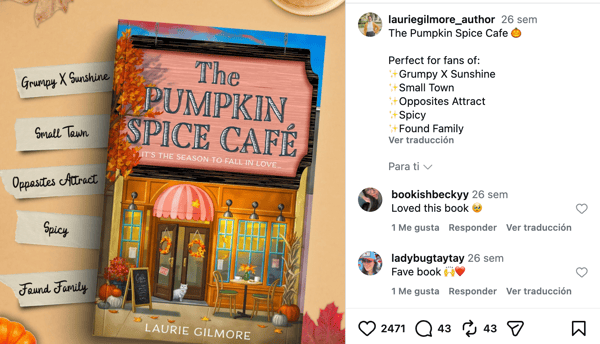
However, an over-reliance on tropes presents significant strategic risks for publishers. While they are undeniably powerful for top-of-funnel discovery, building an entire campaign launch solely around trope checklists can commodify the literature, making books feel manufactured specifically for the TikTok algorithm rather than crafted for narrative depth.
This approach risks alienating readers who seek substantive world-building and character development beyond predictable clichés. Tropes should be utilized strictly as the entry point, the initial hook that halts the algorithmic scroll, but the subsequent marketing funnel must deliver substantive proof of the book's quality.
Furthermore, the algorithmic nature of TikTok creates a severe siloing effect. Because the algorithm continuously serves users content identical to what they have previously engaged with, readers who engage heavily with specific tropes (e.g., dark romance) become trapped in highly specific echo chambers.
This makes it incredibly difficult for publishers to cross-pollinate genres or introduce those readers to different literary categories, limiting the overall scope of their market penetration.
In a digital environment dominated entirely by visual media, the physical design of a book is no longer merely a protective casing for the text; it is a primary marketing asset. To trigger algorithmic reach, the physical object must perform visually on a 9:16 smartphone screen. This reality has driven a massive surge in the production of highly aesthetic, deluxe editions designed specifically for social media shareability.
The most prominent manifestation of this aesthetic shift is the rapid proliferation of sprayed edges (frequently portmanteaued by the community as "spredges"), where the edges of the book's pages are painted with striking, vibrant colors or stenciled with intricate, thematic designs.

Combined with elegant gold foil covers, textured finishes, and custom illustrative endpapers, these physical enhancements transform a standard commercial novel into a highly collectible work of art and a personal identity marker for the reader.
For publishers, the "spredges" effect serves multiple critical strategic purposes within a campaign launch:
The effectiveness of these aesthetic enhancements is deeply rooted in behavioral economics and consumer psychology, specifically regarding the modern unboxing phenomenon. As highlighted by experts analyzing the science of consumer mind states, the act of unboxing a highly anticipated, beautifully designed product mirrors a profound emotional arc: it begins with intense anticipation and curiosity, moves through a peak of excitement, and culminates in a deep sense of satisfaction and ownership.
On BookTok, unboxing videos are a staple content format. When an influencer meticulously unpacks a special edition novel, such as Ann Liang's romantasy A Song to Drown Rivers, featuring a gold-foiled cover and blue stenciled edges, they are not merely demonstrating a product; they are broadcasting a potent emotional experience. This taps into the viewer's innate curiosity and triggers a mirror-neuron response, generating a visceral desire in the viewer to replicate that same emotional high.
The beautifully designed package becomes the very first physical representation of the publisher's brand that the customer encounters, and deliberate design choices evoke feelings that build long-lasting brand loyalty.
To optimise a campaign launch, marketing teams must view the physical book as the primary prop for digital content creation. Providing influencers with highly curated PR boxes, unique tactile packaging, and deluxe editions drastically increases the likelihood of organic, viral unboxing videos that drive massive sales spikes.
Despite having access to massive marketing budgets and global distribution networks, Big Five publishers often struggle with severe corporate friction, the bureaucratic, institutional processes that critically slow down marketing agility. In an environment where a TikTok trend can peak, saturate, and fade into obscurity within a 48-hour window, a traditional corporate approval process is a severe liability.
Historically, traditional publishers operate on agonizingly extensive timelines, often requiring up to 16 months between signing an author contract and releasing the book. Marketing assets, press releases, and ad copy typically undergo multiple layers of executive review to ensure strict brand safety and stylistic consistency.
However, BookTok algorithms demand authenticity, reactivity, and speed over polished corporate perfection. Trends evolve on a daily basis, and marketers require the autonomy to bypass high-level approval processes to create reactive content instantaneously. Academic research indicates that the publishers and booksellers who succeed on social media are those who empower their marketing employees to connect authentically with audiences, allowing them to mimic fleeting trends and post raw content without stringent oversight.
Barnes & Noble, for example, successfully reinvigorated its brand by encouraging individual local stores to run their own localized, raw social media campaigns rather than disseminating rigid, corporate-approved graphics to all branches simultaneously.
When traditional corporate marketing attempts to manufacture virality without understanding the nuances of digital communities, the results can be disastrous. A prime example occurred with the campaign launch for Jeanine Cummins' American Dirt.
The publisher's marketing campaign included barbed-wire-themed floral centerpieces at promotional events, which online communities immediately decried as tone-deaf and trivializing to the migrant experience, sparking massive backlash.
Similarly, the high-stakes nature of modern promotion was exposed when bestselling thriller author J.D. Barker experienced an email marketing disaster for his book Behind A Closed Door. His team crafted an outreach email meant for "spicy" BookTok influencers (who regularly monetise adult-oriented product reviews), but failed to update the recipient list.
The provocative pitch landed in the inboxes of general, traditional book reviewers, resulting in viral outrage on TikTok that damaged the author's reputation. Both instances highlight the danger of utilizing broad, automated corporate tactics in an era that demands hyper-segmented, culturally aware marketing.
Furthermore, the community is highly sensitive to manufactured hype. The controversy surrounding a heavily promoted YA novel by author Aster highlighted how quickly BookTok can turn when a campaign launch is perceived as fabricated or inauthentic, emphasising that publishers cannot simply buy their way into the community's good graces without genuine storytelling.
Corporate friction also manifests in how publishers measure the success of their marketing initiatives. There is a pervasive tendency to fall into the "bottom-funnel trap," where marketing activities are deemed abject failures if they do not immediately result in a direct, trackable sale or a low Customer Acquisition Cost (CAC).
However, the primary job of a marketing campaign launch is not solely to harvest immediate demand, but to build and nurture it by reducing cognitive and logistical friction for the consumer. If a campaign focuses entirely on bottom-funnel conversion (e.g., aggressively pushing "Buy Now" ads), it ignores the asynchronous, looping nature of modern digital discovery. Marketing must prime the top of the funnel through emotional resonance, the core of BookTok videos, and seamlessly clear the path to purchase. Publishers must transition from viewing marketing as a mechanism of corporate broadcast to treating it as a frictionless bridge between a reader's emotional impulse and the ultimate point of sale.
The most significant contemporary development in reducing purchasing friction is the rapid integration of social commerce. TikTok Shop, officially named the fastest-growing online retailer in 2024, generated a staggering $9 billion in the US within just 16 months of its launch, reaching $33.2 billion globally. Market forecasts project that the platform will capture 24.1% of total US social commerce by 2027, with sales surpassing $30 billion by 2028.
.png?width=500&height=395&name=Resources%20(2).png)
For the publishing industry, TikTok Shop represents the holy grail of conversion: a completely closed-loop ecosystem. Previously, the user journey was highly disjointed. A user would watch an emotional BookTok review, exit the TikTok application, open a mobile browser or a retailer app like Amazon, search for the book title, add it to their cart, and finally complete the purchase. Every single step in that chain represented a point of friction and a potential drop-off point where intent could evaporate.
Through partnering directly with major publishers like HarperCollins and establishing direct storefronts with British retailers like WHSmith and Bookshop.org, TikTok has successfully embedded the point of sale directly beneath the point of discovery. Consumers can now purchase a recommended title without ever leaving the video interface. This impulse-buy architecture is perfectly suited for the highly emotional, reactive nature of BookTok recommendations, where a reader might see a video of a creator crying over a plot twist and immediately purchase the novel to experience the same catharsis.
To leverage this immense power, campaign launches in 2025 and beyond must prioritize social commerce integration. This involves ensuring fast fulfillment capabilities to meet sudden viral demand, setting up affiliate partnerships with creators so they receive direct financial commissions for driving sales, and treating the social media platform not merely as a digital billboard for advertising, but as a primary, high-volume retail storefront.
As the publishing scene continues its rapid evolution, marketing executives must synthesize high-level creativity with rigorous, data-driven strategy. For publishers and authors looking to execute a high-impact campaign launch, the approach must be fundamentally grounded in the mechanics of community building rather than corporate broadcasting.
The strategy requires maintaining absolute shelf control—not just in physical brick-and-mortar bookstores, but across the digital shelves of TikTok Shop, Meta ad networks, and Amazon algorithms. Relying solely on the legacy prestige of a Big Five imprint is no longer sufficient; modern campaigns must be fully booked with deeply layered strategies that span from organic micro-influencer outreach to aggressive, cross-platform retargeting.
Marketers must ensure their metadata is optimized so that when a reader searches for a specific emotional payoff using trope terminology, the title is bound to happen upon their algorithmic feed. Whether leveraging the psychological cliff-hanger of a highly anticipated pre-order campaign or utilizing visually stunning physical editions that compel creators to film viral unboxing videos, the objective remains clear: eliminate all friction between discovery and purchase.
The modern campaign launch is ultimately an exercise in community architecture, where success is dictated by the publisher's ability to transform a solitary reading experience into a globally shared emotional event.
While the optimal platform varies heavily by target demographic and genre, a dual-platform approach is currently the most effective strategy utilized by top publishers. TikTok (BookTok) is unparalleled for top-of-funnel organic discovery, viral momentum, and visceral emotional engagement, particularly for fiction, Young Adult (YA), and romance categories. Conversely, Instagram (Bookstagram) remains highly relevant for showcasing visual aesthetics, fostering community retention, and reaching slightly older demographics. A highly proven, data-backed strategy utilized by publishers like Hachette is to foster organic virality on TikTok, and subsequently use Meta platforms (Facebook and Instagram) for paid ad retargeting to drive high-converting, bottom-funnel sales.
Tropes (e.g., "enemies-to-lovers," "found family," "grumpy-sunshine") function as the primary metadata and search language for the modern reader. In an algorithmic landscape where consumer attention spans are measured in mere seconds, traditional plot summaries demand too much cognitive load. Tropes act as an immediate cognitive shorthand, promising the reader a specific, guaranteed emotional payoff. By explicitly listing tropes in marketing copy, video text overlays, and retailer metadata, publishers perfectly align their books with high-intent search behaviors, drastically increasing the likelihood of conversion.
The physical design of a book has evolved into a vital digital marketing asset. Elaborate design choices like sprayed edges ("spredges"), foil covers, and stenciled artwork make the physical object highly aesthetic and infinitely more shareable on vertical video platforms. This physical beauty drives organic user-generated content, specifically highly popular "unboxing" videos that trigger emotional anticipation and a desire for ownership in viewers. Additionally, these premium, deluxe editions allow publishers to maintain higher profit margins and incentivize readers to purchase hardcover debuts at full price, effectively combating rising global paper and printing costs.
Unlike traditional retail models that heavily prioritize new frontlist releases and allow older titles to fade, TikTok's algorithm serves content purely based on user engagement patterns, meaning a book's publication date is completely irrelevant to its potential for virality. To relaunch a backlist title successfully, the marketing focus must shift away from the author's brand or the publication date, focusing instead on the emotional core and tropes of the narrative. Strategies include updating the book's Amazon and retailer metadata to reflect current search trends, generating fresh influencer content that focuses purely on reader reactions (e.g., "books that will absolutely wreck you"), and ensuring immediate inventory availability across retail channels to capture sudden, impulsive demand.
TikTok Shop fundamentally alters the conversion funnel by embedding the point of sale directly within the social media platform, eliminating the need to navigate away from the app. Previously, readers had to leave the app to purchase a recommended book, introducing significant friction that actively suppressed conversion rates. With TikTok Shop, users can buy a book seamlessly with a few taps while still watching the creator's review. For a campaign launch, this requires publishers to set up direct-to-consumer fulfillment workflows, integrate with the platform's affiliate systems to reward influencers financially for driving sales, and treat the social feed as a primary, high-velocity retail environment.







%20and%20How%20Can%20They%20Benefit%20Your%20Brand%20article.jpg?length=628&name=What%20Are%20Key%20Opinion%20Leaders%20(KOL)%20and%20How%20Can%20They%20Benefit%20Your%20Brand%20article.jpg)


.png?length=628&name=Pop-up%20image%201200%C3%97800@1x%20(1).png)