


Let us read between the lines for a second. The traditional publishing industry is built entirely on the business of storytelling. For centuries, titans like Penguin Random House, HarperCollins, Simon & Schuster, and Hachette have held the master keys to the narrative kingdom. They know how to spot a plot, develop a character, and build an arc that keeps readers turning the page well past midnight.
So, here is the million-dollar plot twist, why are the ultimate storytellers so astonishingly bad at telling their own stories in the creator economy?
If you spend any time on BookTok, Bookstagram, or BookTube, you will notice a glaring paradox. The books that explode into cultural phenomenons, the ones that cause global stockouts and dominate the New York Times bestseller list for consecutive years, are rarely the result of a publisher’s top-down influencer marketing strategy. They are the result of organic, chaotic, brilliantly messy creator communities hijacking the narrative and running away with it.
Publishers are still treating creator strategy like a traditional PR mailer. They are stuck in a tragic plot of their own making, blasting out Advance Reader Copies (ARCs) to massive lists of creators, crossing their fingers, and hoping for a viral hit. It is the marketing equivalent of throwing a manuscript into the ocean in a glass bottle.
As someone who spends her life analysing how brands translate complexity into narratives that buyers actually trust while writing or filming many book reviews too, I find this fascinating. The publishing industry is sitting on the greatest content mine in the world, yet they are repeatedly fumbling the delivery.
Let us dissect the narrative gap. Let us look at what the big houses are still getting fundamentally wrong about creator strategy, the statistics that prove the old model is broken, and the practical playbooks brands and agencies can steal to rewrite their own influencer marketing stories.
The most glaring error in traditional publishing’s approach to creator marketing is a profound misunderstanding of the medium. For decades, publishers relied on the blurb, that snappy, one-sentence endorsement from a famous author slapped on the dust jacket to signal credibility. Today, publishers are treating influencers like digital dust jackets.
They identify a creator with an audience of five hundred thousand followers, send them a free hardcover, a tote bag, and a generic briefing document that essentially says, "Please hold this book near your face, mention the release date, and use these three corporate hashtags."
This is not the right move, the creator economy demands a co-author rather than just a promoter.
When you script a creator, you strip them of the exact magic that built their audience in the first place. You are giving a jazz musician sheet music and threatening them if they dare to improvise. The data backs this up mercilessly. Industry benchmarks consistently show that heavily scripted, brand-mandated influencer content sees a massive drop in engagement, often plummeting by up to sixty percent compared to the creator's organic baseline. Audiences are brutally efficient at sniffing out a ghostwritten opinion.
.png?width=400&height=358&name=Graphs%20(15).png)
Consider the launch strategies behind heavily backed front-list titles. A major publisher will drop tens of thousands of dollars paying top-tier lifestyle influencers to post aesthetically pleasing photos of a new thriller next to a perfectly foamed matcha latte.
The captions are polished, the lighting is moody, the metrics show high surface-level impressions. But the conversion to actual book sales? Abysmal. It is the marketing equivalent of decaf coffee, it looks the part, but it does not wake anyone up. The audience scrolls right past the sponsored tag because the narrative lacks friction, stakes, and authenticity.
Now, let us shelve the older case studies and look at the recent titans of the charts. Compare that manufactured sterility to the absolute stranglehold a self-published psychological thriller like Freida McFadden’s The Housemaid took over the market, or the chaotic, deliciously messy discourse that fueled R.F. Kuang’s Yellowface.
Neither of these cultural juggernauts were driven by a top-down, publisher-mandated influencer brief asking for cosy reading vibes. They were driven by creators who were given the space, or took the space, to have visceral, unfiltered emotional whiplash on camera.
With The Housemaid, readers were not posting flat-lays, they were recording themselves gasping at 2:00 AM, literally dropping their Kindles because the plot twist snapped their ankles.
With Yellowface, creators were not regurgitating a blurb, they were aggressively debating the ethics of the publishing industry in the comment sections, sparking think-pieces that spiraled far beyond traditional book reviews. It was unpolished, it was risky, it was occasionally unhinged, and it was entirely authentic.
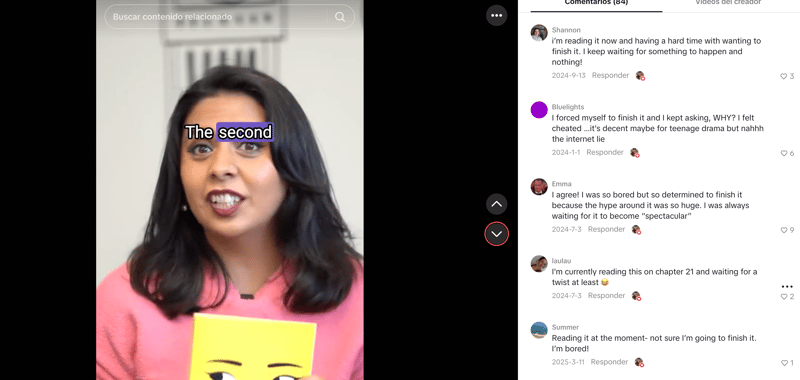
Stop writing the script. Instead of sending a creator a stifling brief outlining the key themes of a product, send them a prompt that invites their unique worldview to center stage.
If you are promoting a thriller, do not ask them to summarise the plot like a middle school book report. Ask them: "What is the biggest, most elaborate lie you have ever caught someone in?" Let them tell their own story first, hook their audience with real human drama, and then bridge that raw emotion to your product.
In publishing, hitting the bestseller list is the ultimate vanity metric. It looks fantastic on a resume, but it does not always equate to long-term profitability or cultural resonance. Publishers have imported this exact same flaw into their creator strategies.
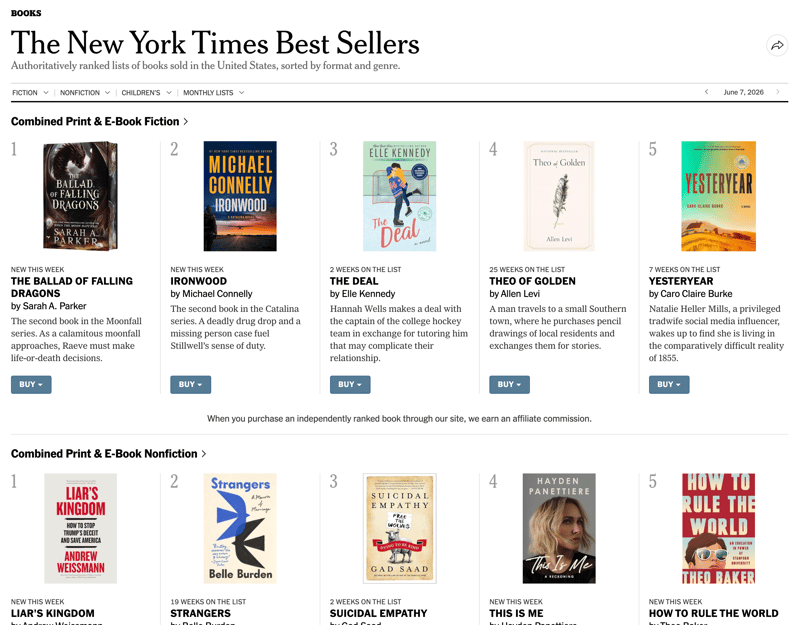
Agencies and in-house marketing teams at the big five publishers are still agonisingly obsessed with macro-influencers and celebrities. They want the flashy follower count. They want the million-view guarantee. They are hunting for the next Stephen King of influencers, while completely ignoring the thousands of dedicated, highly influential indie bookstore owners of the digital world: the micro and nano-creators.
Here is a stat that should make every CMO rethink their budget allocation: micro-influencers (those with ten thousand to fifty thousand followers) consistently boast engagement rates that are up to sixty percent higher than macro-influencers.

Furthermore, their audience trust scores are off the charts. When a mega-influencer recommends a fantasy novel, their audience assumes they were paid a premium. When a niche BookToker with twelve thousand followers hyper-fixates on a debut sci-fi novel and posts three consecutive deep-dive videos about the world-building, their audience buys the book. Immediately.
Publishers fail because their casting is entirely superficial. They look for people who read. That is a demographic, not a community.To win, brands and agencies must cast for sub-cultures.
Identify the Micro-Trope: Do not just look for "Romance Readers." Look for creators who exclusively consume "Enemies to Lovers, Slow Burn, Academic Rivals" tropes.
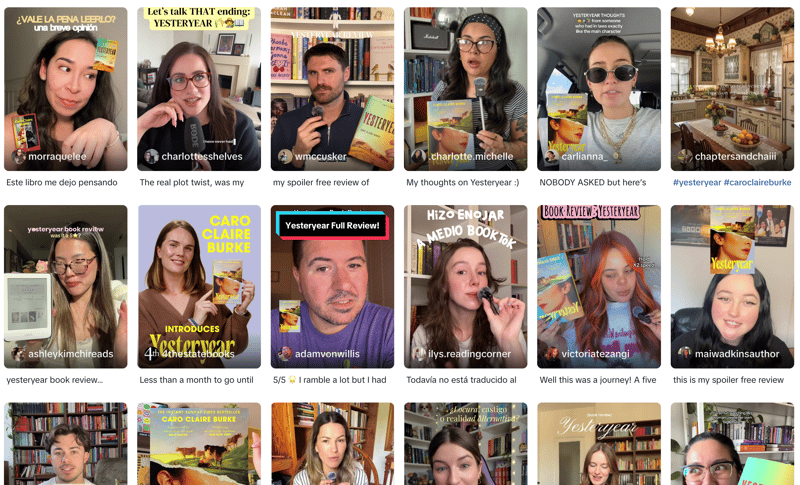
This is exactly where the manual process breaks down and teams surrender to chaos. You cannot manually track the audience overlap and narrative alignment of forty micro-creators using a color-coded spreadsheet. It is impossible. You need a system. This is a hill I will gladly die on, and it is precisely why we built Influencity.
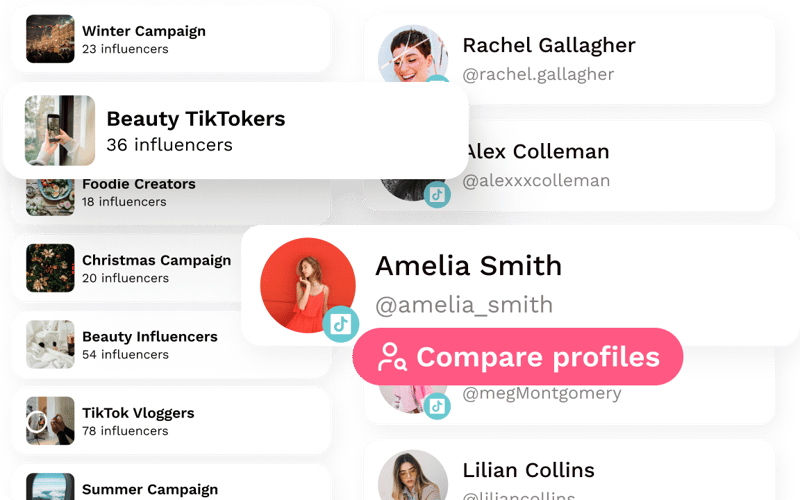
We wanted to eliminate the guesswork. When your tool allows you to look under the hood of a creator’s audience and see exactly who is engaging and where they overlap with other creators, you stop gambling and start investing. You move from throwing darts in the dark to executing a precision strike.
Let us talk about the PR package, the lifeblood of the publishing marketing machine. The traditional model works like this: print five hundred Advance Reader Copies, stuff them in branded boxes with some crinkle paper, and mail them to every book influencer on a massive, outdated Excel list.
This strategy is actively damaging to the brand narrative. First, it creates an environment of visual fatigue. If a consumer opens Instagram and sees the exact same book cover posted by thirty different influencers on the exact same Tuesday, the brain registers it as an ad and immediately filters it out. It feels like an assault, not a discovery.
Second, it devalues the product. When everyone has exclusive, early access, no one does. You have stripped the creator of their insider status.
Agencies and publishers need to flip the model from outbound spraying to inbound curation. Make the creators come to you, and make the selection process part of the narrative itself.
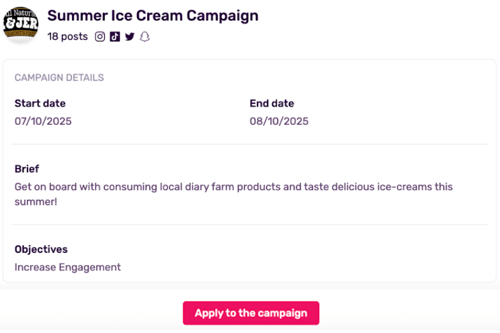
Through making the creator earn the product, you automatically increase their psychological investment in the campaign. They are no longer just receiving a PR box, they have been hand-selected for a covert operation. The resulting content will be deeply personal, highly protective, and vastly more persuasive.
Publishing is an industry built on backlists and series. You hook a reader on book one, and you monetise them for the next ten years as they buy books two through seven. Believe me, I’ve just bought my 11th bookcase two days ago.
Why, then, do publishers treat creator campaigns as transactional one-night stands?
A campaign launches, the publisher pays the influencer, the post goes live, the invoice is paid, and the relationship dies. Six months later, when the author has a new book, the publisher starts the discovery process all over again from absolute zero. It is an astonishing waste of relational equity.
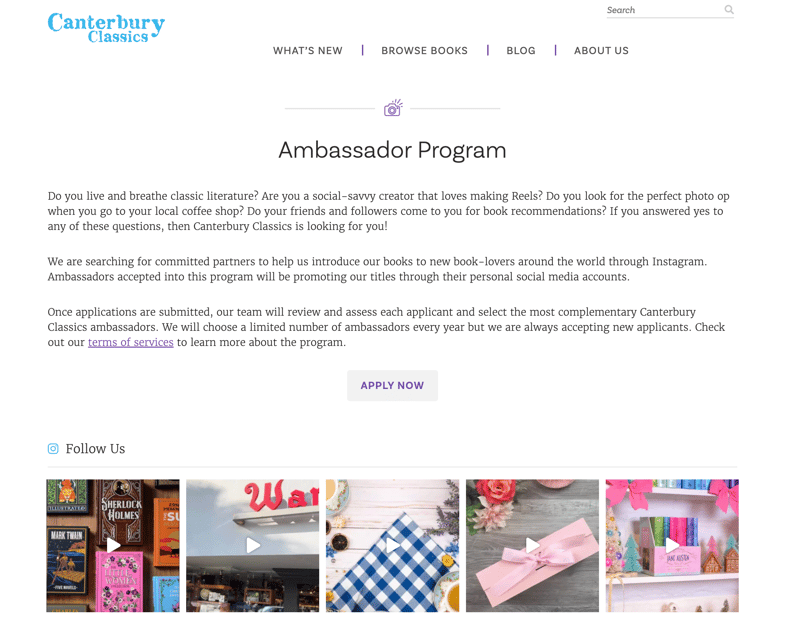
The most successful brands build ambassador programs. They understand that a creator’s second or third post about a brand carries exponentially more weight than their first. The audience needs to see that the creator actually integrates the product into their long-term life, not just their short-term content calendar.
Stop viewing influencer marketing as an expense and start viewing it as an asset class. You need to build a portfolio.
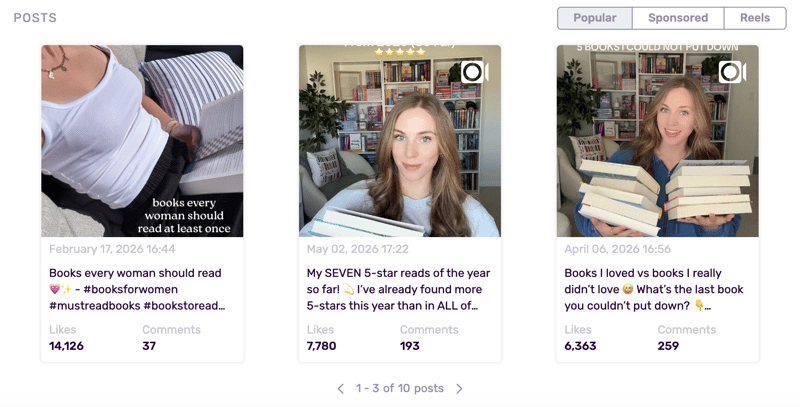
Traditional PR is terrified of the negative review. The entire system is engineered to suppress criticism and artificially inflate praise. But the creator economy operates on an entirely different currency: authenticity.
And authenticity requires friction. A five-star review with zero critiques is inherently suspicious to a modern buyer. A four-star review that outlines exactly what the creator loved, but also explicitly states what they disliked, is magnetic. It signals to the audience that the creator cannot be bought. Publishers often blacklist creators who give an ARC a mixed review. This is an incredible strategic blunder.
When a creator says, "The pacing in the middle of this thriller dragged for me, but the twist ending was so phenomenal it kept me up until 3 AM," they have just sold the book better than a flawless, glowing review ever could. They have set realistic expectations, built trust with their audience, and highlighted the product's ultimate strength.
Brands and agencies must write permission to critique directly into their creator briefs.
Tell your creators: "We want your honest take. If there is a feature you do not love, or a chapter that did not work for you, say it. We value your integrity more than a sanitised talking point."
When a brand does this, two things happen. First, the creator is usually so shocked by the brand's confidence that they end up creating far more passionate, positive content. Second, the audience sees the nuance and immediately trusts the recommendation. You are treating the consumer like an adult, and they will reward you with their wallet.
If we zoom out from publishing, the lessons here apply to every SaaS company, every lifestyle brand, and every agency trying to navigate the chaotic waters of social selling. Big publishers are stumbling because they are trying to force a 20th-century broadcast model onto a 21st-century conversational medium. They are treating community as a target demographic. To win in this space you have to start acting like a facilitator.
Here is your final, actionable framework to ensure your brand does not end up as a cautionary tale on the remainder shelf:
Stop looking at follower counts. Look at comment sentiment, audience overlap, and narrative consistency.
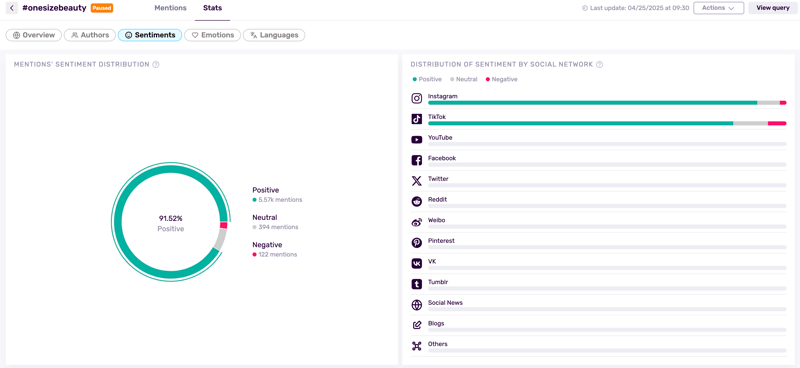
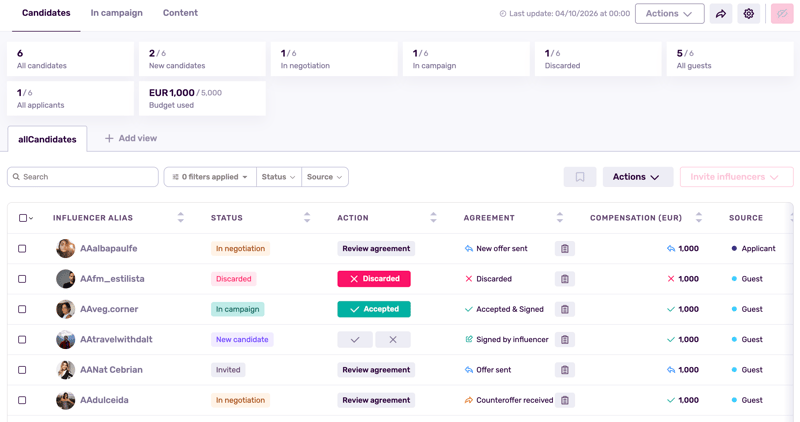
Use technology to map the ecosystem before you ever send a single DM. (And yes, ditch the spreadsheets. They are killing your operational flow and blinding you to real insights).
Do not send briefs, send invitations, or send a link to your casting call.
Give creators a reason to care about your narrative before you ask them to sell it. Let them co-author the angle.
Trust the people you hired. Give them the guardrails, but let them drive the car. Embrace the friction, the slang, the unpolished lighting, and the raw reactions.
Turn your best-performing creators into a recurring cast of characters. Build a backlist of brand advocates who grow with you over years, not just during launch week.
We are all desperately looking for stories that make us feel something, that make the complex feel simple, and that make the decision to buy feel not just logical, but inevitable.







%20and%20How%20Can%20They%20Benefit%20Your%20Brand%20article.jpg?length=628&name=What%20Are%20Key%20Opinion%20Leaders%20(KOL)%20and%20How%20Can%20They%20Benefit%20Your%20Brand%20article.jpg)


.png?length=628&name=Pop-up%20image%201200%C3%97800@1x%20(1).png)