

In my early days of working in social media management, I went into it thinking that my technical knowledge about social media algorithms and content trends would have been enough to get me through the job with ease. I’d done my homework, extensively studied social media growth tactics, from optimal posting time to strategies for maintaining brand safety. However inexperienced I was, I was optimistic. Yet, to my surprise, the number one challenge I faced was one I’d never anticipated: creative burnout. From the constant need to ideate and create content in line with the latest social media trends, to the demand for consistent posting to stay relevant and retain people’s attention, my research hadn’t truly prepared me for the pressure that comes with content creation.
However, at the end of the day, I was only an employee working behind the scenes. I had the luxury to take a break and separate myself from my work when necessary. So I can only imagine how intense this pressure must be for creators who don’t have this luxury.

Since the influencer marketing world has grown more competitive than ever, many creators are responding to this market pressure with volume. By pumping out more content, signing more deals, and posting constantly to retain momentum, creators everywhere are competing for that spot on our social media feeds. But as essential as frequency and consistency are, this pressure can be detrimental to a creator’s performance if approached thoughtlessly.
In this piece, we will explore how fixation on content volume can lead to creator burnout and audience fatigue. We will also look at how agencies can address and prevent this issue by taking a more proactive creator management approach.
Creator burnout is the intense mental exhaustion and loss of motivation that creators experience from prolonged stress caused by content creation. Although burnout isn’t exclusive to the influencer marketing industry, the nature of a creator’s job makes them highly susceptible to it.
The “always-on” culture, where influencers have to stay plugged in to their jobs every waking hour, leaves little room for creators to disengage and unwind. Without calculated planning, this mode of operation can take a serious toll on a creator’s mental health and creativity.
If you’re a talent agent, you’re likely to have dealt with this pervasive problem and would’ve spent a good deal of energy in search of a solution. But before we look for a cure, it’s important to first understand why these things happen.
The constant demand to create and post new content can eat up a creator’s energy and creative juices. When influencers are pressured with the need to chase every trend, post frequently to maintain visibility, and produce multiple deliverables within restrictive timeframes, the mental load is often debilitating.

Interestingly, monotony is one of the main culprits behind creative burnout. When creators are repeatedly asked to talk about the same subject and duplicate the same format over and over again, the result is rarely consistent performance. Instead, you’re more likely to get stale content, creator frustration, and audience fatigue.
When there is an obvious category overlap between the different brands a creator collaborates with, it can get overwhelming very fast. While it can be very tempting for creators to jump on every partnership opportunity that comes their way, this often comes with a hidden cost. When a creator is endorsing too many brands within the same category, viewers often lose their trust. Trying to survive in the competitive market while maintaining a consistent message is often dizzying for creators.
Not knowing where your next payment is going to come from is another root cause of creators’ frustrations. Unlike workers with stable monthly incomes, creators have to constantly look for commercial opportunities to keep their careers afloat. This uncertainty adds pressure and mental stress that can eventually lead to burnout.
So we’ve established that high content volume and repetition can adversely impact a creator’s performance, but what about the audience? As creators deal with the pressure and frustration of excessive content demand, their audiences are experiencing the accompanying phenomenon called ‘ad fatigue’.

When audiences are exposed to too much similar or related promotional content, it can get tiresome and dull. Repetitive content from a creator often leads to loss of trust, disengagement, and negative sentiments.
As much as users look to content creators for purchase recommendations, no one wants to feel like they’re being forced to buy something they don’t need. Take the ‘deinfluencing’ and ‘underconsumption’ trend, for example, these online movements were triggered by people’s growing frustration with the culture of mindless consumption. Lately, influencers have been receiving serious pushback and skepticism for posting excessive hauls and PR packages.
As a response, many creators have pivoted to ‘deinfluencing’ and advocating for conscious consumption rather than encouraging impulsive purchase decisions. Under this new cultural shift, creators can no longer churn out product recommendations repeatedly, authentic endorsements with in-depth product knowledge and close brand affinity have to take precedence over content volume.
Addressing creator burnout and audience fatigue go hand in hand. When social media algorithms and rapidly changing trends demand constant activity, how can agencies help creators stay afloat without cracking under the pressure?
Maintaining the balance between relevance and overexertion requires smart decision-making on the agency level. While creators do their part to ideate and produce high-performing content, influencer talent agents can use strategic foresight in choosing the most advantageous deals for their clients. Let’s look at a few smart considerations agencies can keep in mind to avoid this growing problem.
First and foremost, as the saying goes: “If you know your enemy and know yourself, you need not fear the result of a hundred battles.” (Sun Tzu). So when you want to effectively tackle an issue, you must first understand how it manifests. When agencies can identify burnout symptoms earlier, they can easily stop it in its tracks before it does too much damage.
While it’s easy to get ambitious with the volume of deals you land, agents shouldn’t lose sight of what’s practical. Trying to fit too many deliverables into a tight and restrictive schedule can be a recipe for disaster. Not only does this harm content quality, but it also causes excessive mental and emotional strain on the creator.
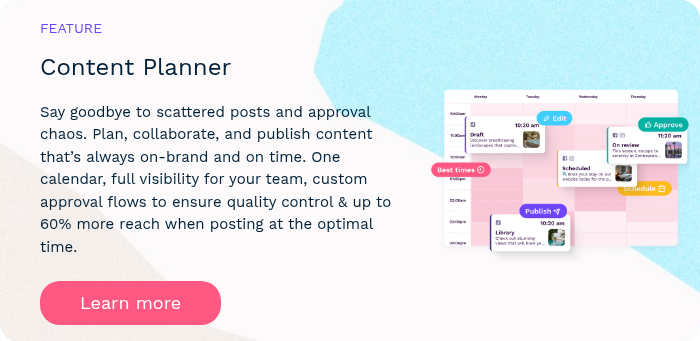
Strategically plan out your creator’s content calendar, leaving ample buffer time for breaks, unexpected delays, and revisions. A packed schedule may look attractive on paper, but a realistic one is what truly delivers results in the long run.
A strategic decision filter for your partner selections is a must. Here are a few factors you can consider:
Truly understand your creator’s brand identity and audience. When presented with a partnership opportunity, first assess whether the brand is in line with the creator’s image.
To illustrate, here’s a hypothetical scenario: Let’s say we have a creator who regularly talks about veganism and animal rights, with their entire public persona built around this ethos. One day, they decide to partner with a makeup brand that isn’t cruelty-free. The result? Backlash, loss of trust, and a reputational disaster.
Filtering partnership opportunities based on the creator’s values can be the first step for narrowing down your partnership options.
Although selecting collaborations based on an influencer’s specific niche may seem like a no-brainer, creators shouldn't remain strictly confined to these niches either. When a creator has too many “favorites” within the same category, it muddies up the message and their voice loses its power. A creator’s influence is only as effective as their clarity and authenticity, and viewers respond best to recommendations they can trust.
Take Bretman Rock, for example. As one of the OG beauty gurus who’d built his online empire from beauty-related content, you’d expect him to exclusively partner with beauty and skincare brands. However, if you take a closer look at his partnership history, you’ll notice that it's quite the contrary.
From clothing and lifestyle to soda brands, he’s collaborated with a wide range of brands outside his niche. Interestingly, within the beauty category, he’s kept his endorsements limited to only a handful of brands. This signals strong brand affinity and makes his endorsements all the more impactful.
Similarly, as agencies, it’s important not to limit yourselves to a specific type of influencer. Keep your influencer roster diverse, spanning multiple niches, tiers, and platforms. This will open the door to a wide range of partnership opportunities, making your decision process simplier.
When there’s too much category and audience overlap among the creators on your roster, assigning campaigns can get a lot more operationally challenging. Working with a diverse selection of influencers, each with their own unique positions, will allow you to evenly and accurately assign opportunities to your creators.
Earlier, I mentioned the growing concerns around hauls and consumption culture. Increasingly, influencers who feature an excessive amount of products, either through hauls or PR unboxing formats, have been receiving strong pushback. However, the haul format isn’t going away anytime soon. Users still look to influencers for their recommendations, and creators’ insights carry a ton of weight in consumers’ purchase decisions.
If we take a closer look at the conversation surrounding this issue, the main gripe audiences seem to have is less against the products, but more towards the attitude behind these hauls.
When the focus isn’t on the products themselves, but rather on the act of buying and acquiring, it sends a bad message. Which is why creators and agencies need to approach this format more consciously.
While haul videos will always have a place in the influencer marketing landscape, overwhelming your audiences with extravagant purchases and PR gifts isn’t the best way to go. Rather than showing products merely for the sake of showing them, creators have to be more purposeful with their haul videos. As agencies, understanding when to say yes to a more haul-heavy campaign is crucial. For example, haul-heavy content can be excellent for campaigns such as:
Product Comparisons: Every time I’m about to make a purchase, product comparison videos are my go-to sources. For instance, I regularly purchase makeup products online, so I never buy a product without first scouring the internet for swatches and comparisons. As a regular customer, there’s no reason for me to own ten different shades of a single product, but influencer haul videos that feature a wide range of shades have always served me well.
It is through these videos that I can see different shades compared against each other and make a reasoned judgment. The same applies to pretty much every other purchase I’ve made since the dawn of influencer marketing.
Instead of the message being “I’ve got these many items and so should you”, hauls should be more about helping viewers make informed decisions.
The compensation amount is already one of the first things you’d factor in before agreeing to a partnership, but there’s a lot more to this topic than meets the eye. Since income instability is one of this industry’s major concerns, the introduction of compensation frameworks that promise long-term partnerships or even brand equity has really upped the game for influencer partnerships. Rather than evaluating opportunities based on how much one-off payments brands are offering, filter your options based on how much long-term benefits they’re willing to offer. Not only does this secure your creators’ income, but it also fosters lasting brand partnerships that stabilize their brand identity and positioning.
Before you start connecting creators to brand deals, properly ascertain who they are, who their audiences are, and what unique identity and position they can offer to the digital landscape at large. Instead of assessing partnership opportunities by how attractive they look on paper, analyze your influencers based on demographic data, audience overlap, and brand affinity to match them with deals that offer the most distinctive and authentic partnership.
The fast-paced digital marketing landscape, the chase for relevancy, and income instability can cause serious mental and emotional burden that leads to burnout.
For viewers, seeing too much similar promotional content on their social media feeds can cause exhaustion and ad fatigue.
While it’s important for creators to post regularly, simply churning out content for the sake of posting can reflect badly on the creator. Consistency and quality outweigh volume when it comes to impact.
Agencies can use influencer analytics like audience overlap, sentiment analysis, and audience analysis to determine the true value and impact of an influencer’s content.
You can optimize your influencer relationship management through influencer marketing platforms like Influencity, where you’ll have access to comprehensive data and practical analytics tools for accurate results.








%20and%20How%20Can%20They%20Benefit%20Your%20Brand%20article.jpg?length=628&name=What%20Are%20Key%20Opinion%20Leaders%20(KOL)%20and%20How%20Can%20They%20Benefit%20Your%20Brand%20article.jpg)