

Let us gather around and officially read the eulogy for the one-and-done sponsored post.
May it rest in peace. It had a good run. For a solid decade, brands treated influencer marketing like a digital vending machine. You inserted a budget, pressed a button, a creator held your moisturiser up to a ring light, and you walked away with a temporary spike in sales. It was transactional. It was linear. It was, quite frankly, a little boring.
But welcome to 2026. Today consumers are sharper than ever. They can spot an inauthentic, scripted brand integration from three miles away in a thick fog. They do not want to be sold to, they want to be entertained, educated, and initiated into a community.
Today, the most successful brands and agencies are working on decentralised storytelling ecosystems. They are weaving intricate, multi-platform webs of narrative that surround the consumer, turning passive scrollers into active participants.
A TikTok sparks discovery. An Instagram Story deepens familiarity. A YouTube breakdown builds authority. A Reddit thread legitimises the conversation. A creator podcast transforms brand affinity into cultural belonging.
All of a sudden your campaign is no longer revolving around posts. And this shift changes everything, how agencies cast creators, how brands structure budgets, how narratives are sequenced,how performance is measured, and how content tracking becomes absolutely mission-critical. Because once campaigns evolve into fragmented, multi-touch storytelling systems spread across platforms, formats, creators, reposts, whitelisted ads, and community interactions, visibility becomes exponentially harder.
Without content tracking, modern influencer campaigns are hard to report accurately. And, no, you cannot optimise what you cannot see. You cannot scale what you cannot measure. And you certainly cannot build a decentralised storytelling strategy if your reporting infrastructure still thinks in terms of isolated sponsored posts.
Let us dive deep into the anatomy of a modern, multi-tiered influencer campaign.
Content tracking is the process of systematically collecting, organising, monitoring, and analyzing every piece of creator content published during an influencer campaign across platforms, formats, and creators. At its core, content tracking allows brands and agencies to answer a deceptively simple question:
What exactly was published, where did it appear, how did it perform, and what business impact did it generate?
In mature influencer marketing operations, content tracking goes far beyond simply counting likes or saving links to Instagram posts.
It involves tracking:
In other words, content tracking transforms influencer campaigns from scattered creator outputs into structured, measurable media ecosystems.
Remember that influencer marketing is no longer linear. A single campaign today may involve dozens of creators, hundreds of content assets,multiple social platforms, different publishing windows, paid and organic distribution, reposting rights,creator collaborations, and fragmented audience journeys.

Without content tracking, campaigns quickly become unmanageable.You lose visibility and efficiency, reporting becomes unreliable and creative learnings disappear into the void. Most importantly, strategic decision-making becomes impossible.
Content tracking gives brands and agencies the infrastructure required to operate influencer marketing as a scalable media channel rather than a collection of isolated creator partnerships.
For agencies specifically, content tracking is essential because it enables centralised campaign management, faster client reporting, stronger benchmarking across creators and industries, easier content validation and approvals, better cross-team collaboration and more scalable operations across multiple clients and campaigns.
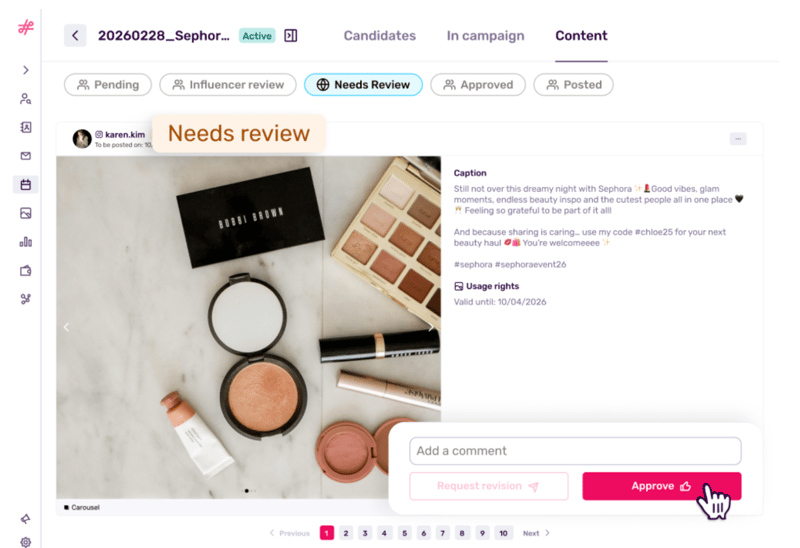
For brands, the value is even deeper. Content tracking allows marketing teams to identify:
The real shift is that influencer marketing has evolved from creator activation into distributed content operations. And distributed systems require visibility. That is precisely what content tracking provides, a unified operational layer connecting creators, content, performance, reporting, compliance, approvals, and strategic analysis into one coherent ecosystem.
If your current influencer strategy consists of finding ten creators in your niche, handing them identical briefs, and asking them to post on the exact same Tuesday at noon, you are not running a campaign.
The modern consumer journey is not a straight line, it is a pinball machine. A consumer might discover your product through a hyper-niche TikTok meme, forget about it, see it referenced in a casual day-in-the-life YouTube vlog two weeks later, and finally pull the trigger when an Instagram micro-influencer drops a genuine tutorial on how to use it.
To win in this environment, campaigns must be constructed like mosaics. Every creator is a different colored tile. Individually, they might just look like a small piece of content. But when you step back, they form a massive, cohesive, inescapable cultural footprint.
This requires a fundamental shift in how we cast, how we brief, and how we measure. It requires relinquishing a degree of brand control to gain a massive multiplier in brand trust.

Let us look at how the virtuosos are playing the instrument.
If you want to see how to build a community instead of a broadcasting network, the 2025 and 2026 iterations of the Sephora Squad are the gold standard. Sephora shifted their strategy away from paying for hit-and-run shoutouts. Instead, they built a highly curated, year-long partnership program that treats creators of all sizes as permanent brand extensions.
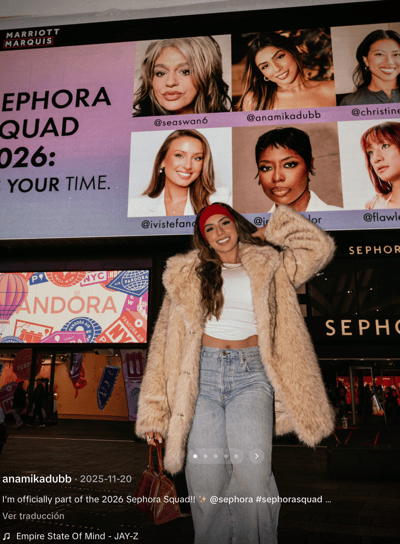
What makes their recent campaigns brilliant is the duration of the partnerships and the structural layering of the narrative. In their 2026 recruitment and activation waves, Sephora completely decentralised their storytelling. They engineered a multi-touch funnel entirely powered by creators.
Sephora understands that different tiers of influencers serve completely different psychological functions in the buying brain.
.png?width=800&height=450&name=Tables%20(8).png)
They activated their nano-influencers to spark conversations. These creators have small but fiercely loyal communities. Their job was to drive immediate sales while introducing the product through raw, unfiltered reviews. They planted the seed of curiosity.
A week later, mid-tier creators began dropping long-form tutorials. They answered the questions generated in the nano-creators' comment sections. They showed the texture, the application, the wear-time. They nurtured the initial spark into genuine desire.
Finally, macro-influencers and Sephora’s own allowlisted ads came in with the targeted scale and the specific calls to action.
This was a perfectly timed digital relay race. Sephora wove the brand into the daily digital fabric of their target audience so seamlessly that consumers felt like they were organically discovering a trend, rather than being dragged through a sales funnel.
Let us pivot from the slow-burn beauty ecosystem to the explosive, high-octane world of entertainment and gaming. Look at Goat Agency, an absolute powerhouse that redefined the launch moment in the last couple of years.
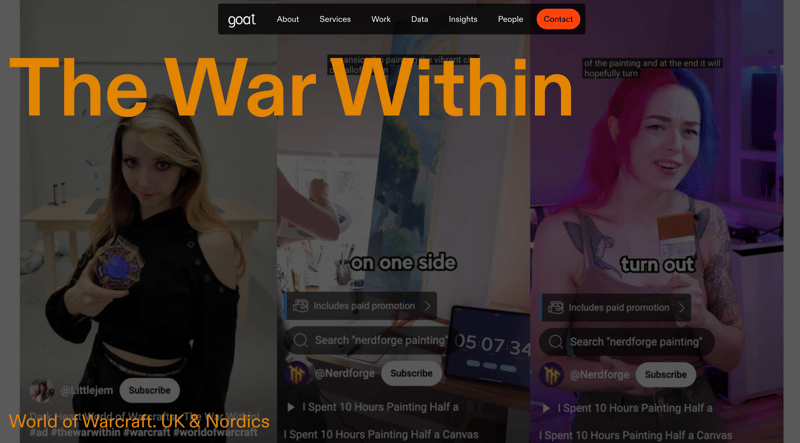
When Goat Agency partnered with massive gaming publishers to launch new titles, they threw out the traditional playbook. The old way was to pay fifty gaming streamers to play the game on the same weekend. The problem? You are only reaching people who already care about video games. It is an echo chamber.
Goat Agency leaned into a concept of cross-vertical cultural collisions. Instead of just hiring gamers, they orchestrated a massive, multi-faceted cultural moment that blended entirely unrelated niches.
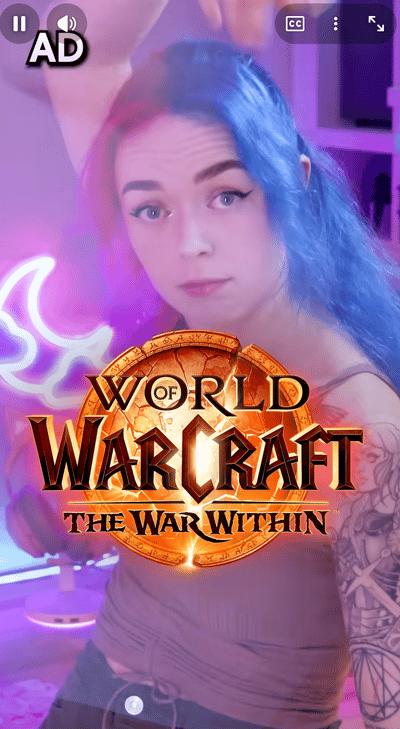
For a major 2026 launch, they paired hardcore Twitch streamers with lifestyle creators, fashion influencers, and even culinary TikTokers. They had a food influencer in Germany creating a recipe based on an in-game item. Simultaneously, a fashion influencer in Paris was styling outfits inspired by the game’s characters. Meanwhile, traditional gaming creators were hosting chaotic, four-hour live playthroughs.
This is the mosaic in action. Through bleeding the campaign out of the designated gaming vertical and into food, fashion, and lifestyle, they created a sense of digital omnipresence. The game becomes a cultural event. They hacked the algorithm by ensuring that no matter what your interests were, your feed was subtly pointing back to their launch.
So, how do you replicate this level of sophistication? How do you move from transactional posts to cultural omnipresence? It comes down to fundamentally changing how your agency interacts with talent.
Stop looking at follower counts. A million followers mean absolutely nothing if those followers are passive scrollers. You need to cast for community density.
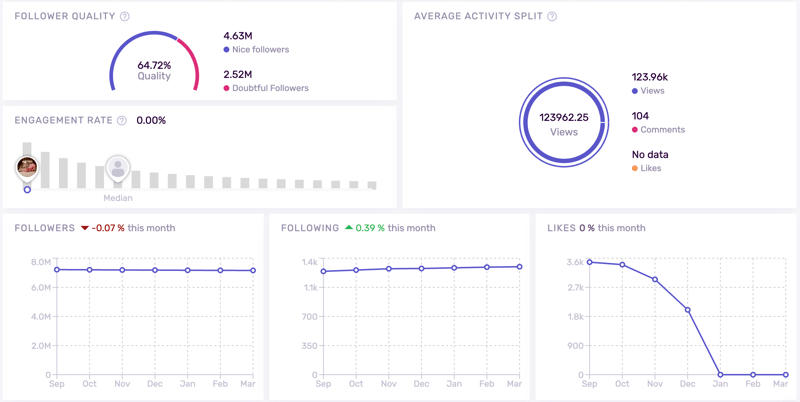
When vetting creators for a multi-tiered campaign, mature agencies look at the comment-to-like ratio. They look at the inside jokes the creator has with their audience. They look at whether the creator actually replies to their followers.
If a creator treats their audience like a community, their audience will treat your product recommendation like advice from a friend. If a creator treats their audience like an ATM, their audience will treat your product like a spam email. Cast the community leaders, not just the beautiful faces.
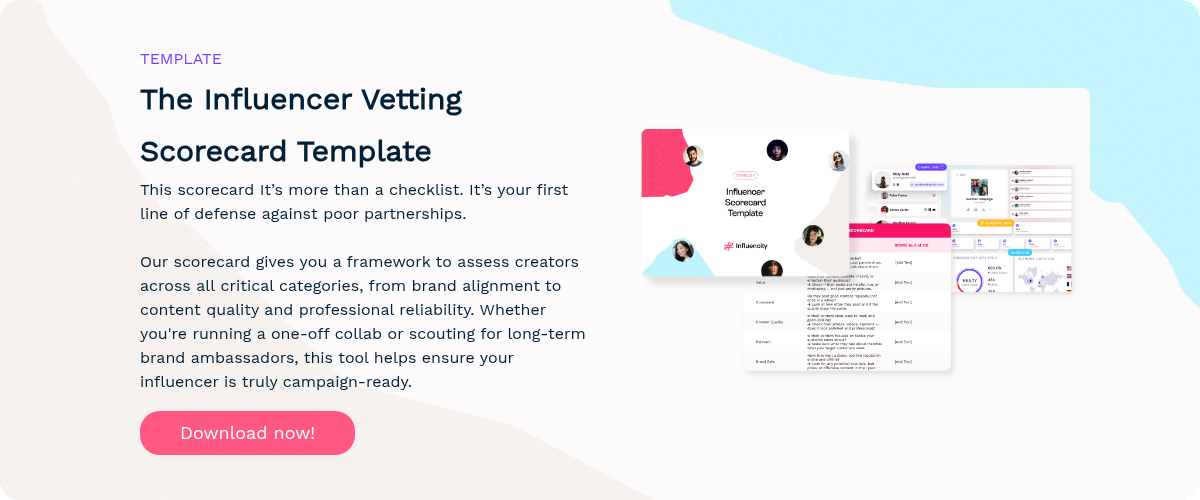
The fastest way to kill a creator’s soul, and your campaign’s ROI, is to hand them a three-page brief detailing exactly what to say, what to wear, and how to smile. If you script the content, you strip the creator of the very magic you are paying them for.
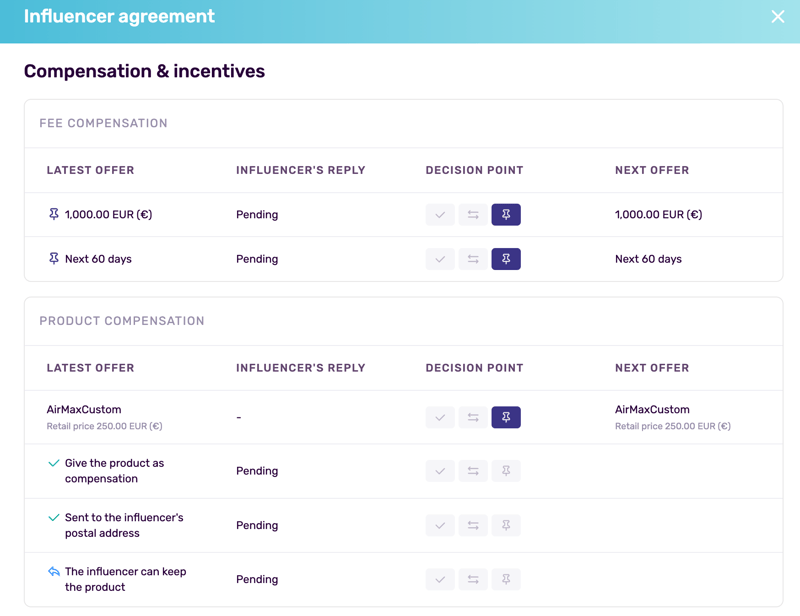
Tell the creator the exact problem your product solves. Give them the absolute "do not say" list (brand safety is still paramount). Give them the key value proposition. And then? Get out of their way. Let the culinary influencer make a messy, chaotic recipe. Let the comedy creator roast your product’s old packaging before praising the new one. Trust the creator to translate your brand into the native dialect of their audience.
Never let a good piece of content die on one platform. When a creator makes a phenomenal TikTok, do not just check the box and move on.
Build an echo strategy into your campaign architecture. Negotiate cross-platform usage rights up front. If a short-form video goes viral on TikTok, have a mechanism to immediately seed that same video as a YouTube Short and an Instagram Reel. Turn the creator’s raw, organic hook into a spark ad. You want to create an environment where the consumer feels like the message is naturally bubbling up everywhere they look.
Now, let us bring it back to reality. Building a multi-tiered, cross-vertical, decentralized campaign sounds incredibly sexy in a pitch deck. It is the kind of strategy that wins awards.
But there is a catch. A massive, terrifying catch.
When you unleash two hundred creators across four different platforms to tell a synchronised story, you are generating an absolute hurricane of digital assets. You have Instagram Stories vanishing in twenty-four hours. You have TikToks driving traffic to affiliate links. You have YouTube VODs hiding precise conversion metrics an hour deep into the timeline.
You can build the most beautiful, complex Ferrari of an influencer campaign the world has ever seen, but if you do not have telemetry to track the car, you are going to drive it straight into a wall the second you hit top speed.
This is where the magic of the campaign crashes into the brutal reality of campaign management.
If your agency is attempting to manage a 2026-level narrative mosaic while using a 2018-level tracking system, meaning manual spreadsheets, frantic text messages asking for screenshots, and shared Google Drives full of misnamed MP4 files, your campaign will fail. Not because the creative was bad, but because the infrastructure collapsed.
Content tracking is the invisible skeleton that keeps the flesh of your creative campaign upright.
When you treat content tracking as an administrative afterthought rather than a strategic imperative, the consequences bleed through the entire agency.
Your multi-touch funnel relies on taking the best organic content and boosting it with paid media. But if your team forgot to manually download that killer Instagram Story before it expired, the asset is gone. Your paid media team is left starving, unable to amplify the exact piece of content that was driving the cheapest cost-per-click. You built the fire, but you lost the gasoline.
When you run cross-vertical campaigns, you need to know exactly which vertical is actually moving the needle. Did the gaming streamer drive the downloads, or was it the lifestyle creator? If you are relying on influencers to accurately self-report their metrics thirty days after the campaign ends, you are basing your next budget allocation on guesswork and polite fiction.
You hired brilliant strategists to design cultural moments. But if they are spending twenty hours a week playing digital archaeologist, digging through broken hyperlinks to find an elusive video file to put in the client wrap report, you are wasting their brains. Manual tracking turns creative directors into highly stressed data entry clerks.
We automate the capture. We looked at the beautiful, sprawling campaigns agencies were trying to run, and we realised they were being held hostage by their own scale. We decided to be the invisible skeleton.
When you power your campaign ecosystem with Influencity, the operational friction disappears, allowing you to focus entirely on the narrative.
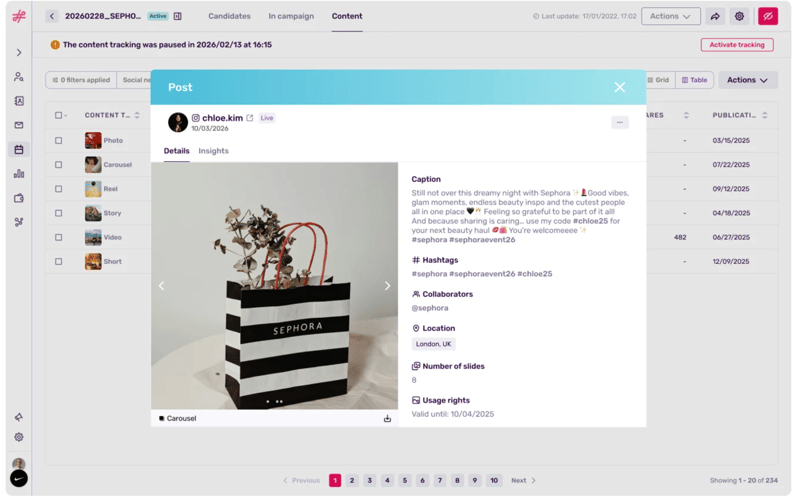
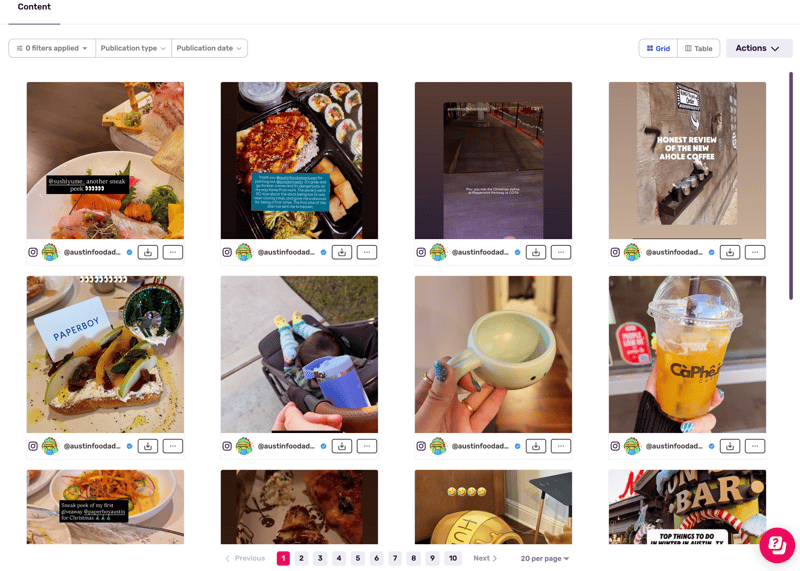
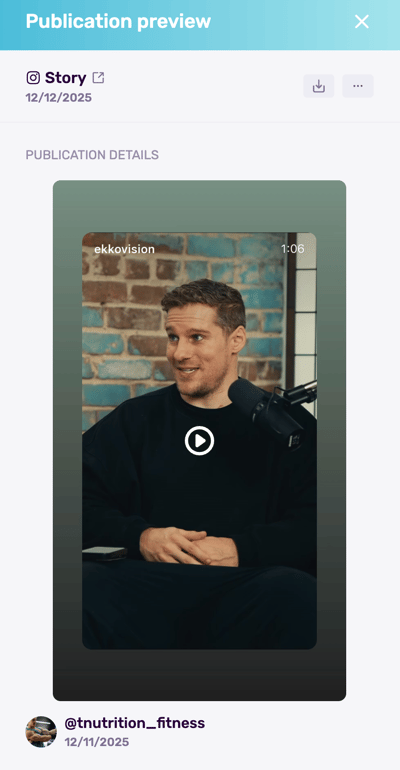
You won’t need to ask for a screenshot again. Influencity plugs gathers the content you need to track without the fuss. The moment your fashion influencer posts that perfectly un-briefed TikTok, or your nano-creator drops an Instagram Story, our system catches it.
We scrape the video and pull the caption. We catch the digital breadcrumbs before the algorithmic birds can eat them.
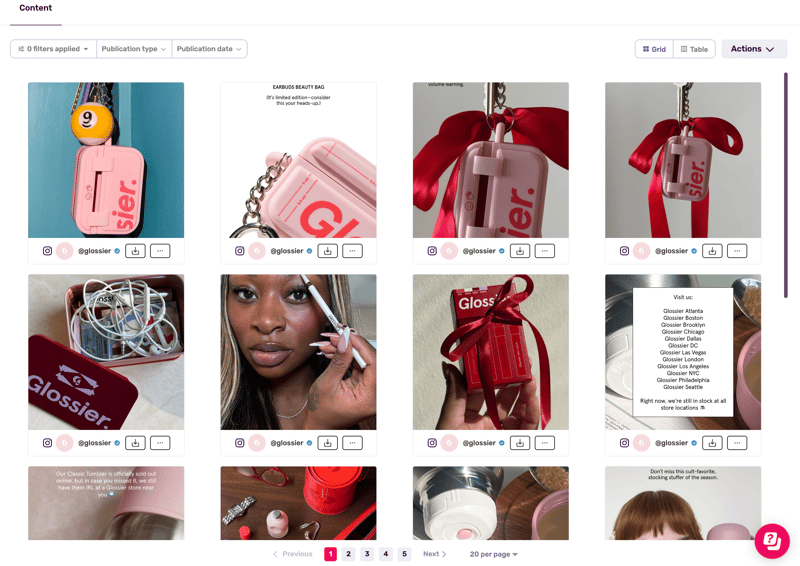
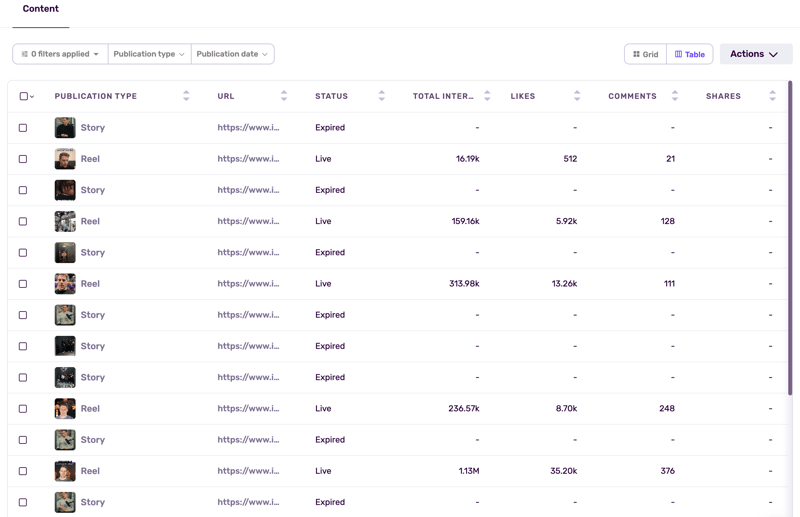
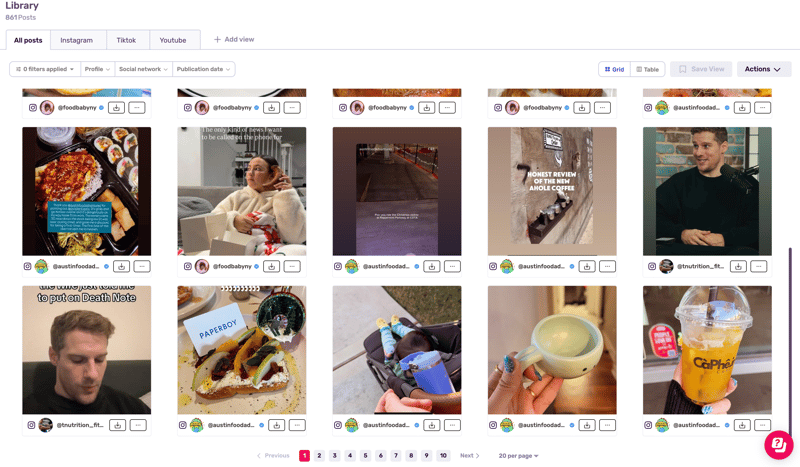
Influencity also provides a searchable, centralised vault for every single asset your campaign generates. You can filter by comments, last update, likes, profile, publication date, publication type, saves, shares, social network, status, total interactions or views
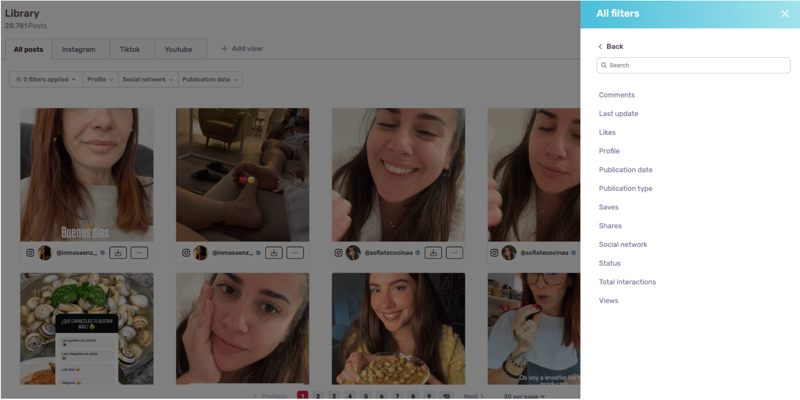
You want to instantly hand the top five converting videos to your paid media team? You click a button. The visual asset and the data live in the exact same house.
In a nutshell, Influencity allows you to actually map the multi-touch funnel. You can prove to your client that the nano-creator campaign in week one directly influenced the conversion rates of the macro-creator campaign in week three. You stop relying on vibes and start relying on verifiable mathematics.
We are living in the golden age of creator storytelling. The days of linear, boring, transactional influencer marketing are behind us. The brands that win the next decade will be the ones who treat influencers not as independent contractors, but as a chorus of voices capable of moving the cultural needle.










%20and%20How%20Can%20They%20Benefit%20Your%20Brand%20article.jpg?length=628&name=What%20Are%20Key%20Opinion%20Leaders%20(KOL)%20and%20How%20Can%20They%20Benefit%20Your%20Brand%20article.jpg)