

Influencer partnerships carry brand risk. One creator can strengthen trust fast or trigger backlash just as fast. That is why brand safe influencer partnerships are becoming a priority for marketing and risk teams.
The risk is not limited to public controversy. A poor fit can dilute brand identity, attract the wrong audience, and force a campaign pivot after spend is already committed.
I once sat in a strategy discussion where someone argued that any influencer mention was positive. Their logic was simple: more exposure equals more awareness. That belief is common, yet also incomplete.
Does it matter who talks about your brand? When a brand chooses an influencer voice, that choice should come with a higher standard than uncontrolled brand conversation.
This article lays out a practical, data-led framework for influencer vetting that teams can repeat and defend.

Brand safe influencer partnerships are collaborations with creators who are vetted to reduce reputational, cultural, and audience risk before a campaign launches. They rely on measurable signals rather than assumptions.
In brand safety in influencer marketing, this means evaluating:
These signals move decisions from instinct to documentation.
Brand safety reduces downside risk. Brand alignment protects long-term positioning.
A creator can avoid controversy and still be a poor fit. Alignment answers a harder question: does this creator reinforce how the brand wants to be understood?
Large audiences do not guarantee low risk. Reach can amplify misalignment as quickly as it amplifies awareness.
Influencer vetting should prioritize:
Follower count measures distribution, not trust.

Many teams treat brand safety as a last-minute screen. They look for obvious red flags and move forward if nothing alarming appears.
That approach misses the issues that disrupt campaigns most often: misread culture, misaligned audiences, and inconsistent creator behavior over time.
Avoiding scandal is reactive. Choosing alignment is strategic.
Even if a partnership does not explode publicly, it can still weaken trust by creating confusion. If audiences are confused about why a brand chose a creator, skepticism grows and credibility drops.
Brand safe influencer partnerships reduce that friction by clarifying the “why” before a contract is signed.
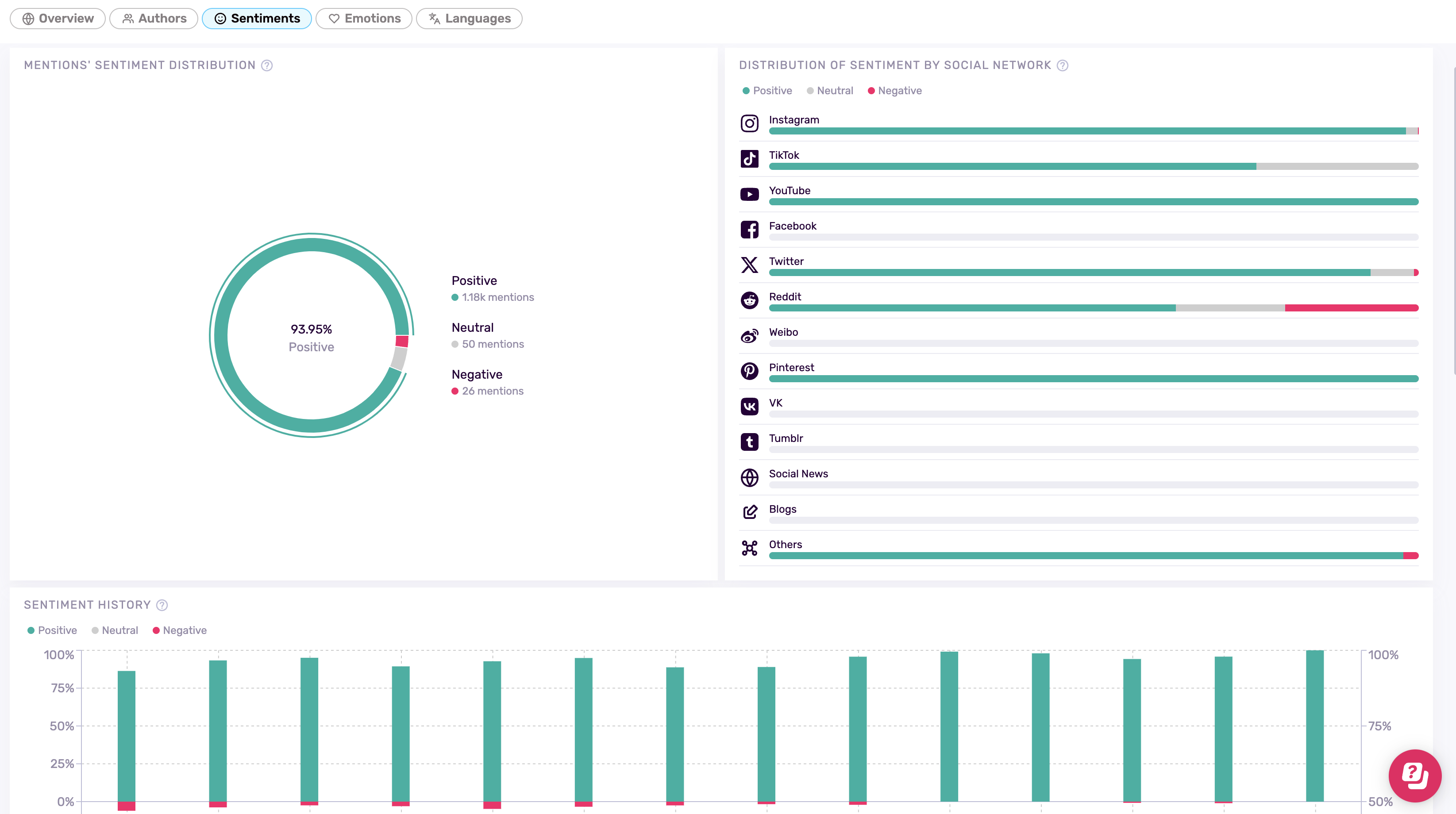
Audience sentiment is one of the strongest predictors of partnership stability.
A creator can look safe on the surface, but the audience can carry risk. If comment sections trend hostile, polarized, or volatile, the brand inherits that environment when the campaign goes live.
Brand safety data should account for sentiment quality, not just engagement totals.
To build brand safe influencer partnerships consistently, teams need a workflow that can be repeated, scored, and documented. This framework breaks influencer vetting into measurable layers.
Brand safety data signals typically fall into four categories: content history, audience sentiment, partnership patterns, and authenticity indicators. Teams review at least a year of posts for recurring themes, analyze comment tone and volatility, document past brand collaborations, and check whether follower growth looks stable. These signals predict partnership risk more reliably than reach alone, and they are the same inputs many influencer platforms surface through content analysis, audience insights, and historical partnership tracking.
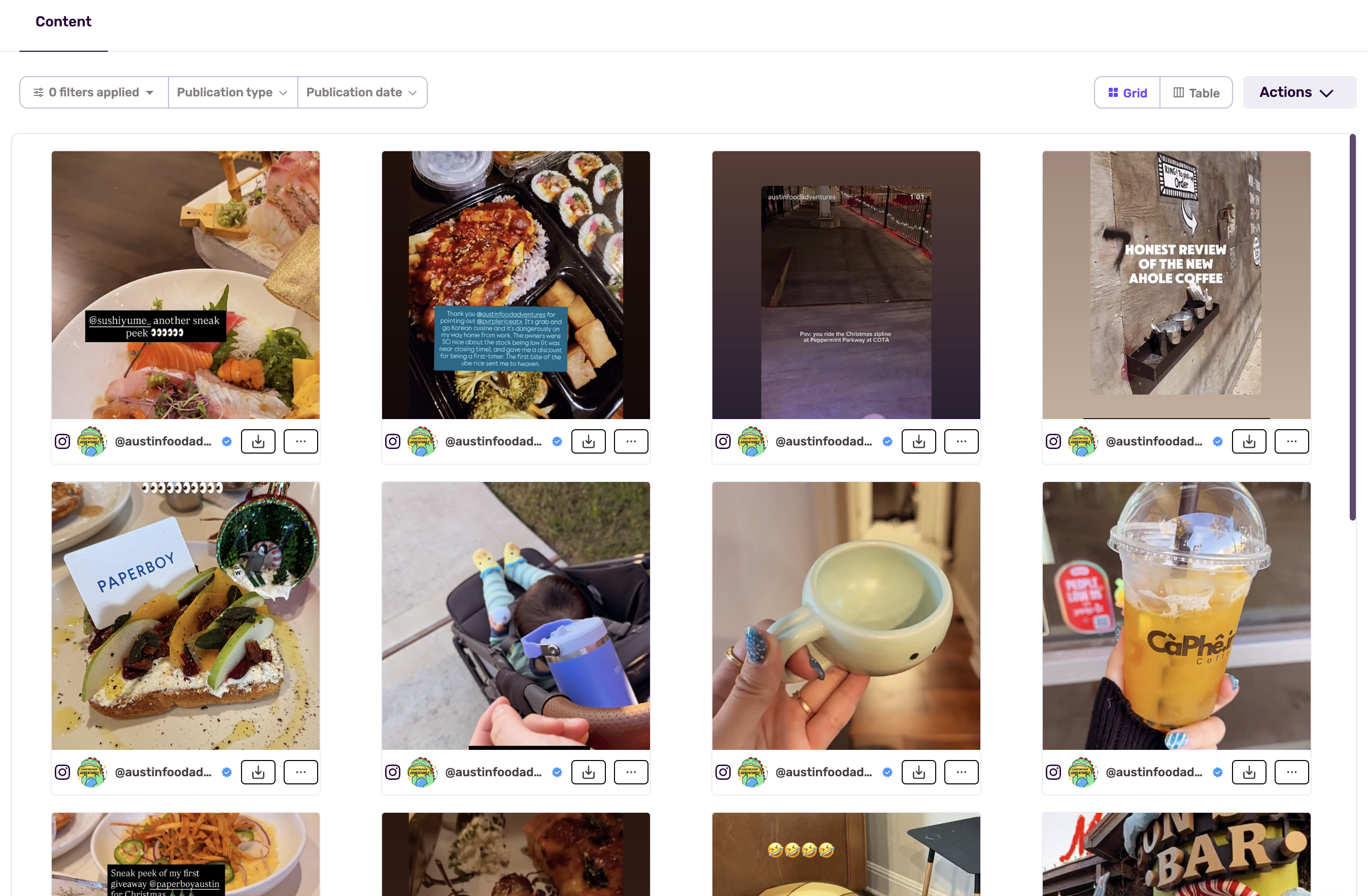
Most teams review recent posts. Brand safety requires reviewing patterns.
Check at least 12 to 24 months of content for:
You are not looking for a single mistake. You are looking for sustained patterns.
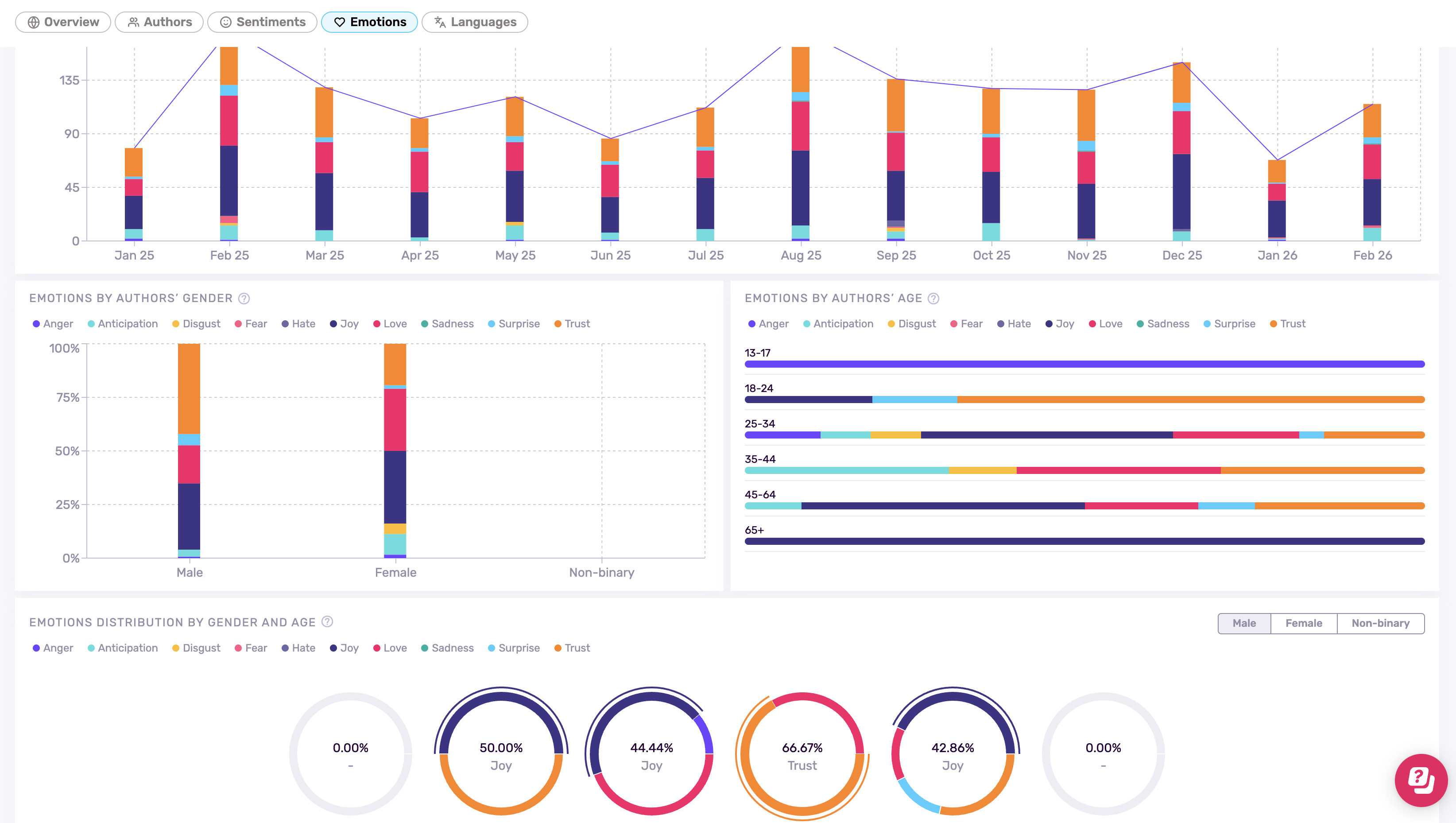
Influencer partnerships amplify community behavior.
Brand safety data should assess:
Healthy communities support stable campaigns. Volatile communities create unpredictable outcomes.
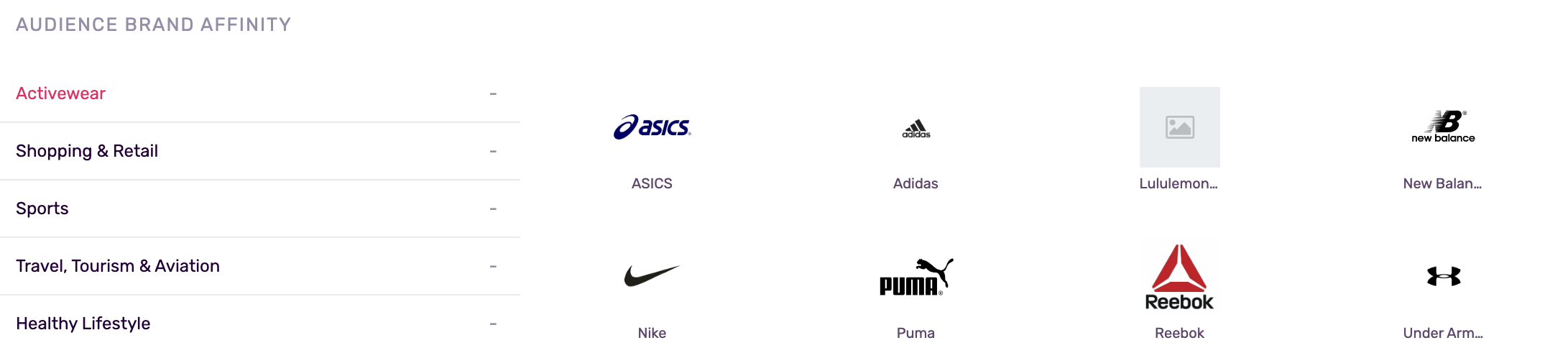
Partnership history shapes credibility.
Review:
Brand safe influencer partnerships feel consistent to the audience. Inconsistent partnership history increases skepticism.
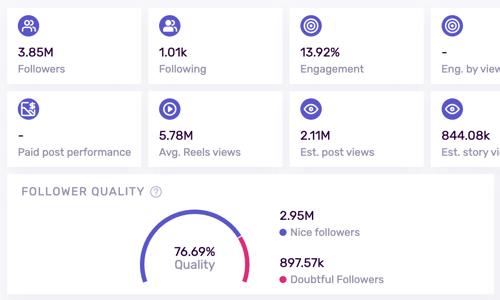
Authenticity checks protect both reputation and budget.
Look for:
Stable, organic growth signals durable influence. Volatile growth signals instability.
This is where safety becomes strategy.
Map:
If the overlap is strong, the partnership feels natural. If the overlap is weak, it looks transactional.

Many partnership failures start the same way. Teams prioritize reach and cultural momentum, then treat risk review as an afterthought.
When brand safety in influencer marketing is not operationalized, brands react after the public reaction begins. Contracts shift to damage control. Internal confidence drops. Future partnerships slow because approvals get tighter.
Teams avoid this cycle by making influencer vetting a defined workflow. Brand safety data then supports a clear decision: why a creator is a fit, what risks exist, and what monitoring is required during the campaign.

Brand safety data improves decision quality over time.
A repeatable process reduces dependence on individual opinions and reduces conflict between marketing and risk stakeholders.
When decisions are documented, teams can:
Teams that vet creators once and reuse the learning move faster.
A safe creator bench helps brands:
Long-term partnerships are often safer than one-off deals because expectations and boundaries are clearer.

Brand Safe Influencer Partnerships Checklist
Use this checklist before approving influencer partnerships. It turns brand safety in influencer marketing into a documented process.
Be ready with a response workflow

Influencer partnerships are public signals of identity. Every collaboration communicates who a brand stands beside.
Brand safe influencer partnerships reduce unnecessary exposure while strengthening alignment. When brand safety in influencer marketing is grounded in structured brand safety data and consistent influencer vetting, teams make faster decisions with fewer regrets.
The brands that win are deliberate in choosing who represents them.








%20and%20How%20Can%20They%20Benefit%20Your%20Brand%20article.jpg?length=628&name=What%20Are%20Key%20Opinion%20Leaders%20(KOL)%20and%20How%20Can%20They%20Benefit%20Your%20Brand%20article.jpg)