


Influencers are great at driving awareness, as they help audiences discover a new product or brand. But sometimes, that’s all they really do—they won’t influence buying decisions, let alone convince people to purchase something.
I recently saw a Reel from a beauty creator who tried on an amazing shade of eyeshadow. When I looked at the comments, it was clear that people loved the product and wanted to buy it too. The creator answered comments mentioning how the eyeshadow is from SheenEffect. Yet when they asked them what shade of eyeshadow they used from the brand, there was no answer.
This left followers having to figure out the shade themselves if they were really interested in buying it. If it were me, I might end up not buying the product at all…as much as I love it.
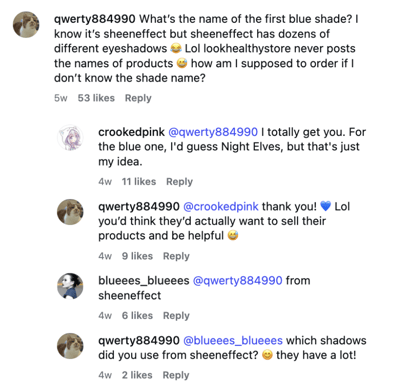
Looking at the creator’s content, it’s clear that she’s passionate about makeup. So she may seem like a great addition to your talent pool. But her influence may not extend beyond generating brand awareness. If you’re looking to drive actual sales, you need influencer rosters made up of creators who are great at convincing people to buy.
In this post, I take a closer look at how a strong influencer roster can help beauty brands maximize sales from their campaigns. I also share essential steps on how to build high-converting influencer rosters.
To start with, let’s try to understand the why behind building an influencer roster. As beauty brands plan campaigns to promote new collections and products, they may run a new influencer search every time. But this can be a time waste, especially as it doesn’t guarantee that you’ll always end up with the right batch of influencers.
When you have an influencer roster in place, you can easily tap into a talent pool of pre-vetted influencers who have proven to be effective. This speeds up every aspect of the campaign planning and execution processes while helping you save time and money.
Let’s break down the top reasons why you need a strong influencer roster.
An influencer roster consists of creators who’ve previously undergone thorough vetting for earlier campaigns. You’ve already verified that they’re a good brand match and that they check off all the boxes in terms of:
This saves you the trouble of having to find and vet a fresh batch of influencers all over again. Additionally, you’ve confirmed that they drive real results, generating sales for your previous campaigns. So there’s no more guessing which of your potential influencer partners will help you drive sales.
Brands like bellabeautébar have a solid roster of influencers who create whimsical and colorful makeup looks that are closely aligned with the brand’s identity. They have repeat partnerships with influencers like Steph (@stephxkou), who’s proven to deliver a strong impact.
Faster influencer vetting helps you speed up campaign planning and execution. While you previously spent a couple of days going through influencer content to vet them, you can now instantly add pre-vetted influencers to your campaign.
The fact that the influencers in your roster are already familiar with your brand also helps to speed up content creation and approvals. These creators already know the ins and outs of your brand’s voice and style guidelines. They know what language and style work for your brand without you having to provide multiple rounds of feedback.
With these two factors combined, you can significantly speed up your campaign timelines when you have a dedicated influencer roster.
The less time you spend on campaign planning and execution, the less money you waste. But that’s not all—your talent pool is made up of influencers who’ve already proven themselves to be effective at driving sales for your brand. So you no longer have to use guesswork or run multiple test campaigns to get the results you want.
You’re specifically working with influencers who can help you generate sales. This ultimately helps you lower campaign costs while maximizing your influencer marketing ROI.
So you now understand how a strong influencer talent pool can transform your beauty campaigns. The next thing you have to do is figure out how to build that roster in the first place. Let’s break down the essential steps to building a high-converting influencer roster.
While you can’t build a winning influencer roster on your first try, it’s still important that you start out strong. This will make it easier to strengthen your roster because you waste less time weeding out the poor performers.
Carefully vet influencers to make sure you’re working with creators who are most likely to sell your products rather than simply using them or bringing awareness to their followers.
Look at their content style and how they talk about the products they use. Sure, they’re creating makeup looks, but are they actually influencing the audience to buy the same products they use to create those looks?
For instance, Cindy Chen is an exceptional makeup creator known for her avant-garde makeup creations and her interesting storytelling. As you dig through her comments section, you can see that her followers are impressed with her makeup skills. But they’re mostly there for the stories, as most of them are sharing their own experiences and expressing how much her story resonates with them.
So yes, she’s great at engaging audiences. But is she influencing them to buy the products featured in her videos?
If you’re going to partner with an influencer who converts, you need to look at their overall content style and quality. Focus on influencers who create informative content that could guide buying decisions.
For example, makeup reviews and demo videos are a great way to build trust and convince people to buy products. Additionally, make sure they’re including brand and product names as well as shade names, so it’s easy for the audience to find and buy them.
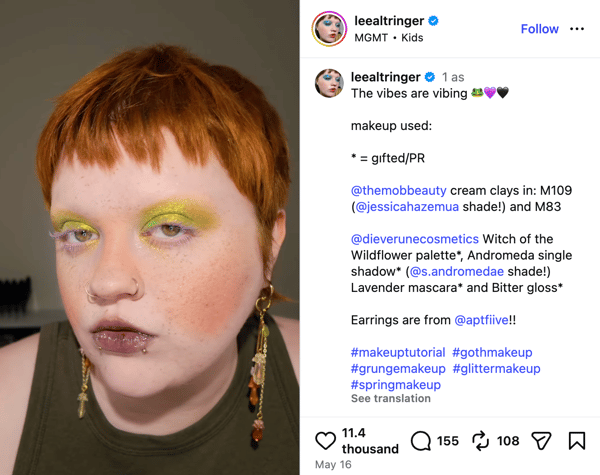
You should also look at how their audience is engaging with the content. More specifically, look for product-related conversions in the comments. Are people asking questions about the product? Do they show any type of interest in it? Better yet, is the creator answering those questions with useful information that could further guide buyers?
When beauty influencers are helpful and interacting with their audiences (even outside of brand sponsored posts), there’s a stronger chance they’ll influence people’s buying decisions.
They notice people showing an interest in the products they use and nurture that interest to ultimately drive conversions.
Once you have your initial roster in place, it’s time to run a test campaign to figure out which influencers actually move inventory. While the original vetting process should be able to give you a strong list of creators who are good at driving interest and product-related conversations, you should also track whether their audience really ends up buying.
Use content tracking tools like Influencity to see how every piece of influencer content is performing. This includes everything from regular feed posts to ephemeral content like Stories. You’ll be able to track the engagement rates and costs associated with each post.
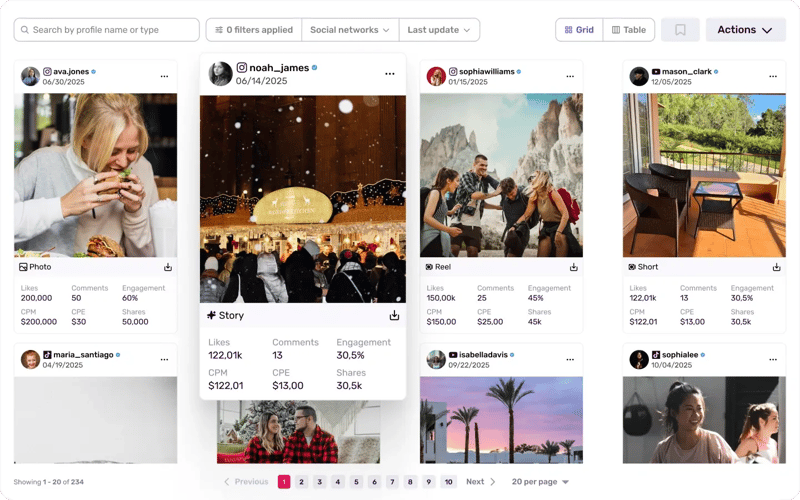
Additionally, provide influencers with unique links or discount codes so you can better track the sales generated through their content. Influencity lets you easily generate personalized promo codes and track their usage in a single dashboard. So you can seamlessly track the number of times each code was used and the amount of sales each influencer generated.
Since all the data is in one place, it’s much easier to identify your top-performing influencers, i.e., the influencers who are best at moving inventory.
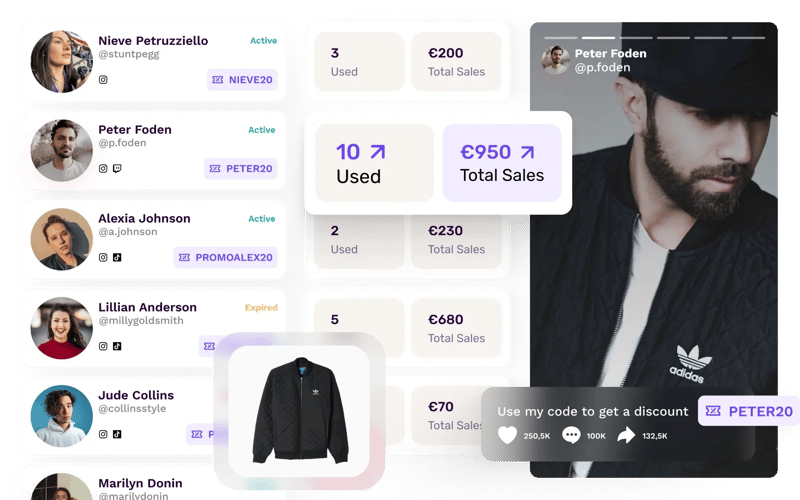
Brands like Docolor assign unique promo codes to influencers to make it easier to track sales coming from each creator.
Now that you’ve identified which influencers are driving sales for your brand, what do you do next?
You already know they’re a great brand fit. You already know they’re driving revenue through the sales they help generate. The only logical thing to do is retain them for future campaigns.
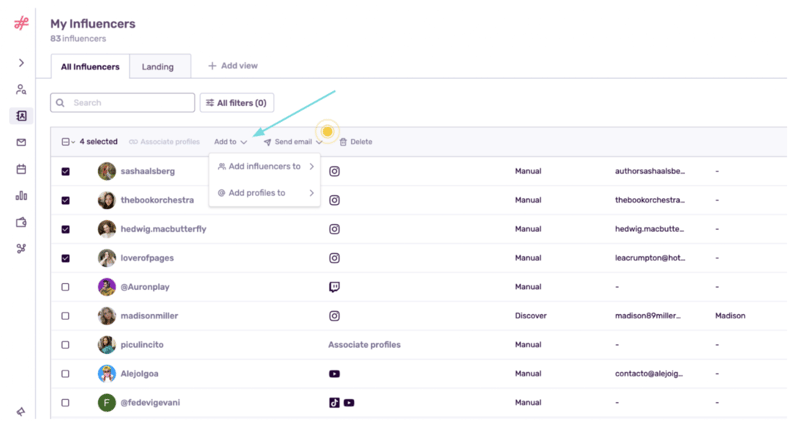
Add them to your influencer roster, so you have a talent pool of high-converting creators who are pre-vetted and ready to activate whenever you’re planning a new campaign. Platforms like Influencity will let you add influencers to a list, so it’s easier to keep track of your best performers.
Instead of having to maintain a separate spreadsheet, where you need to copy-paste all their info, you can simply add them to your list in just a few clicks. The platform will automatically save all the necessary metrics and contact information, along with relevant notes, into the dashboard.
While you retain top performers for a long-term influencer relationship, you should also consider phasing out the low-impact creators. Which influencers are delivering low engagement and hardly driving sales?
I’m not talking about completely phasing out the influencers who see high engagement, even if their content isn’t resulting in conversions. You could still retain those influencers for other types of campaigns that aren’t focused on sales. They might not be the best at converting audiences, but they could still drive awareness and cultural relevance.
However, if an influencer isn’t generating enough engagement and relevant conversations on top of low sales, it might be best to exclude them from future activations.
Speaking of different campaign types, you could run multiple types of activations to nurture audiences throughout the ecommerce sales cycle. This involves aligning influencer output with different stages of the cycle.
For instance, you could drive awareness through influencer seeding campaigns that activate hundreds of influencers. The goal here is to get your brand in front of as many people as possible, so audiences become familiar with your brand and products even if they’re not ready to buy immediately. Creators with massive follower counts can also help you achieve a similar impact.
After this, you could activate influencers who are great at engaging their audiences through GRWM videos, honest product reviews, explainers, and informative demos. The goal is to guide people through the consideration stage with helpful product information.
Finally, you can now use your high-converting influencer roster to generate sales through product links and promo codes. This can sometimes be combined with social proof and educational content from the consideration stage because beauty products tend to have a shorter sales cycle.

Like many brands, your target audience isn’t homogeneous. Even among people who love makeup, you have folks who are more interested in eye makeup vs. lips. And you have people who are looking for specific qualities based on their values and needs. For instance, people with sensitive skin may look for noncomedogenic makeup, while conscious shoppers may prioritize cruelty-free makeup.
That’s exactly why you need to organize your influencer rosters into different categories to help you effectively target different consumer segments. This makes it easier to tap into the most relevant talent pool for each campaign.
For example, you could structure rosters by:
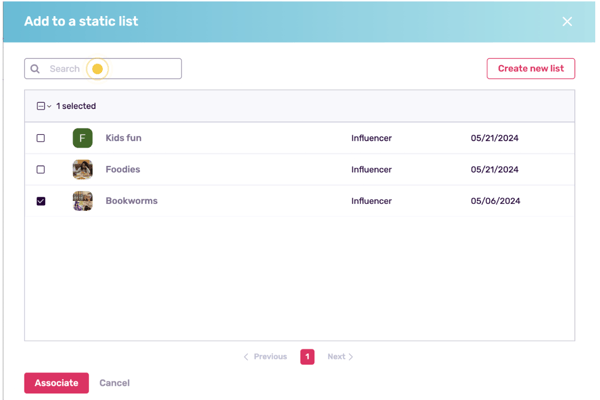
Influencity will let you create multiple influencer lists to help you better segment your talent pool. You can create a separate list for each roster and quickly activate the most relevant influencers for your campaign.
When it comes to beauty campaigns, not every influencer will help you convert audiences. You need to carefully build rosters containing the most impactful influencers, so you have a talent pool that’s ready for activation. Make the most of the tips and best practices shared above to build high-converting influencer rosters.
An influencer roster is a curated list or database of social media creators and brand ambassadors that a brand or marketing agency actively partners with. It serves as an organized directory of relevant influencers that the brand or agency can easily activate for campaigns.
Beauty brands can use influencer rosters to easily access a talent pool of pre-vetted creators who can reach a relevant audience and deliver value.
Influencity is an excellent platform for managing your influencer roster. It lets you create lists where you can organize your rosters and manage all influencer-specific info like performance metrics, campaign history, and contact information in one place.
Informative and educational content, like product demos and explainers, is great for boosting product understanding. Social proof content, like reviews and before-and-after transformations, can further boost credibility to drive conversions.







%20and%20How%20Can%20They%20Benefit%20Your%20Brand%20article.jpg?length=628&name=What%20Are%20Key%20Opinion%20Leaders%20(KOL)%20and%20How%20Can%20They%20Benefit%20Your%20Brand%20article.jpg)


.png?length=628&name=Pop-up%20image%201200%C3%97800@1x%20(1).png)