


If you run a direct-to-consumer (DTC) or e-commerce brand, you’ve likely been told that GRIN is the holy grail of influencer marketing. After all, they’ve built a strong reputation around Shopify integrations, automated product gifting, and campaign tracking.
But let’s be honest, lately, the grin has started to feel more like a grimace. Between high month-to-month subscription fees, documented issues with scraped junk data and duplicate profiles, restricted built-in search capabilities, and a lack of social media management tools and social listening, brands are looking for a way out.
Whether you're tired of acting as a shipping clerk or simply need a platform with superior data depth and unrestricted search, we’ve rounded up the 7 best alternatives to GRIN.
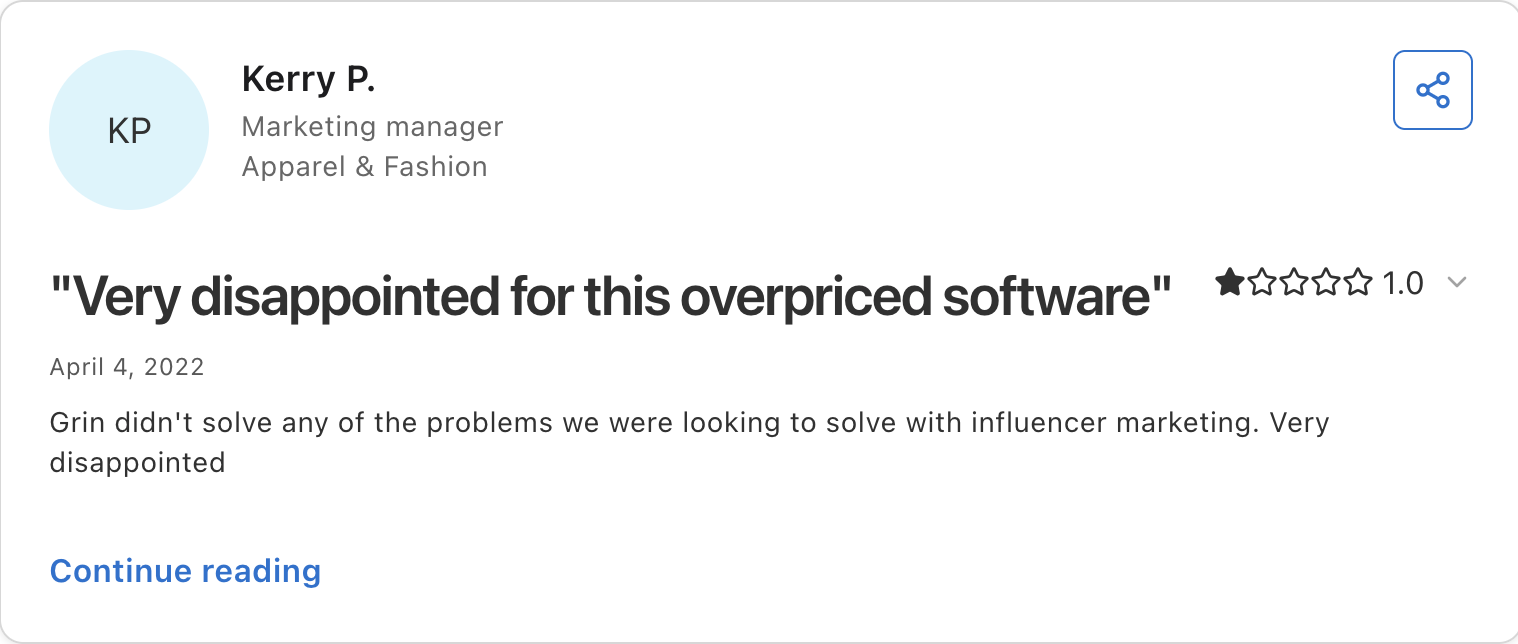
On paper, GRIN looks like an absolute powerhouse for direct-to-consumer (DTC) brands. But as many marketing teams discover post-purchase, there is a massive gulf between a shiny sales demo and the actual daily reality of running the software.
Read the full review.
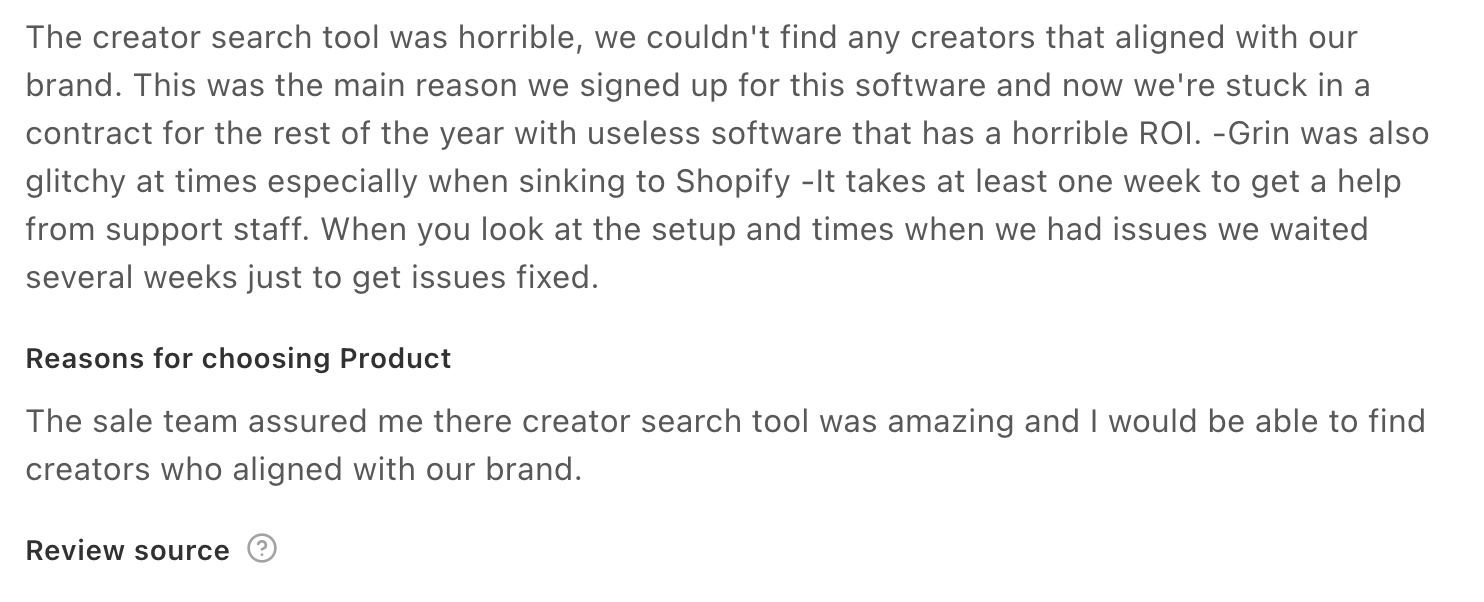
If you look at recent user feedback across G2 and Capterra, a few recurring themes explain why brands are actively searching for GRIN alternatives:
GRIN’s influencer database real size is not available anymore and the only open information they share are the 700K authenticated profiles within their marketplace. Users frequently complain about a database littered with inactive accounts, duplicate records, and junk data. To make matters worse, recent platform updates have heavily restricted their built-in search tool. Brands that expected an open search engine are instead left with a tool that forces them to find creators externally and manually upload their own lists.
Read the full review.
On quite a different cue, Influencity opens up a massive global database of over 350 million public profiles with zero creator opt-in or authentication required. Its proprietary Profile Linking algorithm merges a creator's Instagram, TikTok, YouTube and Twitch handles into a single, unified dashboard. You can search with 20+ precise filters and view a creator's entire multi-platform footprint without duplicate clutter or manual matching.
/irm-all-in-on-place-image-composition%20OPT.webp?width=914&height=571&name=irm-all-in-on-place-image-composition%20OPT.webp)
Payments are an essential part of scaling influencer marketing, especially when campaigns involve creators across different markets.
GRIN has recently updated their paypal-only payment method but their system is not connect with the wider campaign workflow, from creator selection and negotiation through execution and reporting.
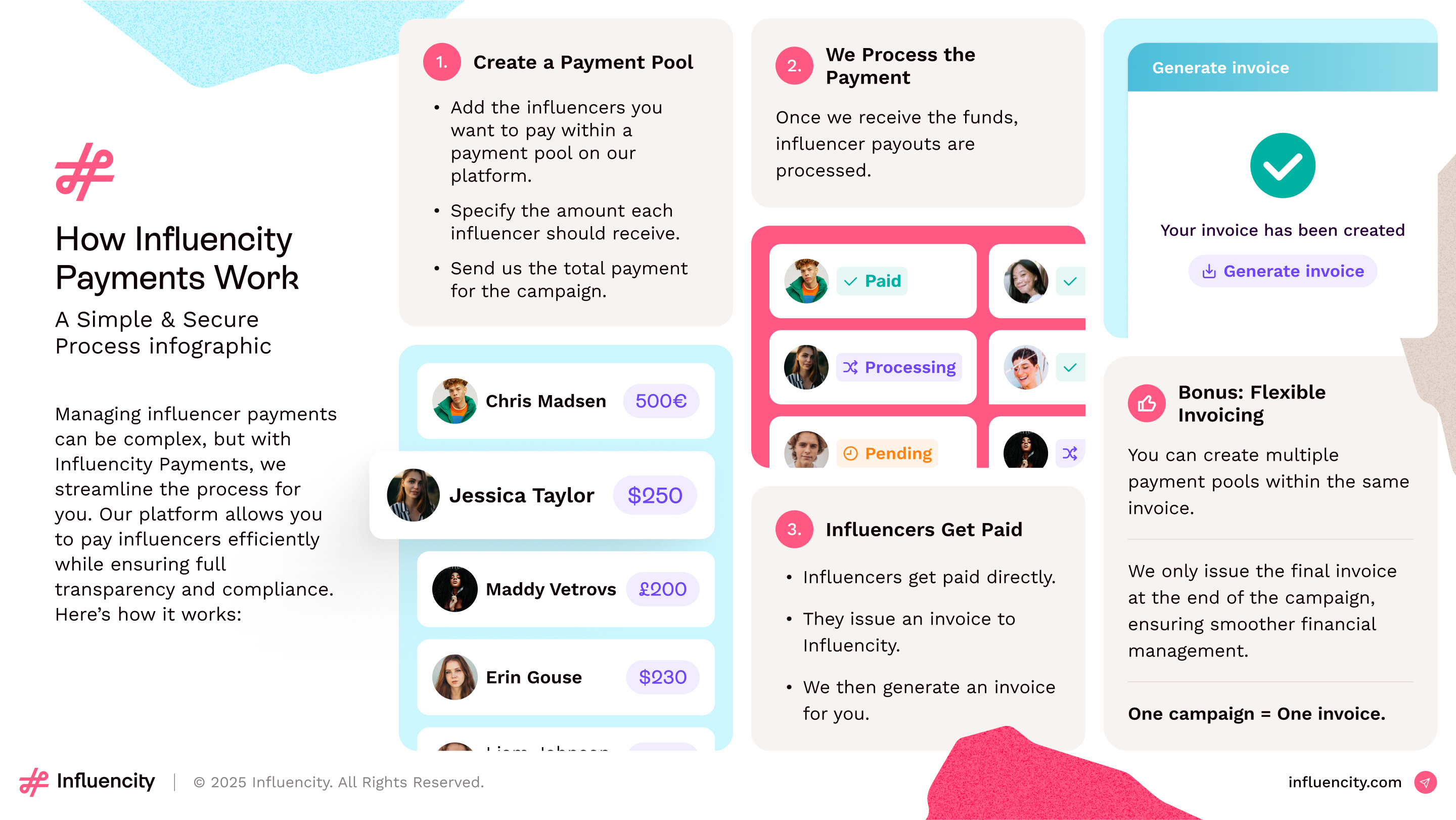
However, Influencity is built for global execution. The platform natively supports batch creator payments across 143 currencies and 186 countries. You keep your accounting clean, and your creators receive exactly what they earned without losing a chunk of their fee to PayPal's international conversion rates.
GRIN is incredibly Shopify-centric. If your brand is built on custom architecture, handles a sprawling inventory with thousands of rapidly shifting SKUs, or doesn't use standard Shopify servers, the system breaks down. Because it lacks native CRM integrations with tools, adding and syncing product catalogs becomes a manual, highly time-consuming chore.
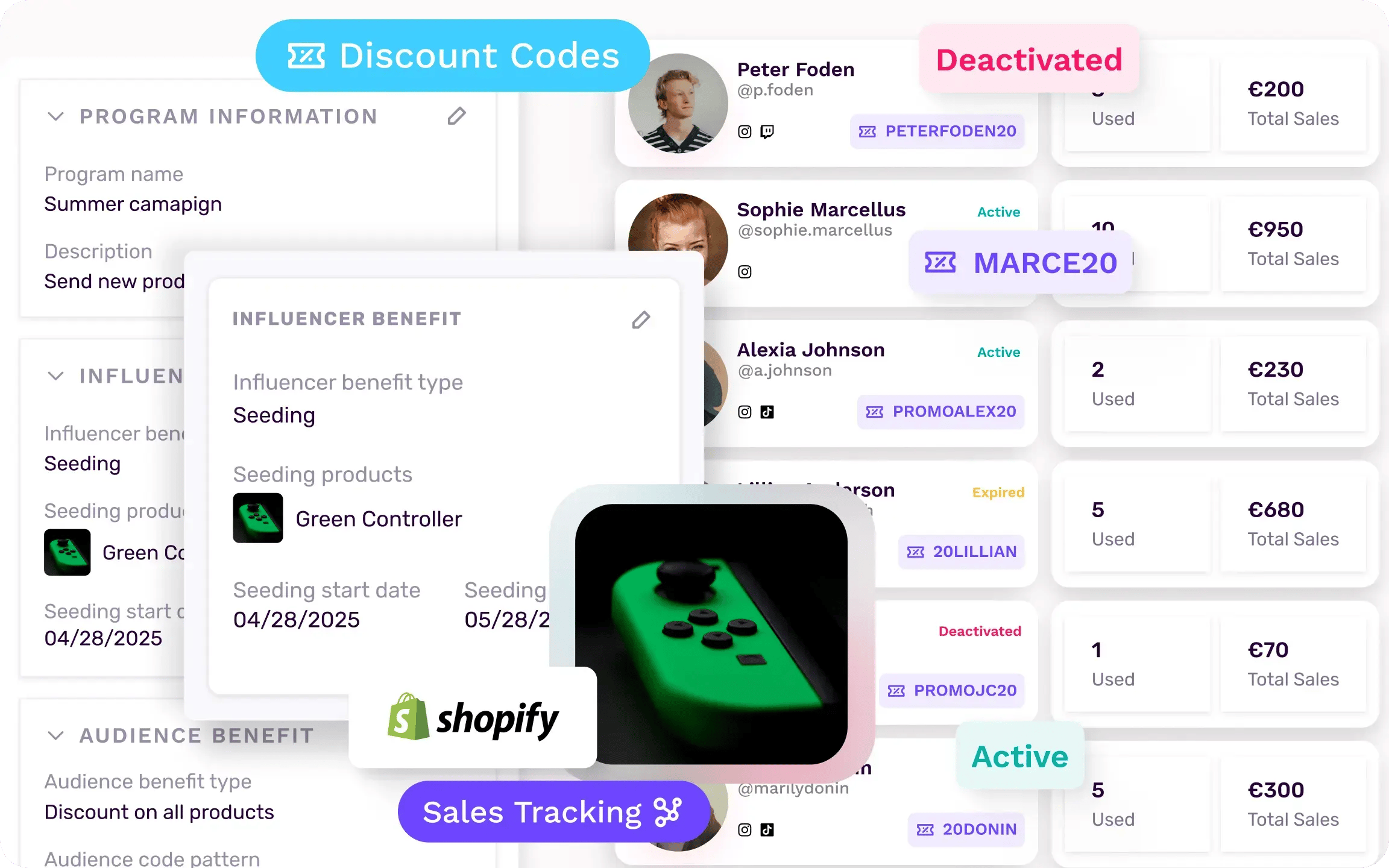
Influencity supports Shopify and product seeding as well, but its influencer marketing workflow extends further into public creator discovery, audience intelligence, roster planning, client approvals, campaign forecasting and cross-platform measurement.
For teams whose influencer strategy goes beyond ecommerce conversion alone, those additional planning and management capabilities can become more important as campaigns scale.
GRIN is a massive software suite, but it is notoriously unintuitive. Lean marketing teams often find themselves drowned in system administration. Users report a grueling onboarding process, lagging interface speeds under heavy data loads, and a workflow so complex that you essentially need a full-time, dedicated system manager just to keep the wheels turning. If you only manage a moderate creator roster, you are essentially paying an "enterprise tax" for features that slow you down.
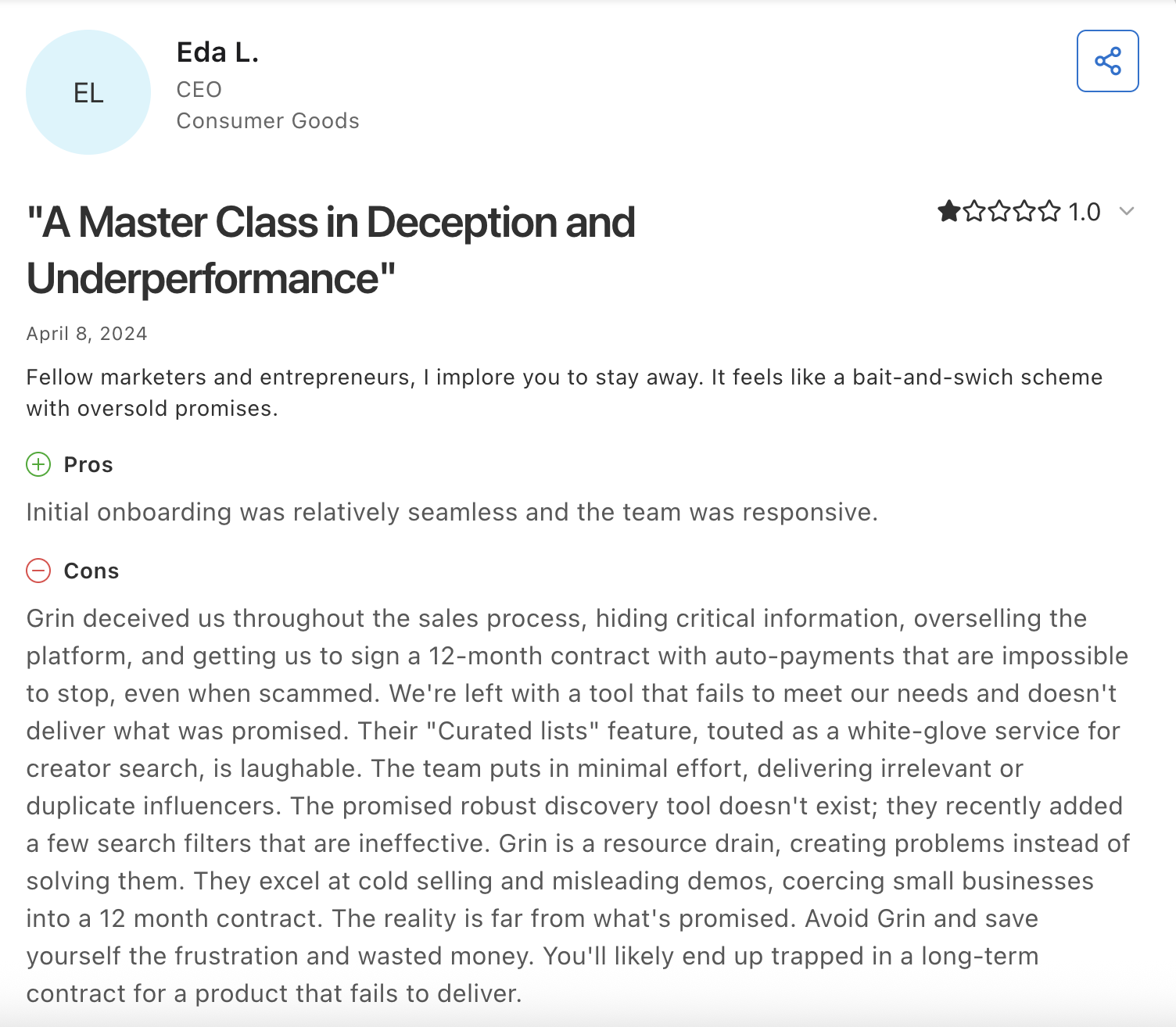
Read full review.
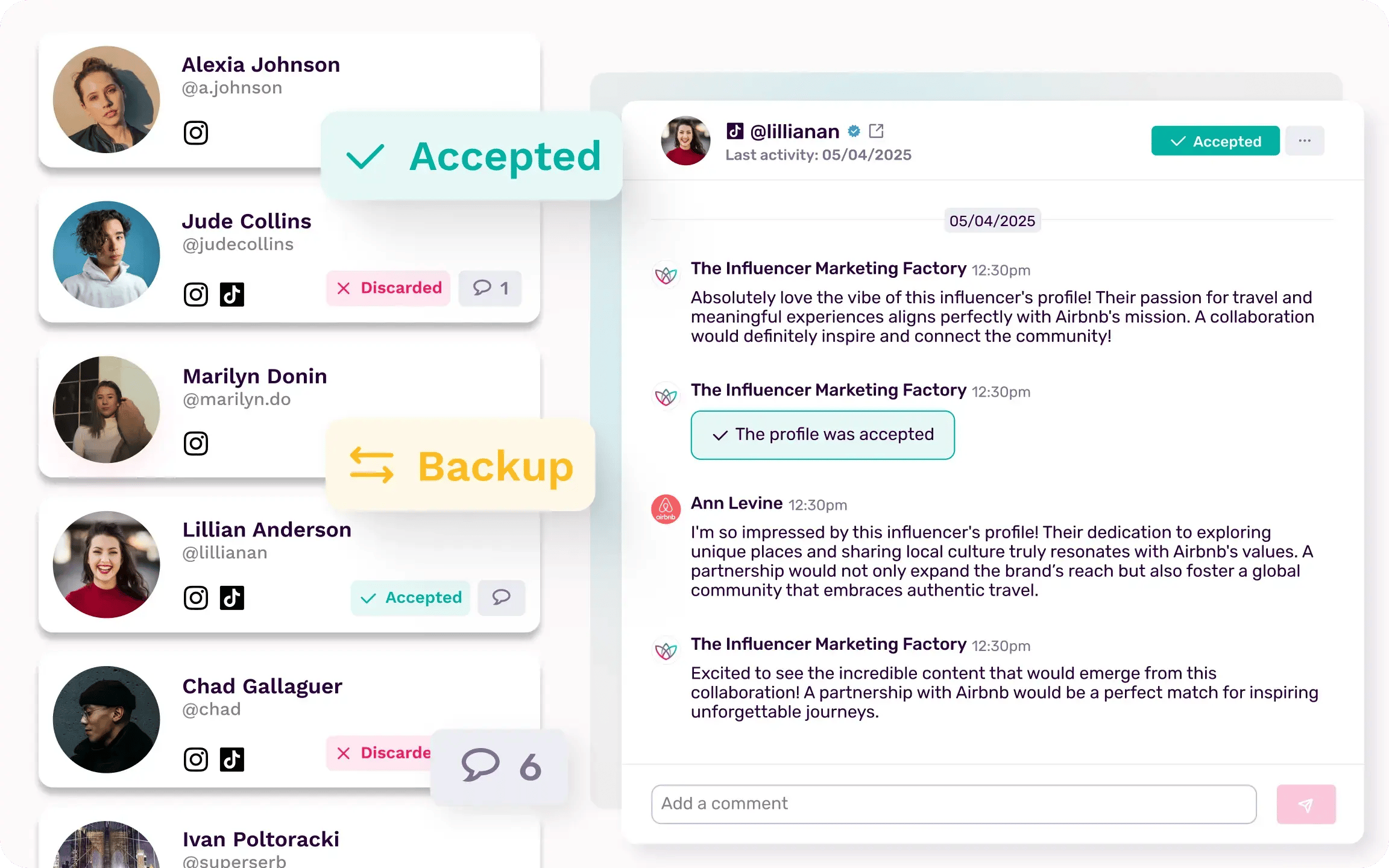
Influencity features a clean, highly intuitive, and marketing-friendly interface. Campaigns are managed via s super friendly and visually appealing dashboards, that coordinate several stages such as email outreach, status tracking, and deliverables in one centralized, drag-and-drop workspace. Your team can be onboarded and launching campaigns in minutes, not weeks.
GRIN's monthly costs climb rapidly from $200 to $1,500/month. Yet, GRIN does not function as a content production suite, it offers no scripted ad briefs, raw footage delivery workflows, or performance guarantees. You are paying premium SaaS fees strictly to act as an email manager and shipping tracker.
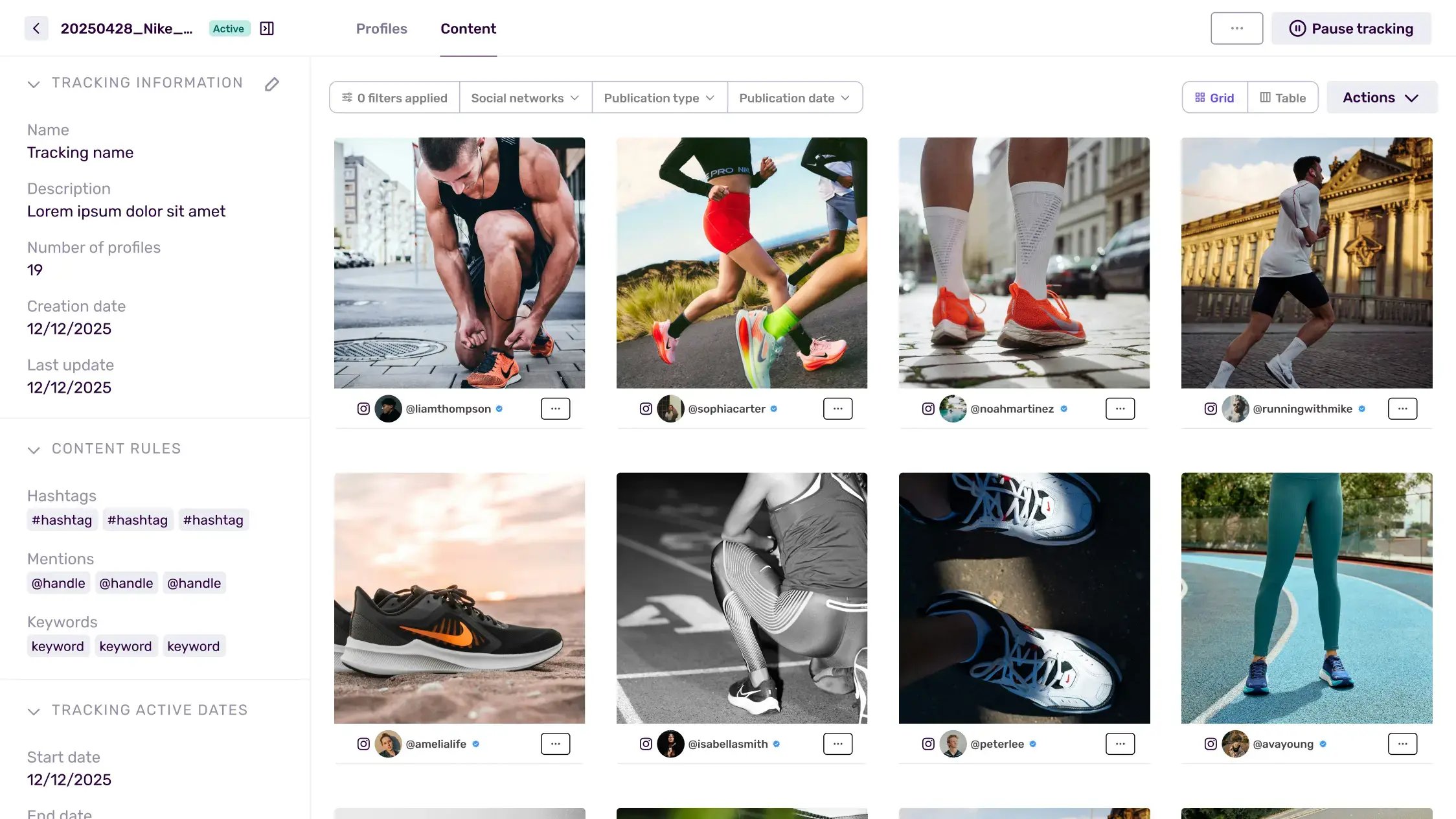
Influencity provides highly flexible, usage-based pricing starting at a more accessible entry point. To maximize your content budget, Influencity includes automated content tracking and validation. The platform automatically captures and logs every public post, Reel, TikTok, and even temporary 24-hour Stories in real-time. Your team gets an effortless review and approval workflow to validate content before it goes live, ensuring every dollar spent translates into perfectly aligned, compliant brand assets.
Both Influencity and GRIN are established influencer marketing platforms, but they are built around fundamentally different priorities.
GRIN has traditionally positioned itself as a creator management platform with a strong emphasis on influencer relationship management, product seeding, and e-commerce workflows. It excels for brands that run large gifting programs.
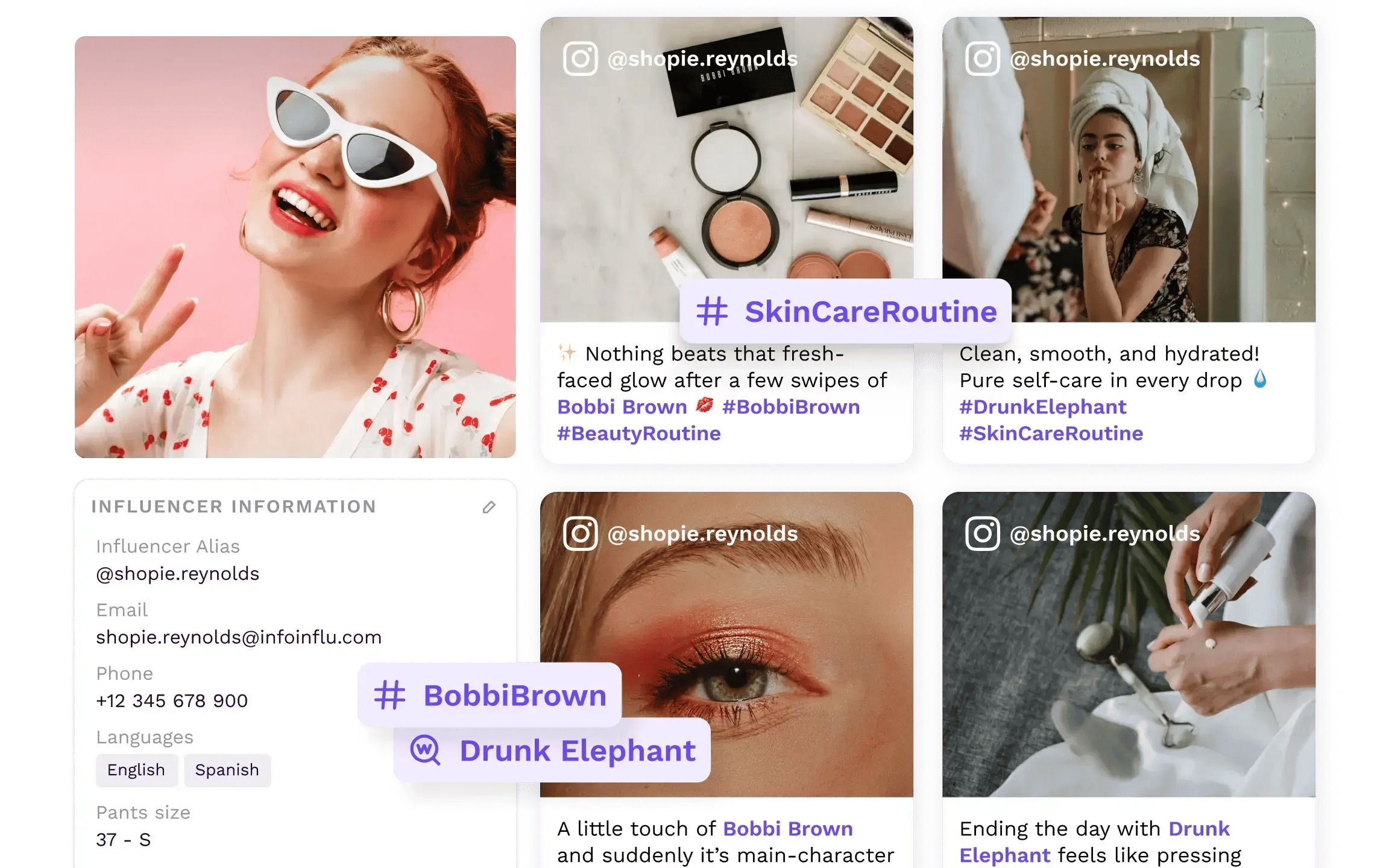
Influencity, by contrast, is built around intelligence, discovery, audience analysis, and campaign performance. Rather than focusing primarily on shipping products to creators, it helps brands identify the right creators, validate audience quality, measure impact, and optimise campaigns using deep data.
For brands and agencies focused on maximising ROI, Influencity offers a broader analytical toolkit, greater flexibility, and significantly more creator intelligence.
Influencity provides access to more than over 350 million indexed creator profiles across Instagram, TikTok, YouTube, and Twitch, making it one of the largest influencer databases available.
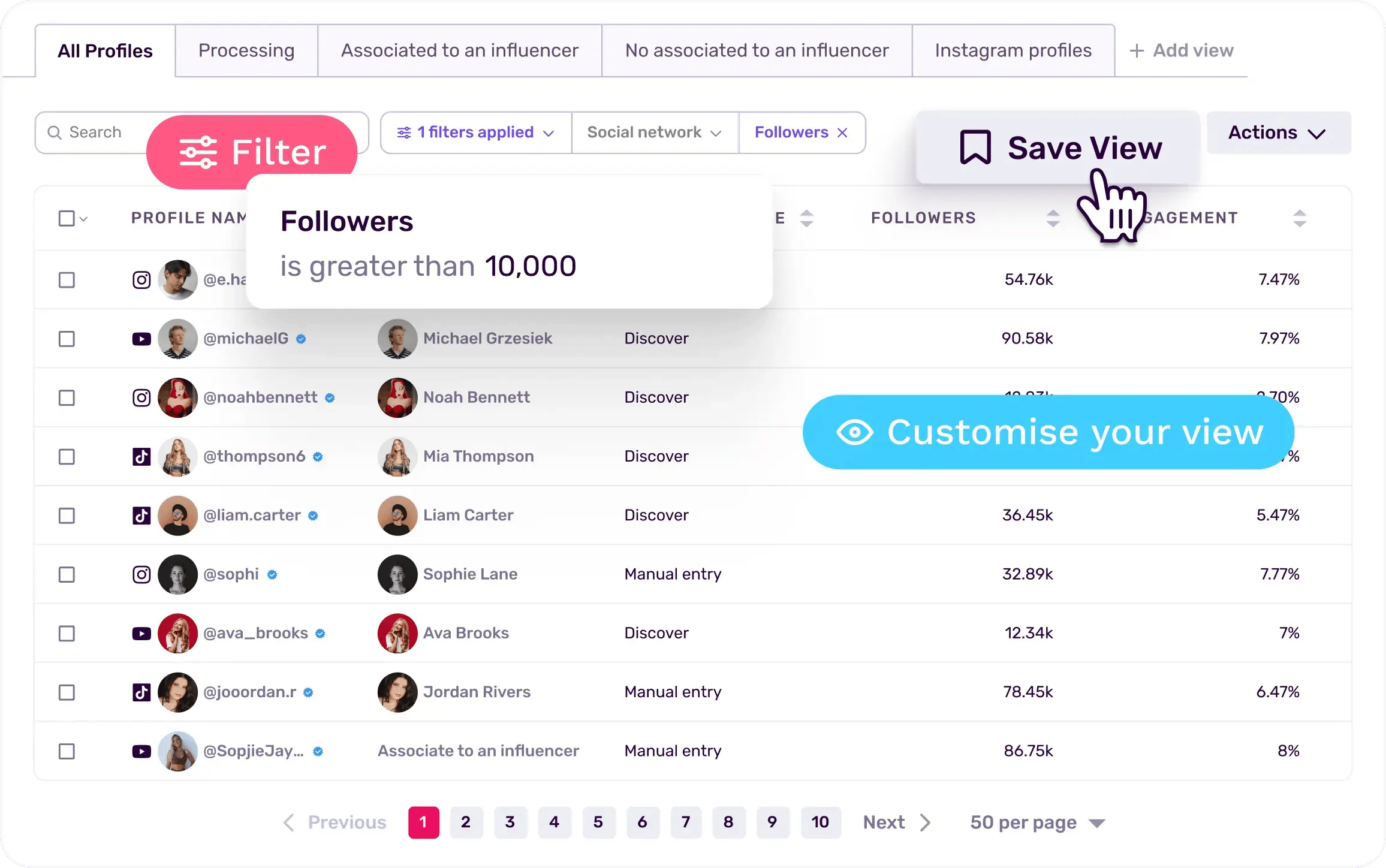
Combined with more than 20 advanced filtering criteria, brands can identify highly specific creator segments based on demographics, engagement quality, audience composition, interests, growth patterns, geography, and more.
This scale is particularly valuable for agencies and international brands running campaigns across multiple markets simultaneously.
One of Influencity's most distinctive advantages is its Creator Profile Linking technology. Many platforms, including GRIN, typically treat a creator's Instagram, TikTok, and YouTube accounts as separate records. This often creates duplicate entries, fragmented reporting, and additional manual work.
/irm-all-in-on-place-image-composition%20OPT.webp?width=2304&height=1440&name=irm-all-in-on-place-image-composition%20OPT.webp)
Influencity automatically detects and connects a creator's social accounts into a single unified profile, providing:
For teams managing hundreds or thousands of creator relationships, this feature significantly improves operational efficiency.
A major limitation of many influencer platforms is their reliance on creator opt-ins. Influencity removes much of that friction by providing access to over 30 audience and performance metrics using publicly available data, including:
/instagram-influencers-slider-tabs-ig-reachability-image-composition.webp?width=832&height=520&name=instagram-influencers-slider-tabs-ig-reachability-image-composition.webp)
This allows teams to evaluate creators before outreach, accelerating the discovery process and expanding the pool of potential collaborators.
Influencity places a strong emphasis on audience authenticity. Its AI-powered fraud detection capabilities help brands identify:
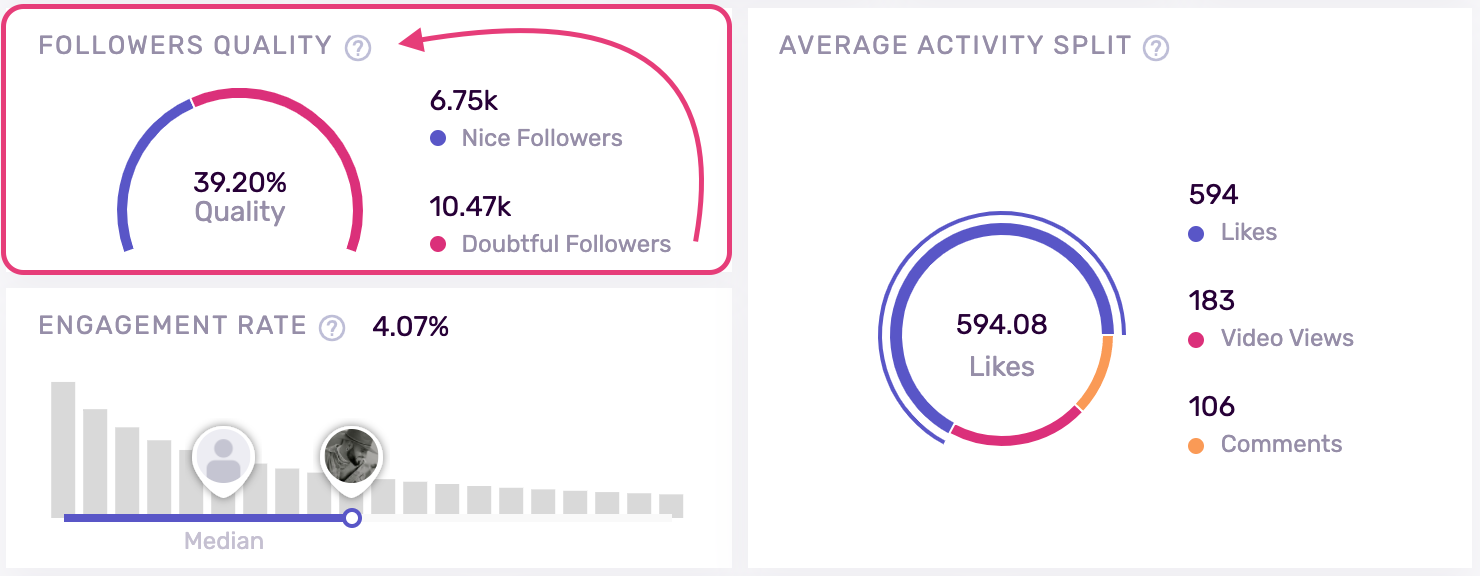
For brands investing significant media budgets into influencer partnerships, these safeguards help reduce wasted spend and improve campaign efficiency.
One area where Influencity frequently stands out is terms flexibility. Unlike many enterprise-oriented influencer platforms that require lengthy contracts, Influencity offers custom billing options, allowing brands and agencies to scale usage according to campaign needs.
For growing teams or agencies managing fluctuating client workloads, this flexibility can represent a significant advantage.
GRIN remains a strong option for brands that prioritize:
Its workflow is particularly appealing to DTC brands with large creator communities and frequent product shipments.
If your influencer strategy is built around generating high-quality User-Generated Content (UGC) and immediately scaling it through paid ads, Aspire is an incredibly strong competitor to GRIN.
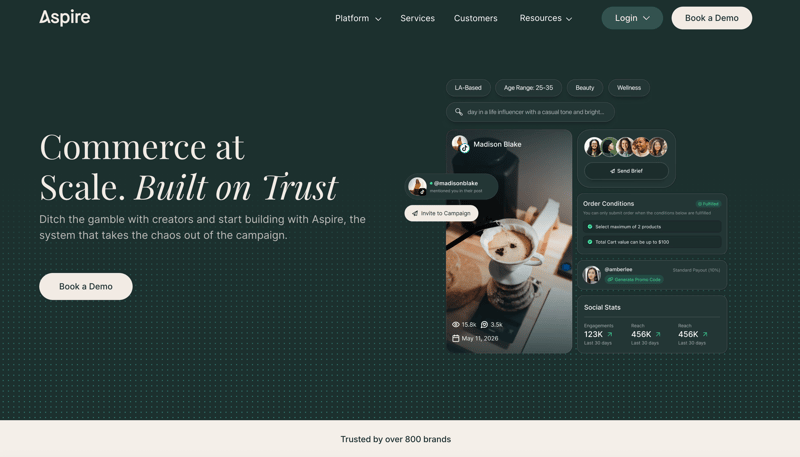
| Pros | Cons |
|
Industry-leading 90% workflow automation rate. |
Requires completely manual fulfillment tracking for product gifting. |
|
Massive content library designed for scaling paid social. |
High price point starting around $2,000/mo on annual contracts. |
Best For: Mid-market e-commerce brands looking to build ambassador communities and leverage creator whitelisting.
For Fortune 500 companies and massive global marketing teams, GRIN’s infrastructure often lacks the strict compliance and security measures needed at scale.
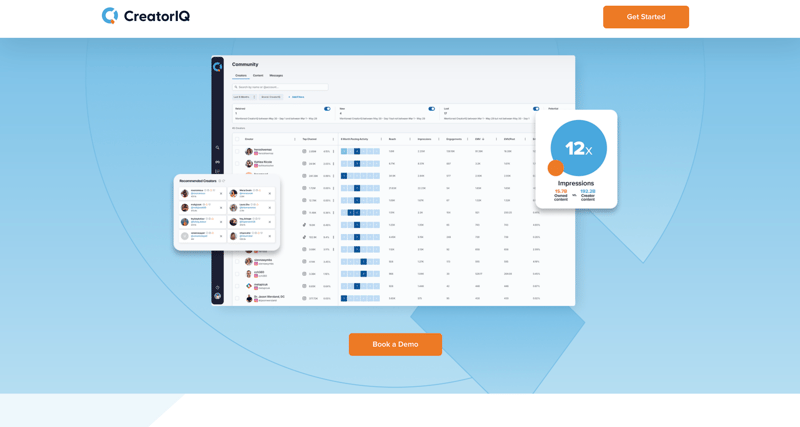
| Pros | Cons |
|
Deep, global multi-market campaign infrastructure. |
Incredibly high cost starting at $35,000/year. |
|
Enterprise-level global payment processing and currency options. |
Steep learning curve with a highly complex interface. |
Best For: Corporate marketing departments running highly complex campaigns across multiple countries and currencies.
Upfluence targets DTC teams that want to turn their existing customer database into their primary creator database.
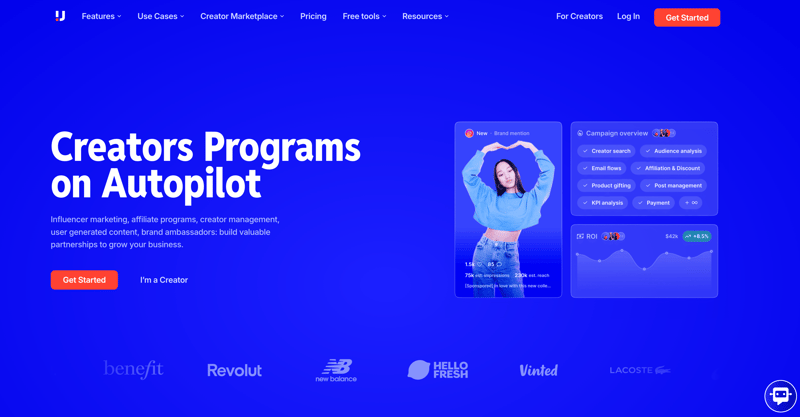
| Pros | Cons |
|
Native integrations for WooCommerce, Shopify, and Amazon. |
Workflow execution feels heavier and more manual than GRIN. |
|
Multi-currency payout support (PayPal + Stripe). |
Opaque, custom quote-only pricing with 12-month commitments. |
One of the most persistent complaints about tools like GRIN is that costs escalate rapidly as you pull more search results.
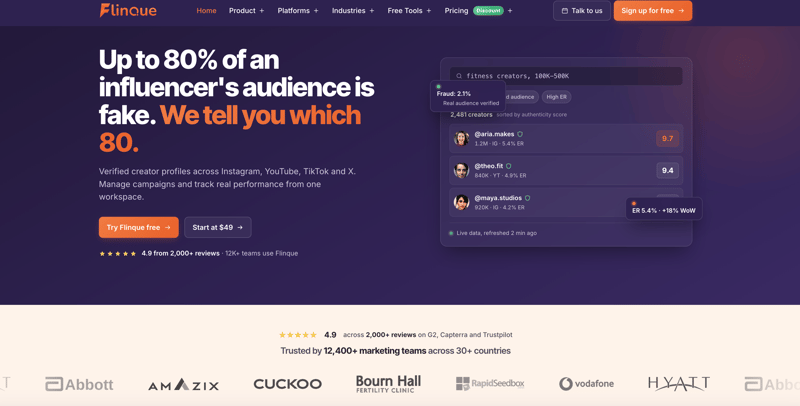
| Pros | Cons |
|
Extremely affordable with flat, predictable pricing tiers. |
Database size is limited to 10M+ verified profiles. |
|
Built-in fake-follower analysis included at search. |
Lacks deep e-commerce sync or automated gifting workflows. |
If you aren’t ready to commit to a monthly SaaS subscription just to explore creator campaigns, Ainfluencer acts as a gateway platform.
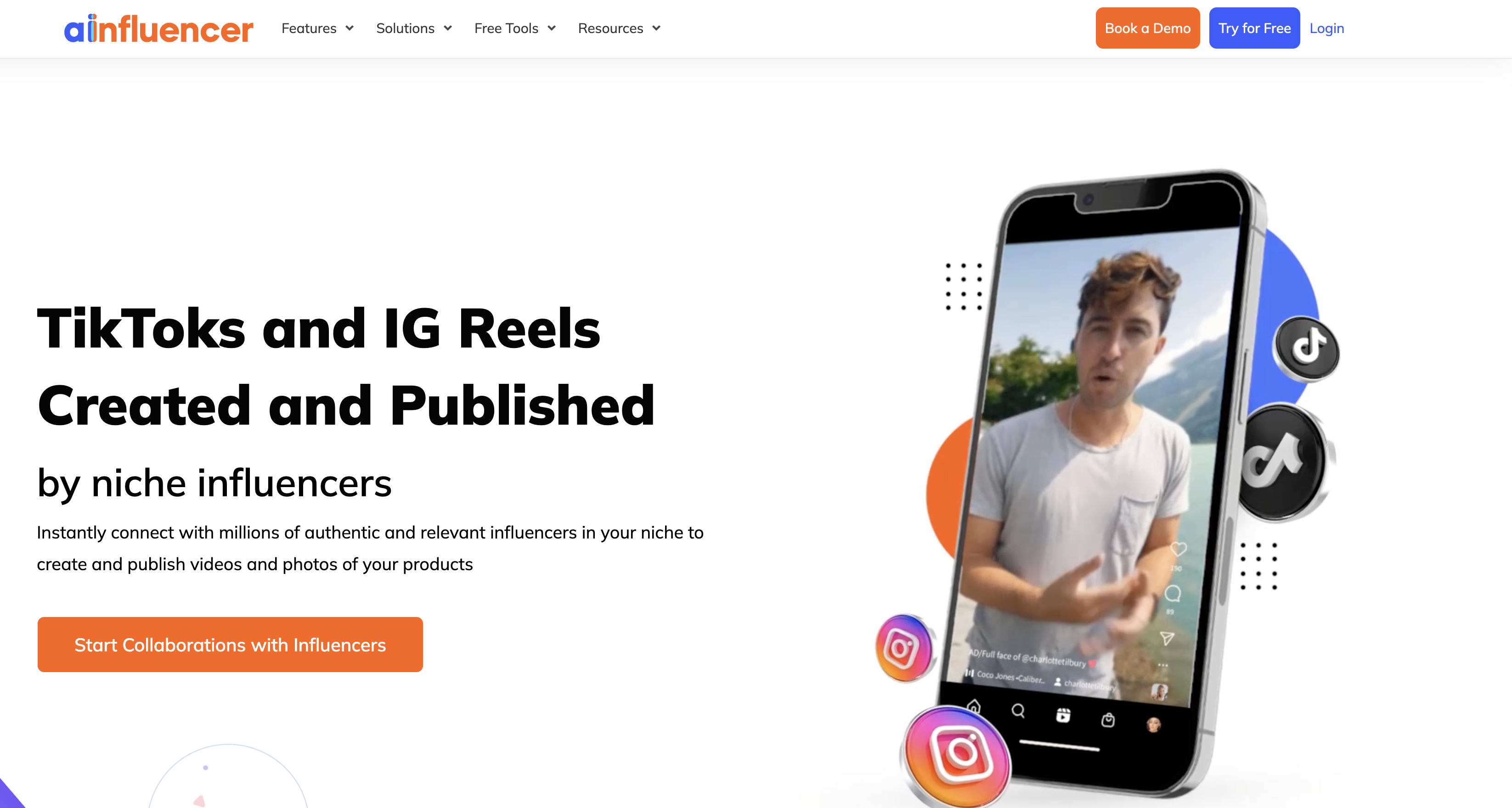
| Pros | Cons |
|
No monthly subscription limits. |
Restricted to Instagram and TikTok campaigns. |
|
Escrow payments ensure creators deliver before getting paid. |
No advanced CRM, automated email sequencing, or deep Shopify sync. |
Best For: Bootstrapped startups and brands testing influencer collaborations for the first time.
If your strategy hinges on sending products to nano- and micro-influencers to generate massive waves of social proof, GRIN’s logistics can feel overly complex. Skeepers is purpose-built for this exact workflow.
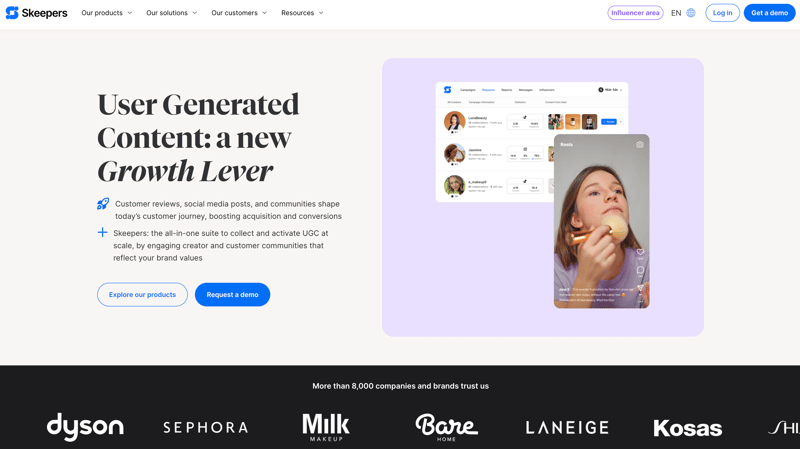
| Pros | Cons |
|
Automated order fulfillment with guaranteed post-publication. |
Not built for working with celebrity or macro-tier creators. |
|
Turnkey UGC collection and licensing rights. |
Lacks the deep, long-term CRM communication threads of GRIN. |
Best For: Consumer packaged goods (CPG), beauty, and retail brands scaling mass gifting programs.
| Feature | Influencity | GRIN | Aspire | Upfluence |
| Database Size |
350M+ profiles |
700K marketplace creators |
1M+ marketplace |
14M+ verified profiles |
| Profile Linking |
Yes (Automated cross-platform) |
No (Manual duplicates) |
No |
No |
| Contract Policy |
Flexible |
Relative |
Strictly Annual |
Strictly Annual |
| Payment Options |
Global Multi-Currency |
Global Multi-Currency |
PayPal & Stripe |
PayPal & Stripe |
| Core Workflow Focus |
360º Campaign Management (Pre and Post too) |
Gifting Logistics & Shipping Orders |
Branded Content Ads & Creator UGC |
Social CRM & Customer Activation |
At the end of the day, choosing the right platform depends entirely on your primary marketing bottleneck. If your marketing department requires highly complex warehousing syncs to ship thousands of physical boxes a week and has the patience for scraped search results, GRIN’s logistics engine can serve that need.
But if you are a modern, agile DTC brand or marketing agency that wants accurate database results, clean dashboard organization (without duplicate contact profiles), built-in fake-follower verification, and global payment flexibility, Influencity is the clear winner. It gives you the depth of an enterprise platform without forcing your team to navigate a clunky user interface or sign away your budget to an inflexible, multi-thousand-dollar contract.
The best alternative depends on your marketing objectives. GRIN is well known for its ecommerce integrations and creator relationship management, particularly for DTC brands. If you're looking for a more comprehensive platform that combines AI-powered creator discovery, Influencer Relationship Management (IRM), campaign management, Social Listening, advanced audience analytics, and Influencity is one of the best alternatives to GRIN.
Both platforms help brands manage influencer marketing campaigns, but they have different strengths. GRIN focuses heavily on ecommerce workflows. Influencity expands these capabilities by adding AI-powered creator discovery, audience quality analysis, fraud detection, Social Listening, campaign execution, reporting, and access to more than 350 million public creator profiles, allowing brands to manage the entire influencer marketing lifecycle from one platform.
GRIN is particularly popular among direct-to-consumer (DTC) e-commerce brands because of its integrations with platforms like Shopify. However, agencies, B2B companies, travel brands, financial services, SaaS businesses, and multinational organisations often require broader capabilities such as AI-powered creator discovery, Social Listening, advanced audience analysis, and global campaign management. Influencity is designed to support both e-commerce and non-ecommerce influencer marketing strategies.
The quality of your campaigns depends on the quality of your creator discovery. Influencity provides access to more than 350 million public creator profiles across Instagram, TikTok, and YouTube. Its AI-powered search engine combines semantic search, audience demographics, lookalike discovery, brand affinity analysis, and more than 60 advanced filters to help brands identify highly relevant creators worldwide.
Agencies typically need more than creator relationship management. They require customisable reporting, collaboration tools, campaign management, approval workflows, and client-friendly dashboards. Influencity allows agencies to manage multiple brands, campaigns, and creator relationships from one centralised platform while automating many repetitive tasks.
Yes. Influencity combines creator discovery, Influencer Relationship Management (IRM), campaign management, Social Listening, content tracking, ecommerce integrations, reporting, analytics, social media management, and a unified inbox in one platform. This reduces software costs, simplifies workflows, and provides a single source of truth for influencer marketing teams.
Artificial intelligence has become one of the biggest competitive advantages in influencer marketing. AI helps brands discover creators faster, identify lookalike influencers, analyse audience quality, estimate campaign performance, detect fake followers, and automate repetitive workflows. Influencity integrates AI throughout the platform, helping marketers make faster and more informed decisions.
Many brands begin with GRIN because of its e-commerce functionality but later need more advanced discovery, broader creator databases, Social Listening, audience intelligence, and support for international campaigns. Influencity combines all these capabilities in one scalable platform, enabling marketing teams to manage discovery, relationships, campaigns, and performance measurement without relying on multiple disconnected tools.








%20and%20How%20Can%20They%20Benefit%20Your%20Brand%20article.jpg?length=628&name=What%20Are%20Key%20Opinion%20Leaders%20(KOL)%20and%20How%20Can%20They%20Benefit%20Your%20Brand%20article.jpg)






.png?length=628&name=Pop-up%20image%201200%C3%97800@1x%20(1).png)