

One unboxing video can outsell a TV spot. But views don’t equal sales. Too many campaigns publish posts and track only views and engagement, without including links, UTM tracking, or a clear path to the cart. The fix starts with clear influencer marketing objectives and simple measurement.
The campaigns that sell choose one clear goal for each stage: get discovered, earn interest, make buying easy. They use kid-friendly formats that get kids asking, and they give parents a simple path to buy.
They also measure. Every post uses a trackable link. Clicks land on a fast mobile page with reviews and age guidance. Results show up as traffic, carts, and orders.
This guide walks you through a simple framework by funnel stage, a ready-to-use KPI matrix, and a short measurement checklist that connects creator content to sales.
Toy buying is a two-step dance. Kids see it and ask for it. Parents decide if and when to buy. That split makes clear objectives even more important. Your content has to spark interest with kids and give parents a simple, safe path to purchase.
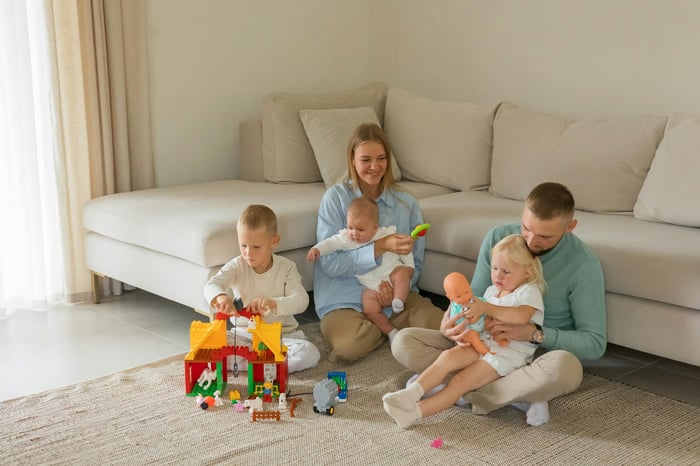
Social platforms are where discovery happens. Short videos, unboxings, and quick reviews shape what kids want and what parents hear about at home. That demand is real, but it only turns into revenue when you plan for it. Brands that stop at views and likes struggle to show impact. Brands that set goals by stage can prove progress and earn more budget.
Here is what to aim for:
Parents also act as gatekeepers. Many negotiate a purchase, add it to a wish list, or wait for a deal. Plan for that behavior. Give creators clear CTAs, time-bound offers, and product pages that load fast on mobile. Make reviews and age guidance visible. Small frictions cost sales.
Set one objective per stage, pick one primary KPI, and agree on what “good” looks like before the first post. That simple discipline turns creator activity into a story your finance people can trust and a playbook you can scale.
Next, we show you how to map the Kids’ Campaign Objective Framework so you can plug in goals, KPIs, and tactics by funnel stage.
Use one clear goal for each stage and one primary KPI. Keep it simple, track it weekly, and let the data guide the next move.
Goal: be discovered by the right households and hold attention.
What to publish: YouTube unboxings and Shorts, TikTok teasers, quick reels that show the toy in use.
What to track: unique reach, video completion or VTR, saves, and shares as quality signals.
Starter target: [reach], [VTR %], [timeframe]
Setup tips: strong first three seconds, clear visual branding, captions on, end card with where to learn more.
Goal: earn signals that show interest and help parents evaluate.
What to publish: storytime collabs, side by side play demos, simple challenges that invite remixes.
What to track: engagement rate, saves and shares, comment intent like “where to buy” or “price.”
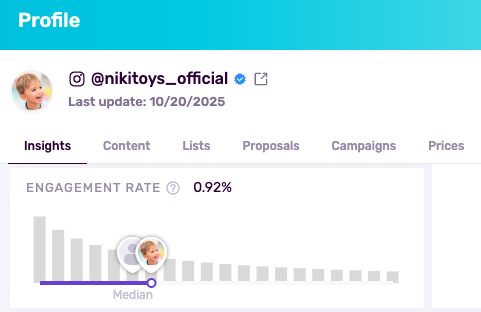
Starter target: [ER %], [# intent comments], [timeframe]
Setup tips: ask one specific question, pin helpful answers, reply quickly, collect common questions for FAQs.
Goal: make buying easy to click, cart, and complete.
What to publish: links in bio and stories, shoppable video where available, creator codes during promos.
What to track: CTR, sessions from UTM links, add to cart, checkout start, orders, code redemptions, ROAS.
Starter target: CTR ≥ [X%], coupon redemptions ≥ [####], ROAS ≥ [X.X×] in [timeframe].
Setup tips: give every creator a unique UTM link and code, send traffic to a fast mobile page, show reviews and age guidance near the add to cart button.
Up next, the KPI matrix you can copy into your brief and a short checklist for measurement so every post has a clean path to proof.
-Oct-20-2025-09-12-36-6465-AM.png?width=700&height=459&name=White%20%26%20Green%20Modern%20Bar%20Chart%20Graph%20(3)-Oct-20-2025-09-12-36-6465-AM.png)
VTR: view-through rate, the percent of a video watched
ER: engagement rate, interactions relative to reach or views
CTR: click-through rate from a link or button
ROAS: return on ad spend (revenue ÷ cost)
PDP: product detail page
To win more budget, prove how each creator post leads to sales. Use a simple, consistent tracking setup.
-Oct-20-2025-09-31-55-0492-AM.png?width=700&height=106&name=White%20%26%20Green%20Modern%20Bar%20Chart%20Graph%20(2)-Oct-20-2025-09-31-55-0492-AM.png)
If you want more budget, show progress every week and make small, visible improvements.
Pick creators and formats that serve the goal you set. Keep it simple and use data to steer each step.

Keep families protected and your brand trusted. Copy this into every creator brief.
Use this one-page template to plan and report a creator campaign. It keeps goals, formats, links, and measurement in one place so your team and creators stay aligned before the first post. Fill in the brackets, share it with partners, and use the results snapshot to show what worked, what did not, and what you will change next time.
Not all influencer content actually leads to business results. The wins come when clear objectives meet clean measurement. Set one goal per stage, publish formats that serve that goal, and track a short list of signals that roll up to sales. You’ll know what to scale, what to fix, and how to ask for more budget with confidence.








%20and%20How%20Can%20They%20Benefit%20Your%20Brand%20article.jpg?length=628&name=What%20Are%20Key%20Opinion%20Leaders%20(KOL)%20and%20How%20Can%20They%20Benefit%20Your%20Brand%20article.jpg)