

A high-budget influencer campaign is only as strong as the credibility of its creators. When fake engagement sneaks in, brands don’t just lose money; they risk reputation, trust, and long-term ROI.
This is costing brands real money. For brand managers overseeing high-budget activations and influencer marketing agencies running large-scale campaigns, the threat of fake engagement is a costly danger. Brands invest millions into influencer marketing, but one bad choice, an influencer with a bought audience, can sink results, waste budgets, and damage a company's standing.
We’re going to look at the real financial and reputational risks of fake engagement in big campaigns. We’ll cover how it impacts your bottom line and what practical, non-negotiable strategies agencies must use to protect their clients. For those managing complex creator relationships, having an Influencer Relationship Management (IRM) system is vital to keeping track of creator quality.

Global brands like Pepsi, L’Oréal, and Adidas pour enormous resources into influencer activations. They rely on these creators to connect authentically with consumers and drive meaningful results. But behind impressive follower counts, a dark economy of influencer fraud exists, ready to tank a campaign's value.
If you’re paying an influencer $50,000 for a post, you expect that investment to reach real, relevant consumers. When you pay for fake likes, bot comments, and ghost followers, you are effectively burning your client's budget. It’s critical to remember that in this industry, the biggest financial risk often comes from things you can control.
Fake engagement creates a chain reaction of negative outcomes for a brand:

The issue of influencer fraud moved from industry chatter to front-page news when major brands publicly addressed the problem. Perhaps the most prominent example involves Unilever.
In 2018, Unilever’s former Chief Marketing Officer, Keith Weed, famously called out the issue, stating the brand would not work with influencers who bought followers. This wasn't just a moral stance. It was a necessary business correction after campaigns underperformed. Unilever, a brand that spends billions on advertising, essentially warned the entire industry that the problem of fake followers was real and it was costing them. For more context on this landmark decision, you can read the reporting by Adweek on how Unilever vowed to crack down on influencers who buy fake followers and use bots.
This public action showed how a company can lose millions and see its long-term strategy destabilized when campaigns rely on vanity metrics instead of genuine audience vetting. It served as a powerful reminder that ROI loss is inevitable when you partner with unverified creators.
An agency's core mandate is to deliver measurable results. When your campaign delivers high engagement numbers but zero conversions because the audience was bot-driven, you've failed that mandate.

The responsibility falls squarely on the agency to be the firewall protecting the brand's investment. Vetting must be non-negotiable. Agencies can no longer rely on manually checking profiles alone. They need data-driven tools and repeatable processes to ensure campaign integrity. This is how you prevent poor vetting from dooming a global campaign.
From my experience, the best defense against fake engagement requires a dual strategy: data intelligence plus human insight.
Don't just look at a high engagement rate. Analyze the follower-to-like ratio and the quality of the comments.

This goes deeper than just the numbers. It’s about checking who the influencer is actually reaching. To do this correctly, you must know how to conduct an influencer audience analysis.
Geographic Skew: It’s important to know the geography the campaign is to influence. Is the influencer based in New York and posting content relevant to an American audience, but 60% of their followers are from countries outside of the campaign’s measured impact?
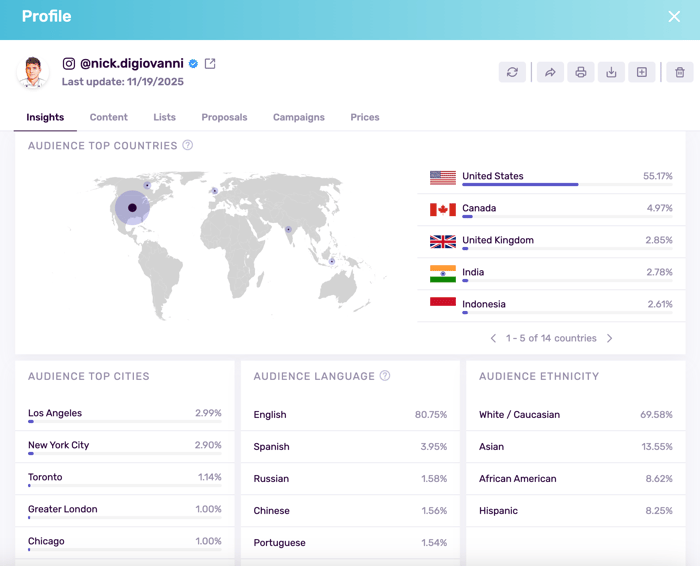
Tip: If an influencer’s audience is heavily skewed outside your target geography, treat them as a poor fit until proven otherwise. Ask for up-to-date audience breakdowns from native analytics (i.e., country, city, language), compare that to your campaign’s target region, and only move forward if you can (a) tightly geo-target paid amplification to the right countries or (b) see that the engaged audience (i.e., views, saves, clicks) is concentrated where you need impact; otherwise, deprioritize them in favor of creators whose follower base actually matches your market.
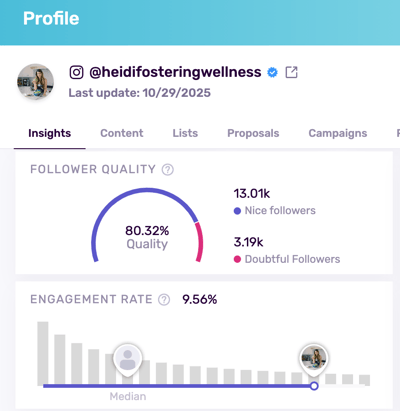
Tip: If a big chunk of an influencer’s followers look inactive, spammy, or are following 1,500+ accounts, assume a meaningful portion of their audience isn’t your real target and dig in before spending. Sample 20 to 30 followers manually, ask for recent audience and engagement analytics by country, age, and interests, and if their active audience doesn’t match your ICP (or can’t be proven), either walk away or price or test them as a much smaller creator based only on the engaged slice.
My key takeaway from managing vetting is this: Proper influencer vetting requires both analytics and human review.
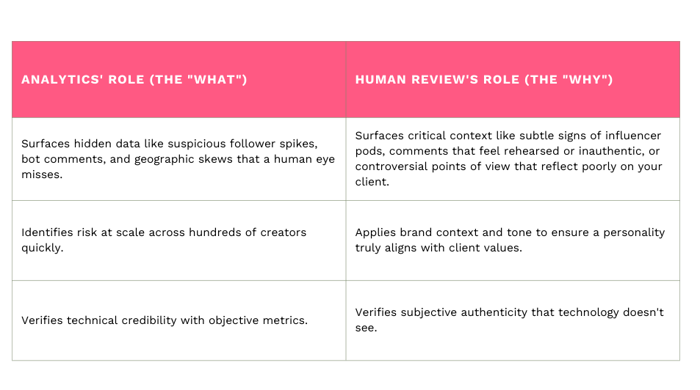
In short, never trust a profile just because it looks good. Sometimes, the most visually appealing accounts surprise you with their limited influence. Vet every single account, both before working with them and after they post, to evaluate their impact and assess their strengths or weaknesses.
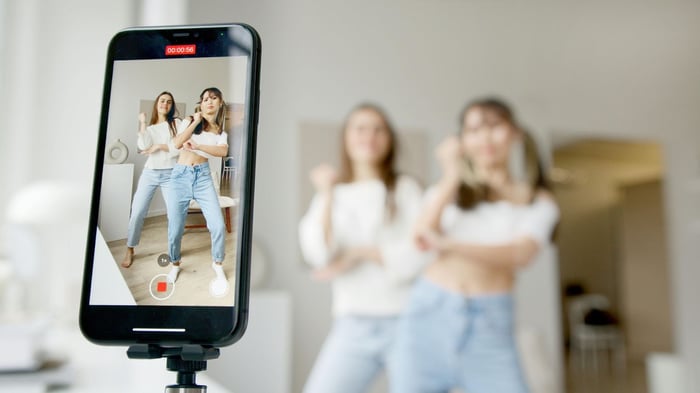
For any high-budget, large-scale campaign, manual checking cannot tell the full story. Professional agencies use specialized tools, like Influencity's platform, to run quick, comprehensive audience credibility reports. These tools are key to making sure you find influencers who actually fit.
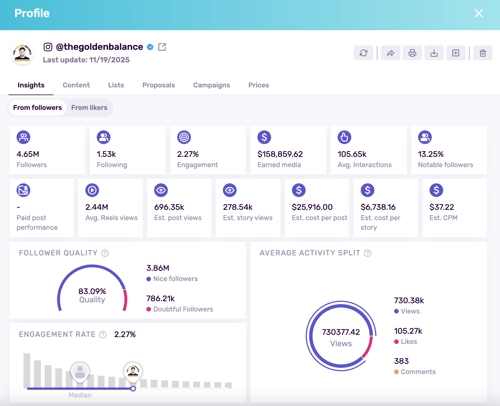
The Reality of Follower Quality: To be realistic, you will not find large accounts with 100% real followers. That doesn't automatically mean the influencer is buying followers. However, your goal should be to understand exactly what the profiles of your highest-impact influencers look like, both analytically and visually, compared to those of the low-impact ones. This knowledge should guide you to develop and refine internal selection guidelines over time. I’d also encourage you to hypothesize and test new accounts, but to quickly evaluate whether they have an impact or not. Discover how to formulate hypotheses and test them using TikTok analytics.
These tools can identify the percentage of suspicious or bot-driven followers, categorize the geographic and demographic makeup of the real audience, and provide a clear risk score. This data provides empirical, tangible facts that reinforce your selection process and offer reassurance to the client. This is how you understand what an audience quality score is and why it matters.

Being a solvent, experienced, and professional partner means taking proactive steps to safeguard campaign integrity. Agencies must adopt an active approach to eliminate the risk of fake engagement.
This is not an optional phase of the campaign. It’s a critical first step. Before an influencer brief is sent or a contract is drafted, their audience must be fully audited. If a creator declines an audience audit, they are not fit for a professional, high-value campaign. Simple as that. The video how to spot fake influencers offers a visual guide on what to look for. Implementing a risk-proof vetting process is how successful brands like Rare Beauty get it right.
Use your platform tools to generate a formal report for every creator you propose to the client. This report should clearly detail the audience breakdown, including authentic versus suspicious accounts, geographic location, and demographic data. This step conveys security and trustworthiness to your clients, demonstrating that they are in good hands. For large campaigns, consider using AI-powered influencer analytics to scale your confidence. Another helpful step is recruiting with casting calls.
We often fall into the trap of prioritizing relationships over results. You may really like the influencer personally: they're easy to work with, responsive, meet deadlines, and produce great-looking content. But, are they producing impact for the brand? Does their audience fit the target market? Are they truly influencing?
Stop focusing solely on reach and impressions. Your goal-oriented strategy should shift the KPI conversation towards outcomes that directly impact the client’s bottom line:
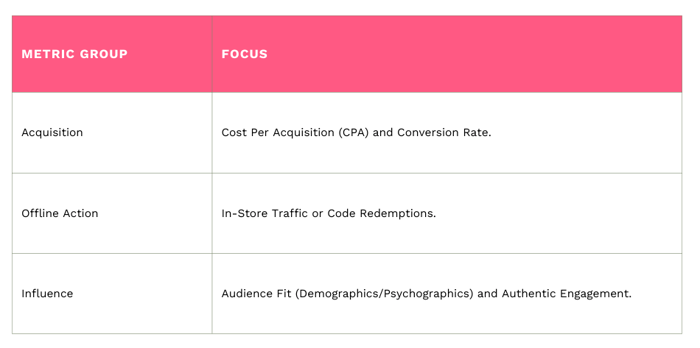
Focusing on these metrics forces both the agency and the influencer to prioritize an authentic, engaged audience, naturally minimizing the impact of fake followers and the resulting ROI loss. You want to move from follower count to financial impact and avoid the top influencer marketing tracking mistakes to boost ROI.
Passing through your initial vetting process is only the first step in the evaluation. Once they’ve produced content for the brand, you must evaluate its performance.
Furthermore, choose influencers to fit the job that needs to be done. Evaluate what each influencer does well. Some influencers are good at driving direct sales or website traffic while others are good at creating awareness and building brand affinity. You need a blend of influencers to create the content needed for the full customer journey and for all the repurposing your brand needs to do.

Big brands simply cannot afford the reputational and financial hit of a fake engagement scandal. The stakes are too high. Wasted budget due to influencer fraud is preventable, but it requires agencies to step up and champion a culture of transparency and authenticity.
For agencies running high-budget activations, your value proposition lies in your ability to be precise and useful. This means leveraging data-driven auditing tools, setting realistic and conversion-focused KPIs, and eliminating any potential for brand campaign failure before it starts. You should focus on building trust and authenticity with high-performing influencer partnerships.
Making audience vetting the foundation of your strategy helps you protect your client's immediate ROIO, while securing their long-term trust and demonstrating the true value of professional influencer marketing expertise. Focus on genuine impact over vanity metrics and ensure every dollar spent works toward a real business goal.
A Final Word for Brand Managers: It's your job to double-check the work of your agency. Understand how your agency vets and do your own spot-checking, especially early on in the relationship, to ensure alignment.
You can also learn how to use ROI Calculators to assess influencer performance. The focus should be on defining influencer target audiences for maximum impact. Also, learn the latest approach to achieve impact, not just vanity, from influencer reach.
Ready to improve audience authenticity for your next high-budget campaign?
Discover how Influencity's advanced auditing tools provide the empirical evidence you need to vet creators, eliminate fake engagement risk, and secure client trust.






%20and%20How%20Can%20They%20Benefit%20Your%20Brand%20article.jpg?length=628&name=What%20Are%20Key%20Opinion%20Leaders%20(KOL)%20and%20How%20Can%20They%20Benefit%20Your%20Brand%20article.jpg)




.png?length=628&name=Pop-up%20image%201200%C3%97800@1x%20(1).png)