

There is a fundamental paradox defining the digital selling strategies in 2026: The more we use technology to sell, the less we tolerate being sold to.
For the last decade, digital marketing operated like a megaphone. It was loud, interruptive, and obsessed with the "Hard Sell." We flooded feeds with cold DMs, chased users with retargeting banners, and prioritized the "Buy Now" button above all else. But as I’ve argued in our recent 2026 Trends Report, that era is effectively dead. The megaphone has been muted by the scroll.

We have entered the era of Social Selling.
But let's be clear about what that means in 2026. It isn't about sliding into DMs with a pitch deck or spamming comments with links. It is about embedding commerce so seamlessly into culture, conversation, and content that the purchase feels like a natural conclusion to a story, not an interruption of it.
The funnel has collapsed. Discovery and Checkout are no longer separate stages; they happen in the same breath.
With the Social Commerce market projected to hit $2 trillion this year, this isn't an experiment.
Here is why Social Selling is the smartest strategy for brands and agencies in 2026, and exactly how to execute it without losing your soul.
Let’s clear the air. There is a massive misconception that Social Selling and Social Commerce are the same thing. They are related, like a novel and a bookstore, but they are not identical.
Basically, Social Selling is the practice of using social platforms to educate, build trust, and guide discovery.
In my research on the Victorian Reading Marketplace, I found that authors like Dickens didn't just publish books; they cultivated a relationship with their common readers. They listened to feedback and adjusted the story.
Today’s most effective social selling does the same.
The Golden Rule: Consumers buy from people, not banners.
Why is this happening now? Because the friction is gone.
In the old world (circa 2023), if you liked a product on Instagram, you had to click a link in bio, wait for a slow mobile site to load, find the product again, and enter your credit card info. We lost 70% of potential buyers in that click canyon.
In 2026, the "Instant Funnel" has arrived.
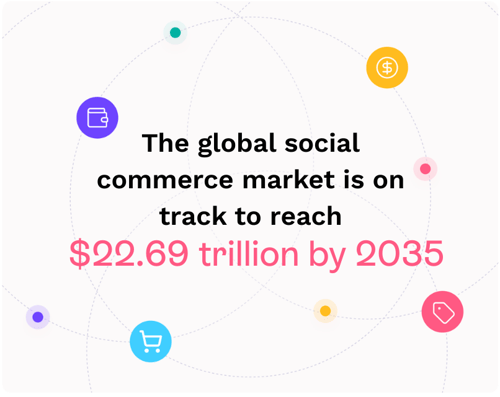
Market Explosion: The global social commerce market is on track to reach $22.69 trillion by 2035, but the tipping point is right now.
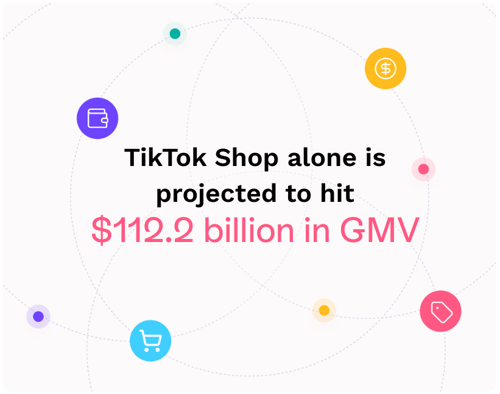
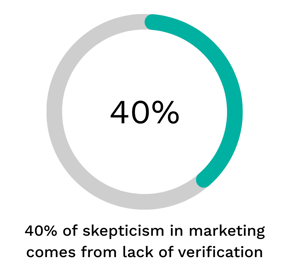
The Trust Gap: 40% of skepticism in marketing comes from lack of verification. Yet, creator-led content consistently outperforms brand ads on ROAS (Return on Ad Spend) because it borrows the creator's trust.
We don't go shopping anymore. We are always shopping. Discovery happens in the scroll. When a user sees a Comfort Influencer (our Trend #2) using a frying pan in their morning routine, the desire to buy is immediate. Social selling captures that intent instantly.
You cannot wing it in 2026. Active scouting, knowing exactly who fits your narrative.
Here is the step-by-step framework for brands and agencies.
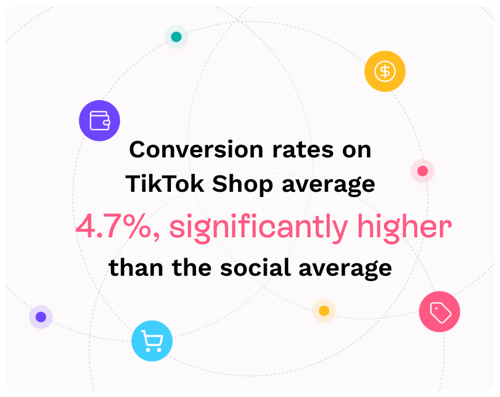
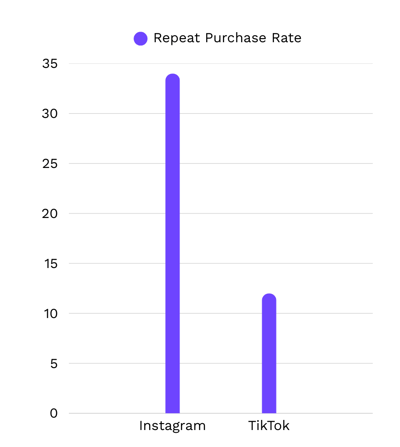
Our data shows a distinct split in how platforms convert in 2026.
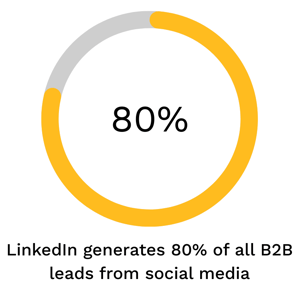
LinkedIn = The B2B Trust Layer: For my B2B marketers, this is your battleground.
You cannot be the peddler. You need the locals to vouch for you. This is where Influencer Marketing becomes the engine of social selling.
Look at Blueland. They didn't pay celebrities to hold the bottle. They activated 200+ micro-influencers to show the mess, the dirty counters, the scrubbing. They normalized the behavior. The result? A 6.3x jump in Amazon sales rank.
If you are asking a user to click more than twice, you have lost them.
Social selling content shouldn't die after 24 hours.
Shoppers trust UGC (User Generated Content) 12x more than brand descriptions.
I often hear, "Cam, this works for lipstick, but I sell SaaS software." Wrong. The principles are identical.
In 2026, B2B buyers don't trust corporate logos. They trust Subject Matter Experts. We are seeing the rise of the B2B influencer (executives, consultants, analysts).
Instead of Cold DMs (which everyone hates), use warm Inbound.
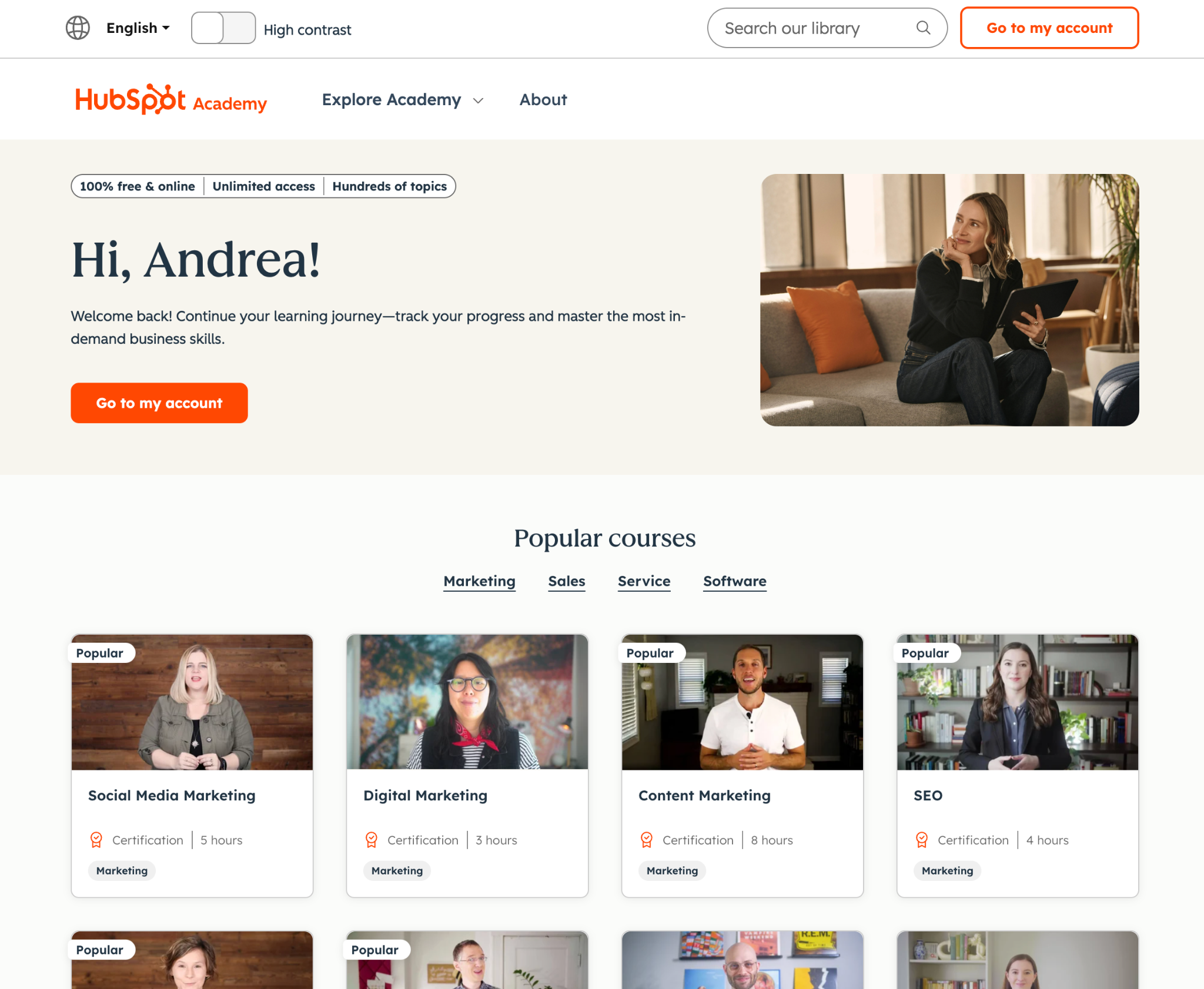
HubSpot is the master of this. They don't just post ads, they partner with creators to produce educational carousels that explain how to do marketing. The "sale" happens because the trust was earned first.
B2B buyers consume 3-7 pieces of content before ever talking to sales. Your social selling strategy is to be those 7 pieces of content.
I’ve seen too many brands treat social selling like a digital billboard. Here is what you must avoid:
DON'T Over-Script: If I see a creator reading a teleprompter, I scroll. If they sound like a press release, I scroll.
DON'T Push the CTA Too Early: In a narrative, the climax comes at the end. In social selling, the "Buy" ask comes after the value is delivered.
DON'T Ignore the "De-Influencing" Wave: Consumers are smart. They know nothing is perfect.
In the Era of Efficacy, "Likes" are vanity. "Revenue" is sanity.How do you measure Social Selling?
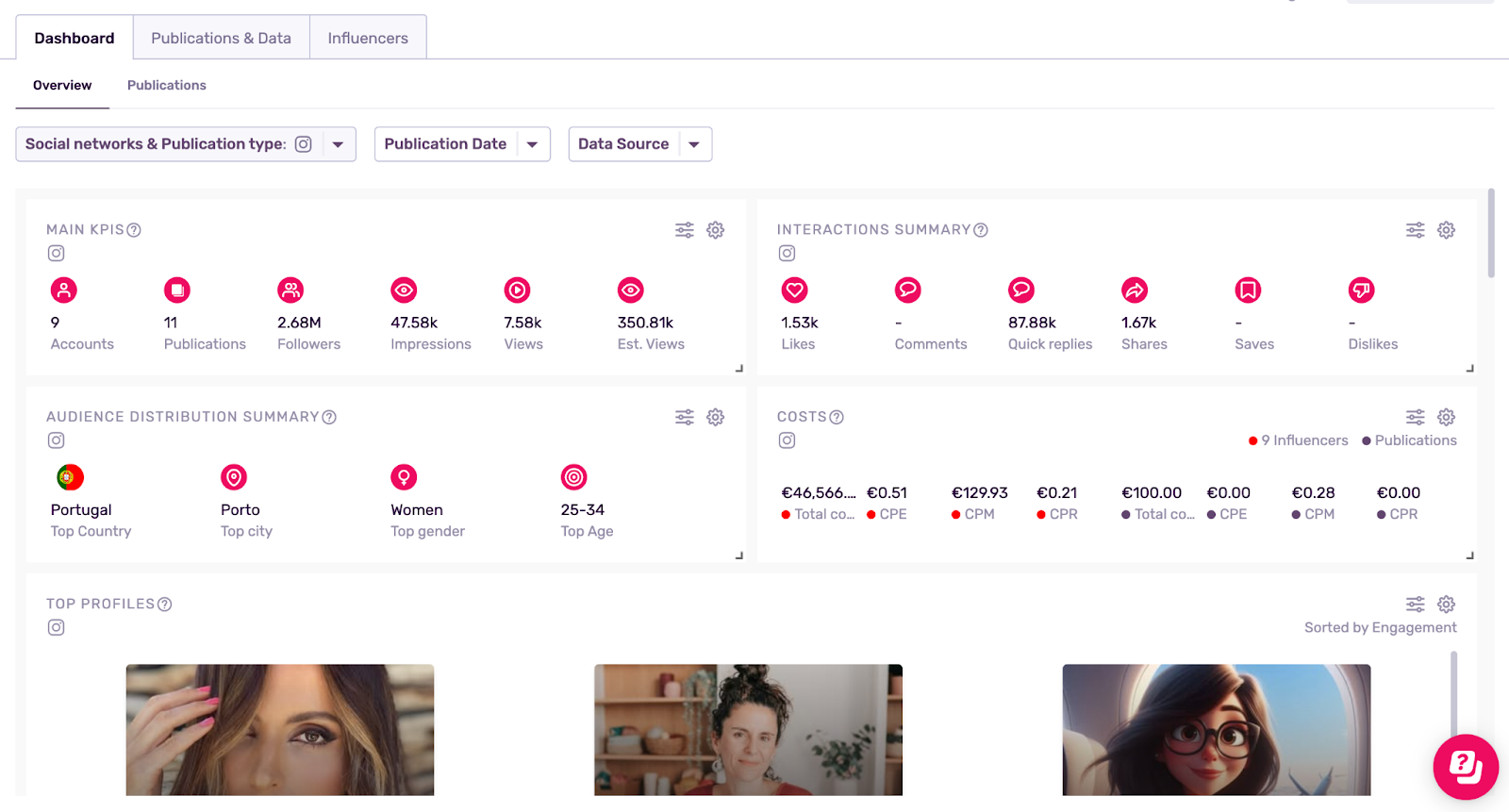
You cannot manage this scale with a spreadsheet. If you have 50 creators posting across 3 platforms, you need a centralized dashboard. Use intelligent tools like Influencity’s IRM (Influencer Relationship Management) to track the full funnel.
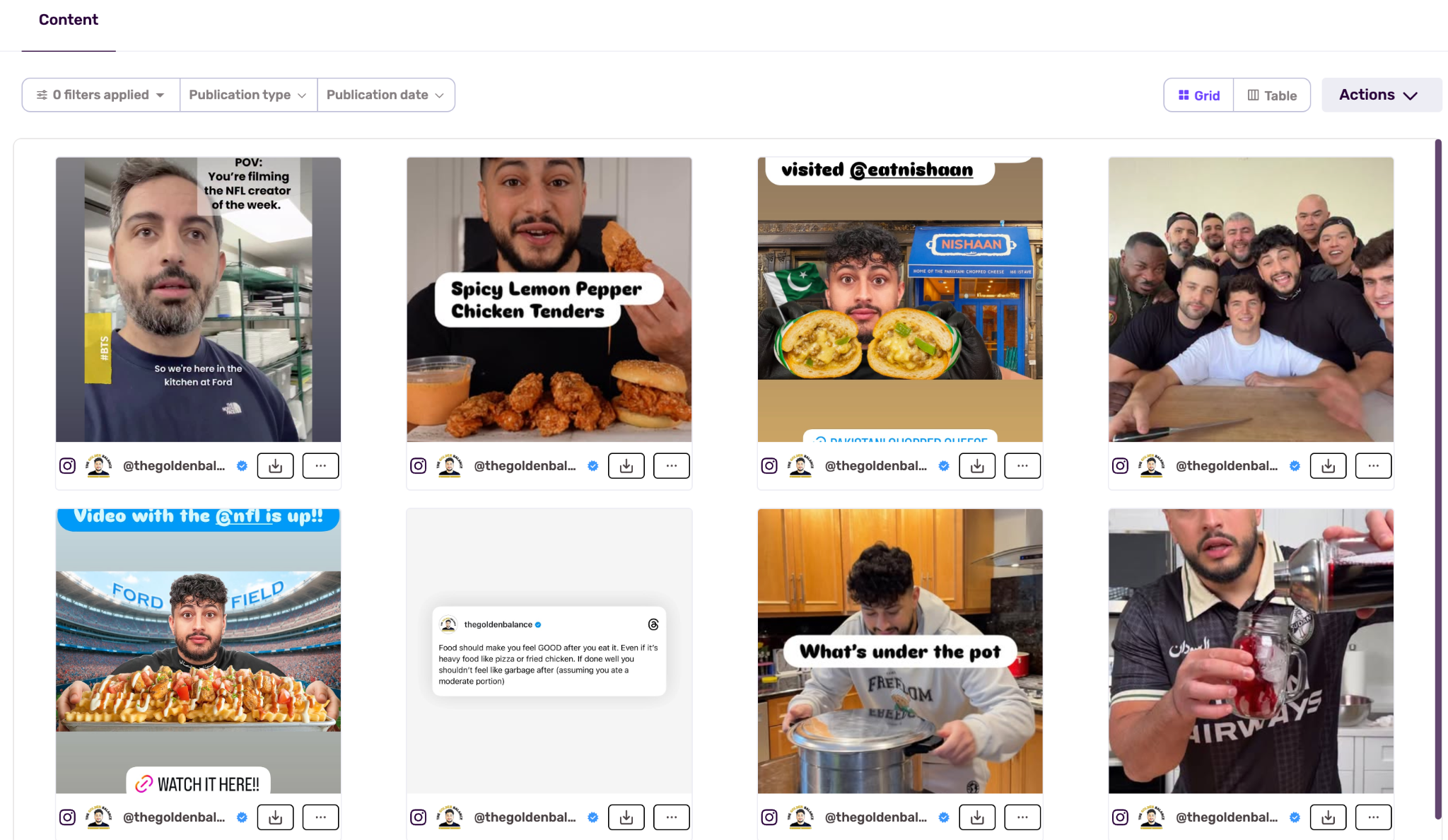
We can help you see not just who posted, but how the audience felt about it (Sentiment Analysis) and whether it aligned with your sales spikes.
I want to end on a philosophical note.
Recently, I posted on LinkedIn about how networking isn't about taking; it's about a karmic balance. It's about connecting with the intention of contributing, not extracting.
Social Selling is the same.
If your intention is solely to extract money from a user's wallet, you will fail. The algorithm is too smart, and the users are too cynical.
But if your intention is to connect, to solve a problem, to offer a moment of "Comfort," to provide a genuine recommendation from a trusted voice, the sale will happen naturally.
Social Selling in 2026 is about the Human Sell. And for brands brave enough to let go of control and embrace the narrative, there is a $2 trillion reward waiting.







%20and%20How%20Can%20They%20Benefit%20Your%20Brand%20article.jpg?length=628&name=What%20Are%20Key%20Opinion%20Leaders%20(KOL)%20and%20How%20Can%20They%20Benefit%20Your%20Brand%20article.jpg)