


The creator economy has reached an operational inflection point. Influencer marketing is no longer just a branding exercise, it is a performance-driven acquisition channel. As marketing teams scale their programs, they face a fundamental software architecture choice: Do you build your creator strategy inside a curated, walled garden, or do you command the entire global landscape with an open database?
This is the core battle between #paid (Hashtag Paid) and Influencity. While both platforms claim to centralize your workflow, their philosophies, discovery pipelines, and operational features are entirely opposed.
This article dismantles both systems on a feature-by-feature basis to help you decide which platform will actually power your creator engine.
|
Capability |
Influencity |
#paid |
|
Database Pool |
350M+ global profiles (Open) |
Restricted opt-in network (Closed) |
|
Sourcing Paradigm |
Active outbound search & advanced filters |
Inbound creator "hand-raise" pitches |
|
Audience Vetting |
Advanced fake-follower, Brand Affinity, Brand Safety & audience quality checks |
Pre-vetted profiles with lifestyle data |
|
Meta Whitelisting |
No native support; manual Meta setup required |
Native Meta integration for handle-boosted ads |
|
Shopify Integration |
Yes (promo code, sales tracking) |
No native e-commerce connections |
|
Product Seeding |
Yes (Automated gifting via Shopify) |
No native seeding automation |
|
Owned Social Scheduling |
Yes (Built-in Social Media SMM suite) |
No SMM or organic publishing tools |
|
Social Listening |
Yes (Competitor benchmarks, hashtag tracking, etc.) |
No social listening capabilities |
|
Influencers Contracting & Payouts |
Support for bulk payments & in-platform negotiations |
Automated contract generation & direct payments |
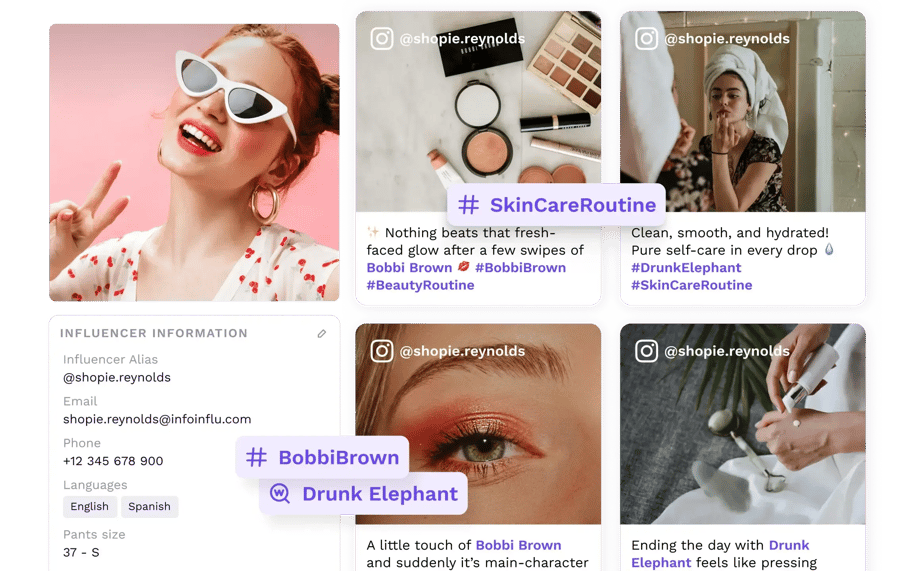
The biggest strategic difference between #paid and Influencity is not reporting, campaign management, or analytics. It's how they fundamentally think about creator discovery. One platform assumes the best creators will come to you. The other assumes the best marketers know how to find them

#paid operates as a closed, opt-in marketplace. Brands publish campaign opportunities and creators inside the #paid marketplace submit applications, pitches, or expressions of interest. Discovery happens through a pool of creators who have already joined the platform and chosen to participate.
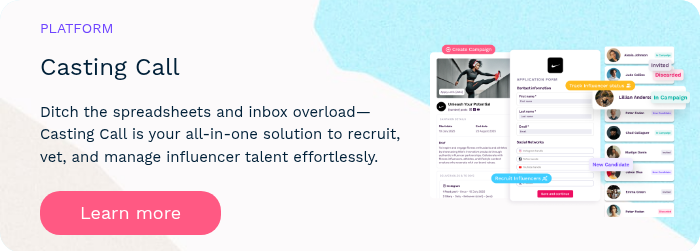
Think of it as a talent agency model. You post a casting call. Creators raise their hand.
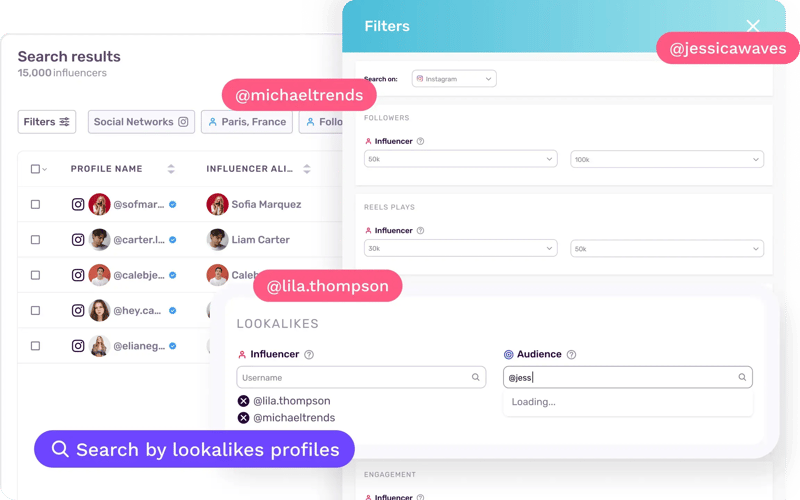
Influencity operates as an open discovery engine. Instead of waiting for creators to apply, brands gain access to an indexed database of more than 350 million creator profiles across Instagram, TikTok, and YouTube. Teams proactively search, analyze, segment, shortlist, and recruit creators based on their own criteria.
/influencer-recruitment-slider-tabs-creators-image-composition.webp?width=1728&height=1080&name=influencer-recruitment-slider-tabs-creators-image-composition.webp)
Think of it as having access to the entire talent market, not just the applicants who walked through the door.
The problem is scale. And more specifically, market scale. Every marketplace is only as powerful as the creators who choose to join it. That creates an unavoidable ceiling.
When you restrict discovery to a closed pool, you're searching a subset of the creator economy. This becomes particularly limiting when campaigns require:
Imagine launching a campaign targeting Gen Z skincare enthusiasts in Poland. Or gaming creators in the Nordics. Or sustainability influencers in Portugal. Or financial creators speaking Catalan. At that point, success depends less on your targeting strategy and more on whether those creators happen to be members of the marketplace.
You stop controlling the search. The platform controls the inventory. The result is a sourcing bottleneck that becomes increasingly visible as campaigns become more specialized.
Influencity approaches discovery from the opposite direction. Instead of limiting marketers to a pre-selected network, it provides access to the broader creator poodle. More importantly, it provides the tools needed to navigate that scale intelligently.
/irm-alternating-content-two-image-composition.webp?width=914&height=571&name=irm-alternating-content-two-image-composition.webp)
This is not simply a larger database. It is a significantly more sophisticated search environment. Teams can filter creators using combinations of:
This transforms discovery from a creator search exercise into an audience search exercise. Most platforms help you find creators but Influencity also helps you find audiences. If a campaign requires women aged 25–34 in Germany with demonstrated interest in fitness and wellness, marketers can identify creators whose audiences match those exact conditions before outreach even begins.

That level of precision is difficult to achieve inside a closed marketplace. Plus, you can also take advantage of our AI-Assistant to help you narrow down your search with the most accurate filters to get the best options for you upcoming campaigns.
The marketplace model optimizes for convenience. The open-search model optimizes for control. With #paid, discovery is limited because creators come to you. With Influencity, discovery is more powerful because you decide who to pursue.
The trade-off is clear. Influencity requires a more proactive approach. Teams are responsible for outreach, relationship building, and negotiation.
/manage-campaignss-slider-tabs-negotiation-image-composition.webp?width=1728&height=1080&name=manage-campaignss-slider-tabs-negotiation-image-composition.webp)
But in exchange, they gain access to a creator universe that is exponentially larger, more diverse, and more precise. For brands running occasional campaigns, convenience may be enough.
For agencies, global brands, and performance-focused teams that need to source creators at scale across multiple markets, Influencity's open discovery architecture offers a level of flexibility and targeting depth that closed marketplaces simply struggle to match.
For transactional Direct-to-Consumer (DTC) brands, tracking the exact revenue generated by each creator is non-negotiable.
Influencity is a direct-response powerhouse built for e-commerce. Through its deep, native integration with Shopify, brands can tie creator actions directly to your online cash register :

#paid is a complete e-commerce ghost town. It offers no e-commerce integrations with Shopify, WooCommerce, or BigCommerce. You cannot auto-generate affiliate codes, automate product gifting, or attribute direct online sales at the individual creator level. It is a brand awareness tool, leaving performance-driven DTC teams completely blind.
For transactional DTC brands, influencer marketing cannot stop at impressions, reach, or engagement. The real question is, which creators are actually moving product?
Here, Influencity has a clear strategic edge. Influencity is built to connect influencer activity with e-commerce outcomes. Through its Shopify integration, brands can link influencer campaigns to performance, making it far easier to understand which partnerships generate revenue, not just visibility.
/influencer-seeding-hero-image-composition-different-actions.webp?width=1728&height=1080&name=influencer-seeding-hero-image-composition-different-actions.webp)
With Influencity, brands can:
This makes Influencity especially valuable for performance-driven DTC teams that need influencer marketing to behave like a measurable acquisition channel. Instead of treating influencers as a top-of-funnel awareness play, Influencity helps brands build a clearer line between content, clicks, conversions, and revenue.
#paid, by contrast, is stronger as a paid social amplification and creator-content activation platform than as a e e-commerce attribution engine. While it can help brands source creators and turn content into paid media, it does not offer the same Shopify-native infrastructure for tracking creator-level sales, automating affiliate-style codes, or connecting gifting workflows to live inventory.
That distinction matters. For brands focused primarily on awareness, content production, or whitelisted paid ads, #paid can be a useful tool. But for DTC teams that need to prove ROI at the creator level, Influencity offers a more commercially grounded solution.
The difference is not simply tactical, it changes how influencer marketing is managed. With #paid, performance measurement often depends on external tools, manual workflows, or paid media reporting. With Influencity, e-commerce attribution sits much closer to the campaign itself.
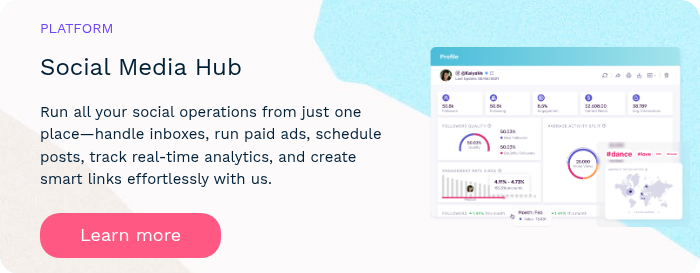
As influencer marketing matures, the challenge for brands is managing an increasingly fragmented marketing stack.The question becomes how many platforms does your team need to operate influencer campaigns, social media management, audience intelligence, and performance analysis?
#paid was designed to streamline sponsored creator campaigns, and it does this well.
However, #paid remains largely focused on the creator campaign itself. Onceinfluencer content is published, brands often need additional tools to manage social channels, monitor competitors, conduct audience analysis, and coordinate broader social marketing efforts.
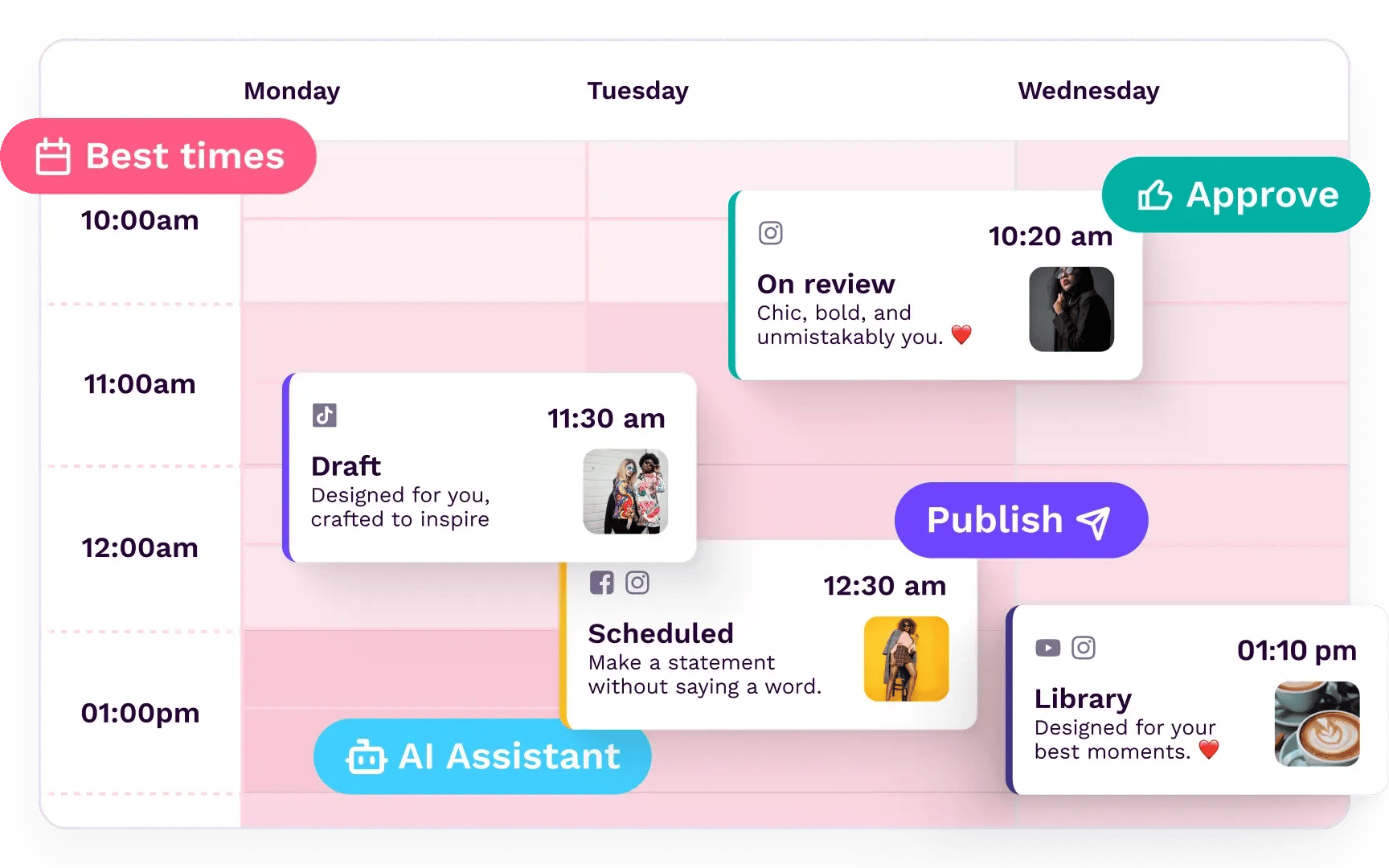
This is where Influencity offers a fundamentally different proposition. Rather than functioning solely as an influencer campaign platform, Influencity positions itself as a broader social marketing command center that brings multiple workflows into a single environment. Beyond influencer campaign management, Influencity provides:
Teams can draft, schedule, publish, and manage organic content across owned social channels from the same platform used to discover creators and execute campaigns. This reduces the need to maintain separate influencer marketing andsocial media management tools, helping teams centralize planning, execution, and reporting.
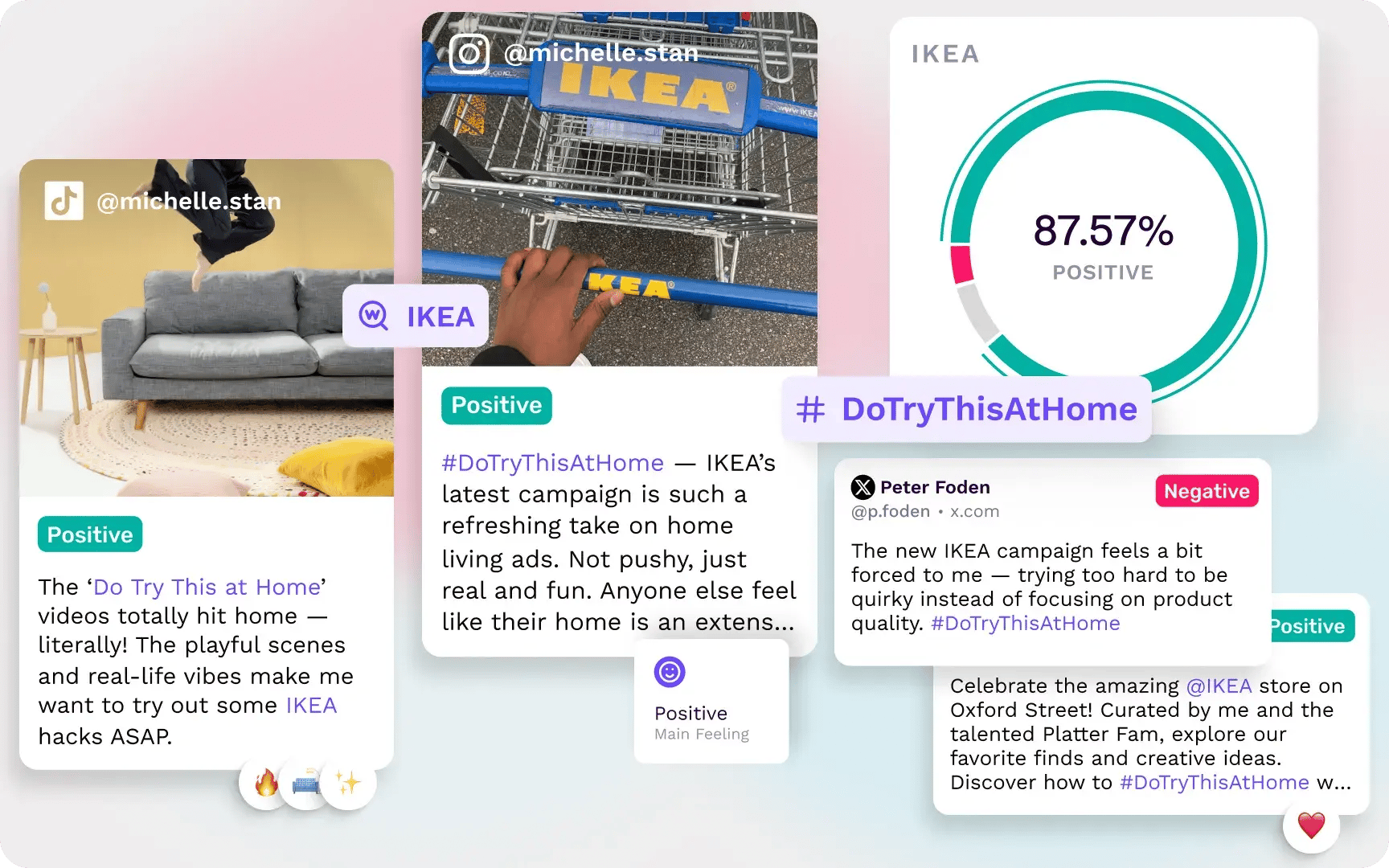
Influencity extends beyond creator management with built-in social listening and competitive benchmarking capabilities. With this tool brands can:
This broader market visibility helps marketing teams make more informed strategic decisions without relying on additional monitoring platforms.
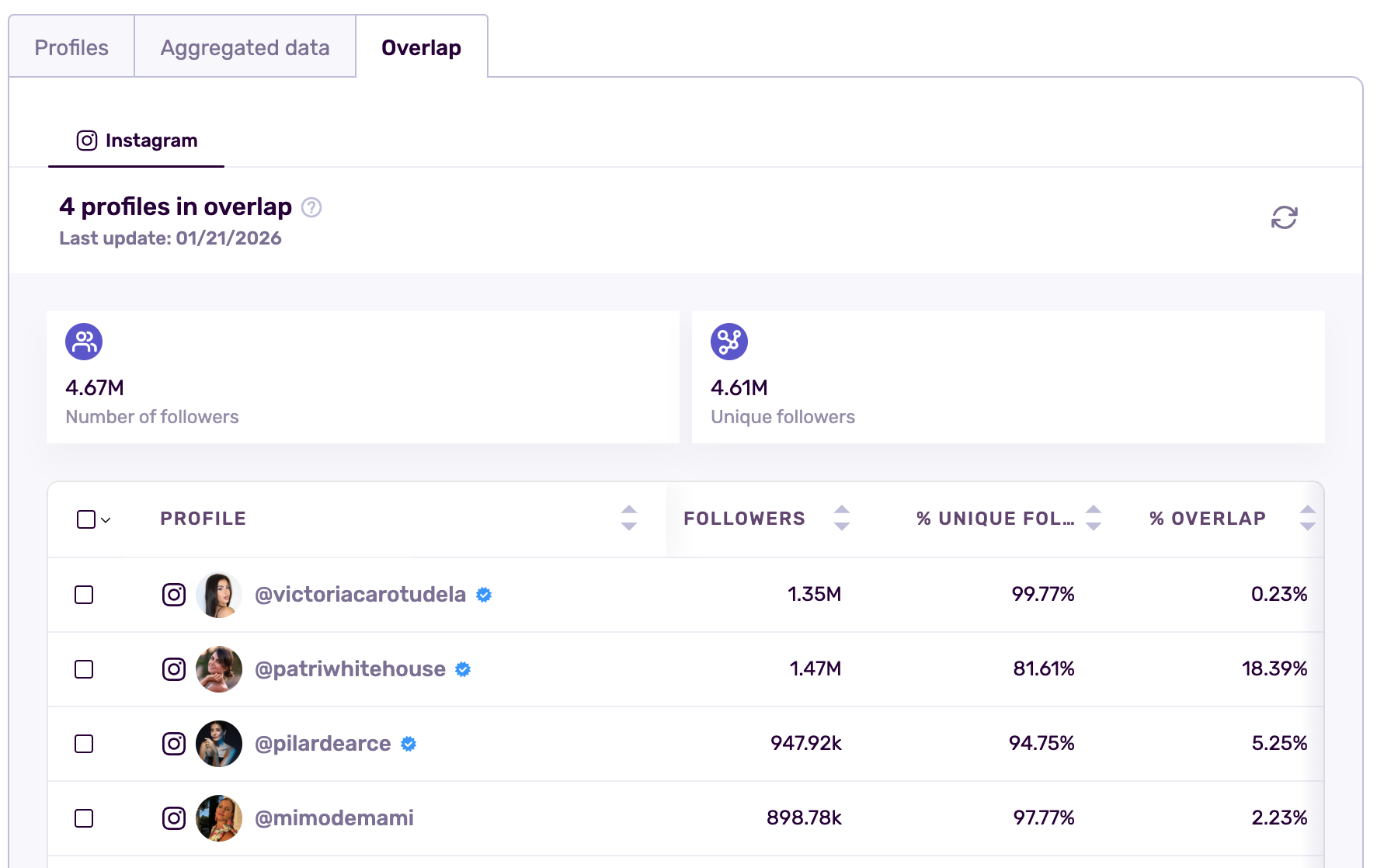
One of Influencity's most valuable differentiators is audience overlap mapping. Before activating multiple creators, brands can evaluate how much follower duplication exists across their influencer roster, helping avoid wasted spend and ensuring campaigns maximize incremental reach.
For brands managing large creator programs, this capability can improve budget efficiency and audience diversification in ways that campaign-focused platforms typically cannot.
However, #paid remains highly siloed. It only handles sponsored campaigns and does not connect to your owned brand channels or broader social strategies.
A fast-growing DTC beauty brand wants to send free products to 150 micro-influencers a month in exchange for content and track exactly how many sales each creator generates via customized promo codes.
/influencer-seeding-hero-image-composition%20OPT.webp?width=800&height=500&name=influencer-seeding-hero-image-composition%20OPT.webp)
Executing on Influencity: The beauty brand connects its Shopify store. Marketers search the 350M+ database to find micro-influencers with verified, high-quality engagement. When inviting creators, the platform auto-generates custom discount codes linked to Shopify.
Executing on #paid: Because #paid has zero e-commerce integrations and doesn't connect to Shopify, the brand cannot automate gifting. Marketers must manually pull creator data and then use external tools, create promo codes inside Shopify one by one, and track sales manually on an Excel spreadsheet.

Influencity is the better choice for brands that view influencer marketing as a measurable growth channel rather than a standalone campaign tactic. Choose Influencity if:
Influencity connects influencer activity directly to commercial outcomes. With its Shopify integration, creator-level attribution, discount-code tracking, and revenue reporting, teams can measure what matters most.
/campaign-reports-alternating-content-one-image-composition%20OPT.webp?width=2304&height=1440&name=campaign-reports-alternating-content-one-image-composition%20OPT.webp)
With access to more than 350 million creator profiles worldwide, Influencity gives brands the flexibility to discover influencers across virtually any geography, niche, language, or audience segment. Whether you're scaling globally or targeting highly specific communities, discovery is never constrained by marketplace limitations.
/find-influencers-hero-image-composition.webp?width=1440&height=900&name=find-influencers-hero-image-composition.webp)
Influencity is designed for brands running campaigns across multiple markets and regions. Its global creator coverage makes it easier to identify relevant influencers in Europe, North America, Latin America, Asia-Pacific, and emerging markets from a single platform.
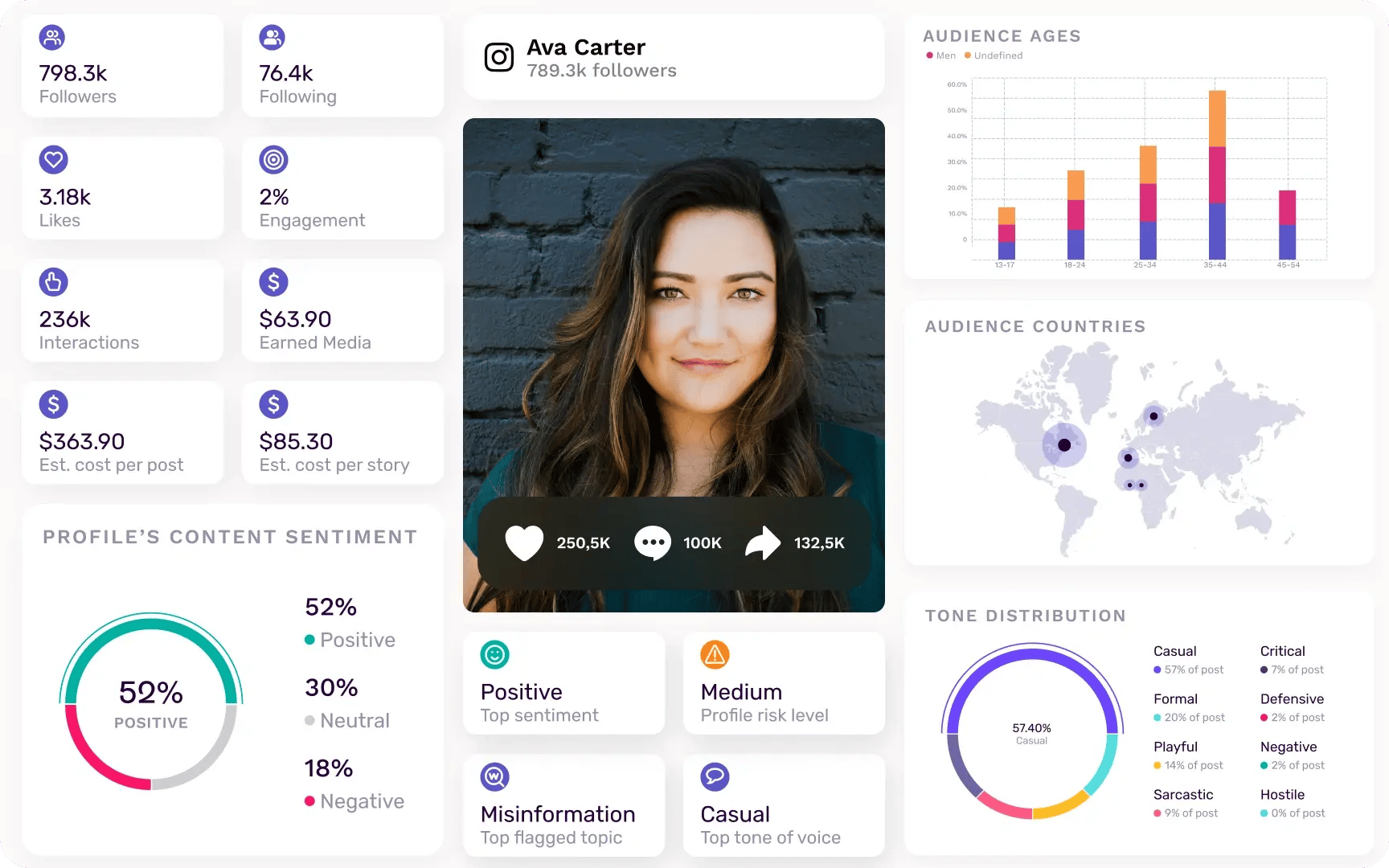
Finding creators is only part of the challenge. Influencity provides advanced audience analysis, authenticity metrics, demographic insights, and audience overlap detection, helping teams make smarter investment decisions and avoid wasted spend.
/youtube-influencers-slider-tabs-lookalikes-image-composition.webp?width=1728&height=1080&name=youtube-influencers-slider-tabs-lookalikes-image-composition.webp)
Influencity combines influencer discovery, campaign management, creator relationship management, social media publishing, competitive intelligence, audience analytics, and reporting in a single platform. Instead of managing multiple disconnected tools, teams can centralize their workflow and gain a more complete view of their social marketing efforts.
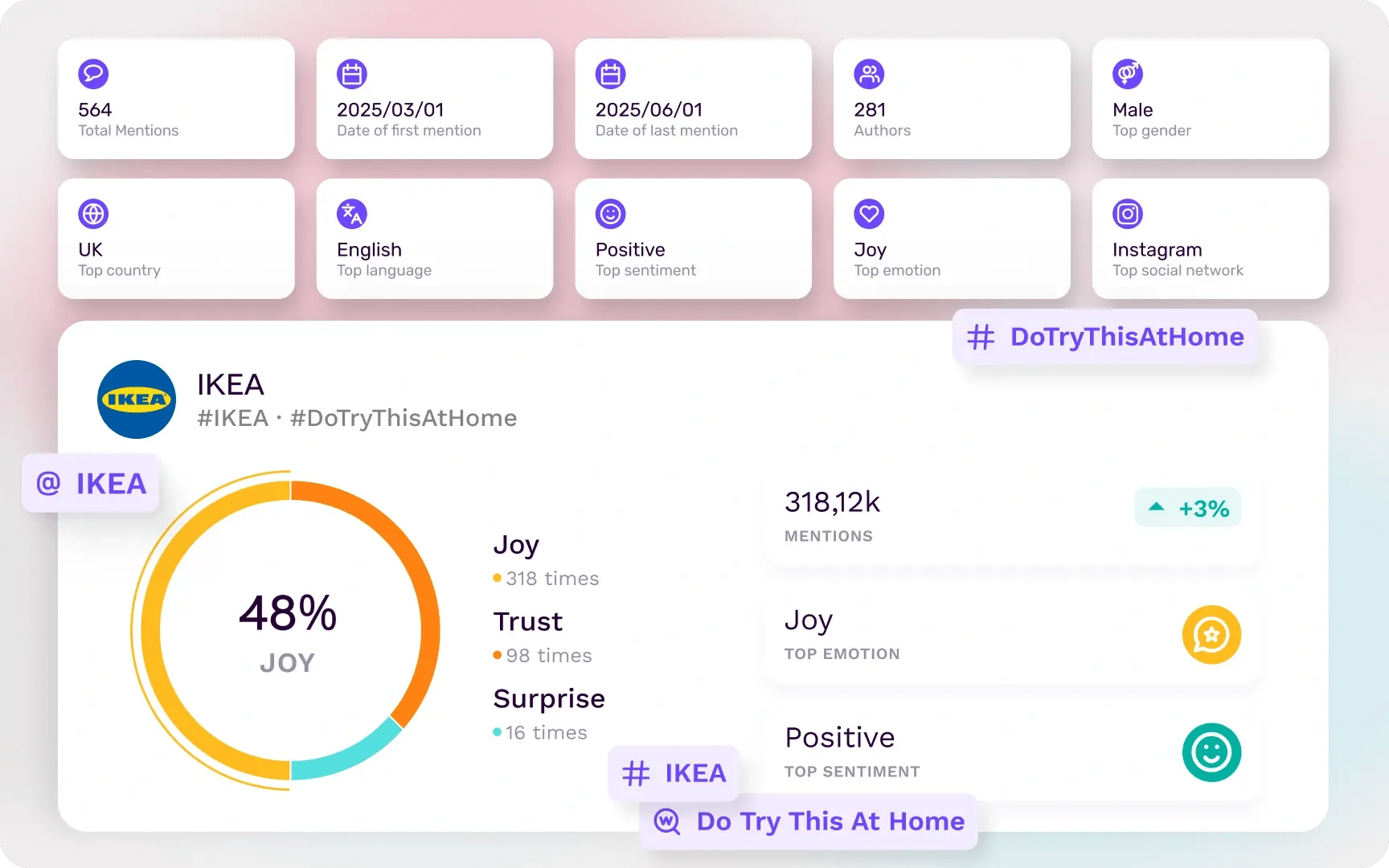
Whether you're managing a handful of partnerships or coordinating large-scale global campaigns, Influencity offers the infrastructure, analytics, and operational flexibility required to support long-term growth.
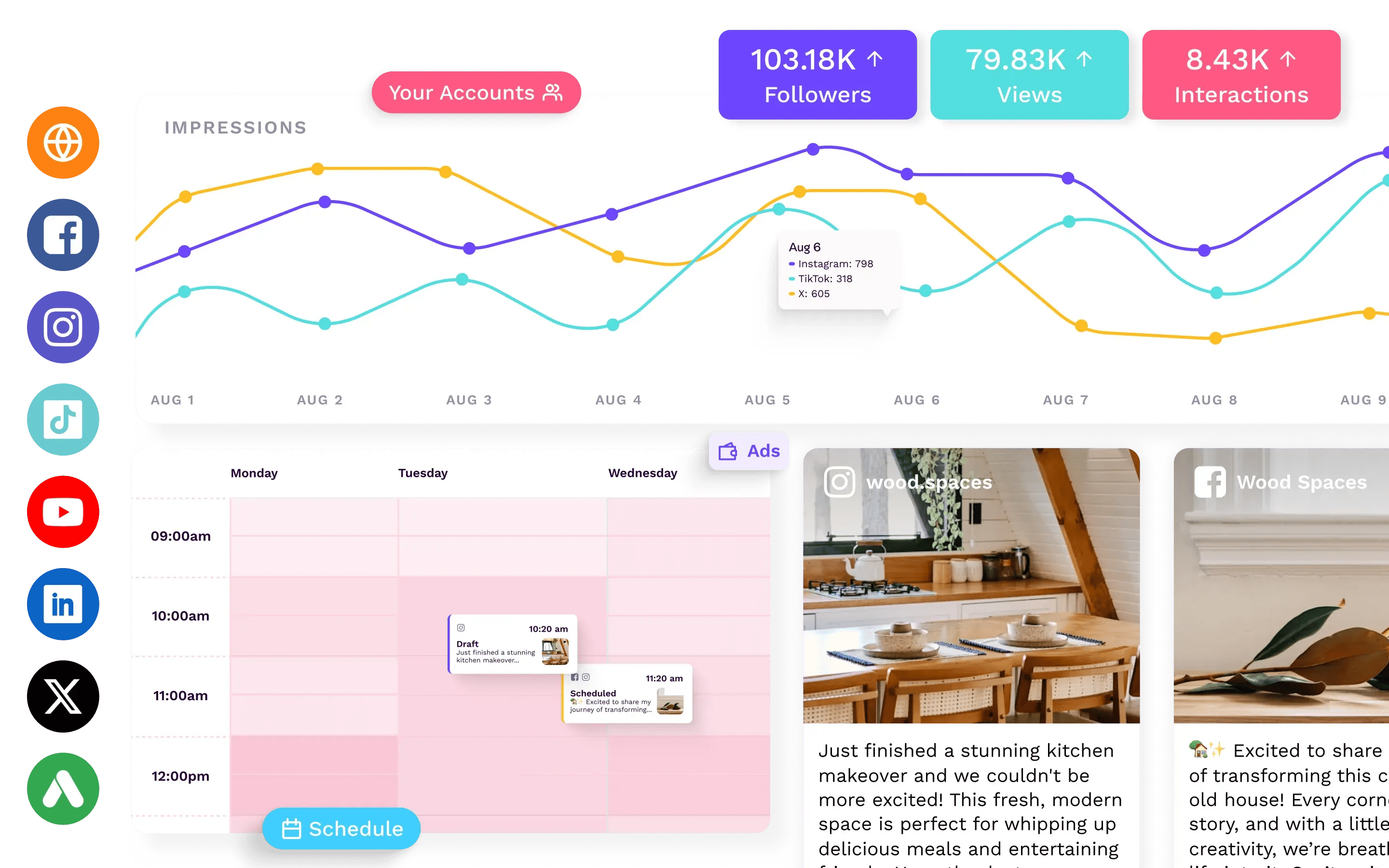
In short, Influencity is the stronger choice for brands seeking global creator discovery, measurable e-commerce performance, advanced audience intelligence, and a unified platform that connects influencer marketing with broader social media strategy.
Paid is primarily a creator marketplace that connects brands with creators who have opted into the platform. Influencity is a complete influencer marketing platform that combines AI-powered creator discovery, Influencer Relationship Management (IRM), campaign management, Social Listening, fraud detection, audience analysis, and automated reporting, among other features. Instead of relying on a closed marketplace, Influencity helps brands discover and manage creators across a global database of more than 350 million public profiles.
Yes. Influencity is an excellent alternative for brands and agencies that need more than creator recruitment. It supports the entire influencer marketing workflow, from discovering creators and managing outreach to executing campaigns, measuring ROI, and building long-term creator relationships, all within a single platform.
A creator marketplace allows brands to connect with creators who have registered on the platform. An influencer marketing platform goes much further by providing AI-powered creator discovery, audience analysis, campaign management, reporting, relationship management, fraud detection, and performance measurement. Influencity combines all of these capabilities, giving brands greater control over their creator marketing strategy.
If discovery is your priority, Influencity provides access to more than 350 million public creator profiles across Instagram, TikTok, and YouTube. Its AI-powered semantic search, audience demographics, brand affinity analysis, lookalike discovery, and more than 60 advanced filters help brands identify creators based on campaign goals, not just marketplace membership.
It depends on your objectives. Closed marketplaces can simplify creator recruitment, but they limit your options to creators who have signed up. Influencity's open database gives brands access to a much broader creator ecosystem, making it easier to discover niche influencers, international creators, and emerging talent without marketplace restrictions.
Brands investing in ongoing creator partnerships typically need more than one-off campaign recruitment. Influencity includes a built-in Influencer Relationship Management (IRM) that centralises creator contacts, communication history, contracts, campaign participation, pricing, and internal notes, making it easier to build long-term relationships.
Absolutely. Influencity combines creator discovery, campaign management, creator CRM, Social Listening, content tracking, ecommerce integrations, social media management, reporting, analytics, and a unified inbox in one platform. This reduces software costs and eliminates the need to switch between disconnected tools.
Many brands eventually outgrow marketplace-based solutions because they need more flexibility, better analytics, and stronger campaign management. Influencity allows marketing teams to discover creators worldwide, build direct relationships, manage campaigns, measure business impact, and centralise every.








%20and%20How%20Can%20They%20Benefit%20Your%20Brand%20article.jpg?length=628&name=What%20Are%20Key%20Opinion%20Leaders%20(KOL)%20and%20How%20Can%20They%20Benefit%20Your%20Brand%20article.jpg)





.png?length=628&name=Pop-up%20image%201200%C3%97800@1x%20(1).png)