

The influencer marketing software scene has evolved dramatically. What was once a simple creator discovery tool has become the operational backbone of modern influencer programs, helping brands identify creators, manage relationships, automate workflows, track performance, and coordinate campaigns across multiple channels.
As influencer marketing budgets continue to grow, brands are looking for platforms that can scale with their ambitions. Global creator coverage, transparent pricing, workflow automation, CRM capabilities, social listening, and content planning have become critical evaluation criteria, not nice-to-have features.
While Kolsquare remains a well-known option, particularly among European brands, it isn't the only solution available. Depending on your goals, you may need broader creator discovery, greater pricing flexibility, stronger campaign management tools, or a more complete all-in-one platform.
In this article, I'll compare seven influencer marketing platforms and examine how they stack up in terms of influencer database size, pricing, campaign management, social listening, and overall value. This comparison will help you find the platform that best fits your needs.
Let's take a closer look at the top Kolsquare alternatives.
|
Platform |
Average Price |
Database Size |
Contracts/Subscription Flexibility |
Best Use Case |
|
Kolsquare |
$$$–$$$$ |
5M+ |
⭐⭐ (sales-led, typically annual commitments) |
EU-centric compliance & social listening |
|
Influencity |
$$$ |
350M+ |
⭐⭐⭐⭐⭐ (tailored. modular plans and annual options) |
Scaling global campaigns & consolidated workflow |
|
Traackr |
$$$$$ |
~6M - 13M |
⭐ (enterprise contracts) |
Global enterprise analytics & benchmarking |
|
Influencer Hero |
$$$–$$$$ |
250M+ |
⭐⭐⭐ Medium |
CRM-heavy outreach and drip sequences |
|
GRIN |
$$$$–$$$$$ |
Opt-in network |
⭐ (enterprise-focused agreements) |
End-to-end direct-to-consumer (DTC) eCommerce |
|
Upfluence |
$$$$ |
12M+ |
⭐⭐ (annual commitment required) |
Turning existing customers into affiliates |
|
CreatorIQ |
$$$$$ |
20M+ |
⭐ (custom enterprise contracts) |
Fortune 500 enterprise governance |
|
Sprout Social |
$$$$ |
Network dependent |
⭐⭐⭐ (modular plans, per-user pricing) |
Social media and community management |
Kolsquare is a strong choice for brands focused primarily on European compliance (like DAC7) and initial vetting in the DACH or French markets. Following its 2026 merger with AI-driven platform Storyclash, its strength lies in deep social listening and identifying local creators, making it a good starting point for teams strictly operating in the EU.
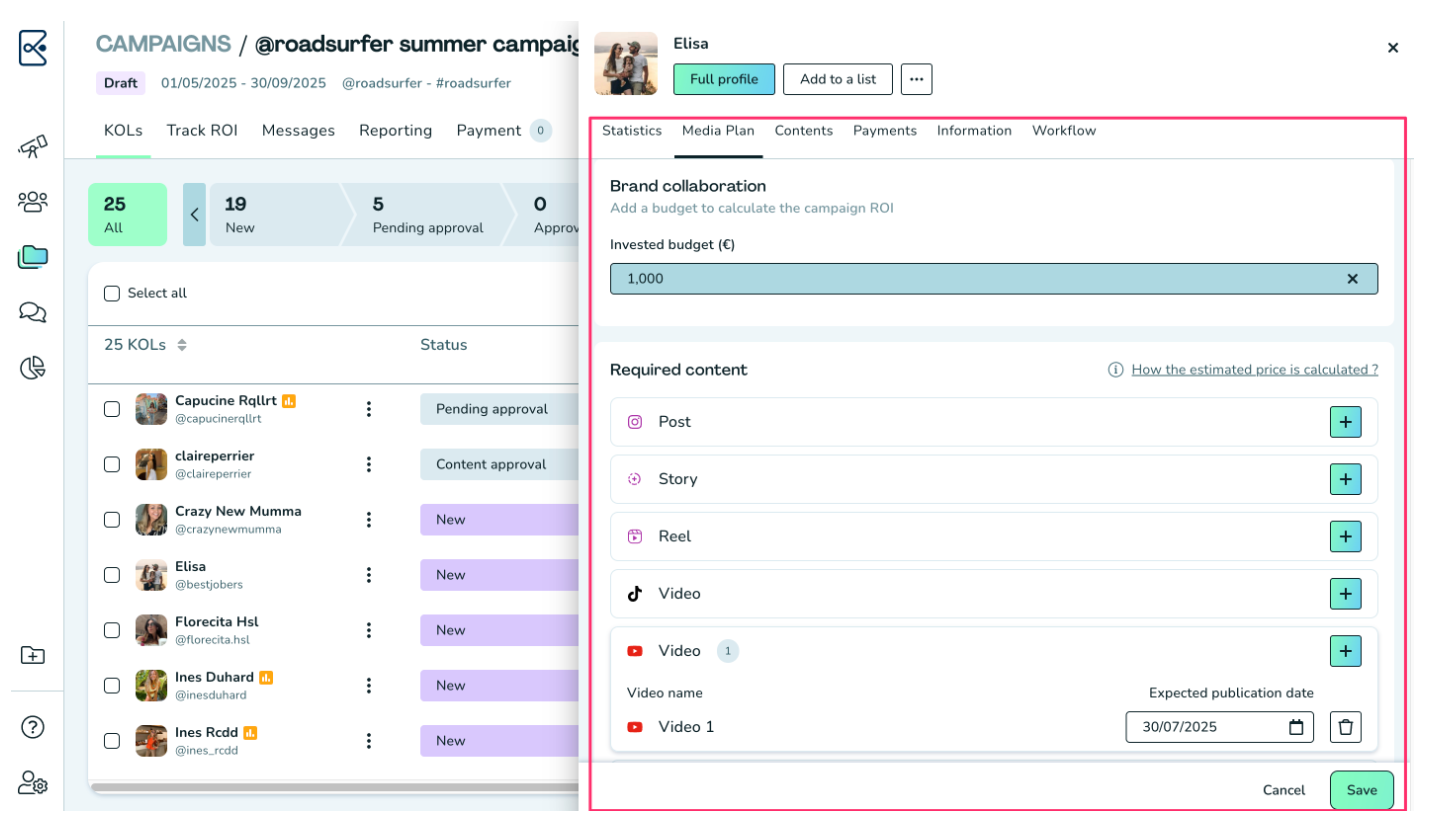
However, scaling your influencer strategy globally requires a platform that manages the entire lifecycle, something Kolsquare doesn’t provide on a worldwide scale. Marketing leaders look for alternatives to Kolsquare because they need more than just a regional tool, they need a workflow solution that supports a complete, global influencer marketing plan.
Some key limitations driving this search include:
Limited database scale: Kolsquare is capped at roughly 5 million European-centric creators, limiting global or highly niche discovery.
High entry cost and rigid contracts: Strict annual lock-ins and premium pricing (often starting at €500+ a month just for basic discovery) gatekeep scaling brands.
Missing integrations: Integrations are largely limited to Shopify, with no native support for WooCommerce or Magento.
Fragmented workflow: Lack of owned social media publishing tools to unify influencer content with internal brand calendars.
To prove the value of your efforts, you require a tool that handles the full spectrum of influencer campaigns worldwide. We’ve compiled a list of the top 7 Kolsquare alternatives to boost your influencer marketing strategy.
Influencity is the all-in-one influencer solution built for marketing leaders who focus on measurable ROI, strategic campaign management, and data-driven creator partnerships across the globe.
/EN/home-alternating-content-irm-image-composition.webp?width=2304&height=1440&name=home-alternating-content-irm-image-composition.webp)
Unlike point solutions that focus only on regional discovery, Influencity’s platform positions your brand to execute a sophisticated influencer strategy from global search to final conversion tracking.
Where Kolsquare limits you to roughly 5 million predominantly European creators, Influencity opens the doors to over 350 million global profiles across Instagram, TikTok, and YouTube. This makes it infinitely easier to find hyper-niche influencers in the US, LATAM, APAC, and beyond.
/find-influencers-alternating-content-four-image-composition.webp?width=1728&height=1080&name=find-influencers-alternating-content-four-image-composition.webp)
Plus, with a dedicated Chrome extension, you can grab metrics and verify creator data on the fly while browsing directly on social platforms.
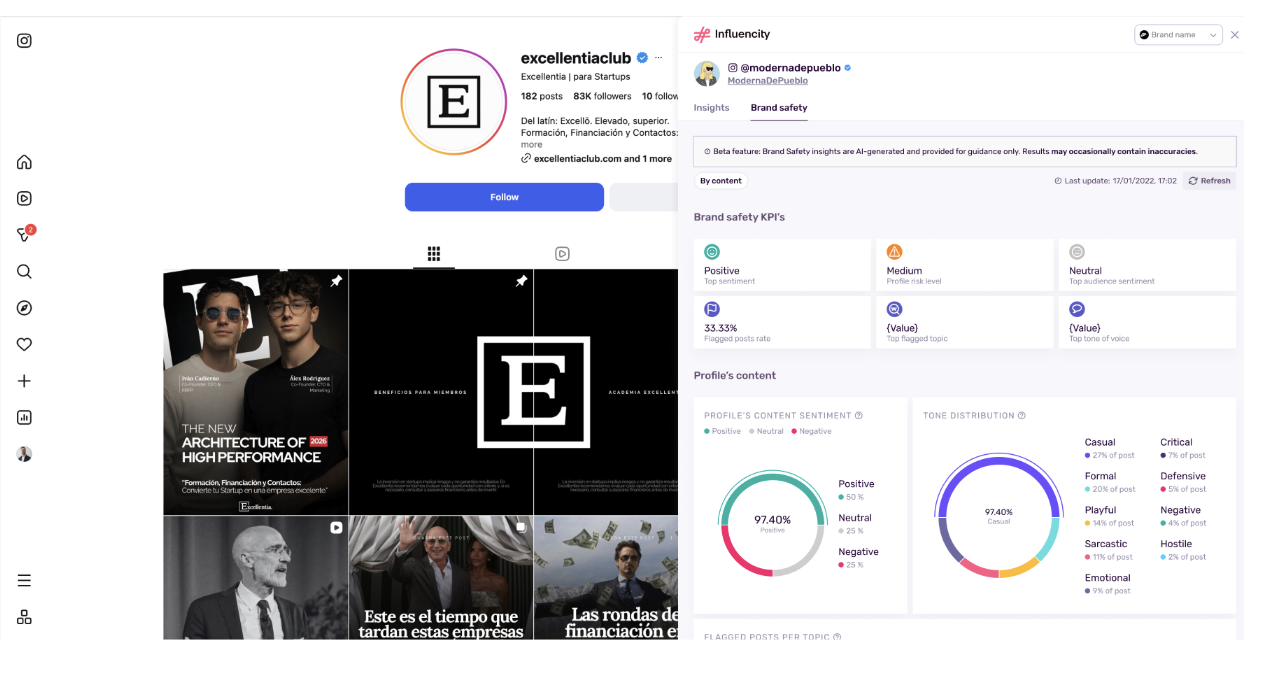
Users moving away from Kolsquare frequently complain about email deliverability issues and sudden sending blockages. Influencity solves this with powerful bulk outreach tools that let you contact influencers at scale using highly personalized templates.
/influencer-outreach-hero-image-composition-sequences_1.webp?width=1728&height=1080&name=influencer-outreach-hero-image-composition-sequences_1.webp)
You can easily build automated email sequences to nurture relationships, for example, setting a follow-up to trigger two days after your initial pitch. Crucially, these sequences automatically stop the moment an influencer replies, keeping your outreach professional and human.
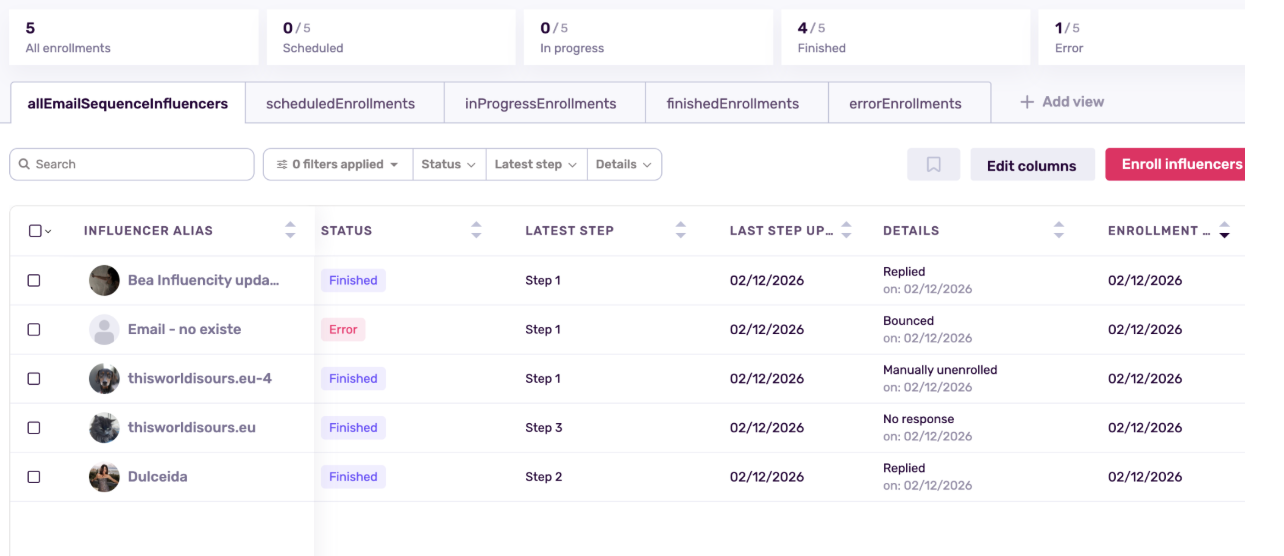
Say goodbye to manual screenshot chasing. Influencity automatically captures and tracks every public post, Reel, TikTok, and even 24-hour Stories in real-time. Before any campaign goes live, teams can leverage an effortless content validation workflow to review and approve deliverables, ensuring every piece of creator content perfectly aligns with brand guidelines before publication.
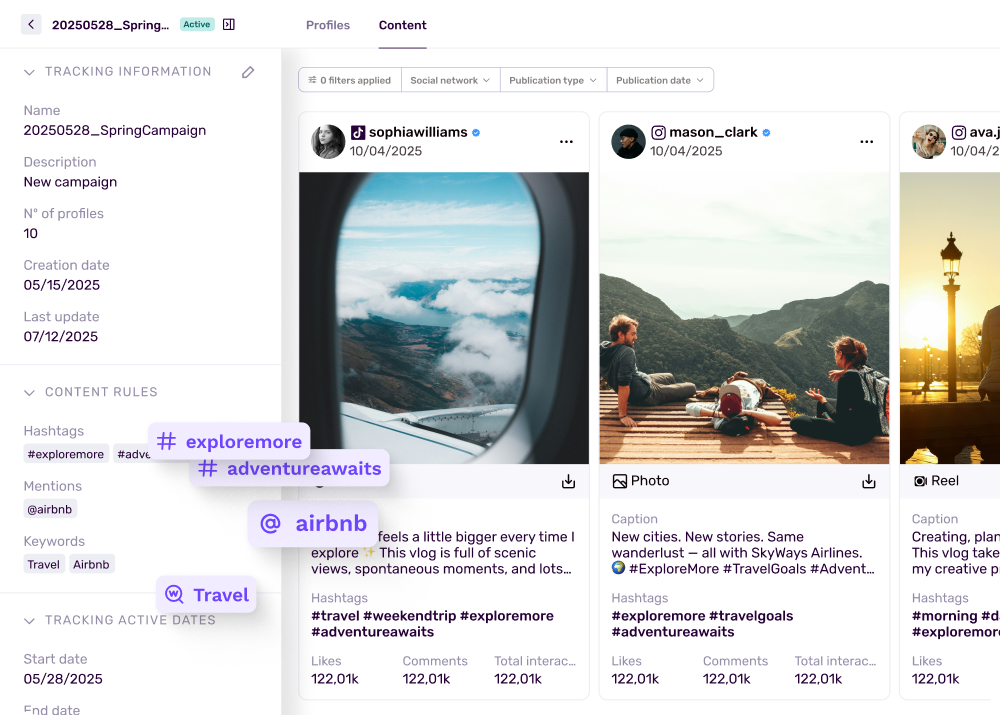
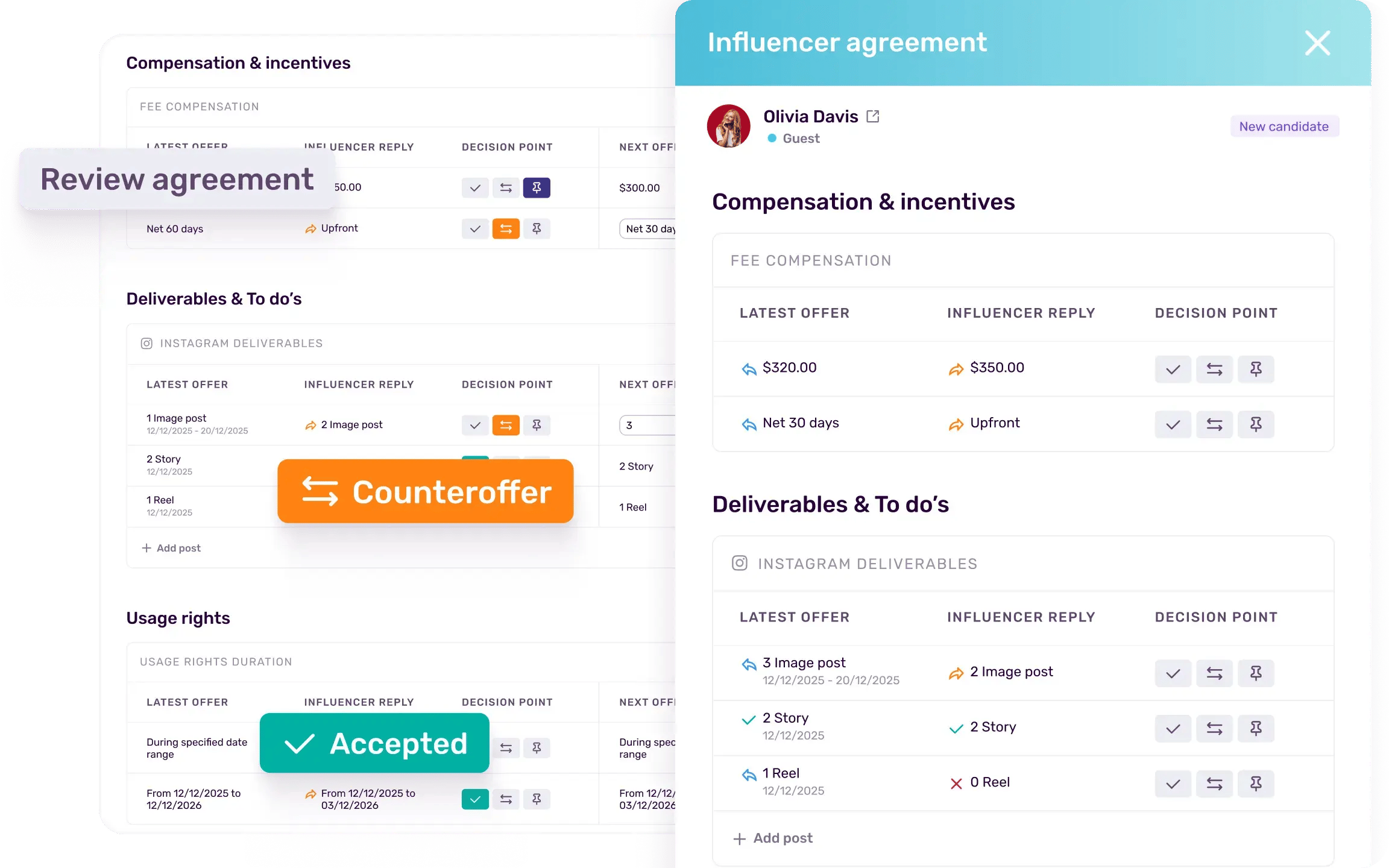
The biggest gap for many searching for Kolsquare alternatives is the post-discovery workflow. Influencity addresses this by providing a comprehensive Influencer CRM. You can manage your projects via visual Trello-style pipeline boards, create briefs, share casting calls, negotiate, track and validate content and analyze detailed campaign reports all in one place.
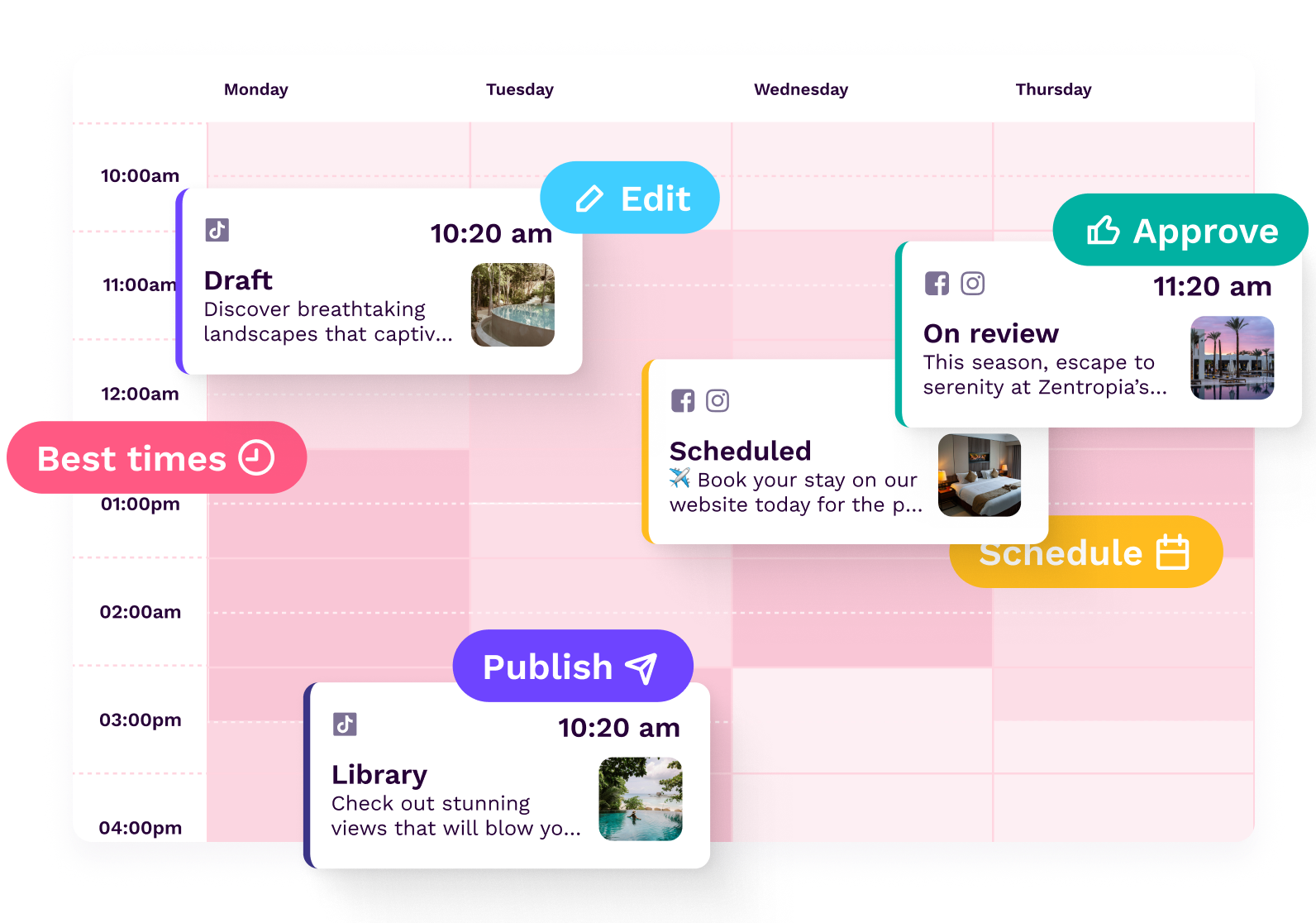
Uniquely, Influencity allows you to schedule your owned brand content directly to your social feeds from the same platform, replacing standalone social media schedulers and breaking down silos between your creator content and owned media.
Best for brands and agencies looking to consolidate their influencer tracking, automated outreach, and social media publishing into a single, cost-effective hub with massive global search capabilities.
Unlike Kolsquare's strict lock-ins, Influencity offers competitive pricing and allows for flexible billing.If you are leaving Kolsquare because you need deeper, high-level enterprise benchmarking rather than just discovery, Traackr is a formidable alternative. Built for experienced marketing teams, Traackr focuses heavily on long-term relationship management and advanced performance metrics.
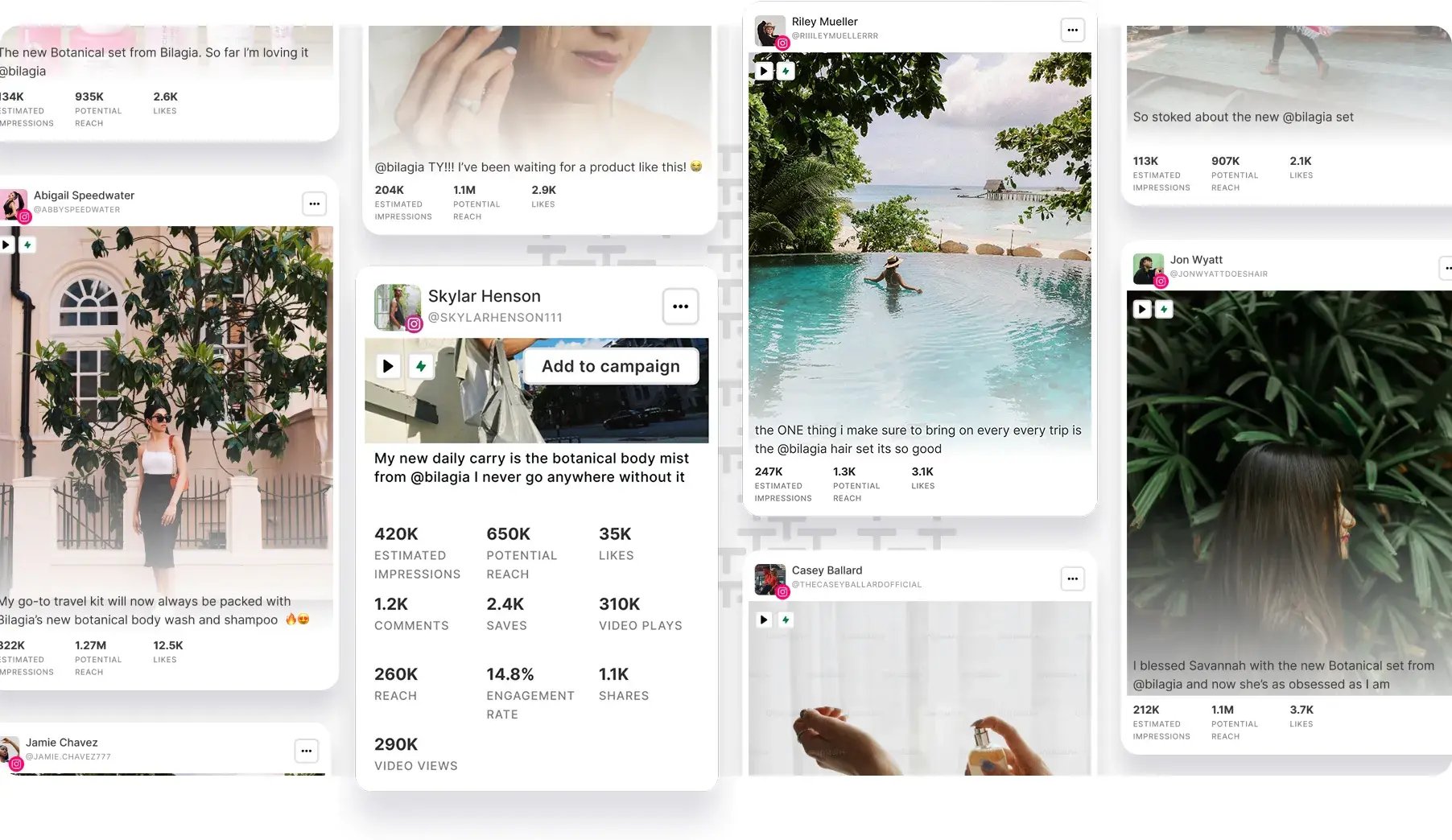
Traackr provides deep spend tracking, audience analytics, and brand safety features. It excels in competitive intelligence, offering a proprietary Brand Vitality Score (BVS) and advanced ROI benchmarking to compare your campaigns directly against industry peers.
Cost-wise, Traackr is a premium enterprise solution, with plans typically starting around $32,500 per year.

Keep in mind that Traackr's database sits around 6 to 13 million profiles. If your strategy relies on high-volume discovery across emerging markets or niche categories, a platform like Influencity, which indexes over 350 million profiles globally, provides significantly more sourcing power without the enterprise price tag.
For teams that feel Kolsquare's outreach capabilities are too manual, Influencer Hero steps in with deep CRM automation.
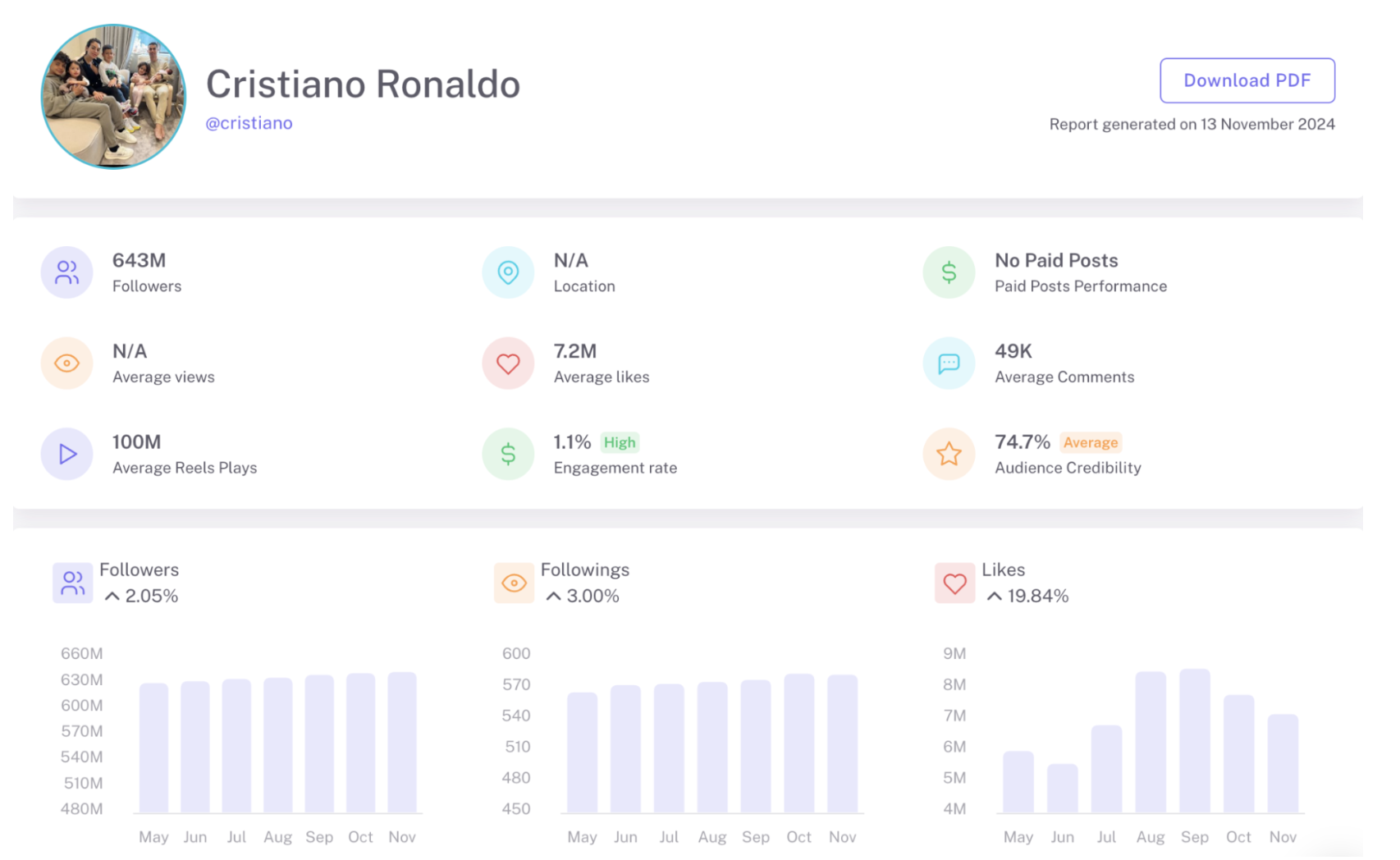
Influencer Hero excels at high-volume outreach, allowing brands to set up smart templates, multi-step email drip sequences, and AI-driven personalization. It also features a strong affiliate tracking through Shopify and WooCommerce integrations.
Plans start at $649 per month for up to 1,000 creators.
While Influencer Hero is fantastic for cold outreach, it lacks owned media tools. Brands looking to consolidate their tech stack often prefer Influencity, which pairs an unparalleled influencer CRM.
GRIN is widely considered the heavyweight champion for pureeCommerce integration. While Kolsquare offers basic Shopify connectivity, GRIN integrates easily across Shopify, WooCommerce, and Magento.
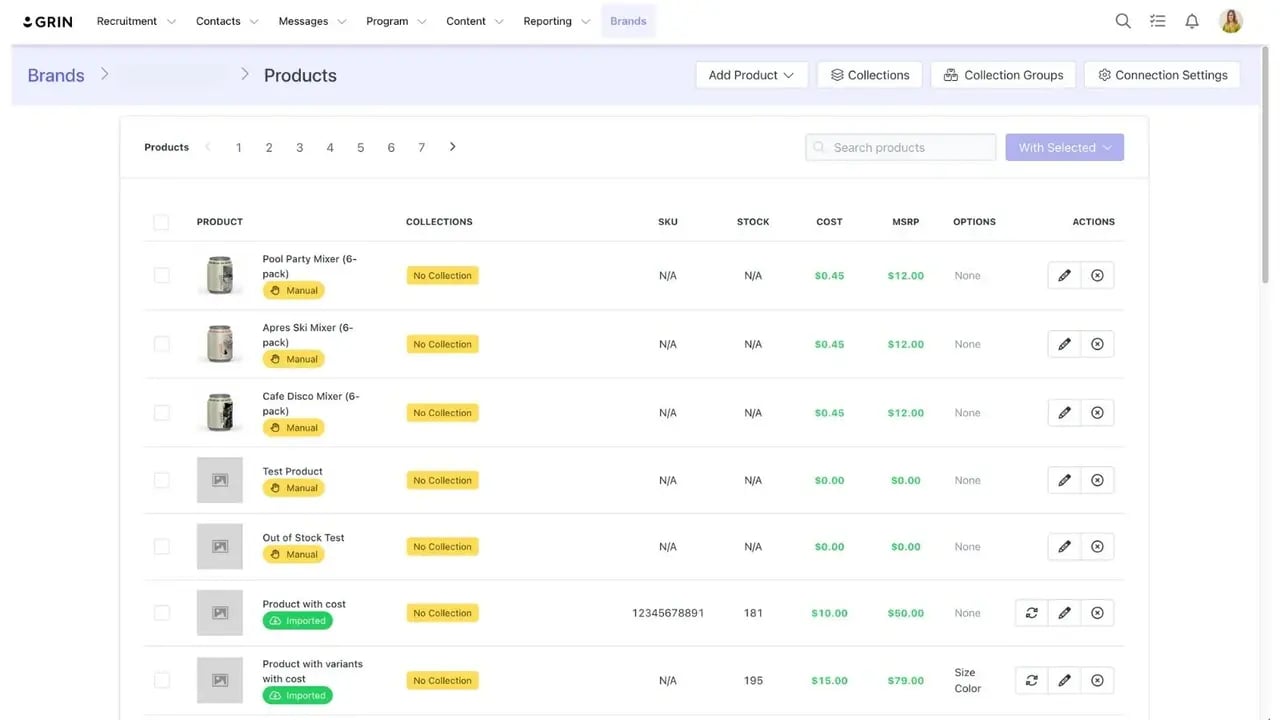
GRIN is purpose-built to handle the physical logistics of product seeding. It tracks inventory, automates shipping to creators, manages affiliate commission payouts, and ingests influencer content into a brand library.
GRIN requires a heavy enterprise commitment, starting around $2,500 per month (or $25,000+ annually).
The trade-off with GRIN is its reliance on an opt-in creator network, which inherently limits discovery. For brands that want the logistical eCommerce tracking of Shopify but refuse to be limited by a closed network, Influencity's open database that offers a much wider net for a fraction of GRIN's annual cost.
/influencer-database-alternating-content-one-image-composition%20OPT.webp?width=1728&height=1080&name=influencer-database-alternating-content-one-image-composition%20OPT.webp)
Upfluence takes a highly unique approach to creator discovery by focusing on your existing network. Through direct integrations with Shopify and Amazon, Upfluence scans your actual customer database to identify existing buyers who happen to have large social followings. This allows you to recruit brand ambassadors. It also offers affiliate promo code tracking.
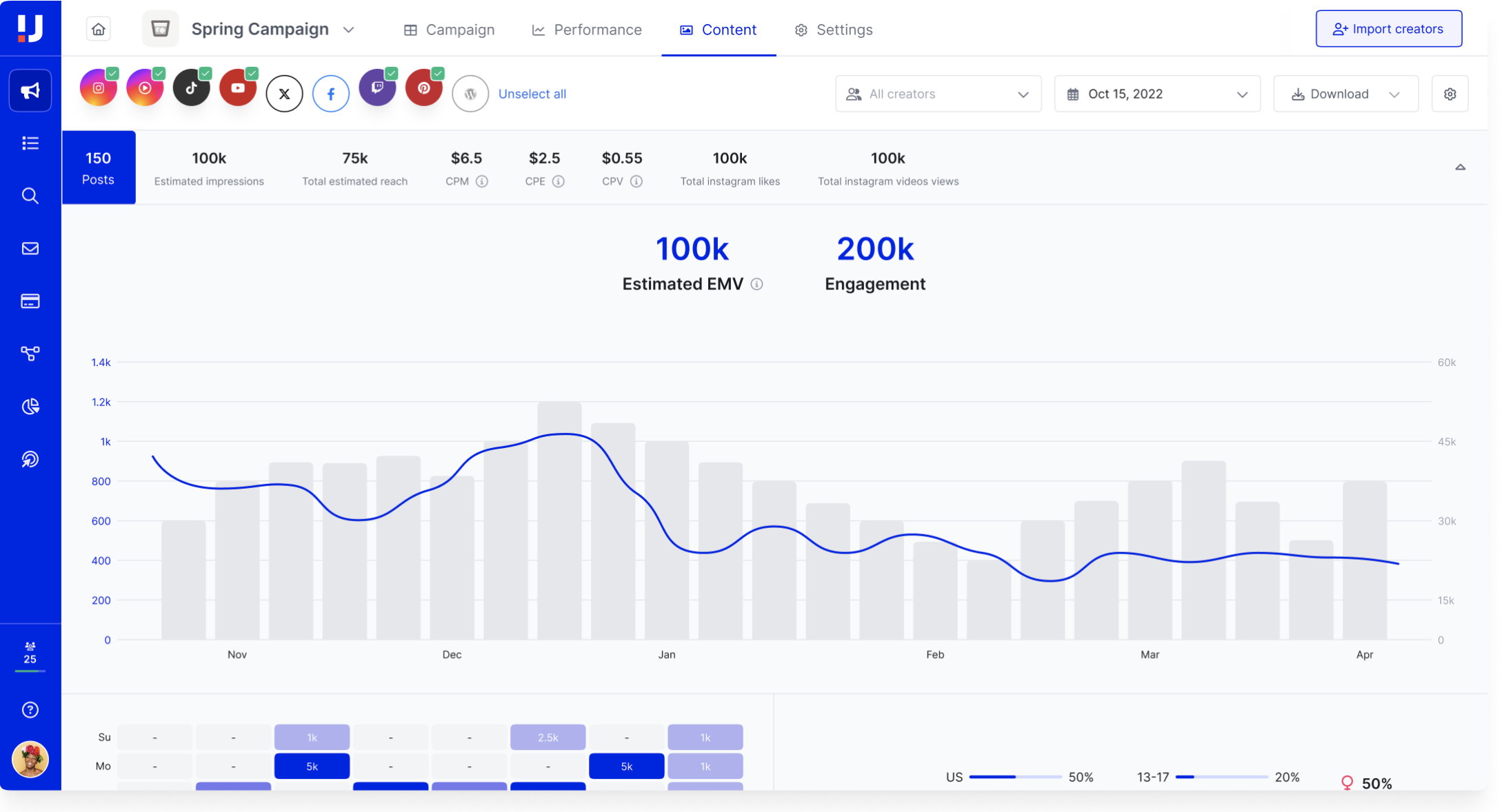
Their pricing starts at $1,276 per month on an annual contract.
Mind that Upfluence requires an annual commitment. For growing brands that need to scale software expenses alongside seasonal campaigns, Influencity's billing flexibility offers a much less restrictive alternative while boasting a discovery pool over 15 times larger than Upfluence's 12 million profiles.
/instagram-influencer-alternating-content-one-image-composition_1_1_1%20OPT.webp?width=1728&height=1080&name=instagram-influencer-alternating-content-one-image-composition_1_1_1%20OPT.webp)
If you are leaving Kolsquare because your organization requires Fortune 500-level governance, CreatorIQ is the industry standard.
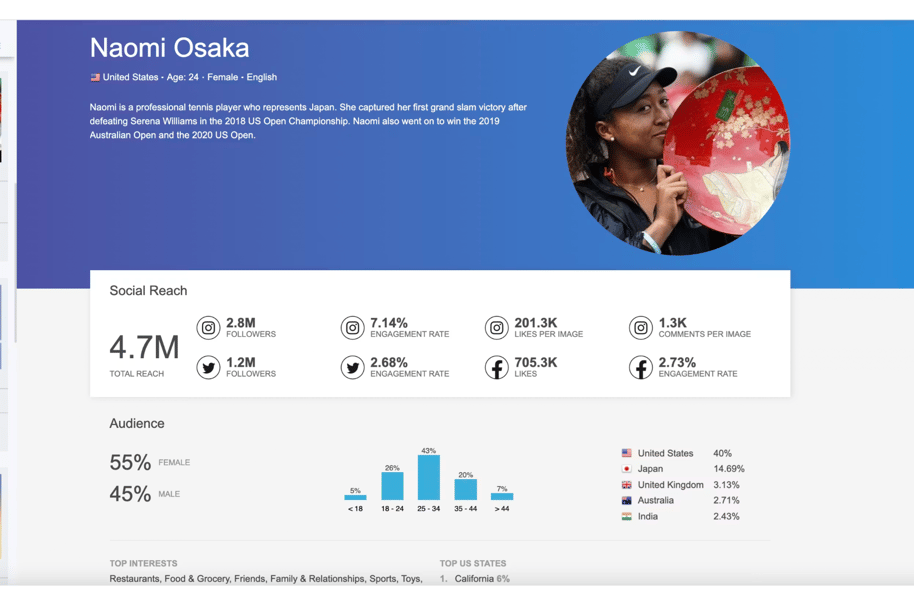
CreatorIQ provides API-backed data directly from social networks. It offers brand safety compliance workflows, global payments, and white-labeled reporting dashboards for sprawling, multi-national teams.
Cost-wise, they offer enterprise pricing plans, typically starting around $35,000 per year.
While CreatorIQ's governance is excellent, its base price is prohibitive for many. Mid-market teams can achieve similar visual pipeline management and CRM depth using Influencity, which scales flexibly from a less expensive subscription.
While Kolsquare has shifted aggressively toward predictive social listening following its Storyclash merger, Sprout Social remains as a better choice for brands wanting to merge influencer management directly with traditional social media community management.
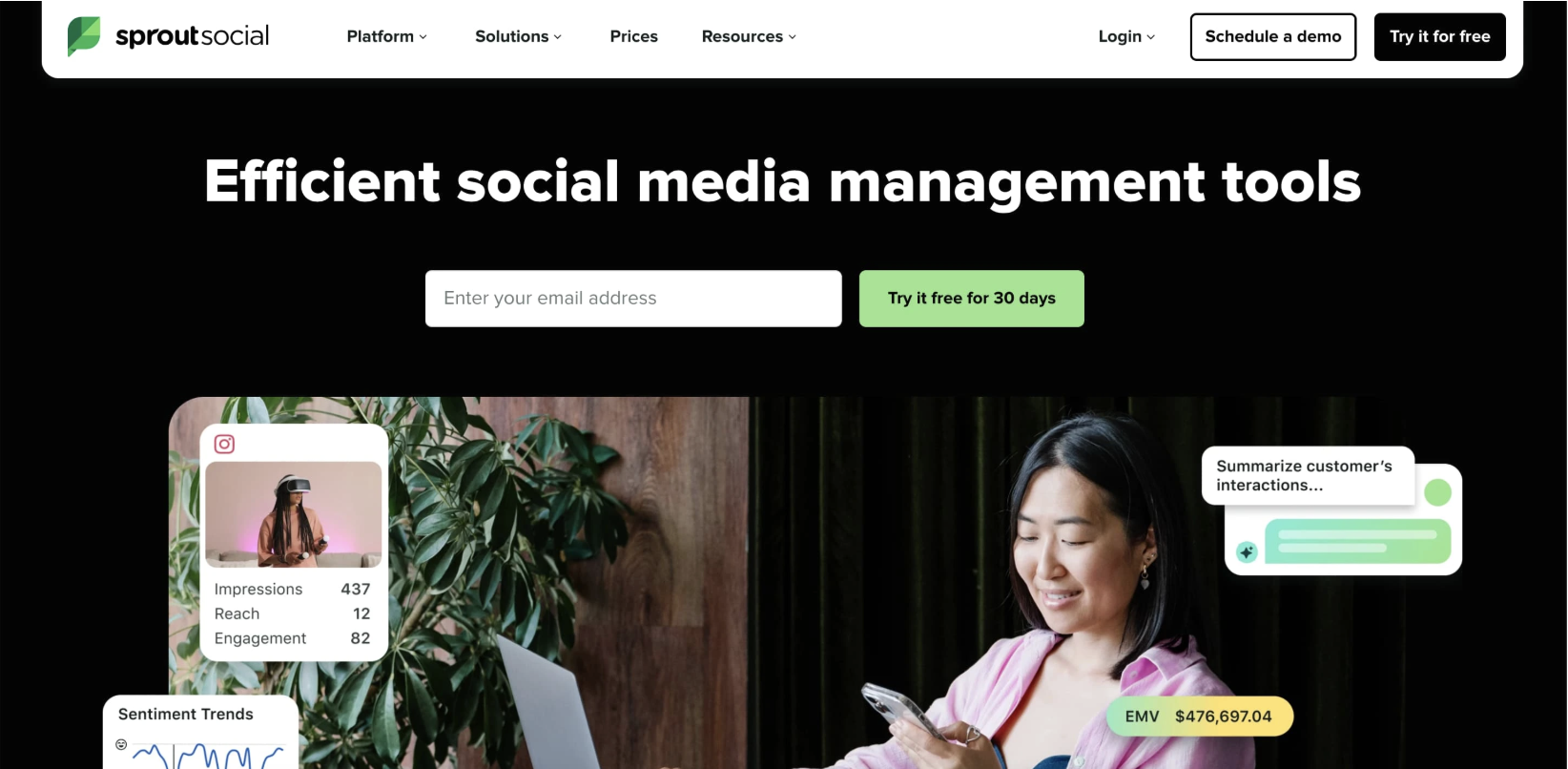
Sprout Social offers unified social inboxes, brand-fit scoring for creators, and competitor benchmarking.
Pricing is steep, typically requiring $249 per user for the core social tool, plus an additional $1,599 per user per month for the influencer marketing module. Sprout Social's add-on approach makes influencer marketing a costly premium feature.
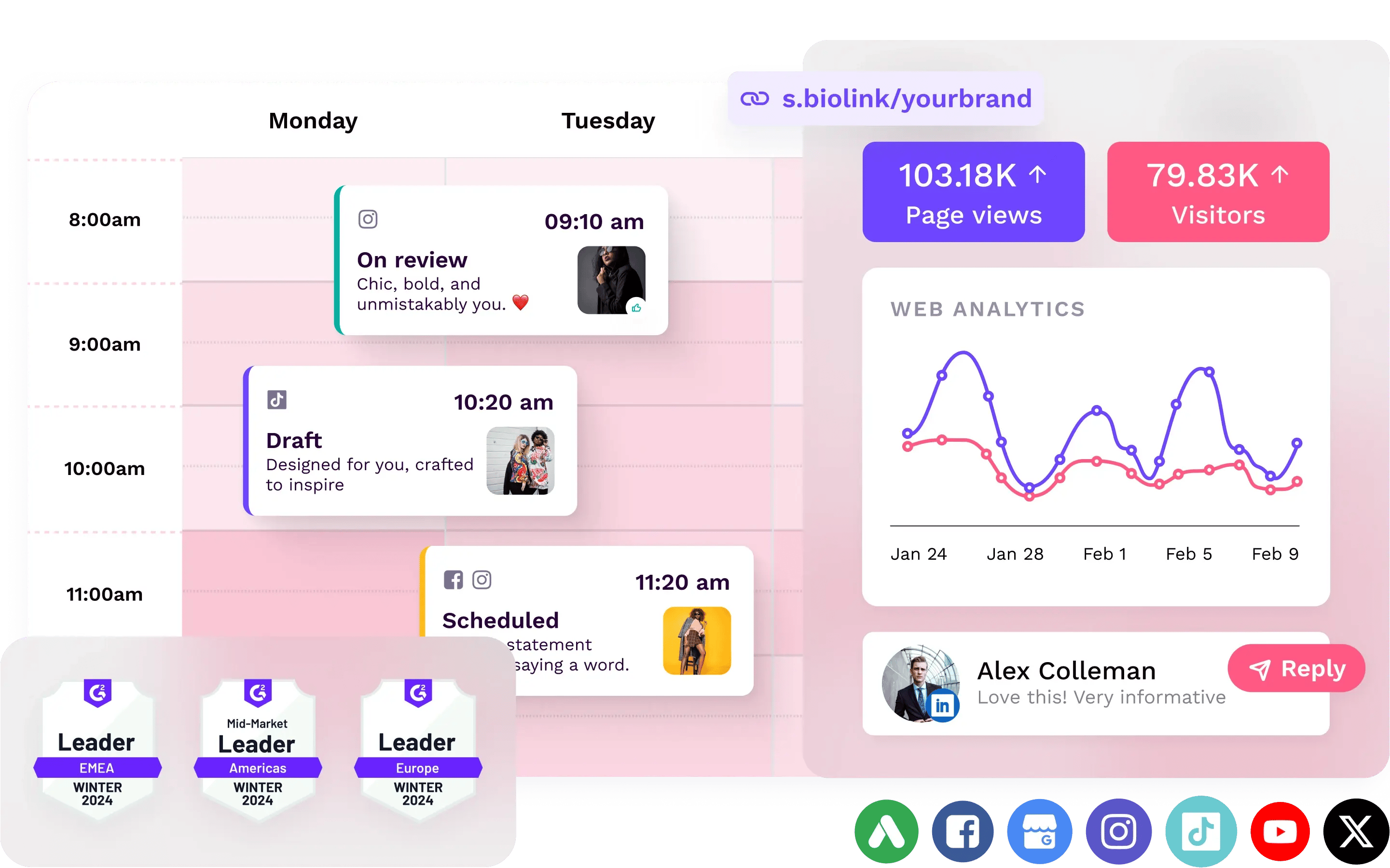
Conversely, Influencity flips this model, it is an influencer-first platform that includes an entire social media management suite at no massive upcharge, giving you the best of both worlds for leaner teams.
If your operations are strictly limited to the DACH and French markets and you have the budget to support €10k+ annual contracts, Kolsquare's recent European consolidation makes it a highly viable compliance tool.
However, if you want to bypass the database limitations of regional platforms and scale globally without breaking the bank, Influencity stands out as the smartest choice through offering 40 times the creator discovery power, deeply customizable CRM pipelines, and integrated social media publishing, Influencity provides the operational depth modern brands need, supported by a pricing model that scales with you.
/analyze-influencers-alternating-content-four-image-composition.webp?width=1728&height=1080&name=analyze-influencers-alternating-content-four-image-composition.webp)
The best alternative depends on your business needs. If you're looking for a platform that combines AI-powered creator discovery, campaign management, Influencer Relationship Management (IRM), Social Listening, ecommerce integrations, social media management and advanced reporting, Influencity is one of the strongest alternatives to Kolsquare. It helps brands and agencies manage the entire influencer marketing lifecycle from a single platform.
Both platforms help brands discover influencers and manage campaigns, but they take different approaches. Kolsquare focuses primarily on creator discovery, while Influencity combines creator discovery with AI-powered search, audience intelligence, Influencer Relationship Management (IRM), Social Listening, ecommerce integrations, audience overlap analysis, and social media management, giving teams a more comprehensive workflow.
A larger creator database increases your chances of finding niche creators and scaling internationally. Influencity provides access to more than 350 million public creator profiles across Instagram, TikTok, and YouTube, allowing brands to discover creators based on audience demographics, interests, brand affinity, engagement quality, and many other criteria.
Kolsquare is widely used across Europe and performs well in many markets. However, brands expanding globally often require broader creator coverage, multilingual discovery, and more advanced audience segmentation. Influencity's global database and AI-powered discovery engine make it easier to identify creators across multiple countries, languages, and niche audiences.
AI has become one of the biggest differentiators between influencer marketing platforms. It helps brands discover creators faster, identify lookalike influencers, analyze audience quality, detect fake followers, estimate campaign performance, and automate repetitive tasks. Influencity integrates AI throughout the platform to improve creator discovery, campaign planning, and reporting.
Curated databases can offer an additional layer of profile verification, but they may also limit discovery opportunities. Open databases like Influencity's provide access to more than 350 million public creator profiles, giving brands greater flexibility to find emerging creators, niche influencers, and international talent without being restricted to a closed network.
Agencies often need more than influencer discovery. They require campaign collaboration, customizable reporting, creator CRM, approval workflows, and client-friendly dashboards. Influencity allows agencies to centralize creator relationships, manage multiple campaigns simultaneously, automate reporting, and collaborate across teams without switching between different tools.
The most effective influencer marketing platforms go beyond engagement metrics. They help brands measure reach, engagement, conversions, affiliate sales, discount code usage, earned media value (EMV), and revenue attribution. Influencity combines campaign reporting with Shopify integrations and advanced analytics, making it easier to connect creator activity with business results.









%20and%20How%20Can%20They%20Benefit%20Your%20Brand%20article.jpg?length=628&name=What%20Are%20Key%20Opinion%20Leaders%20(KOL)%20and%20How%20Can%20They%20Benefit%20Your%20Brand%20article.jpg)