

Have you ever seen those viral ‘Gym owners in January’ internet memes? A new year begins, and the time-honored tradition of ‘New Year’s Resolutions’ gives everyone a renewed motivation to jump-start their fitness journeys.
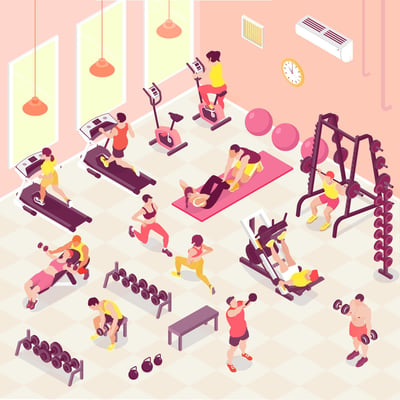
January is the month we go all-in on our fitness goals – signing up for gym memberships, consuming fitness content on social media, and buying new workout clothes.
Thanks to this phenomenon, the fitness industry gets an excellent start to the year. The challenge, however, comes later down the road, when the novelty of these fresh resolutions starts to wear off.
According to data from the Health & Fitness Association, as cited by Glofox, around half of gymgoers cancel their memberships within the first six months. This reveals where the fitness industry’s primary focus needs to be: retention, rather than acquisition, since that is where the ultimate challenge lies.
To maintain the momentum of the January surge, sports and fitness brands need a strategic Q1 marketing strategy that isn’t reliant on temporary motivation. On that note, this piece will look into some proactive steps fitness and activewear brands can take, highlighting key influencer marketing strategies that are more retention-focused.
At the end of 2025, when Statista surveyed U.S. customers about their New Year’s resolutions for the upcoming year, 48% of respondents reported that their goal is to exercise more, with another 44% vowing to eat healthier, and 31% specifically focusing on weight loss. Historically, fitness-related resolutions have consistently ranked at the top as people list their goals for an upcoming year. So, this 2025 finding didn’t come as a surprise.
Naturally, this seasonal fitness trend would also spill over into social media. As the year ends, our social media feeds are always filled with fitness content – from people sharing their New Year fitness goals to users motivating one another to shred their unwelcome festive pounds.
A surge in content like “January Challenge”, “New Year, New Me”, “2026 Fitness Goal”, etc., would motivate users to make a beeline for the gyms. But once this burst of motivation fades and reality sets in, the optimism often fizzles out. As a result, the fitness industry typically experiences a revenue dip during the transitional months between the first two quarters.
This dreaded ‘March Slump’ happens due to a variety of reasons:
Picture this: the year’s about to end, you see some motivational ‘New year, new me’ posts on social media, and excitedly set a fitness goal for the upcoming year. The year starts, the journey begins, and you soon realize how much work this goal actually demands. You began your journey with a vision of yourself in a fitter, more ‘ideal’ body in the near future, but results don’t come as quickly as you imagined.
This experience can be extremely demotivating for people with ambitious New Year goals.
Next comes the summer slump. Once summer arrives, people who pushed through the March slump to get their ‘summer bodies’ are either vacationing or enjoying other summer activities instead of working out.
As it stands, many January fitness goals are made with a specific target in mind: ‘the summer body’. Whether you achieve this goal or not, once the big event that drove you to start working out passes, you might no longer feel the need to continue.
This shift in motivation, compounded by the challenge of staying consistent in extreme weather conditions, can easily lead people to abandon their fitness goals altogether by July.
For fitness-related businesses, riding the wave of the January motivation surge may seem tempting. But making bank at the beginning of the year is meaningless when you cannot retain this attention.
Here’s how it usually plays out: you partner with a mega-influencer who can influence thousands of people to start the year with a fitness goal. Their audience, excited about the promise of a brand new year, swarms your stores and websites with orders. Then March comes, the hype dies down, and sales dip.
For activewear brands, keeping these seasonal wellness trends in mind is crucial to developing a game plan that doesn’t fall apart as the year progresses. In light of this, let’s look at a few suggestions brands can keep in mind to avoid this seasonal lull.
Your Q1 marketing strategy sets the tone for the upcoming quarters. Get it right, and you have a loyal customer base to support you through the rest of the year. On the other hand, a Q1 strategy that solely hinges on the New Year fitness hype will deliver a temporary surge that vanishes as motivation declines.
Partnering with an influencer who fits your niche is a must for any influencer marketing campaign. But keep in mind that niche alignment is the bare minimum, whereas a robust influencer selection checklist comes with multiple layers for further refinement.
You will find a wide variety of influencers, even within a single niche. For instance, while some fitness influencers may regularly produce widely shareable fitness-related content with broader appeal, others keep their content focused within a narrower territory. Closely aligning your partnership decisions with your specific campaign goals is the key to ensuring influencer collaborations that drive long-term impact.
To illustrate, influencers who can expose your brand to a broad audience can be powerful partners in driving your top-of-the-funnel goals. However, if the goal is to drive retention and loyalty, you’d have better luck with influencers whose content consistently attracts engagement year-round.
Successful marketing starts with identifying the right target. Even if a fitness influencer seems to check all the right boxes at first – a large follower base, regular fitness content, good brand alignment, etc., their audience quality can tell a different story.
A massive follower count is impressive, but how many of those followers actually engage with their content? This is the question you should ask before any deal is signed.
Influencers who routinely share workout tips and gym hacks, rather than relying on mere seasonal hype, will attract audiences who remain dedicated to their fitness journeys year-round. This dedication is what drives retention and long-term impact.
An effective and enduring fitness influencer marketing strategy needs the foresight to prepare for upcoming seasonal slumps. With any campaign content you put out, make sure the content direction prioritizes endurance over novelty. Rather than cashing in on the New Year hype through January-specific content and calling it a day, use your influencer roster to build year-long fitness rituals. Content styles that emphasize consistency and dedication over temporary virality will produce a more grounded and durable impact.
For instance, rather than chasing virality with an ambitious ‘January challenge’ campaign, you can partner with someone with a loyal following to launch realistic, well-structured programs that can last throughout the year.
The fitness landscape on social media is growing increasingly saturated. With thousands of gymgoers and fitness enthusiasts documenting their workout routines every day, even the best content can easily get lost in the noise. Hence, tapping into niche workout categories with specific targets can be an excellent way to generate meaningful visibility.
Fitness creators and coaches whose profiles are dedicated to workout routines for niche audiences, such as postpartum recovery, POTS-friendly workout, PCOS-friendly workout, etc., can provide a more refined audience for impactful results.
Rather than creators whose fitness tips and routines are more generalized, these niche creators can connect with their audience on a more distinct and personal level. This specificity can ensure consistent activity throughout the year.
As we’ve illustrated earlier, the endurance of your fitness influencer campaign depends on how precise you are in the influencer selection and briefing process. To achieve this precision, you’d need advanced data-driven analytics and filters.
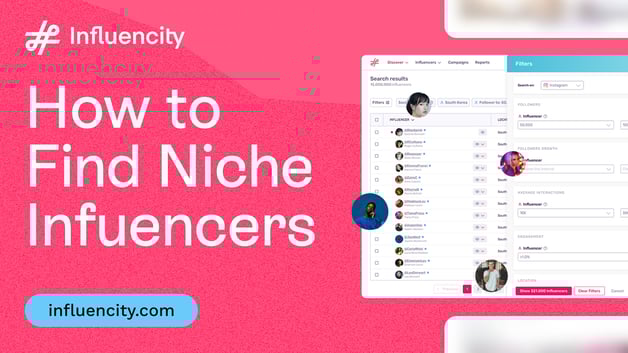
Here’s where influencer marketing platforms like Influencity can help: with 30+ precision filters and influencer analysis tools, Influencity lets you search an expansive database of influencers across multiple social media platforms, tiers, and niches. These advanced data-driven discovery tools give you the precision you need to identify influencers who fit your campaign goals. For instance, if your primary goal is retention and year-round visibility, you can select influencers based on:
Save Rate: According to our influencer marketing predictions for 2026, users are increasingly drawn to comfort creators over high-hype content. With this shift, the save rate is becoming one of the most important engagement signals determining content quality. Additionally, from workout routines to exercise tips, the save rate indicates how useful viewers find your fitness content.
Fitness influencers who produce content that users can save and keep revisiting will generate year-round activity.
For activewear brands, seasonal wellness trends provide the perfect opening for customer acquisition, but without a farsighted acquisition strategy, these new customers can disappear just as quickly as you gained them. While our current digital landscape requires us to keep up with (and leverage) trends, the danger comes when our entire marketing strategy rests upon them.
To start the year with a more intentional approach, fitness and activewear brands can shift their focus from temporary hype to consistency and retention. Using influencer marketing platforms for a comprehensive influencer profile analysis and content tracking, these brands can refine their campaigns to cultivate partnerships based on intent signals rather than raw visibility.
Video Completion Rate (VCR) is a social media marketing metric that measures the percentage of viewers who watch your campaign video from start to finish.
Since fitness content typically features workout routines and pro tips, the number of saves tells you how useful users find your content. High save rates for fitness content signal trust and meaningful engagement.
An effective Q1 marketing strategy is built with the entire year’s marketing trajectory in mind. Rather than solely relying on seasonal trends, the job of a good Q1 strategy is to lay the groundwork for the upcoming quarters.
Sports and activewear brands can prioritize quality metrics, such as engagement quality, interest signals, audience sentiments, etc., in their influencer selection to drive durable results.
From 30+ smart filters to engagement quality analysis, Influencity offers every tool you need to refine your search for specific campaign objectives.











%20and%20How%20Can%20They%20Benefit%20Your%20Brand%20article.jpg?length=628&name=What%20Are%20Key%20Opinion%20Leaders%20(KOL)%20and%20How%20Can%20They%20Benefit%20Your%20Brand%20article.jpg)