

If you’ve ever felt a little uneasy about some “family content” online because it seemed exploitative, you’re not alone. From YouTube kid influencers who’re made to churn out video after video to family channels that don’t hesitate to film their kids’ most vulnerable moments for all the world to see, the parenting and family vlogging industry can sometimes be extremely questionable.
And internet users are catching on. Amid new privacy laws and trending cultural conversations, people are becoming more wary of parenting influencers who monetize their kids’ privacy.
In this post, I explore this ethical shift and how expert-led content is replacing invasive family vlogs. I also provide practical tips on how brands in the parenting industry can adapt to this shift. Let’s get started.
As vlogging took off with the popularity of YouTube, family influencers gained prominence. They shared vlogs of their daily lives and experiences, taking their audience along on the journey. In the process, they also invited audiences into their family lives, often sharing some intimate details like their kids’ most embarrassing moments.
Kid influencer content took off, not just on YouTube but across social media platforms like Instagram and TikTok. Meanwhile, certain family channels were creating content that was borderline invasive and exploitative, especially for their kids.
Often called "sharents," a portmanteau of "sharing" and "parents," these parenting influencers frequently posted photos, videos, and personal updates about their children's lives on social media platforms. They documented everyday activities, illnesses, and private moments with a global audience.
But besides a handful of comments from concerned viewers, this type of family content still garnered tons of views and engagement until the Ruby Franke case gained global attention in 2023. Franke was the parenting influencer and family vlogger behind the “8 Passengers” YouTube channel, which amassed millions of subscribers.
She became the center of a massive controversy when she was charged with aggravated child abuse. After an extensive investigation, it was found that the YouTuber was mistreating her children mentally and emotionally, with two of them experiencing physical abuse.
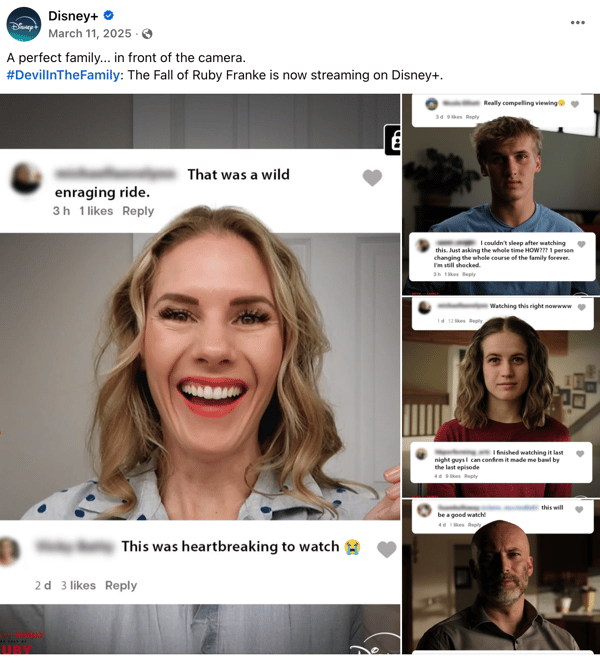
There was no evidence to suggest that the kids received any revenue generated from the channel, even though they were the main reason for its success.
The case became viral globally and raised ethical questions about the exploitation of children for online content. This led to federal and state-specific efforts to review existing child labor laws to cover kid influencers. More recently, lawmakers in Tennessee came up with a law that prohibits family influencers from monetizing content that features children under 14.
And we can expect to see similar laws and amendments geared toward protecting the privacy of children. With that comes the death of the typical vlog-style content that family influencers have been famously leveraging to gain views and engagement.
Some influencers quickly pivoted to stop showing their kids’ faces in their content. While their kids still appear in some of their content, their faces are now hidden. And while they still share bits and pieces of their family life, their kids’ stories are no longer the main focal point.
This allowed them to keep their kids protected and adapt to a world where children’s privacy and safety are constantly threatened. In the process, they’ve also managed to stay relevant, addressing ethical concerns even as public perceptions toward kid influencers and family vlogs saw a negative shift.
On that note, traditional family influencers are gradually losing their ground as social media users shift their attention away from family vlogs. And it’s not just because of laws and regulations. This shift is partly because of oversaturation in the niche and partly because of growing awareness about the ethical considerations of parents exploiting their children for views.
People are losing their trust in regular parenting influencers, especially if they create content that feels exploitative. And working with them could pose a serious brand safety risk.
Social media users are paying closer attention to the more authoritative voices that share their expertise while advocating for children’s safety and privacy (explicitly or otherwise). Think: educators, pediatricians, child therapists, sleep coaches, parenting experts, and the like.
One of the parenting influencers I follow is an expert in pediatric sleep science, who guides parents through sleep challenges in the early years.
I’ve been a long-time fan of her content, which helps me (and many other parents) realign my perspectives toward children’s sleep and comfort needs. The influencer has over 364k followers who look to her for practical guides on weaning, sleeping, and napping.
Similarly, other experts like Dr. Lauren Hughes, a board-certified pediatrician, also command a huge social media presence, boasting 714k followers. She shares expert-led content backed by personal anecdotes that resonate with audiences without ever showing her kids’ faces.
She uses her own experiences as a mother to share insights and advice that are actually practical and relatable for other parents.
As ethical marketing becomes the new “trend,” brands that target a parenting audience will need to align their influencer marketing strategies with these changes. That means working with these parenting educators instead of typical family content creators and kid influencers.
This could spell better credibility and trust for brands, as it allows you to share your messaging through reliable personalities who already have a strong standing in the space. In the process, you nurture a loyal community while maintaining brand safety.
After all, wouldn’t you rather trust sleep advice from an actual sleep expert over a regular parenting influencer? And wouldn’t you rather trust the snacks recommended by a kids’ nutrition expert over the snacks recommended by a regular parent?
Brands like Lovevery do this exceptionally well. Their content comes from a mix of parenting educators and smaller parenting influencers who are closely aligned with the brand and its values.
Instead of pushing their products and sharing ultra-promotional content, the brand shares information and education. They use creator content to tell authentic stories and provide practical ideas that inform, educate, and engage a relevant audience—people who are looking to incorporate purposeful play into their children’s lives.
Let’s break down how Lovevery powers their social media marketing strategy with content from creators and parenting educators.
Anyone who follows the Lovevery page is likely interested in purposeful play because that’s what the brand is all about. This means they’re looking for activities that are fun and easy while supporting childhood learning. That’s why the brand regularly shares simple and practical activity ideas that parents can easily incorporate into their routine.
In addition to the brand’s original content, Lovevery regularly shares ideas from real experts like @nikki__makes, a Pre-K-8 Arts Education teacher with over 10 years of experience.
As a mother herself, Nikki shares practical ideas for art-based learning that could help little ones in their learning and development. And her expertise in arts education means she speaks from a place of knowledge and experience. Lovevery shares the following video from the creator, where she suggests going on a color walk. The caption explains how to do this and why it benefits children.
What’s interesting is that Nikki isn’t a major influencer. She has just over 1,300 followers on Instagram, making her a nano-influencer. But what matters to the brand isn’t her follower count but her expertise in childhood learning and her experience as a mother, which both give her credibility to speak on behalf of the brand.
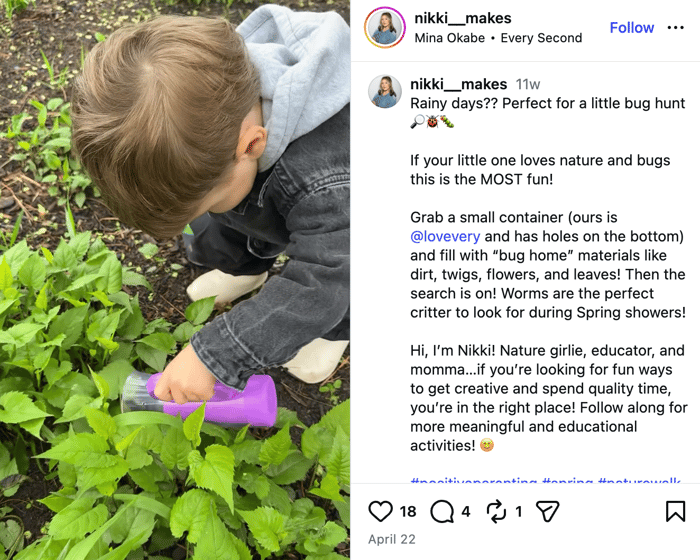
Nikki has also created content where she incorporates Lovevery’s product into their activities. See how she uses a container from the brand for their bug hunt. This adds authenticity to their partnership since she actually uses the brand’s product, making her a perfect brand advocate.
The goal of Lovevery is to promote purposeful play, which requires parents to also adopt purposeful strategies that support this. The brand often shares expert-backed advice on how parents can achieve this in their daily interactions with their kids—whether it’s allowing children to struggle or letting them get messy.
And to produce this virtually endless stream of advice, the brand taps into its community of experts, which includes Dr. Maral Amani—a pediatric PT and mom who has the credibility and expertise to speak on topics related to child learning and development.
In the following post, Dr. Maral shares the small things she does on purpose to support her son’s development. Her advice is practical and simple enough for parents to incorporate into their daily lives. For each piece of advice, she explains why it’s important, helping bring clarity for parents who are looking to implement it.
Like the previous creator, Dr. Maral has also used Lovevery products into her kid’s activities. The brand’s reliance on actual brand advocates helps them nurture a strong and loyal community that actively creates content featuring their products.
Lovevery also shares the occasional promotional content, typically featuring an expert who shares their genuine review and experience with a specific product. In the following video, Shannon Bouchard, a Doctor of Occupational Therapy, reviews a book set from the brand, explaining the contents and why it’s important for child development.
Her professional knowledge gives her the credibility to vouch for the product, while her experience as a mom adds relatability. She isn’t speaking from her experience as just another professional but as an expert who actually understands the parenting experience.
And as an influencer with over 31k Instagram followers and 140k TikTok followers, Shannon’s content has the potential to reach a huge audience that’s genuinely interested in the brand’s products.
Lovevery doesn’t intend to limit parents and their children to one-dimensional play structures. They encourage creativity and out-of-the-box thinking. This also reflects in the creator-generated content they share, which often demonstrates ideas on how to repurpose or customize their products to inspire other parents.
The following video shows how a parent customizes the brand’s Circle of Friends puzzle with real pictures to help with speech and language development. The creator demonstrates the steps while the caption explains why this could help. It also provides additional recommendations from speech-language pathologists to further guide parents.
One of the best ways Lovevery exponentially boosts their reach and engagement is through giveaway campaigns backed by influencers. And instead of partnering with just one influencer, the brand maximizes the campaign’s impact with multi-influencer collabs. That way, it can simultaneously reach the creators’ audiences, drawing in more engagement and participation.
For instance, the following campaign features a giveaway contest for The Math Skill Set, with four key influencers helping to promote it. This includes:
This collaboration features a diverse yet relevant mix of parenting educators and experts whose audience base is made up of parents who are likely to be interested in Lovevery’s products. So promoting a giveaway through them will help get the brand in front of people who would ultimately want to buy the product.
People are placing their trust in parenting influencers who actually know what they’re doing, which usually means experts who are also parents. It’s not enough that someone’s an expert in the field. It’s not enough that they’re parents themselves. The best parenting influencers today are the ones who balance both and speak from a place of expertise and real-life experiences.
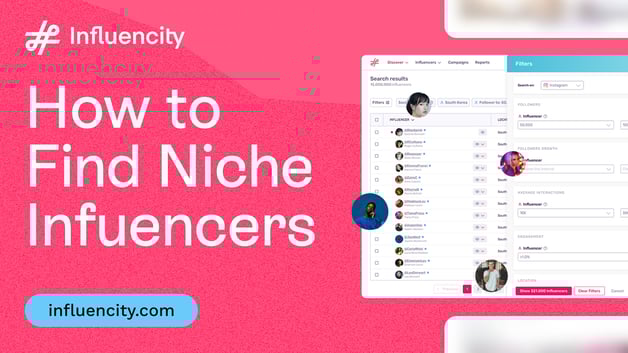
Platforms like Influencity come with bio search features to help you find influencers who are the perfect blend of both. You’ll be able to filter for keywords like “pediatrician,” “certified,” “coach,” or other expert-focused terms to find the best parenting influencers.
Dr. Becky Kennedy (@drbeckyatgoodinside), Kristin Gallant & Deena Margolin (@biglittlefeelings), and Susie Allison (@busytoddler) are some of the top parenting influencers.
Mom influencers, or "momfluencers," are popular because they offer a highly relatable blend of practical advice and emotional support, transforming everyday parenting into a shared community experience.
Family influencers (or "sharents") face significant ethical challenges, primarily centered around child exploitation, loss of privacy, and consent. By monetizing family life, these accounts transform private milestones into commercial content, often blurring the lines between healthy parenting and child labor.
Working with parenting influencers is highly ethical if the partnership prioritizes transparency, child consent, and evidence-based advice. However, it crosses ethical lines when campaigns exploit children for labor, normalize privacy violations, or promote unverified medical or developmental products to vulnerable audiences.






%20and%20How%20Can%20They%20Benefit%20Your%20Brand%20article.jpg?length=628&name=What%20Are%20Key%20Opinion%20Leaders%20(KOL)%20and%20How%20Can%20They%20Benefit%20Your%20Brand%20article.jpg)




.png?length=628&name=Pop-up%20image%201200%C3%97800@1x%20(1).png)