

In the early stages of the creator economy, simply verifying follower metrics was a standard practice. Platforms like HypeAuditor established themselves in this space by offering a risk-control layer designed to flag fake engagement and calculate basic metrics.
However, as creator marketing integrates deeper into B2B SaaS, direct-to-consumer (DTC), and omnichannel marketing strategies, teams are finding that passive auditing is only a small part of the process. Choosing an alternative to HypeAuditor in 2026 is less about finding a platform that can do campaigns and more about finding the operating model that best matches your team.
Customers have consistently complained about their overprice and poor outreach capabilities, and look for alternatives that will satisfy these issues.
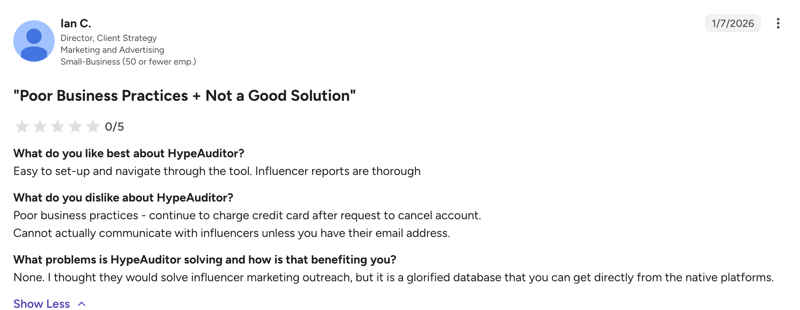
Read full review: G2
The biggest challenge with an analytics-first platform like HypeAuditor is the handoff. Marketers often find themselves vetting a creator’s metrics within the platform, only to export those names back into manual spreadsheets to handle outreach, coordinate briefs, track content, and measure conversion data.
Some teams may prioritise broader public influencer discovery. Others need owned Social Media Management, wider social and web monitoring, different ecommerce workflows or more flexible creator-payment operations.
In this guide, we compare five HypeAuditor alternatives and look at where each platform places its strongest emphasis.
Influencity is a strong HypeAuditor alternative for brands and agencies that want advanced influencer discovery and analytics alongside flexible campaign workflows, global creator payments, native Social Media Management and broader Social Listening.
Both platforms now cover much of the influencer marketing lifecycle, but their strongest areas differ. Influencity differentiates itself through a larger public creator database across Instagram, TikTok and YouTube, owned-social management through Social Hub and Monitoring that extends beyond creator-focused social feeds into wider web sources.
Before we flesh it out, here's an overview:Customers have consistently complained about their overprice and poor outreach capabilities, and look for alternatives that will satisfy these issues.
| Category | Influencity | HypeAuditor |
|---|---|---|
| Primary strength | Discovery breadth, flexible influencer campaign workflows, owned social & broader Monitoring | Audience authenticity, fraud detection & market intelligence |
| Creator database | 350M+ public profiles across Instagram, TikTok & YouTube | 227.8M+ profiles across Instagram, TikTok, YouTube, Twitch & X |
| Public creator analysis without opt-in | Yes | Yes |
| Campaign management | Yes | Yes |
| Automated email sequences | Yes | Yes |
| Inbound creator recruitment | Casting Calls and application workflows | Customisable recruitment Landing Pages |
| Audience Overlap | Yes | Yes — Instagram & YouTube |
| Campaign forecasting / planning | Yes | Yes — through Media Plans |
| Creator Vetting Proposals | Yes | No |
| Owned Social Media Management | Native Social Hub | No |
| Social Listening | Social + wider web Monitoring | Social Listening + Media Monitor across core social networks |
| Chrome Extension | Instagram, TikTok & YouTube | Instagram & YouTube |
| Creator payments | 186 countries, 143 currencies + consolidated invoicing through multiple payment methods | 200+ countries, 25 major currencies through documented PayPal workflow |
| Published standard pricing | Yes | Standard paid prices not currently published |
Here are some of the key functional advantages of Influencity over HypeAuditor:
In modern digital campaigns, creators frequently operate across multiple platforms. HypeAuditor treats platform handles as separate, unlinked entities, requiring users to review disjointed, platform-specific profiles. Influencity allows you to link multiple social handles (Instagram, TikTok, YouTube, Twitch) under a single creator card in your database, giving you an aggregate, cross-channel view of their performance.
/instagram-influencer-alternating-content-one-image-composition%20OPT.webp?width=1728&height=1080&name=instagram-influencer-alternating-content-one-image-composition%20OPT.webp)
Influencity provides access to more than 350 million public creator profiles across Instagram, TikTok and YouTube, giving you a wider pool to identify hyper-niche micro-influencers and regional partners.
HypeAuditor currently documents a database of approximately 227.8M+ creators and extends Discovery to Twitch and X as well as Instagram, TikTok and YouTube.
For teams prioritising the size of the searchable pool across the three major creator-marketing networks, Influencity provides the larger documented universe; HypeAuditor, meanwhile, covers two additional Discovery networks.
/instagram-influencers-card-irm-image-composition.webp?width=1728&height=1080&name=instagram-influencers-card-irm-image-composition.webp)
Influencity features a highly adaptable CRM style database with customizable data fields. You can tailor your creator directory to track shoe sizes, shipment states, custom contract clauses, and communication history in one central location.
/irm-all-in-on-place-image-composition%20OPT.webp?width=800&height=500&name=irm-all-in-on-place-image-composition%20OPT.webp)
You can also analyse TikTok creators while you browse their social with Influencity's Chrome Extension. HypeAuditor also has a Chrome Extension but only works on Youtube and Instagram.
Both platforms cover influencer marketing extensively, but Influencity also includes a native Social Hub for the brand's owned social channels.
Teams can plan and publish content, manage comments and DMs through a unified inbox, coordinate approvals, analyse social performance, manage paid social campaigns and create Link-in-Bio experiences alongside their influencer campaigns.
|
Feature Category |
Influencity |
HypeAuditor |
|
Primary Product Identity |
End-to-end execution, custom CRM, and unified social media operations. |
Data validation, fraud auditing, and risk management. |
|
Ephemeral Content Tracking |
Automated capture of Instagram Stories. |
Manual tracking required; no auto-monitoring for Stories. |
|
Creator Organization |
Natively links cross-channel profiles to a single creator card. |
Profiles analyzed as unlinked, separate platform records. |
|
Database Access |
Open network database tracking 350M+ profiles. |
Closed index with roughly 218.7M creator profiles. |
|
Inbound Recruitment |
Custom branded landing pages and casting call forms. |
Requires external emails or third-party web portals. |
|
Organic Social Capabilities |
Social Inbox, collaborative content calendar, and active publisher. |
Analytics only; no native publishing, scheduling, or social inbox. |
A major operational challenge in influencer campaigns is collecting ephemeral content. HypeAuditor supports Story workflows inside Campaigns, although its separate Media Monitor does not currently detect Stories. Influencity can capture Instagram Stories campaign content and preserve tracked Instagram Stories after they expire.
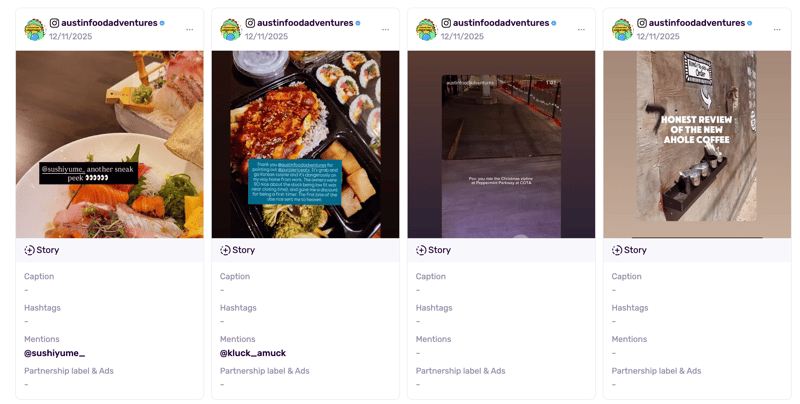
Influencity solves this issue with automated content collection, ensuring every live Story is preserved and tracked automatically.
HypeAuditor offers Social Listening for creator discovery and Media Monitor for tracking brand mentions, hashtags, keywords and competitor activity across Instagram, TikTok and YouTube.
Influencity extends Monitoring beyond those creator-focused social environments to broader social and web sources, including Reddit, news sites, blogs, forums and selected domains.
For teams that want influencer intelligence and wider brand/market monitoring in the same environment, that broader coverage can reduce the need for a separate listening platform.
Both platforms support international creator payments, but their strengths differ. HypeAuditor documents payment coverage across 200+ countries and 25 major currencies through its PayPal-based workflow. Influencity influencer payments support across 186 countries and 143 currencies, with the added ability to group multiple creator payments into one consolidated invoice.
/influencer-payments-slider-tabs-status-payments-image-composition.webp?width=1728&height=1080&name=influencer-payments-slider-tabs-status-payments-image-composition.webp)
The difference comes down to how your team operates internationally, Influencity offers substantially broader currency coverage and consolidated invoicing across multiple creator payments.
For brands and agencies managing creators across multiple markets, currencies and campaigns, that can make the finance side of influencer marketing easier to centralise and manage.
Both platforms offer APIs, but their current scope differs. HypeAuditor API covers influencer reports, discovery, market analysis and campaign management.
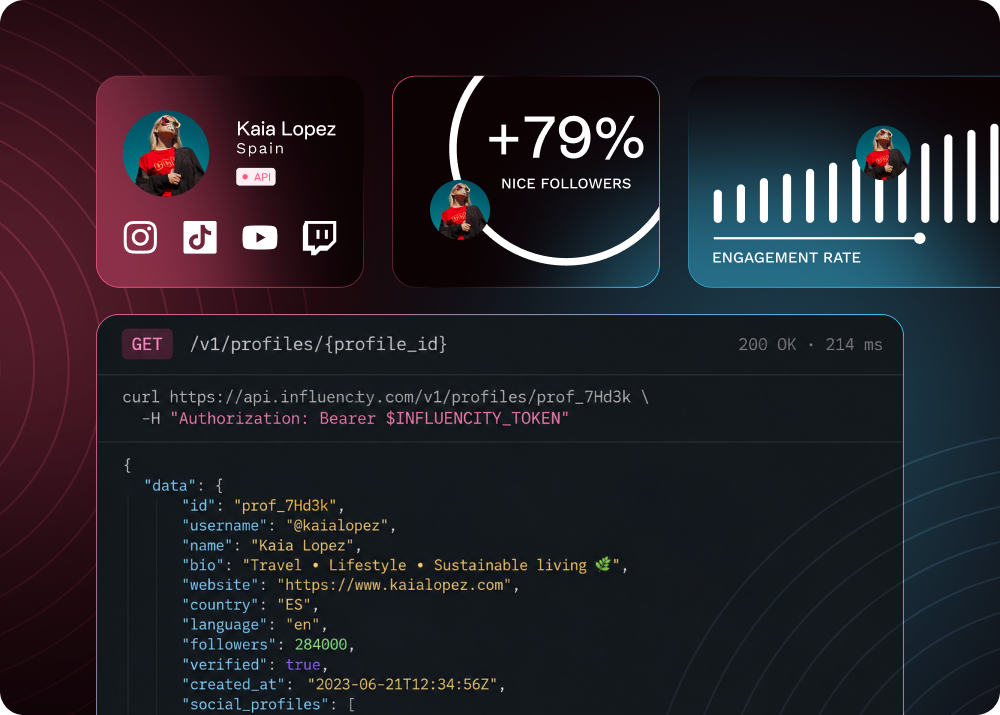
Influencity's API currently supports Content Tracking and Influencer Analysis and is synchronised with the main platform environment, so API-created trackings and related data remain visible to teams working through the interface. Discovery Search endpoints are next on the roadmap.
If your team's primary challenge is running high-volume micro-influencer discovery and building list spreadsheets quickly, Modash serves as an alternative. Modash focuses on database scale.

Key Functional Strengths
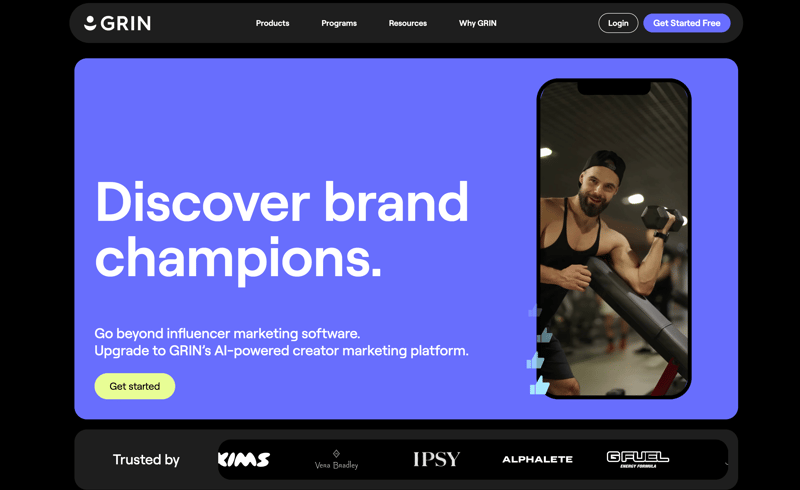
For direct-to-consumer (DTC) and e-commerce brands where physical product logistics and gifting are central to the strategy, GRIN represents a specialized relationship alternative.
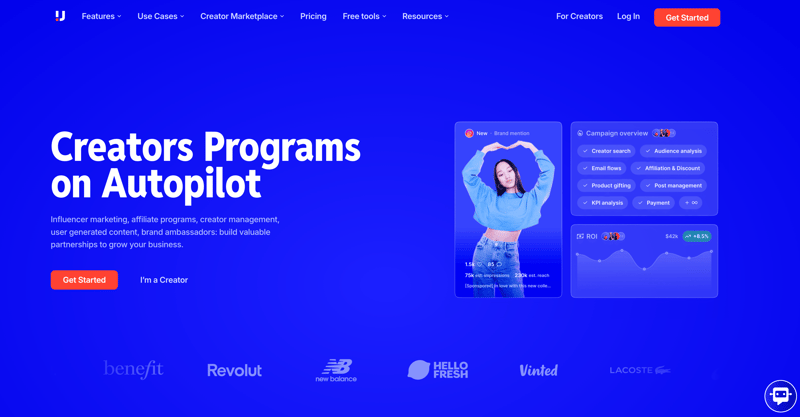
If your goal is to find organic brand advocates who are already buying from your store, Upfluence is a highly practical option.
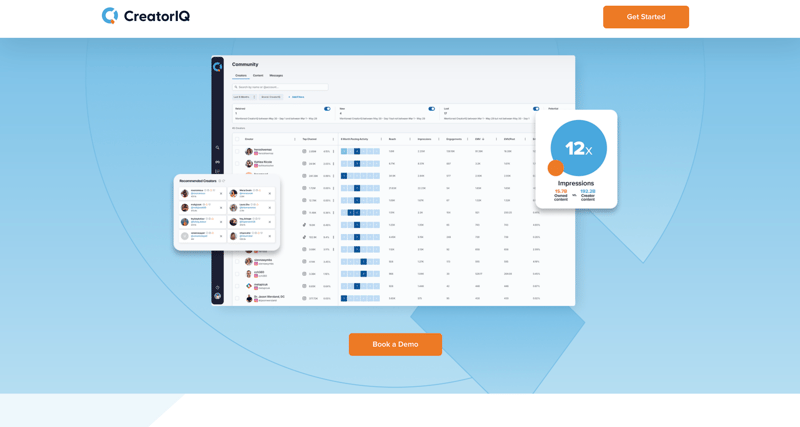
For global enterprises, massive agencies, and holding companies that require strict corporate governance and deep data, this is a decent option.
1. Larger Public Discovery Across Core Creator Networks
350M+ profiles across Instagram, TikTok and YouTube versus HypeAuditor's 227M+ across a broader set of five networks.
2. TikTok Support in the Chrome Extension
Both have extensions, but Influencity's also supports TikTok.
3. Native Social Media Management
Owned publishing, Inbox, analytics, approvals, paid social and Link-in-Bio alongside influencer campaigns.
4. Broader Social + Web Monitoring
Social networks plus Reddit, blogs, news, forums and broader web conversations.
5. Broader Currency Coverage for Creator Payments
143 currencies plus consolidated invoicing.
6. Published Pricing and Flexible Access
Where appropriate based on the final current pricing setup.
HypeAuditor remains particularly strong in influencer analytics, fraud detection and market intelligence.
The right alternative therefore depends on what your team wants to prioritise. Influencity may be a better fit when you want a larger discovery universe across Instagram, TikTok and YouTube, native owned-social management, broader social and web listening, or payment workflows built around a wider range of currencies.
The best alternative depends on your goals. If you primarily need influencer analytics, several platforms offer similar capabilities. However, if you're looking for an all-in-one influencer marketing platform, Influencity combines AI-powered creator discovery, audience analysis, campaign management, Influencer Relationship Management (IRM), Social Listening, and automated reporting in a single solution, making it a strong alternative to HypeAuditor.
HypeAuditor is designed primarily as a passive analytics and data-vetting engine. Its proprietary Audience Quality Score (AQS) allows analysts to identify fake engagement, bot networks, and suspicious activity before allocating significant campaign spend. Conversely, Influencity is built for end-to-end campaign execution. It acts as an operational system of record combining an open discovery network, an adaptable Influencer Relationship Management (IRM) database, automated campaign tools, and an organic Social Media Management (SMM) publisher and inbox.
Many brands initially choose HypeAuditor for influencer discovery and audience verification but later require additional functionality as their influencer programs grow. Common reasons for switching include larger public discovery across core networks, owned Social Media Management, wider social/web monitoring, broader currency support, consolidated invoicing or different workflow requirements.
When comparing HypeAuditor alternatives, look for a platform that includes:
Choosing a platform with these capabilities allows you to manage influencer marketing from discovery to reporting without relying on multiple tools.
HypeAuditor is a good solution for influencer analytics and audience insights, but many brands complement or replace it with platforms that also provide campaign execution tools. If you need to discover creators, manage communications, coordinate deliverables, track campaign performance, and measure ROI in one place, an end-to-end platform such as Influencity may be a better fit.
No. One of HypeAuditor’s major operational gaps is its inability to capture and track Instagram Stories. Campaign teams must manually screenshot and record these temporary assets before they vanish after 24 hours. Influencity solves this issue by providing automated content collection that natively captures and archives live Instagram Stories directly within your campaign dashboard.
Influencity offers clear advantages for localised campaigns due to its open database, which tracks over 350 million profiles across the global web, compared to HypeAuditor’s closed index of roughly 227.7 million profiles. Furthermore, managing multiple micro-influencers requires clean organization; Influencity allows you to link a single creator's cross-channel social handles (Instagram, TikTok, YouTube, and Twitch) onto a unified creator card. In HypeAuditor, these channels remain fragmented and unlinked, making multi-channel coordination highly manual.












%20and%20How%20Can%20They%20Benefit%20Your%20Brand%20article.jpg?length=628&name=What%20Are%20Key%20Opinion%20Leaders%20(KOL)%20and%20How%20Can%20They%20Benefit%20Your%20Brand%20article.jpg)










.png?length=628&name=Pop-up%20image%201200%C3%97800@1x%20(1).png)