


Modash has earned its place as one of the most popular influencer marketing platforms on the market. Its creator database, intuitive interface, and strong discovery capabilities make it a compelling option for brands taking influencer marketing seriously.
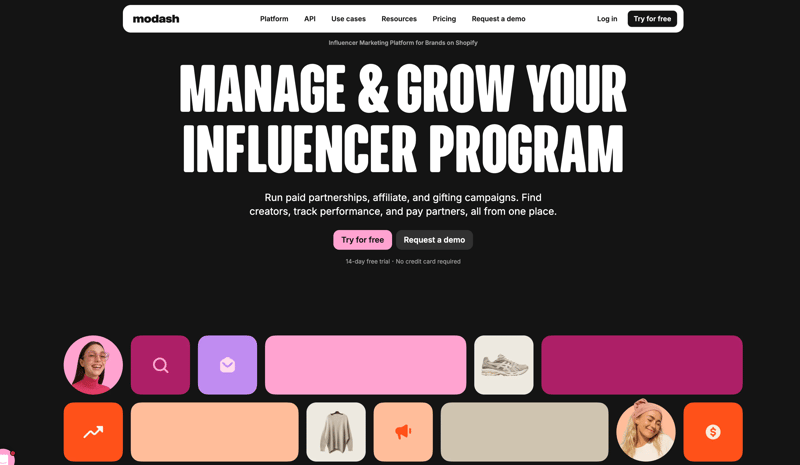
But as influencer programs mature, many teams discover the same challenge: finding creators is only one part of the job. The real complexity begins after discovery. Managing outreach at scale. Vetting creators for brand safety. Tracking campaign performance. Coordinating approvals. Building long-term relationships. Measuring ROI. Monitoring market trends and competitors.
These are the capabilities that separate a creator search tool from a complete influencer marketing platform.
If you're evaluating alternatives to Modash, you're probably looking for a solution that can do more than help you find influencers. You need a platform that can help you run, optimize, and scale your entire creator marketing operation.
That's where Influencity stands out.
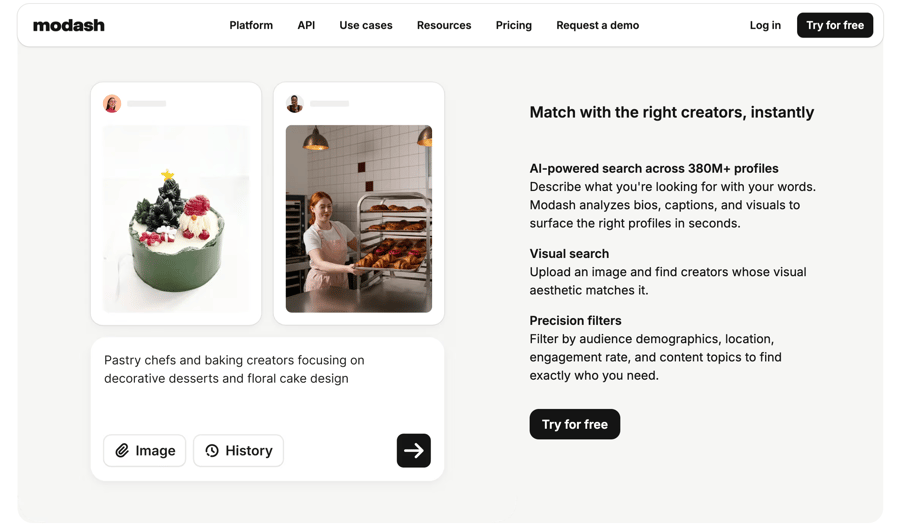
Modash is particularly strong in three areas:
For brands focused primarily on finding creators and launching campaigns quickly, those capabilities can be highly effective. Modash is popular choice for teams in the early stages of influencer marketing programs.

However, as influencer marketing becomes a larger revenue channel and campaigns grow in complexity, many organizations begin looking for broader operational capabilities. Common limitations cited by users and reviewers include:
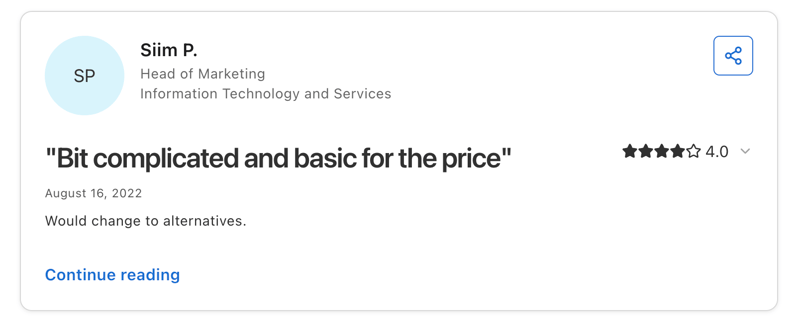
Read full review: Capterra
As a result, many teams eventually find themselves adding additional tools to fill these gaps. The alternative is choosing a platform designed to support the entire influencer marketing lifecycle from discovery through measurement.
Unlike discovery-first platforms, Influencity combines creator discovery, campaign management, relationship management, social listening, analytics, and AI-powered workflows within a single ecosystem.
/EN/home-slider-tabs-irm-profile-image-composition-1.webp?width=1728&height=1080&name=home-slider-tabs-irm-profile-image-composition-1.webp)
Modash ends its job the moment a creator publishes. Once content goes live, tracking mentions, managing your brand's own channels, or turning campaign learnings into your next social post means switching to a separate tool.
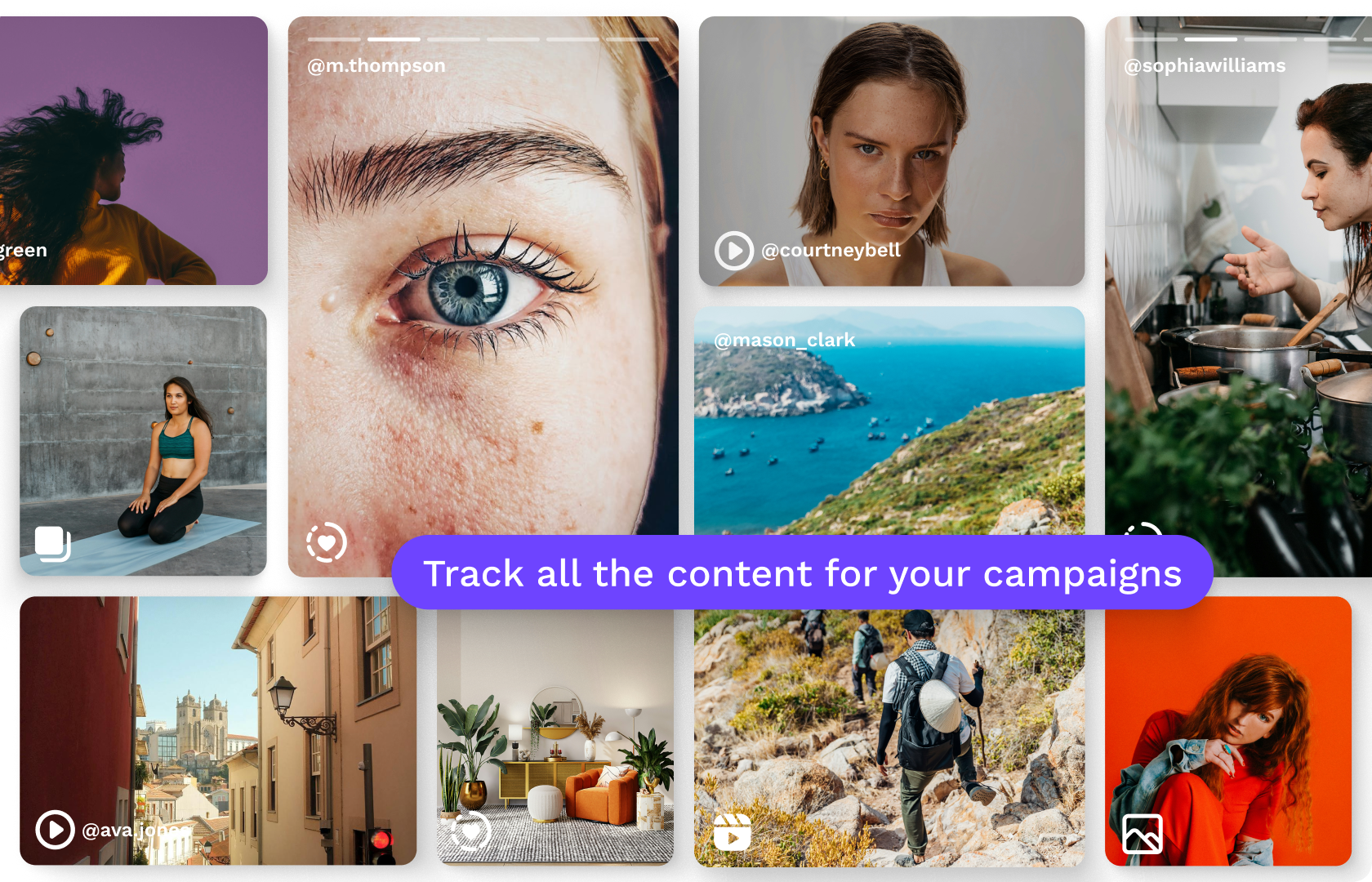
Influencity closes that gap. Its Social Hub lets brands plan, approve, publish, and analyze content across their own social channels — alongside their influencer campaigns, not in a separate system. Teams can run paid social ads, manage a unified social inbox, and maintain a link-in-bio page, all from the same place they manage creator relationships.
For brands where influencer content and owned social content are part of the same strategy, this connection matters. It means campaign insights inform organic content decisions, and organic performance informs the next round of creator briefs, instead of two teams working from two disconnected tools.
Like many modern influencer marketing platforms, Modash has introduced AI-powered features to improve creator search and discovery. These capabilities can help teams find relevant influencers more quickly and reduce the manual effort involved in campaign planning.
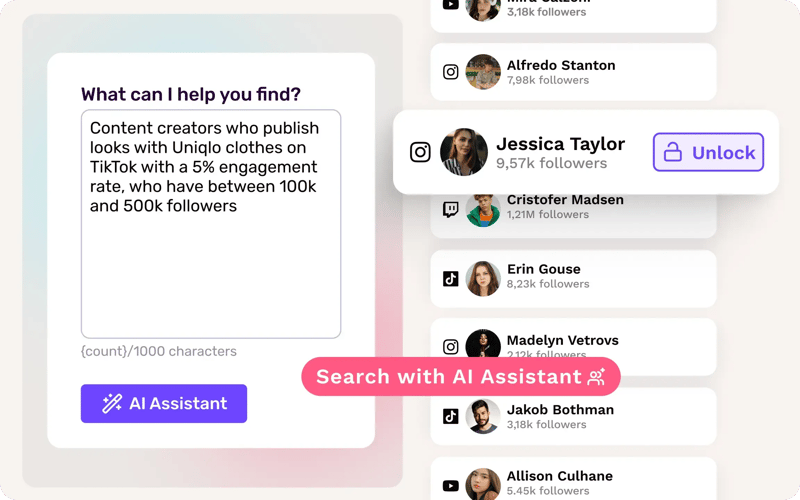
Influencity takes a broader approach. Rather than limiting AI to discovery, Influencity applies AI across the operational side of influencer marketing, helping teams execute campaigns faster, automate repetitive tasks, and make better strategic decisions.
Influencity's AI assistant can help users:
The difference is that AI is embedded throughout the workflow, not just at the beginning of it. For growing teams, one of the biggest is managing the volume of research, outreach, reporting, and campaign coordination required to scale influencer programs effectively. Influencity's AI capabilities are designed to reduce that operational burden by automating tasks that would otherwise consume hours of manual work.
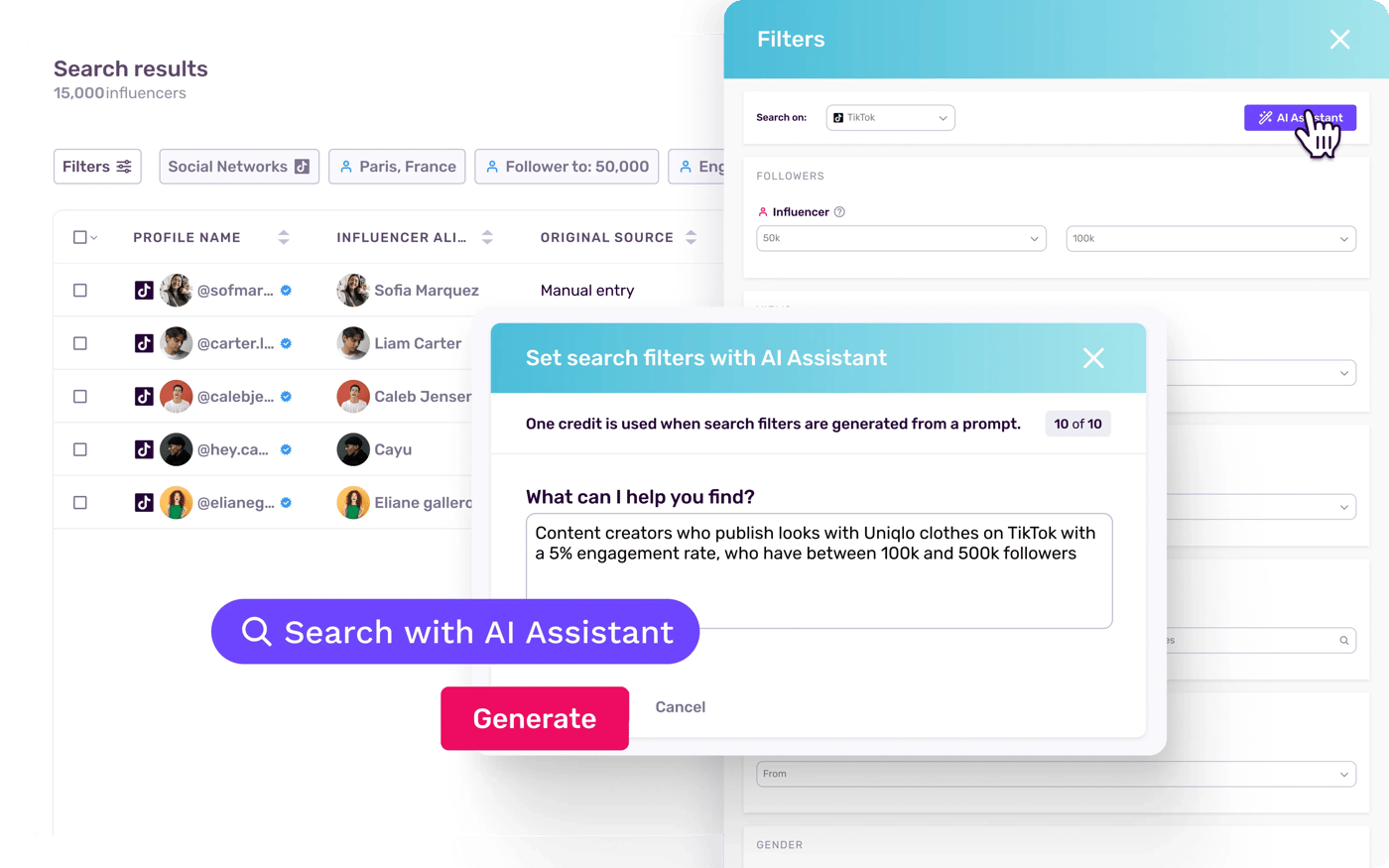
This creates a meaningful advantage for lean marketing teams, agencies managing multiple clients, and enterprise brands running campaigns across markets. Instead of using AI solely to improve search results, they can use it to streamline execution across the entire influencer marketing lifecycle.
One of the most expensive mistakes in influencer marketing is partnering with the wrong creator. Both Modash and Influencity provide audience quality and fraud detection tools that help brands identify suspicious followers, inflated engagement, and potential authenticity issues. For many teams, these capabilities provide an important first layer of creator vetting.
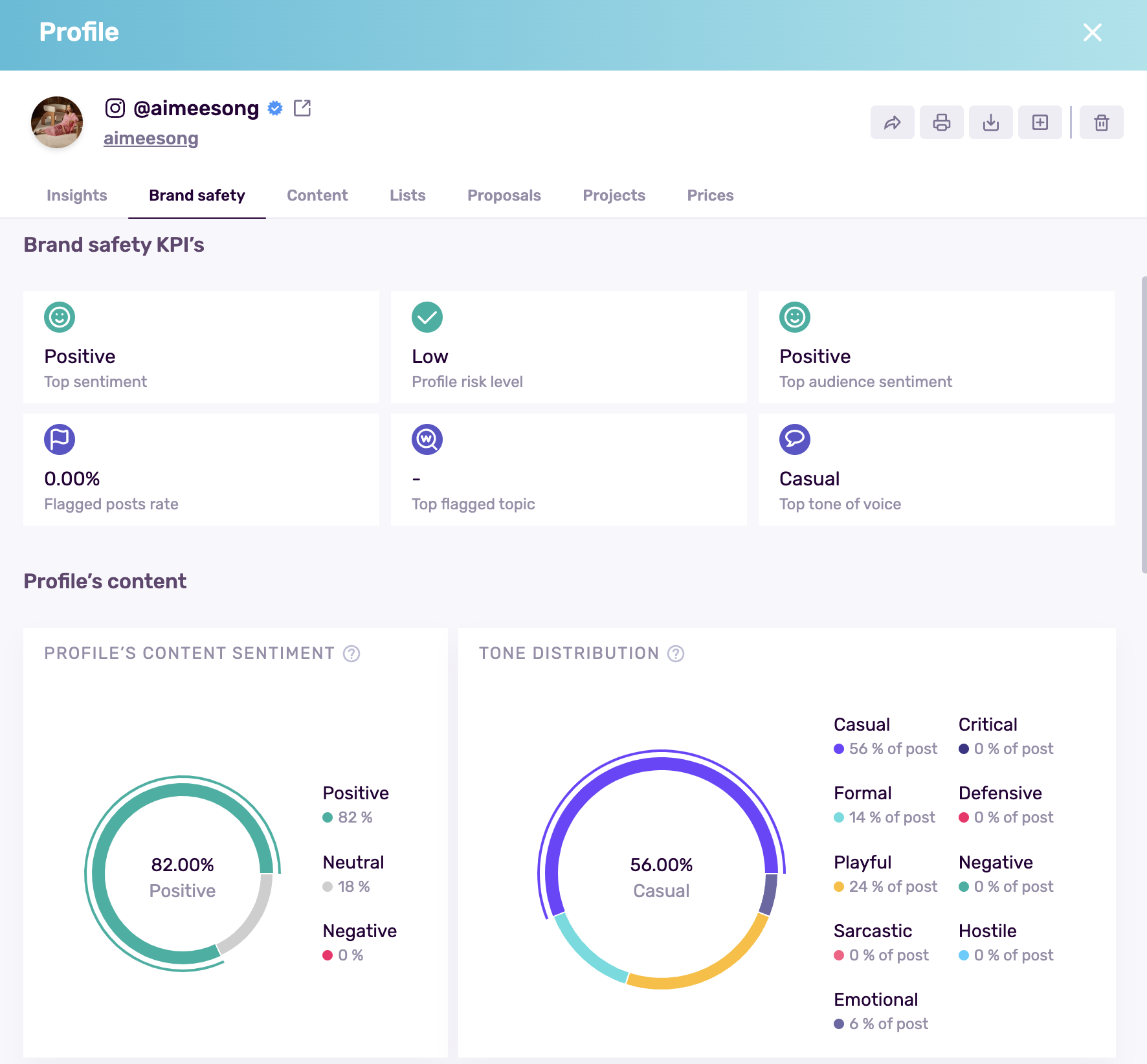
However, modern brand safety goes beyond detecting fake followers. Brands increasingly need to understand whether a creator's content, audience, and online presence align with their values, reputation, and long-term marketing objectives before outreach even begins.

Beyond audience authenticity analysis, Influencity helps brands assess:
This deeper level of analysis allows teams to move beyond surface-level metrics and make more informed partnership decisions. For enterprise brands, regulated industries, and organizations operating across multiple markets, a single creator mismatch can create reputational challenges, wasted budget, and campaign delays.
/our-platforms-slider-tabs-campaign-reports-image-composition.webp?width=1728&height=1080&name=our-platforms-slider-tabs-campaign-reports-image-composition.webp)
Influencity helps reduce that risk by bringing more context into the vetting process before the first outreach email is ever sent. The result is a stronger creator qualification process, fewer partnership surprises, and greater confidence when scaling influencer programs.
Modash helps brands verify creator authenticity. Influencity helps brands evaluate authenticity, suitability, and long-term brand alignment before investing budget or reputation
This is one of the clearest areas where Influencity and Modash take fundamentally different approaches. While both platforms help brands discover and analyze creators, Influencity extends beyond influencer data into broader market intelligence.
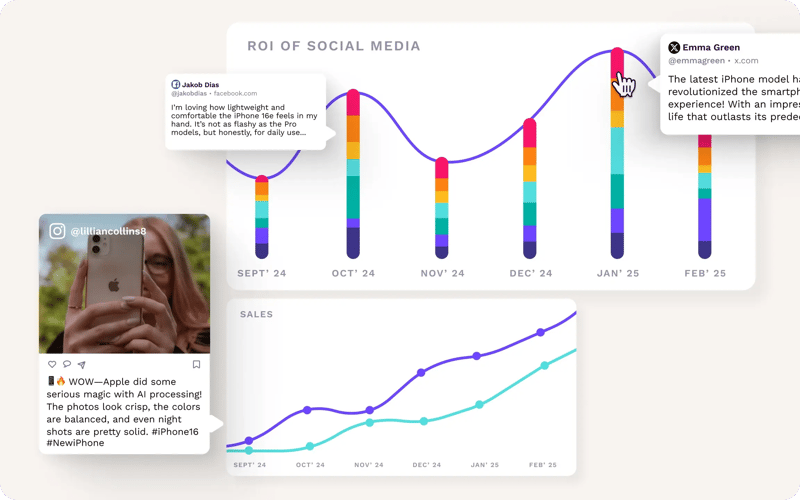
Modash remains primarily focused on influencer discovery, audience analysis, and campaign management, whereas Influencity enables brands to understand the wider conversations, trends, and competitive dynamics shaping their industry.
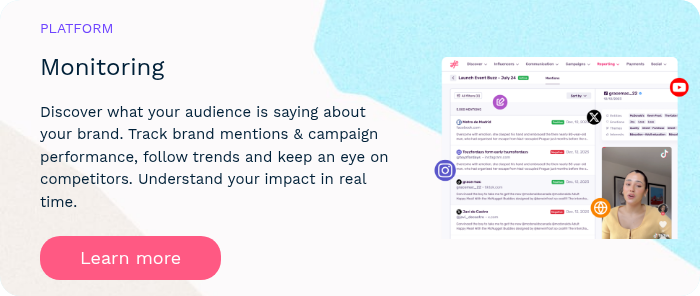
With Influencity, teams can:
This broader perspective gives marketing teams strategic context that goes beyond selecting the right influencer.
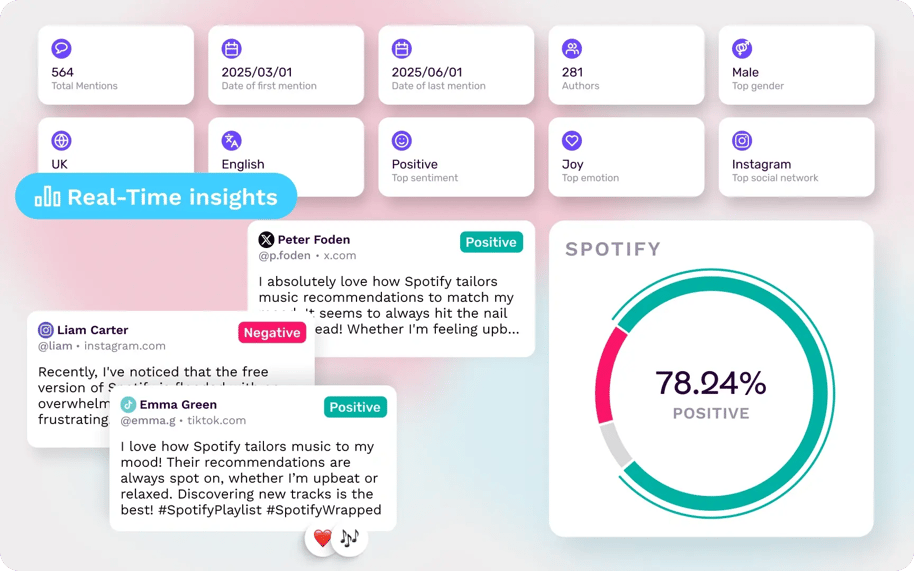
For example, a beauty brand using Modash can identify creators with strong engagement and audience fit. A beauty brand using Influencity can do that as well, but can also uncover emerging skincare conversations, monitor competitor collaborations, identify fast-growing creator communities, and spot category trends before they become saturated.
The practical difference is that Modash helps answer the question, "Which influencers should we work with?", while Influencity helps answer both: "Which influencers should we work with?" and "What is happening in our market, who is driving the conversation, and where are the next opportunities emerging?"
For brands operating in competitive industries, this additional layer of intelligence can be highly valuable. It allows influencer marketing decisions to be informed not only by creator performance metrics but also by real-time market signals, audience behavior, and competitive activity.
As a result, Influencity functions as both an influencer marketing platform and a source of strategic market intelligence. This gives brands a more comprehensive view of the creator economy and can support more proactive, data-driven decision-making than platforms focused primarily on influencer discovery and management.
Discovery and outreach are the beginning of a campaign, not the whole thing. Once a brand and creator agree to work together, there's negotiation, content approval, deliverable tracking, and, increasingly, a pipeline of inbound interest to manage as well.
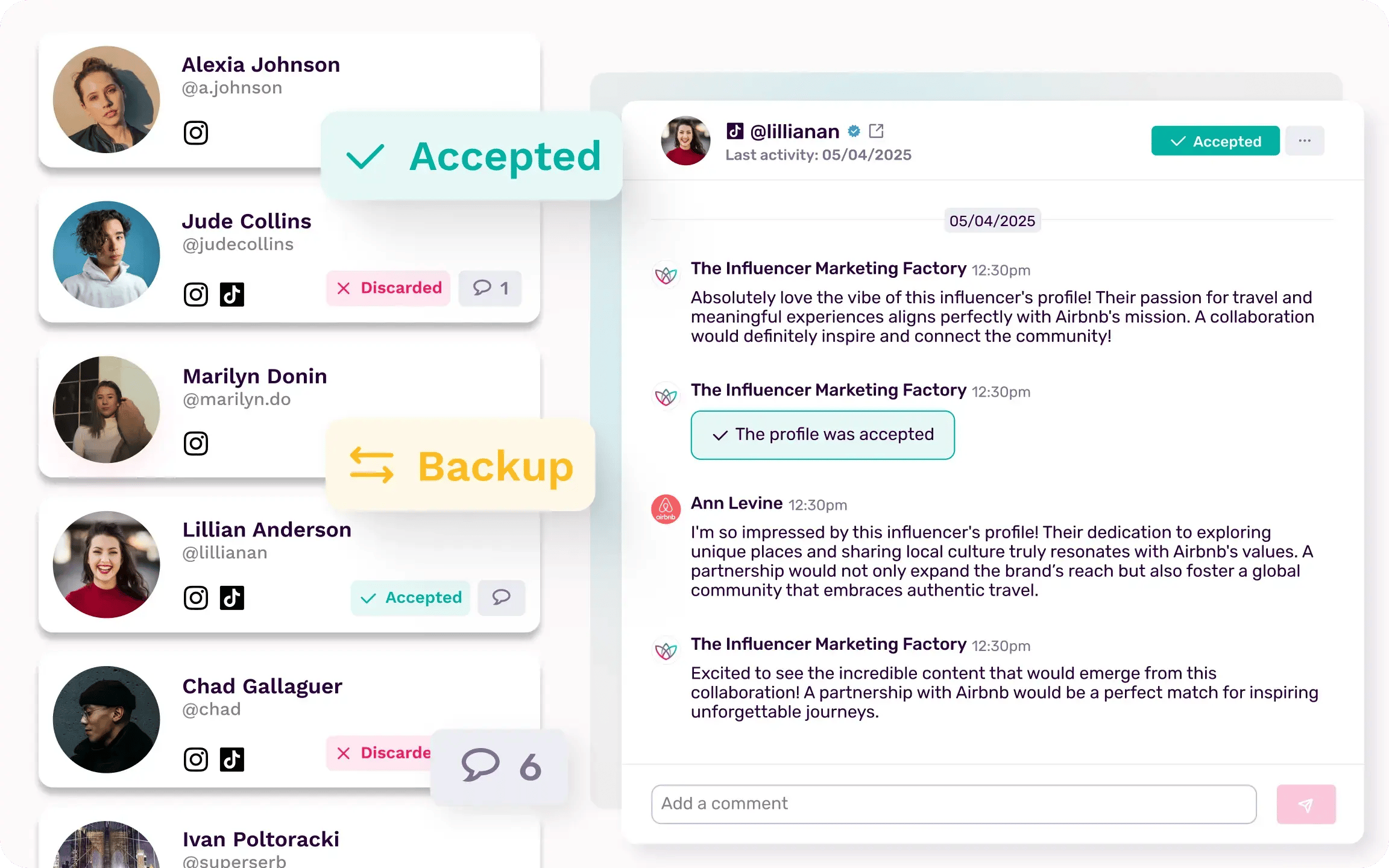
Influencity supports that full operational cycle. Brands can build branded Casting Calls to let interested creators apply directly, rather than relying solely on outbound discovery. Selected rosters can be turned into polished, shareable proposals for internal or client approval. And once a campaign is live, Influencity tracks negotiations, content approvals, and deliverables in one workflow, from the first outreach message to the final performance report.
One of Influencity's strongest advantages is that campaign management extends into the operational realities of influencer marketing. Teams can oversee the entire process, from the first outreach email to the final performance report, without relying on a patchwork of spreadsheets, email threads, approval tools, and reporting platforms.
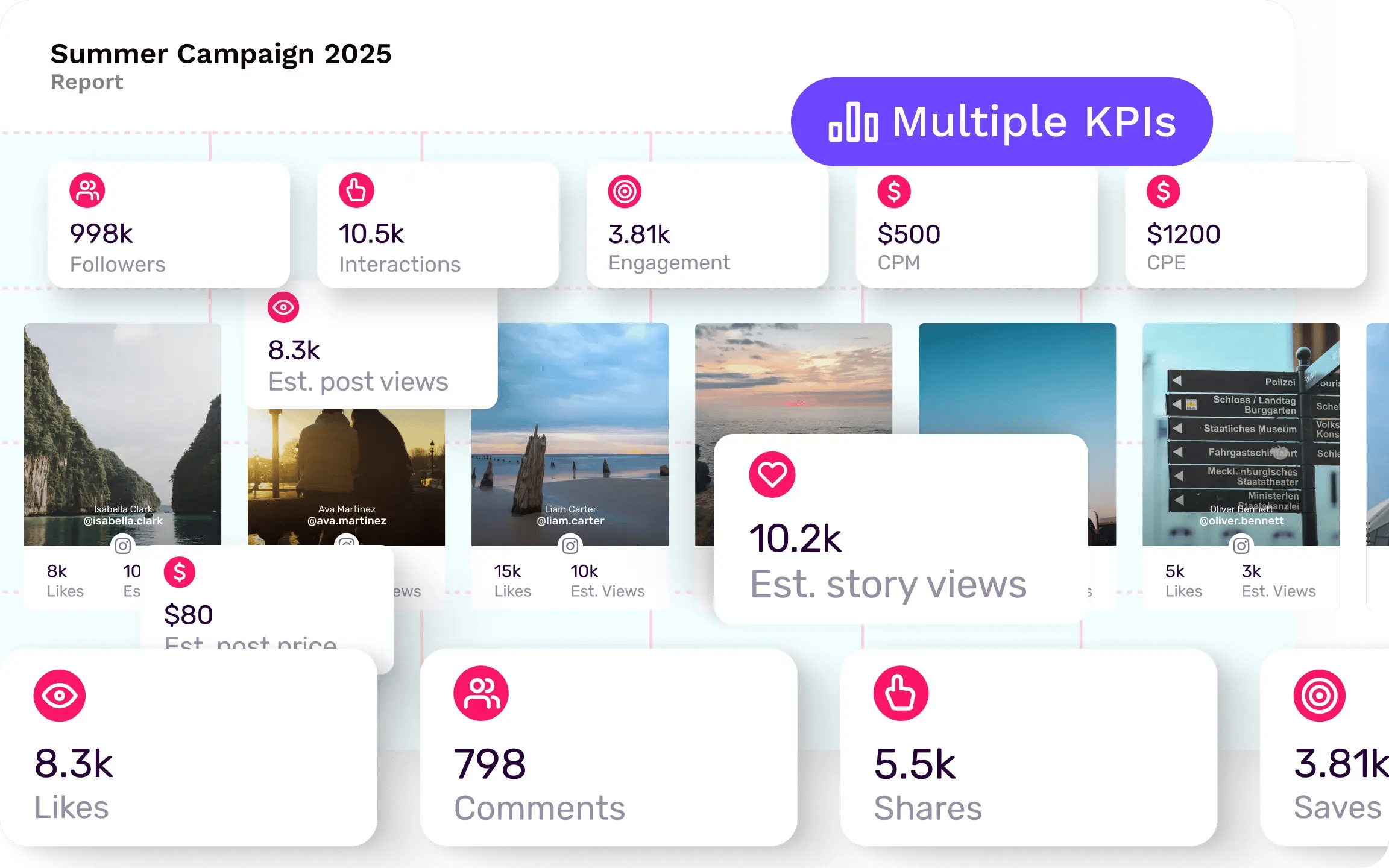
Modash covers the front half of this cycle well: finding and vetting creators. Influencity is built to run the entire thing, including the operational and administrative work that consumes the most time as programs scale. So, yes, Modash offers discovery capabilities and campaign management features, but Influencity places greater emphasis on operational control and workflow continuity across every stage of the creator partnership. This is especially beneficial for brands and agencies managing large creator programs, multiple stakeholders, or high campaign volumes.
A team running a few campaigns may simply need a way to identify creators and evaluate performance. However, organizations managing dozens or hundreds of creator relationships often encounter operational bottlenecks. Negotiations become difficult to track, content approvals create delays, campaign assets become fragmented across tools, and reporting consumes significant time and resources.
Influencity addresses these challenges by centralizing creator relationship management, negotiations, content approvals, campaign content tracking, performance measurement, and reporting within a unified platform.
For growing influencer programs, this centralized approach can improve efficiency, reduce operational complexity, strengthen collaboration between teams and creators, and provide complete visibility across the campaign lifecycle. Instead of stitching together multiple systems, marketers gain a single source of truth that makes influencer marketing more scalable, measurable, and easier to manage.
For teams that want to connect influencer marketing data with their own systems, dashboards, or internal tools, Modash and Influencity take very different approaches to API access.
With Modash, the platform and API are priced separately. A Modash platform subscription does not include API access: its Discovery API currently starts at $14,700 per year, while the Raw API starts at $9,000 per year. Modash also does not currently offer monthly or pay-as-you-go API plans. The Discovery API uses its own credit system, while the Raw API is priced according to request volume.
With Influencity, the Influencer Marketing API works as part of the same ecosystem as the platform. Profiles, trackings, publications, and data created or updated through the API are synchronized with what your team sees in Influencity, so developers can automate workflows while other users continue working in the interface.
The usage model is also simpler. The API uses the same organization, trackings, profile analyses, and limits as the platform, so there is no second API credit balance to manage. API access is added on top of your existing plan and sized according to the volume of tracking and analysis your team expects to run.
In practice, that means a team can create a tracking through the API and immediately see it in Influencity with the same profiles, publications, and reports, without maintaining two separate environments or duplicating work.
| Influencity | Modash | |
|---|---|---|
| Platform and API relationship | Fully synchronized | Platform and API access priced separately |
| API access | Added to an existing Influencity plan | Requires a separate API subscription |
| Usage model | Uses the same trackings, analyses, organization, and limits as the platform | Separate API credits or request allowances |
| Separate API balance | No | Yes, depending on the API product |
| API pricing | Scales according to expected usage | Discovery from $14,700/year; Raw from $9,000/year |
The choice between Modash and Influencity ultimately comes down to how mature your influencer marketing program is and where you expect it to go next.
Modash is a good choice for brands that primarily need a creator discovery engine. If your biggest challenge is finding influencers, analyzing audience demographics, and identifying creators that match your target market, Modash delivers that. It's particularly well suited to smaller teams, growing ecommerce brands, or marketers who already rely on separate tools for outreach, CRM, campaign management, and reporting.
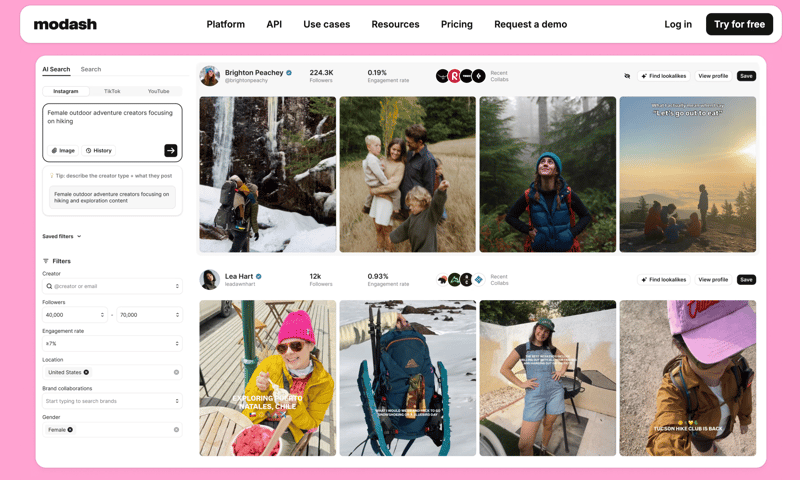
However, influencer marketing rarely stops at discovery. As programs scale, brands often find themselves spending more time managing creators than finding them. Outreach becomes more complex. Vetting creators for brand safety becomes critical. Campaign reporting demands deeper insights. Stakeholders ask for ROI data. Competitive intelligence and market trends become increasingly important for strategic planning.
This is where Influencity begins to differentiate itself. Rather than focusing primarily on creator search, Influencity is designed to support the entire influencer marketing lifecycle. Discovery, outreach, relationship management, campaign execution, analytics, and reporting all exist within the same ecosystem, reducing the need to stitch together multiple platforms and workflows.
/manage-campaigns-slider-tabs-campaign-image-composition.webp?width=800&height=500&name=manage-campaigns-slider-tabs-campaign-image-composition.webp)
The platform is particularly compelling for teams that view influencer marketing as a long-term growth channel rather than a series of isolated campaigns. Its AI-powered assistant helps automate operational tasks that typically consume hours of manual work, from discovering creators and drafting personalized outreach emails to generating social listening queries for market research and competitive analysis.
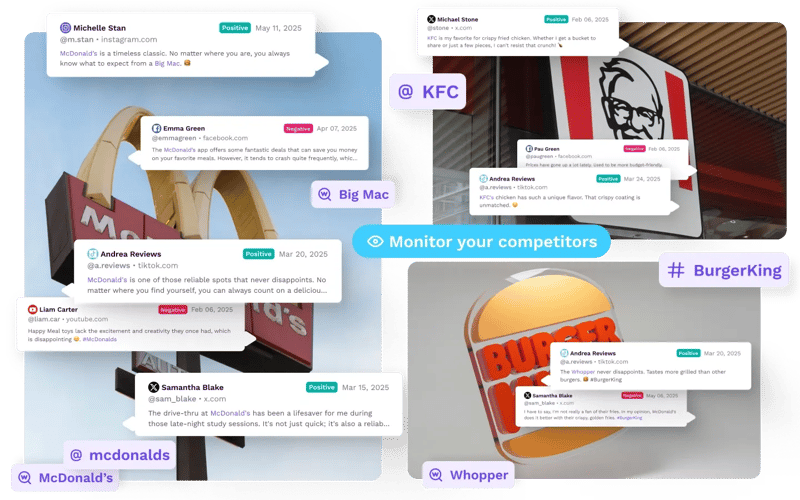
Influencity also offers a level of strategic intelligence that extends beyond influencer databases. Through social listening, trend monitoring, competitor benchmarking, and audience analysis, brands gain a broader understanding of the market landscape surrounding their campaigns. Combined with advanced brand safety analysis and creator vetting tools, this allows teams to make more informed partnership decisions before outreach even begins. If you want to see the full side-by-side, pricing, database size, and every feature covered here laid out feature-by-feature, check out our complete Modash vs Influencity comparison.
If your goal is simply to find creators, Modash may be all you need. If your goal is to build, manage, and scale a sophisticated influencer marketing program with stronger automation, deeper intelligence, and end-to-end workflow support, Influencity is likely the better long-term investment.
Modash remains a good option if all you need is creator discovery platform. The brands seeing the strongest results are the ones treating creator marketing as a complete business function, one that requires intelligence, automation, measurement, and operational efficiency.
For those teams, Influencity offers a broader and more comprehensive solution, combining creator discovery, AI-powered workflows, brand safety analysis, social listening, competitive intelligence, and end-to-end campaign management in a single platform.
If you're looking for the best Modash alternative, Influencity is the platform most capable of supporting your next stage of growth.
While Modash is primarily focused on creator discovery and audience analysis, Influencity supports the entire influencer marketing lifecycle. From discovery and outreach to campaign management, social listening, brand safety, relationship management, and reporting, everything lives in a single platform.
Influencity provides access to one of the industry's largest influencer databases, along with advanced filters, audience demographics, brand affinity analysis, audience credibility metrics, and lookalike creator analysis. The difference is that discovery is connected directly to campaign execution and measurement workflows.
Absolutely. Influencity includes creator CRM functionality, outreach tools, campaign communication workflows, negotiation tracking, and relationship management features. This allows teams to manage creator partnerships from first contact through long-term collaboration without relying on external tools.
Influencity goes beyond fraud detection by helping brands evaluate audience quality, engagement authenticity, content suitability, audience interests, brand affinity, and potential reputation risks. This gives marketing teams greater confidence before investing budget or associating their brand with a creator.
Yes. Unlike Modash, Influencity includes social listening and competitive intelligence capabilities. Brands can monitor industry conversations, track competitors, identify emerging trends, discover creator communities, and uncover new partnership opportunities based on real-time market signals.









%20and%20How%20Can%20They%20Benefit%20Your%20Brand%20article.jpg?length=628&name=What%20Are%20Key%20Opinion%20Leaders%20(KOL)%20and%20How%20Can%20They%20Benefit%20Your%20Brand%20article.jpg)





.png?length=628&name=Pop-up%20image%201200%C3%97800@1x%20(1).png)