

We’ve all seen it: a brand enters the chat with tons of hype, gorgeous packaging, a killer hook, and creators lining up to share unboxings. But a few weeks later? Crickets. No engagement, no repeat content, and worse, no measurable results.
I remember one campaign in particular: a skincare brand launched a glow serum and sent out 150 influencer mailers in a frenzy. The creators were on-brand, the content was visually beautiful, and for a moment, it looked like a success. But behind the scenes? No one was tracking creator performance, there was no call-to-action, no defined goal, and no campaign glue to tie all the pieces together. Despite all the sparkle, the launch fell flat.

Now contrast that with another agency-led project I worked on: same industry, smaller budget, but a very different outcome. Why? Because this time, we started with structure, a strategic canvas that mapped out target audiences, KPIs, influencer tiers, messaging pillars, timelines, and even UGC goals before a single product shipped. That campaign drove conversion, earned reposts from big retailers, and gave the brand data they could build on for future drops.
The difference? Not the product. Not the influencers. The strategy.
Too often, agencies and clients are so eager to “get creators posting” that they skip the strategic groundwork. They treat campaign planning like an afterthought instead of a launchpad.
That’s why I’m sharing this article. I’ll walk you through a Launch Canvas designed specifically for influencer campaigns, like a blueprint built from real workflows used by high-performing agencies. Whether you’re launching a new brand, scaling a hero product, or testing the waters with micro-creators, this framework will help you:
In influencer marketing, structure isn’t the opposite of creativity, it’s what sets it free.
Let’s clear something up: an Influencer Launch Canvas is not another slide deck or briefing doc you send to creators before a campaign. It’s your north star, the strategic architecture that ensures every post, story, unboxing, and mention connects back to your big-picture goals.
In agency speak, think of it as your creative brief meets campaign blueprint. But unlike traditional marketing plans that live in silos, this one is built for the messy, fast-moving world of creator content, where timing, authenticity, and coordination are everything.
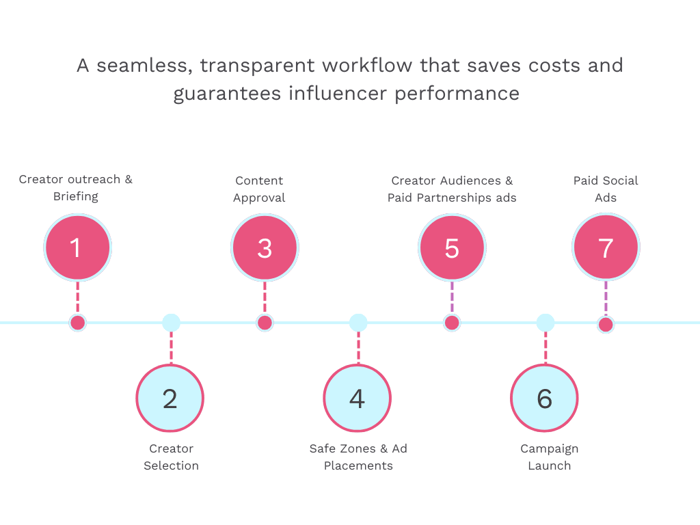
If you’ve ever run a campaign with more than three stakeholders, you already know: without structure, things fall apart. Deliverables get missed. Messaging feels off. Reports turn into damage control instead of proof of ROI.
An Influencer Launch Canvas solves that by giving everyone, internal teams, clients, creators, even legal, a single source of truth.
“It’s like air traffic control for influencer marketing—everyone knows where to land.”
The canvas gives shape to creative ideas and ensures execution aligns with brand vision and business goals. You move faster, waste less time, and scale campaigns with consistency.
Here’s a quick preview of what I always include before I greenlight a single post:
And the best part? Once you’ve created a few of these canvases, they become plug-and-play templates for future campaigns. What used to take two weeks of back-and-forth can now be spun up in hours.
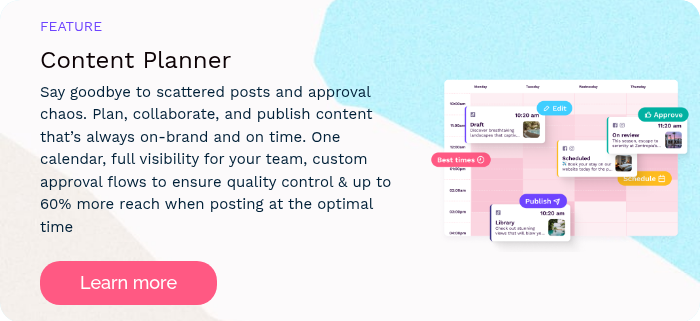
Pro Tip: I use Influencity’s planner template, proposal and campaign tools to house the canvas, assign tasks, track content phases, and update stakeholders live. It keeps everyone aligned.
Just for your information, the term Launch Canvas has a search volume of over 360,000 globally. It’s not a coincidence. People are actively searching for structured ways to execute better influencer launches. This is a full-on industry shift toward strategic influencer planning.
Up next, we’ll walk through each element of the canvas step-by-step—so you can start using it on your very next launch.
Remember that while a good idea might grab attention, a solid framework delivers ROI. These are the seven core building blocks I use to map out successful creator-led campaigns, every single time.

Who are we trying to reach—and where do they actually hang out?
Too often, teams make the mistake of choosing influencers based on follower counts, not fit. But your skincare brand for Gen Z shouldn’t live and die on Instagram Reels if your ideal audience is binge-watching product routines on TikTok at 2 a.m.
Here’s what I do:
Match each persona to a primary platform based on usage habits and content style.
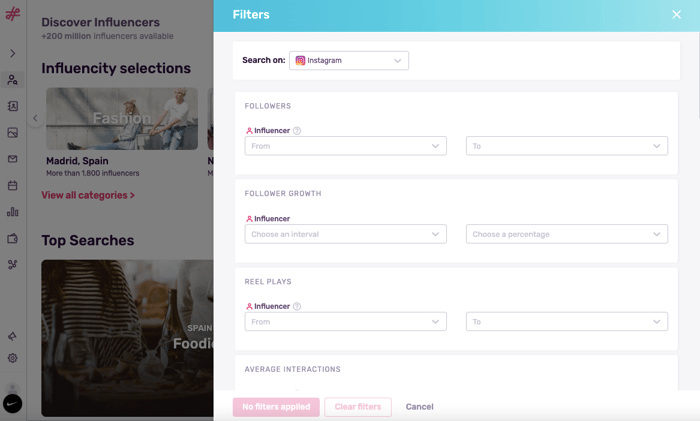
Pro tip: Use Influencity’s audience filters to sort influencers by reachability, age brackets, and engagement. This helps avoid dead-end partnerships with creators who look good on paper but won’t actually reach your people.

What’s your North Star—and how do you know if you hit it?
Before you brief a single creator, you’ve got to define your campaign objectives. Awareness? Conversions? Community building? Each one requires a different strategy and different expectations.
Here’s how I break it down:
-2.png?width=700&height=183&name=White%20%26%20Green%20Modern%20Bar%20Chart%20Graph%20(1)-2.png)
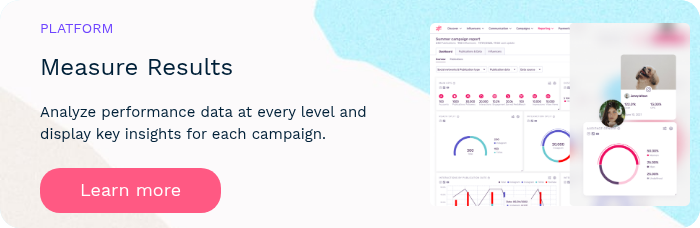
You can also use Influencity’s campaign reporting to auto-pull creator data and measure performance in real time.
What are you asking creators to say, show, or feel?
Influencers don’t want scripts, they want direction. That’s why I build a “storyline spine” for every campaign. It’s a flexible narrative that outlines emotional beats and product hooks without dictating every word.
For example:
-4.png?width=700&height=147&name=White%20%26%20Green%20Modern%20Bar%20Chart%20Graph%20(2)-4.png)
Give creators space to make it theirs. Authenticity converts.
It’s not one-and-done, it’s a story arc.
Every high-performing campaign I’ve run follows a content rhythm. It builds anticipation, delivers a payoff, and keeps the conversation going. Think of it as your campaign’s binge-worthy structure.
The content arc:
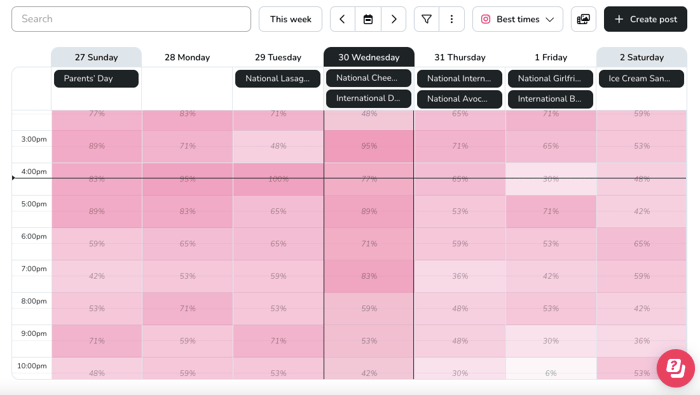
Leverage our social content calendar to sync creator deliverables, post types, and scheduling windows in one place. Fewer Slack messages, more visibility.
Also, a quick win when working with creators is asking for repurposable formats: vertical videos for Reels, carousels for Pinterest, and captions that can double as product reviews.
Different creators = different functions.
Here’s how I assign roles based on campaign goals:
A couple of years ago, when launching a clean beauty line, I paired a macro creator for launch hype, 5 micro creators for routine videos, and 10 nano fans to do “before & after” content. It gave the campaign both scale and social proof.
Every campaign needs a clock.
Timing is everything, especially when syncing multiple creators and content types. Map your milestones like a film production schedule.
Key dates to plan:
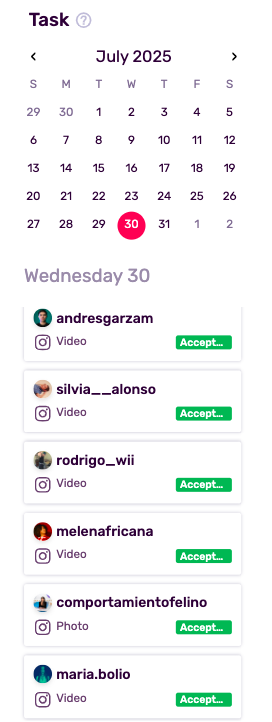
Tip: Add in extra buffer days for content approvals or shipping delays, real-life chaos always sneaks in.
Measure what matters, then optimize.
The final block of your Launch Canvas is all about accountability. Define what will be tracked, how often, and how results will be shared with clients or internal teams.
Core metrics I track:
Use Influencity’s content tracking feature to monitor posts outside of reports and add them to campaigns later. It’s a lifesaver when creators post late or organically generate UGC you didn’t plan for.
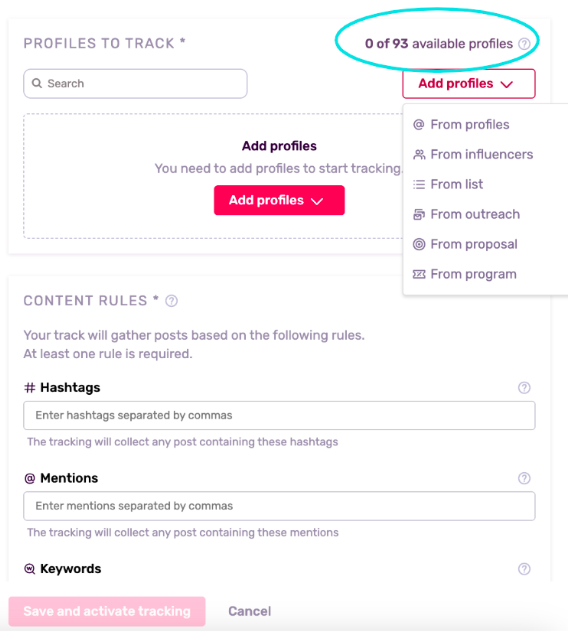
Pro tip: Track comment language for conversion signals like “Where can I buy this?” or “Link please.” That’s buyer intent gold.
In short, these seven blocks are kind of your campaign’s blueprint. I’ve used this exact structure to launch everything from DTC skincare drops to global tech product rollouts.
Sometimes the best way to understand a strategy is to see it in motion. Below are two real-world-style campaigns, one from fashion, the other from tech, that used the Influencer Launch Canvas framework to go from fuzzy vision to structured execution.
Client: A European sustainable fashion brand
Goal: Launch a limited-edition capsule collection with Gen Z appeal
Influencers: 1 macro (1M+), 6 micro (50K–150K), 20 nano brand advocates
Platforms: Instagram, TikTok, Pinterest
Client: Consumer electronics brand launching a smart home device
Goal: Build brand familiarity → drive trial → convert to purchase
Influencers: 10 mid-tier tech creators (100K–300K)
Platforms: YouTube, Instagram, Twitter/X
Add image of sth like alexa
Client pitches can feel like trying to impress a panel of reality show judges. You’ve got 30 minutes to wow them, reassure them, and prove that you’re not just creative but also structured. That’s where the Influencer Launch Canvas comes in.

I’ve used it in new biz meetings, onboarding calls, even RFP responses. And every time? It adds clarity. Clients see your ideas being backed up by a system.
Here’s how you can use it to stand out and land more work.
Clients aren’t always fluent in campaign strategy, but they do know when something feels buttoned-up.
Instead of jumping straight into content ideas, I start by walking clients through the Launch Canvas, block by block. It shows them:
-4.png?width=700&height=220&name=White%20%26%20Green%20Modern%20Bar%20Chart%20Graph%20(3)-4.png)
You know the drill, creative wants “storytelling,” paid wants “performance,” and the client wants both. The canvas helps everyone get on the same page before the first influencer is even briefed.
Use case: We’ve built these canvases directly into Influencity’s campaign management dashboards, assigning KPIs, deliverables, and outreach phases by block. Game-changer.
This is the part that truly turns one campaign into a long-term retainer: repeatability.
Once clients see that you’re not just creating content but building a system, one that they can replicate for their next launch, or next region, or next product, they trust you more. And they renew.
Try this: After launch, deliver a post-campaign report using the same 7-block canvas. Walk them through what worked and what could be optimized in each section. You’ve just created a feedback loop and your next project roadmap.
You’ve mapped out your goals. You’ve locked in your creators. Now it’s time to launch.
Instead of jumping between spreadsheets, Slack, and 5 different tools, I recommend managing the whole canvas flow in Influencity:
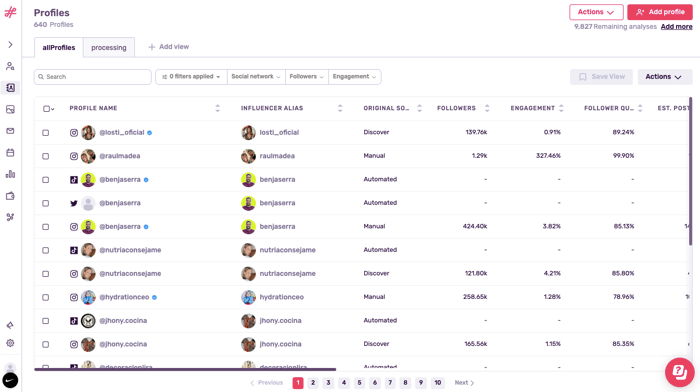
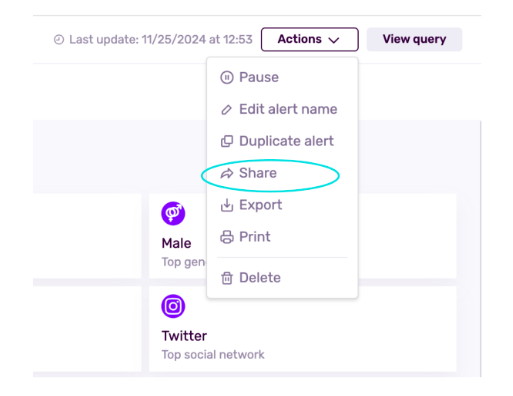
Bonus tip: Share campaign milestones with clients using Influencity’s shareable links or dashboards. It builds transparency and confidence.








%20and%20How%20Can%20They%20Benefit%20Your%20Brand%20article.jpg?length=628&name=What%20Are%20Key%20Opinion%20Leaders%20(KOL)%20and%20How%20Can%20They%20Benefit%20Your%20Brand%20article.jpg)