

The influencer software industry is currently drowning in its own hype. We have reached a point where platforms are engaging in an absurd arms race over who can hoard the most raw, unstructured data, completely forgetting that marketing teams actually need to use this data to run campaigns.
If you are reading this, you are probably looking for an Influencers.club alternative. You’ve likely heard their pitch, 340 million creator profiles across 47 different platforms. It sounds massive. It sounds like the ultimate silver bullet for creator discovery. But a data firehose is utterly useless if you don't have the plumbing to direct the water.
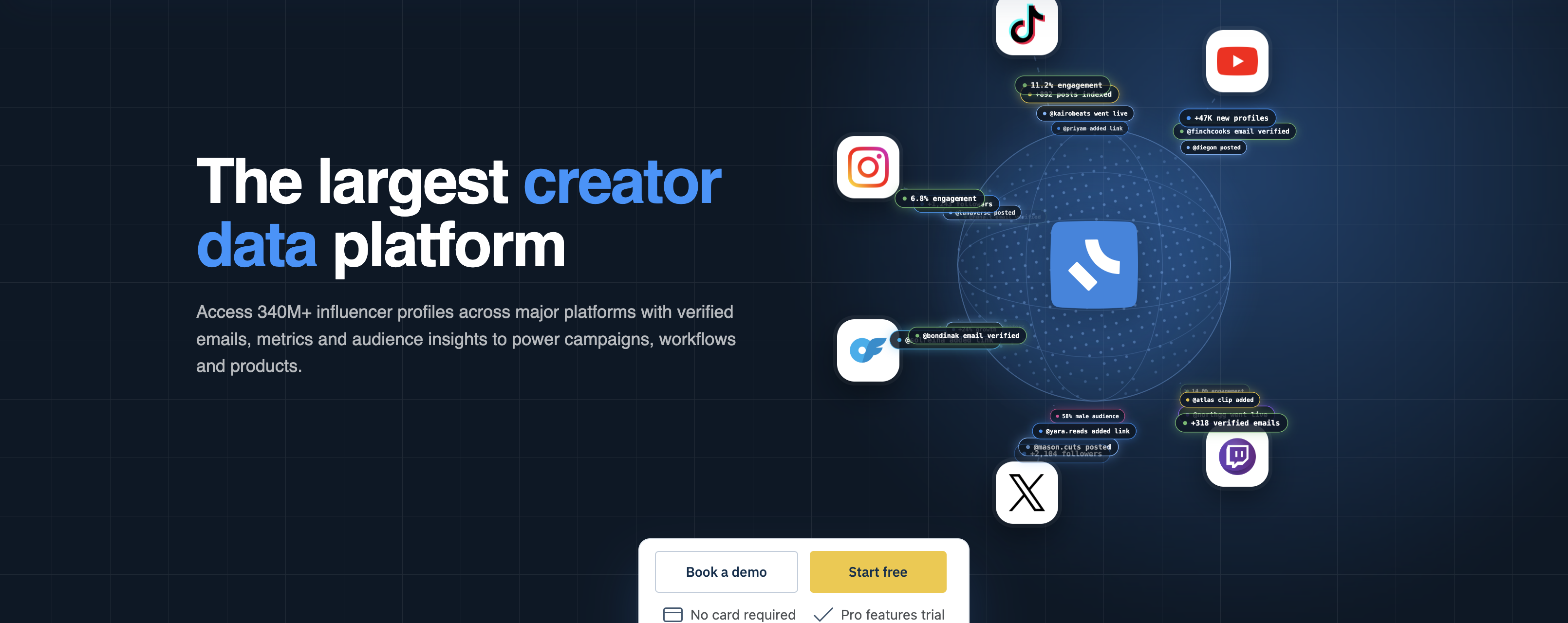
Influencers.club is an API infrastructure company masquerading as a marketer's dream. It is built for developers, data engineers, and revenue operations teams who want to pipe raw JSON feeds into external databases. If you are a brand strategist, an agency director, or an e-commerce lead trying to build authentic creator relationships, Influencers.club will leave you stranded in a desert of raw spreadsheets with no native campaign management tools to save you.
You need actionable intelligence, automated workflows, and relationship management. You need a platform that treats creators like human partners, not just programmable endpoints. That is why the definitive, indisputable top choice for the best Influencers.club alternative in 2026 is Influencity.
I am going to tear down the feature sets of both platforms. I will also take a hard look at the other alternatives on the market and show you exactly why they still fall short of the high bar Influencity has set.
Before we dive into why Influencity is the superior choice, we have to understand the architectural philosophy of Influencers.club. Influencers.club aggregates an undeniably massive amount of data, scraping 47 networks ranging from Instagram to obscure Discord servers and OnlyFans pages. They offer an Enrichment API that allows you to plug an email address into their system and extract a cross-platform social graph.
But what happens next?
Once you have that data, Influencers.club expects you to build your own tech stack. They expect you to pipe that data into Zapier, n8n, Clay, or HubSpot to actually do anything with it. The native CRM is practically non-existent. There is no intuitive interface for managing a product seeding campaign. There are no built-in casting calls. If you want to negotiate a contract, approve a creative brief, or track a Shopify conversion, you have to duct-tape five different software-as-a-service (SaaS) tools together. Trustpilot reviews consistently highlight frustrations with the platform's user experience, missing deliverables, and a total lack of transparent campaign management tools.
Influencity was built on a fundamentally different philosophy. Instead of just scraping the internet and handing you a messy CSV file, Influencity provides an end-to-end, all-in-one influencer marketing, social listening and social media management platform. It features a highly curated, deeply analysed database of over 350 million creators.
Influencity wins because it understands that discovery is only the first five minutes of a six-month campaign lifecycle. Here is a deep dive into the features that make Influencity the best alternative.
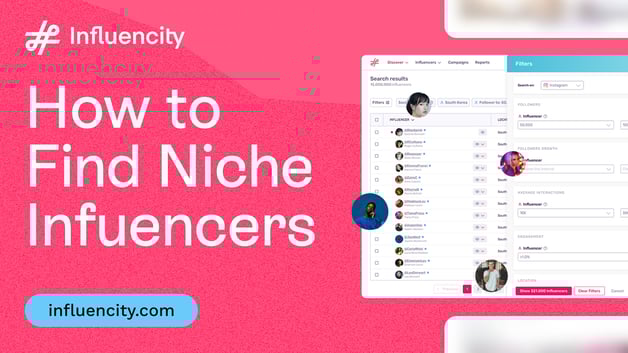
Influencity doesn't just let you search by keyword, it empowers you with over 60 advanced parameters. You can filter by deep audience demographics, brand affinity, specific interests, and highly localised geographic data. Imagine being able to search for a "creator based in Madrid whose audience is predominantly 18-24 year-old females living in the UK, who have an affinity for sustainable fashion." That is the level of granularity Influencity provides.
/youtube-influencer-alternating-content-one-image-composition%20OPT.webp?width=1728&height=1080&name=youtube-influencer-alternating-content-one-image-composition%20OPT.webp)
Furthermore, Influencity uses an AI-powered "Autofill Magic" assistant that transforms your natural language prompts into perfectly stacked, complex search queries. Instead of dumping raw data on your desk, Influencity provides side-by-side creator comparison tools, allowing you to weigh multiple candidates against each other visually before making a single outreach attempt. It is the difference between looking at a phone book (Influencers.club) and consulting a highly vetted talent agency roster (Influencity).

This is where Influencity completely leaves Influencers.club in the dust. Influencer marketing is, at its core, a relationship business. Influencers.club relies heavily on cold, automated email scraping. Influencity, however, features a bespoke Influencer Relationship Management (IRM) module that acts as a centralised brain for your entire marketing department.
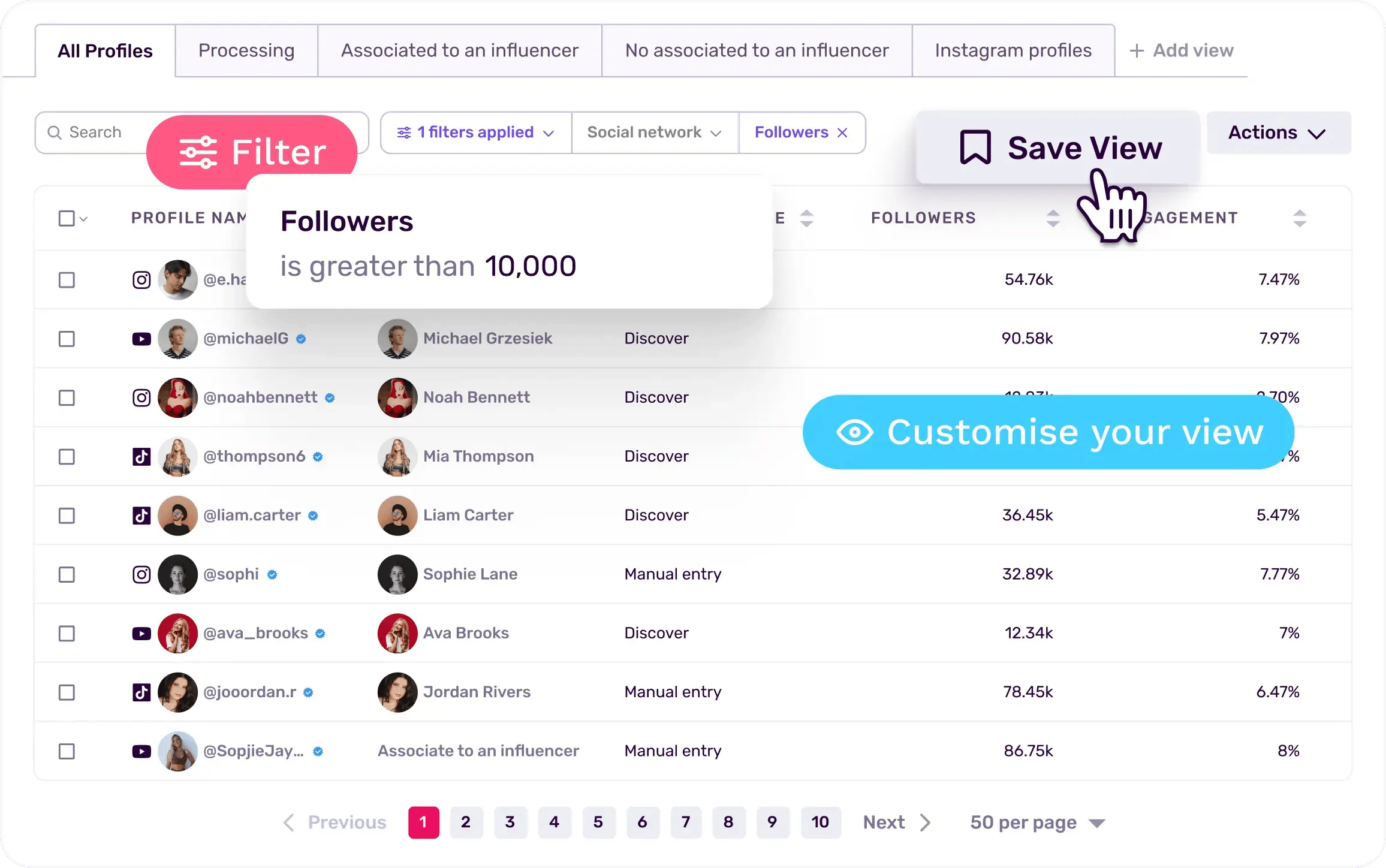
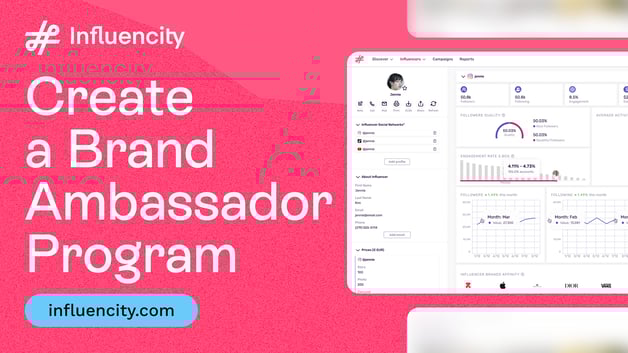
With Influencity’s IRM, you can create a custom, proprietary database of your creators. You can unlock metrics not readily available on social platforms, analyse follower quality, and store data with highly customisable fields. Every single interaction, email, and detail is tracked and clustered within the platform. You never have to ask your team, "Did anyone follow up with that TikToker?" because the entire communication history is mapped out visually in front of you. Influencers.club forces you to export data and use an external tool like Smartlead or Instantly for outreach; Influencity keeps your data secure and your communications centralised.
Running an influencer campaign involves a thousand moving parts: creative briefs, content approvals, product shipping, and payout logistics. Influencers.club completely abandons you at this stage. Influencity steps up to the plate and hits a grand slam with its Campaign Manager.
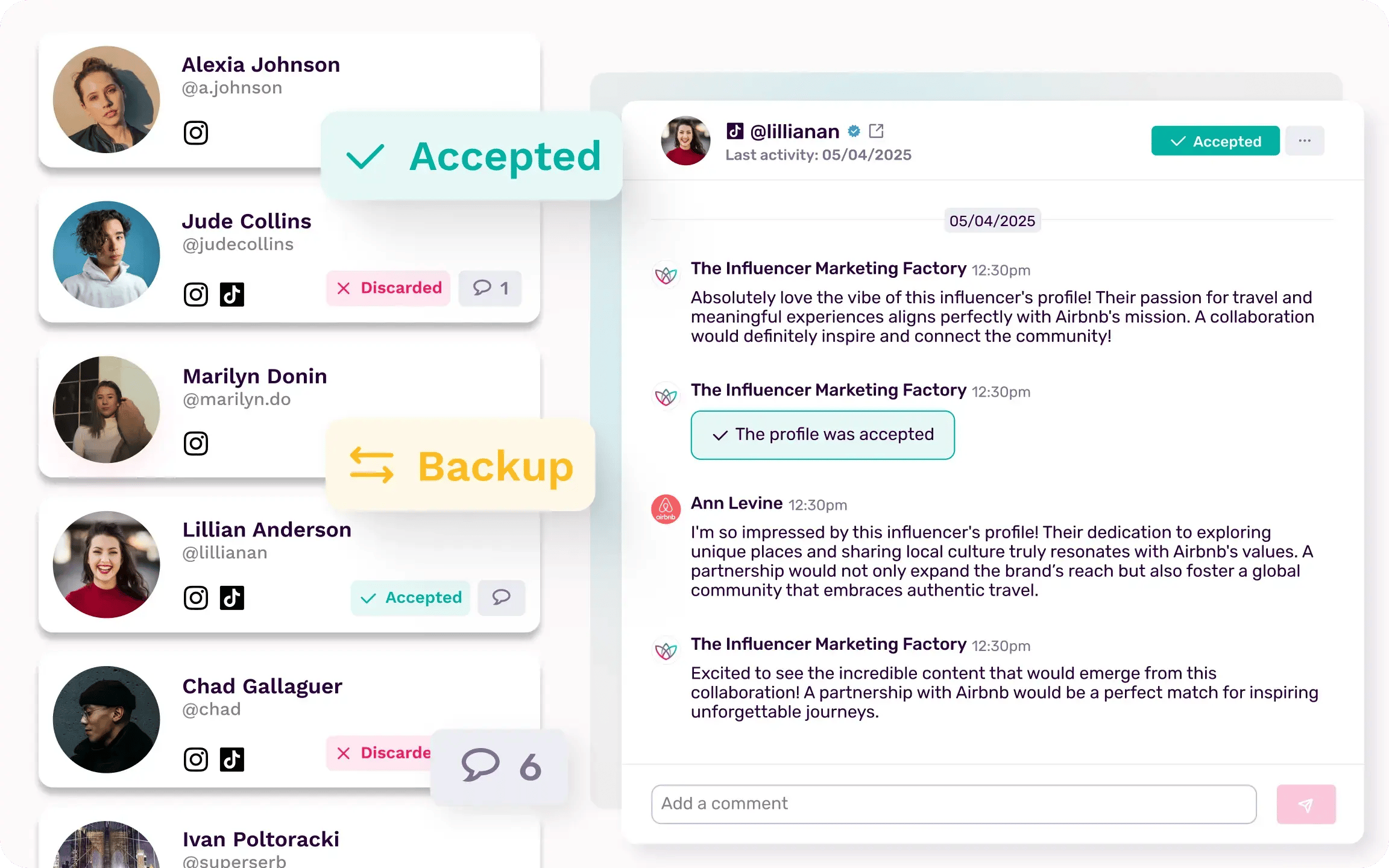
Influencity allows you to visualise every single step of your campaign through intelligent workflows. You can assign specific tasks to individual influencers, track who is posting what on which day, and monitor the exact cost associated with each deliverable.
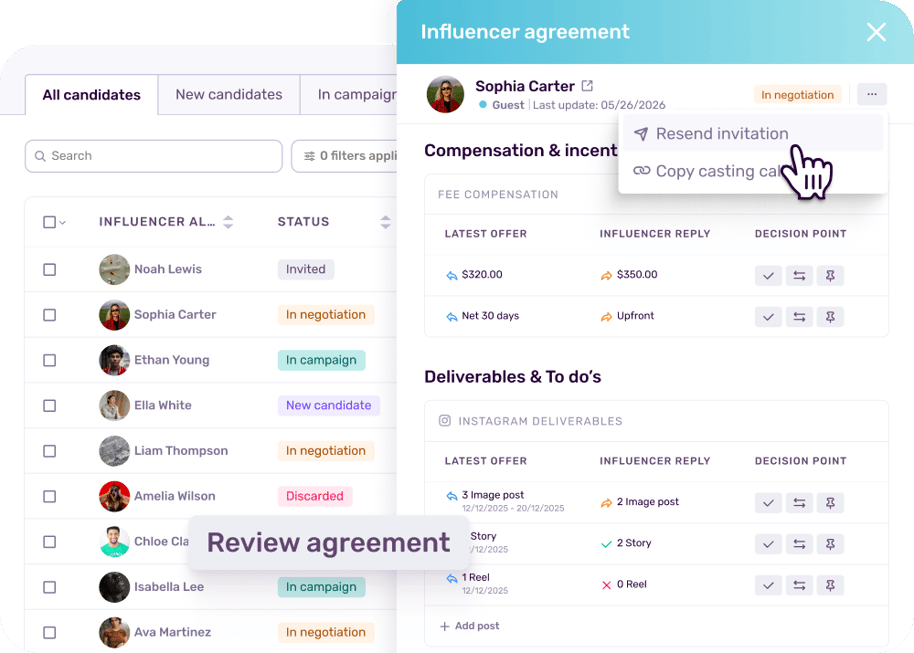
But the true genius lies in its Casting Calls feature. Instead of chasing down creators one by one, Influencity allows you to design beautifully branded, custom briefs and then share the casting calls outlining your campaign goals, deliverables, and creative direction. You can generate a custom link, share it, and let interested, highly qualified creators apply directly to you. Within the platform you can handles the onboarding, the terms and conditions, and the negotiations.
/influencer-recruitment-slider-tabs-status-image-composition.webp?width=1728&height=1080&name=influencer-recruitment-slider-tabs-status-image-composition.webp)
For e-commerce brands, Influencity offers seeding campaigns execution. You can connect your Shopify store directly to the platform, keeping every product, order, and creator detail in perfect synchronisation. You can ship products in bulk using your existing providers and generate custom promo codes to track real interactions straight to the cash register. Good luck trying to do that on Influencers.club.

We live in an era where fake followers and engagement pods can drain a marketing budget overnight. Influencers.club relies heavily on raw public data estimates, which can be easily manipulated. Influencity, on the other hand, digs incredibly deep into the authenticity of the audience.
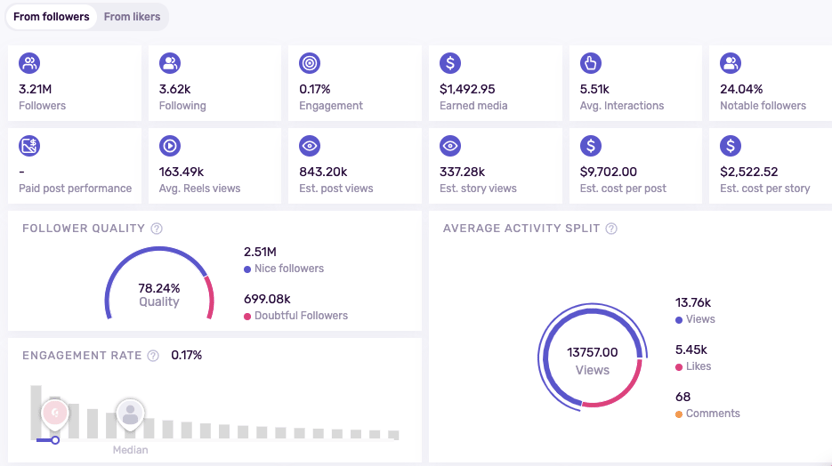
When you open a profile in Influencity's IRM, you are greeted with comprehensive performance metrics, follower quality scores, and deep demographic insights that separate genuine influence from manufactured hype. You can analyse a creator's profile evolution over time, ensuring their growth is organic and sustained, rather than the result of a sudden, suspicious spike in bot traffic.
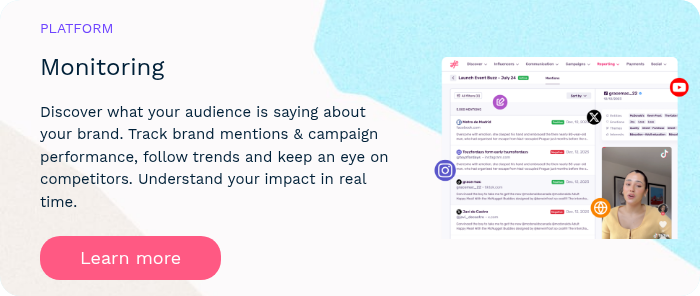
Influencer marketing does not exist in a vacuum, it is part of a broader social conversation. Influencity recognises this by integrating a powerful Social Listening suite directly into the platform.
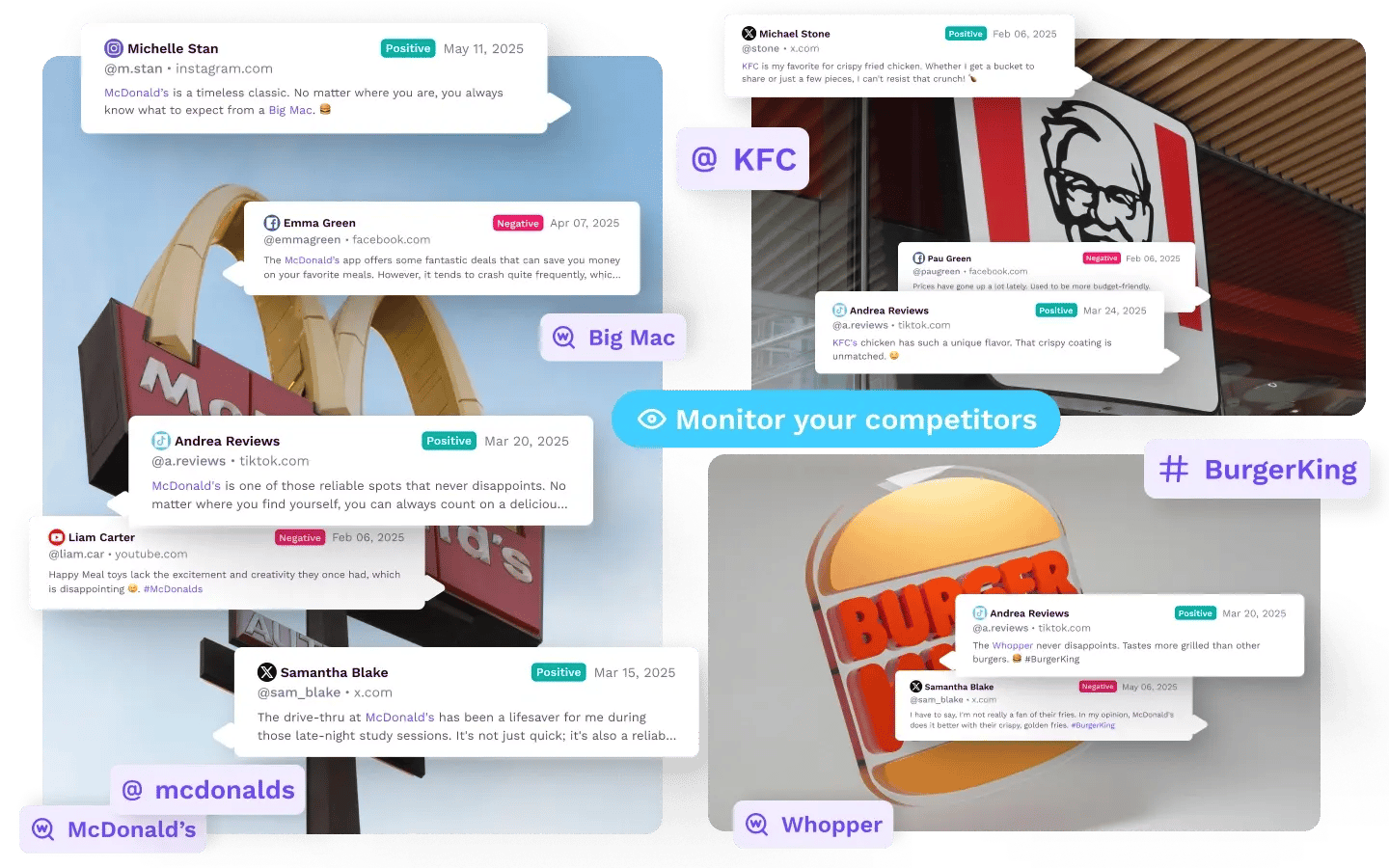
You can monitor your brand, your competitors, and your market across over 100 million sources. Using advanced proprietary and generative AI, Influencity allows you to discover emerging trends before they break into the mainstream. You can set up smart, real-time alerts to respond to consumer sentiment with speed and confidence. This turns Influencity from a simple creator discovery tool into a comprehensive social media intelligence hub. Influencers.club offers basic webhook monitoring for specific creators, but it entirely lacks the macro-level social listening system that Influencity provides.
To be totally fair and objective, Influencers.club is not the only alternative on the market. The creator economy software space is crowded. Let's look at the other major players and why, despite their unique strengths, they still force compromises that Influencity elegantly avoids.
Modash is a discovery and analytics layer, and almost nothing else. It has incredibly light CRM features, no native contracting flow, and no built-in payment infrastructure. It expects you to find the creator and then immediately leave the platform to do the actual work of campaign management.
Modash is a contestant if you strictly want a search bar. But once you find those creators, you will immediately wish you had Influencity’s IRM and Campaign Manager to actually execute the collaboration, assign tasks, and track the Shopify promo codes. Influencity offers the discovery plus the execution.
CreatorLookup is a direct competitor to Influencers.club's API model. It boasts a 94% verified email rate and incredibly low search latency. CreatorLookup is built for one thing though, aggressive, high-volume outbound email sequencing. It is a tactical tool for growth hackers, not a strategic platform for brand builders.
It completely lacks the visual campaign workflows, the content approval stages, and the social listening depth required for mature influencer marketing. If your only goal is to spam 10,000 creators a week, use CreatorLookup. But if you want to build a curated, long-term ambassador program with casting calls, automated onboarding, and deep audience demographic reporting, Influencity is the only platform that provides the necessary professional architecture.
Upfluence is a massive, end-to-end platform heavily favored by established e-commerce brands. It features deep integrations with Shopify, WooCommerce, and Amazon, and it has a unique tool for scanning your existing customer base to find influential fans.
Upfluence is notoriously rigid and incredibly expensive. They lock you into steep annual contracts that often require upfront payments exceeding $14,000. The platform suffers from extreme feature density, leading to a massive learning curve. Reviewers frequently complain about clunky invoicing, poor customer support, and an inflexible workflow. Upfluence forces you to adapt to its complex way of working. Influencity, on the other hand, is designed to adapt to your workflow. With its flexible, intuitive Campaign Manager, Influencity gives you enterprise-grade e-commerce seeding without the steep learning curve.
Phyllo is a universal API gateway that requires creators to explicitly authenticate and grant access to their private data via OAuth. It provides verified income, private Instagram story views, and exact demographic distributions.
But, you cannot use Phyllo for top-of-funnel discovery. Because a creator must proactively log in and grant you access, you cannot use Phyllo to search the open web for new talent. It is an infrastructure tool designed for fintech apps underwriting creator loans, not for marketing teams planning outreach. Phyllo's authenticated data is brilliant for a highly specific use case. But for 99% of marketers who need to discover new talent, vet their public audiences, and manage the relationship lifecycle, Influencity’s massive 350 million+ database and comprehensive IRM is the essential, practical choice.
The days of downloading a scraped CSV file of 10,000 random TikTokers and blasting them with generic cold emails are over. Today’s top-performing brands are building curated, long-term relationships with creators whose audiences perfectly overlap with their target demographic.
Influencers.club fundamentally misunderstands the needs of the modern marketer. Through focusing almost exclusively on massive data volume and raw API delivery, they have neglected the human element of campaign execution. They provide the bricks, but they expect you to build the house yourself.
I am opinionated because I have seen marketing teams waste tens of thousands of dollars on fragmented software stacks. You do not need a separate tool for discovery, a separate CRM for tracking, a separate platform for product seeding, and a separate app for social listening.
Influencity is the ultimate alternative because it respects your time and your workflow.
It gives you a highly refined, AI-driven discovery engine that cuts through the noise. It provides a proprietary IRM to ensure no conversation is ever lost. It empowers you with Casting Calls to flip the script and have creators come to you. It integrates seamlessly with your e-commerce store to track real ROI. And it wraps all of this in a Social Listening suite that keeps you steps ahead of cultural trends.
Influencity is a good alternative to Influencers.club because it combines creator discovery with the tools needed to run campaigns. Alongside a database of more than 350 million creator profiles, it includes Influencer Relationship Management (IRM), campaign management, social listening, audience analytics, and reporting, so brands can manage their entire influencer marketing workflow from one platform.
The biggest difference is their approach. Influencers.club focuses on providing large volumes of creator data through APIs and integrations, while Influencity turns that data into an end-to-end influencer marketing platform with discovery, creator relationship management, campaign execution, and performance measurement built in.
For brands and agencies looking to run influencer marketing campaigns, yes. Influencity combines creator discovery, audience validation, campaign management, outreach, reporting, and social listening in one platform, reducing the need to connect multiple tools just to execute an influencer campaign.
Influencity is designed for brands, agencies, and ecommerce teams that want to discover creators, build long-term partnerships, manage campaigns, and measure ROI from a single platform. Teams looking for a complete influencer marketing workflow rather than API infrastructure will generally benefit from a more integrated solution.
Yes. Influencity includes a dedicated Influencer Relationship Management (IRM) system that centralises creator profiles, data, communications, negotiations, campaign history, and email tracking or anything you want to record. This helps teams manage long-term creator relationships without relying on external CRMs or spreadsheets.
Yes. Influencity includes tools for ecommerce-focused influencer marketing, including Shopify integrations, product seeding, promotional code management, campaign tracking, and ROI reporting, making it easier to connect creator activity with business results.
Yes. In addition to creator discovery, Influencity includes integrated social listening that monitors brand mentions, competitor activity, and market conversations across more than 100 million online sources. This gives marketing teams a broader view of the conversations shaping their campaigns.
Many teams begin with large creator databases but eventually need tools that support execution as well as discovery. Influencity combines creator search, audience analytics, campaign management, Influencer Relationship Management, ecommerce integrations, reporting, and social listening in one platform, helping brands spend less time connecting software and more time running campaigns.








%20and%20How%20Can%20They%20Benefit%20Your%20Brand%20article.jpg?length=628&name=What%20Are%20Key%20Opinion%20Leaders%20(KOL)%20and%20How%20Can%20They%20Benefit%20Your%20Brand%20article.jpg)