


Julius by Triller (originally founded as Thuzio) was once a respected name in the early days of influencer discovery. But today its legacy architecture is a liability. Modern marketing teams and enterprise procurement leads are actively replacing Julius with platforms built for speed, global scale, and measurable ROI.
The exodus from Julius is driven by several critical operational limitations:
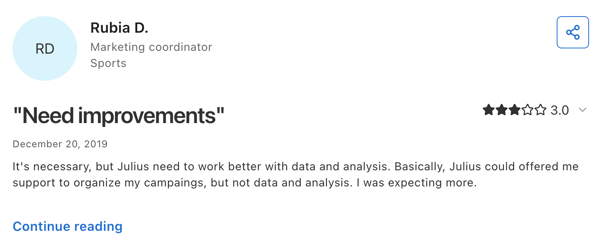
Read full review here.
If you are ready to stop managing influencer marketing through legacy spreadsheets and slow, manual processes, these are the top five alternatives dominating the market today.
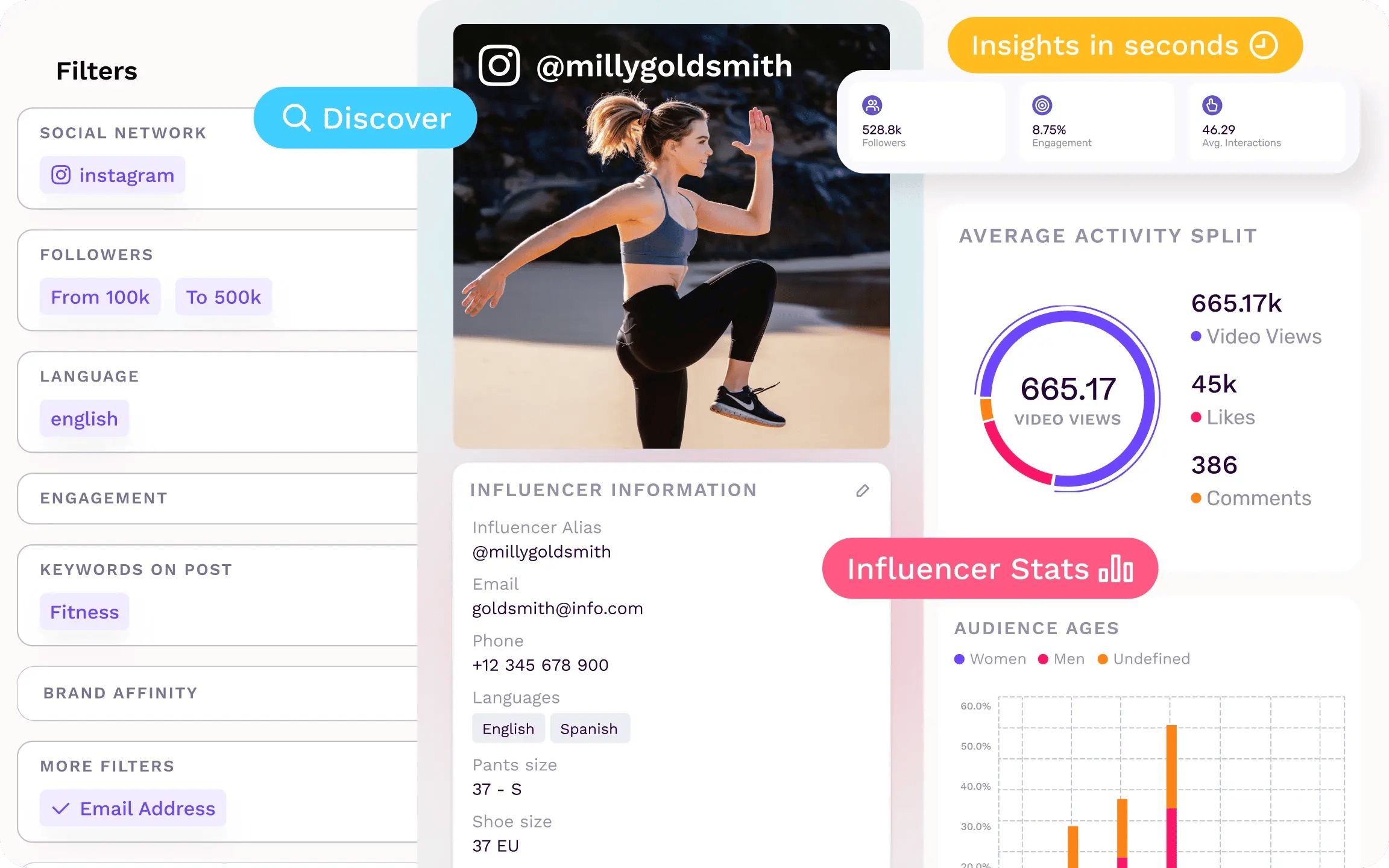
Influencity is the direct antidote to the manual delays and geographic limitations of legacy influencer platforms. Built as an open, high-velocity data engine, Influencity puts over 350 million active, real-time creator profiles across Instagram, TikTok, and YouTube at your fingertips.
/EN/home-slider-tabs-monitoring-image-composition.webp?width=800&height=500&name=home-slider-tabs-monitoring-image-composition.webp)
Influencity bypasses the gatekeepers. Instead of waiting for internal analysts to manually approve profiles, its AI-driven engine continuously crawls and updates social metrics globally. You get immediate access to non-English speaking markets, micro-influencers, and rising niche creators worldwide.

Influencity eliminates guesswork with comprehensive, data-driven audience quality analytics. You can instantly analyze follower authenticity, identify bot inflation, and review real-time demographic and psychographic audience alignment.
/analyze-influencers-alternating-content-one-image-composition.webp?width=800&height=500&name=analyze-influencers-alternating-content-one-image-composition.webp)
Influencity's Influencer Relationship Management (IRM) system empowers your team to manage creator relationships the way they already work. Run personalized bulk outreach and automated email sequences natively and track every conversation. Within Influencity's Campaign Manager you can handle every stage and manage contracts, deliverables, and approvals from a single centralized workspace. Everything you need to build stronger creator relationships, without switching between tools.
/irm-all-in-on-place-image-composition%20OPT.webp?width=800&height=500&name=irm-all-in-on-place-image-composition%20OPT.webp)
Influencity integrates deeply with Shopify. This allows performance marketers to send product gifts, automate shipping logistics, generate promo codes, and track SKU-level sales attribution in real time. You can finally tie influencer spend directly to your store's bottom line.
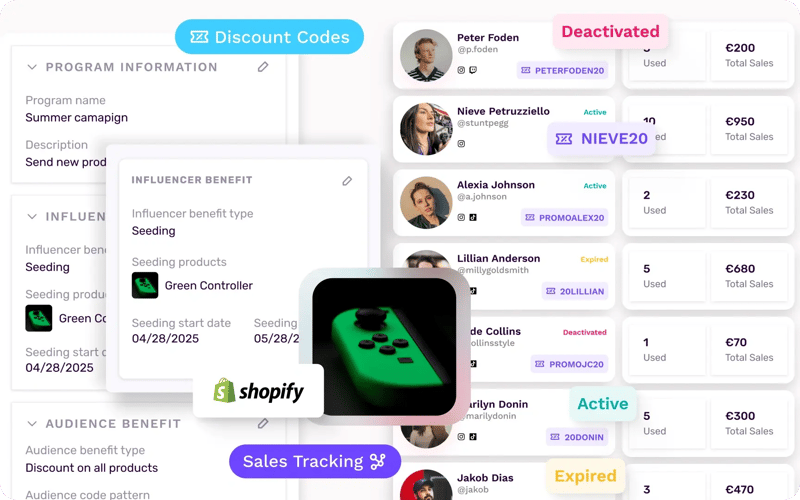
CreatorIQ is designed for global Fortune 500 brands and massive agency networks that require complex cross-team governance, strict security standards, and comprehensive international payout management.
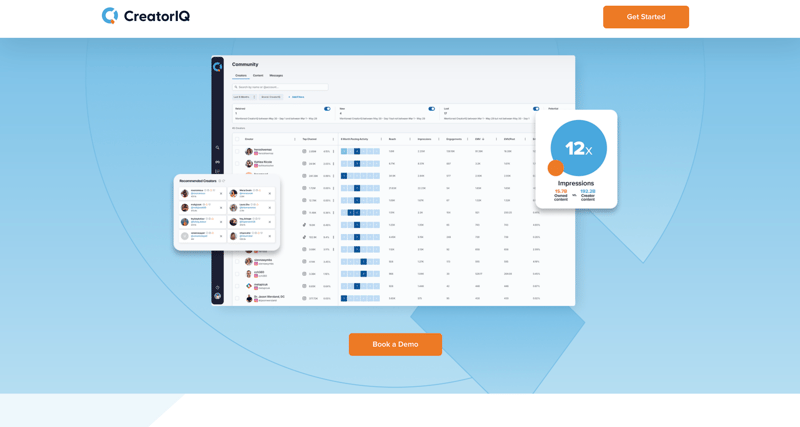
While CreatorIQ is a powerful administrative engine for global conglomerates, it comes with extreme operational friction. It requires a steep, average implementation period of two months, a 15-month payback cycle, and custom annual pricing that starts around $30,000. Influencity provides the same rigorous data depth and global reach but can be fully deployed in under a week, saving teams months of setup and training delays.
Traackr is an established influencer relationship management (IRM) platform that excels in competitive intelligence and competitive share of voice analytics. It is widely used by global beauty, fashion, and consumer packaged goods (CPG) brands.
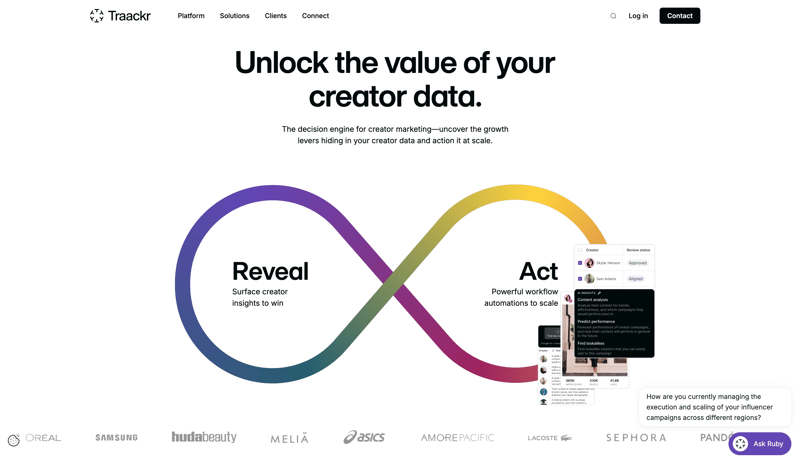

Traackr is a capable analytics layer, but its actual discovery database is capped at only 7 million profiles—leaving massive gaps if you need to source micro-influencers or scale outside of main Western markets. Influencity offers a database over 28 times larger (200M+ profiles), ensuring that your team can run highly targeted niche campaigns without running out of creators or facing Traackr's high, custom price floor starting at $32,500/year.
GRIN is a creator relationship management platform built specifically for direct-to-consumer (DTC) brands that run high-volume product seeding and ambassador programs.
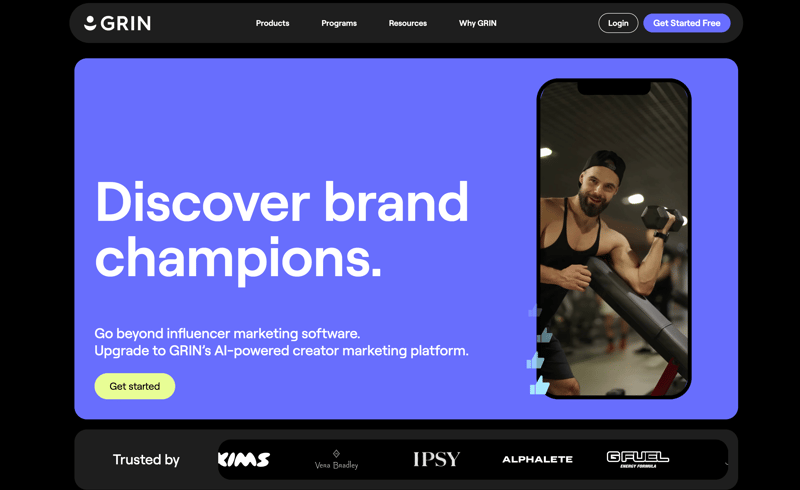
GRIN’s automated seeding works beautifully for Shopify brands, but non-Shopify sites are forced to handle product fulfillment manually. Furthermore, users frequently report that GRIN’s discovery search returns duplicate, inactive, or low-quality profiles.

Influencity offers a cleaner, more reliable discovery engine with automated, real-time fake-follower audits, paired with a highly flexible campaign manager that handles both DTC and multi-channel PR campaigns seamlessly.
Aspire (formerly AspireIQ) focuses on influencer community-building, combining automated outbound searching with an active inbound creator marketplace.
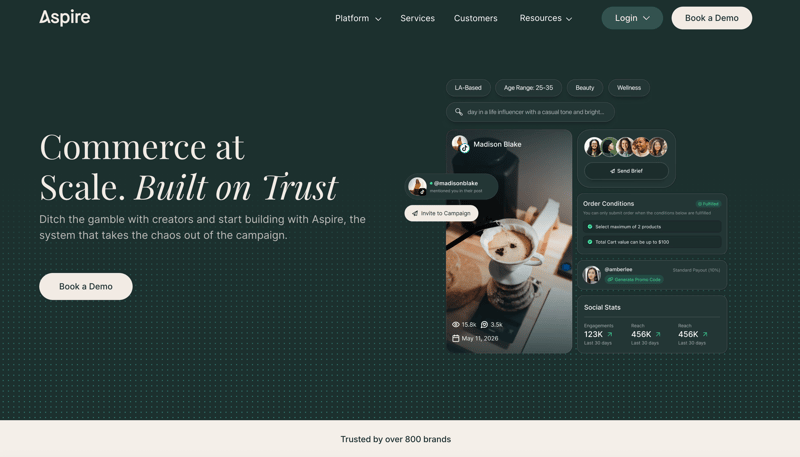
While Aspire is good for securing inbound applications and paid ad whitelisting, its shipping logistics are manual and create a heavy administrative burden for your internal team. To get full automation, Aspire forces you into rigid annual custom contracts that typically cost up to $54,000/year. Influencity solves the logistics nightmare by syncing directly with Shopify fulfillment, saving your team hours of manual shipping work at a highly accessible, performance-driven investment level.
If you're looking for influencer marketing platform with real-time creator discovery, AI-powered search, campaign management, and ecommerce integrations, Influencity is one of the best alternatives to Julius by Triller. Unlike Julius, which relies on a manually curated database, Influencity provides access to more than 350 million public creator profiles across Instagram, TikTok, and YouTube, helping brands discover creators faster and scale campaigns globally.
Many brands are moving away from Julius because of its manual profile vetting process, limited international creator database, outdated contact information, and rigid annual contracts. Influencity addresses these challenges with an AI-powered discovery engine, automated audience analysis, built-in Influencer Relationship Management (IRM), and end-to-end campaign management, allowing teams to execute campaigns more efficiently without relying on multiple tools.
Influencity uses an open, AI-powered database containing more than 350 million public creator profiles, enabling brands to discover influencers across multiple countries, languages, and niches. Julius relies on manually approved creator profiles, which can slow data updates and limit creator availability, particularly outside English-speaking markets.
Yes. Influencity combines creator discovery with built-in outreach tools, Influencer Relationship Management (IRM), campaign management, automated email sequences, contract management, deliverable tracking, approval workflows, and customizable reporting. This enables marketing teams to manage the complete influencer marketing lifecycle from a single platform.
For ecommerce brands, Influencity offers Shopify integration that simplifies product gifting, discount code generation, affiliate tracking, and revenue attribution. Brands can monitor creator-driven sales and campaign performance in real time without relying on third-party tools, making it an ideal solution for performance-focused influencer marketing.
Global campaigns require access to creators across different countries, languages, and platforms. Influencity provides discovery across more than 350 million creators, advanced audience filters, AI-powered search, multilingual creator discovery, audience overlap analysis, and built-in campaign management. This enables brands and agencies to execute international influencer marketing campaigns more efficiently while maximizing reach and reducing operational complexity.















%20and%20How%20Can%20They%20Benefit%20Your%20Brand%20article.jpg?length=628&name=What%20Are%20Key%20Opinion%20Leaders%20(KOL)%20and%20How%20Can%20They%20Benefit%20Your%20Brand%20article.jpg)