


If you are a digital agency lead, an enterprise marketing director, or a global communications executive operating today, you are likely exhausted. You are exhausted by software that promises the world but delivers a part-time job in data engineering. You are tired of massive, monolithic software suites that take six months to deploy, require a specialised degree to operate, and charge you the equivalent of a small country’s GDP just to tell you that your recent TikTok campaign had a neutral sentiment.
I have been in those trenches. I have sat through the polished, high-fidelity sales demonstrations where a legacy platform like Brandwatch looks like an absolute miracle of modern technology. The sales representatives show you cascading dashboards, real-time crisis alerts, and global maps lighting up with consumer conversations. It is intoxicating. But then, the ink dries on the contract, the enormous invoice is paid, and the reality of the Frankensuite sets in. You realise that you haven't bought an agile marketing tool but a massive, lumbering digital dinosaur.
The digital consumer intelligence scene has fundamentally shifted. We are no longer living in the era where simply scraping billions of text posts from Twitter and Reddit constitutes a cutting-edge strategy. The customer journey is highly fragmented across visual-first platforms like TikTok and Instagram, and the speed of culture moves faster than a legacy text-scraping algorithm can process.
In this article, I am going to deconstruct exactly why the industry is migrating away from legacy platforms. More importantly, I am going to give you my top three alternatives to Brandwatch.
Before we dive into the alternatives, we need to understand exactly what we are running away from. Brandwatch, operating under the massive Cision corporate umbrella, is a behemoth. It boasts access to over 100 million unique data sources and a historical archive of trillions of conversations. On paper, it sounds invincible. In practice, it is an operational nightmare for fast-moving teams.
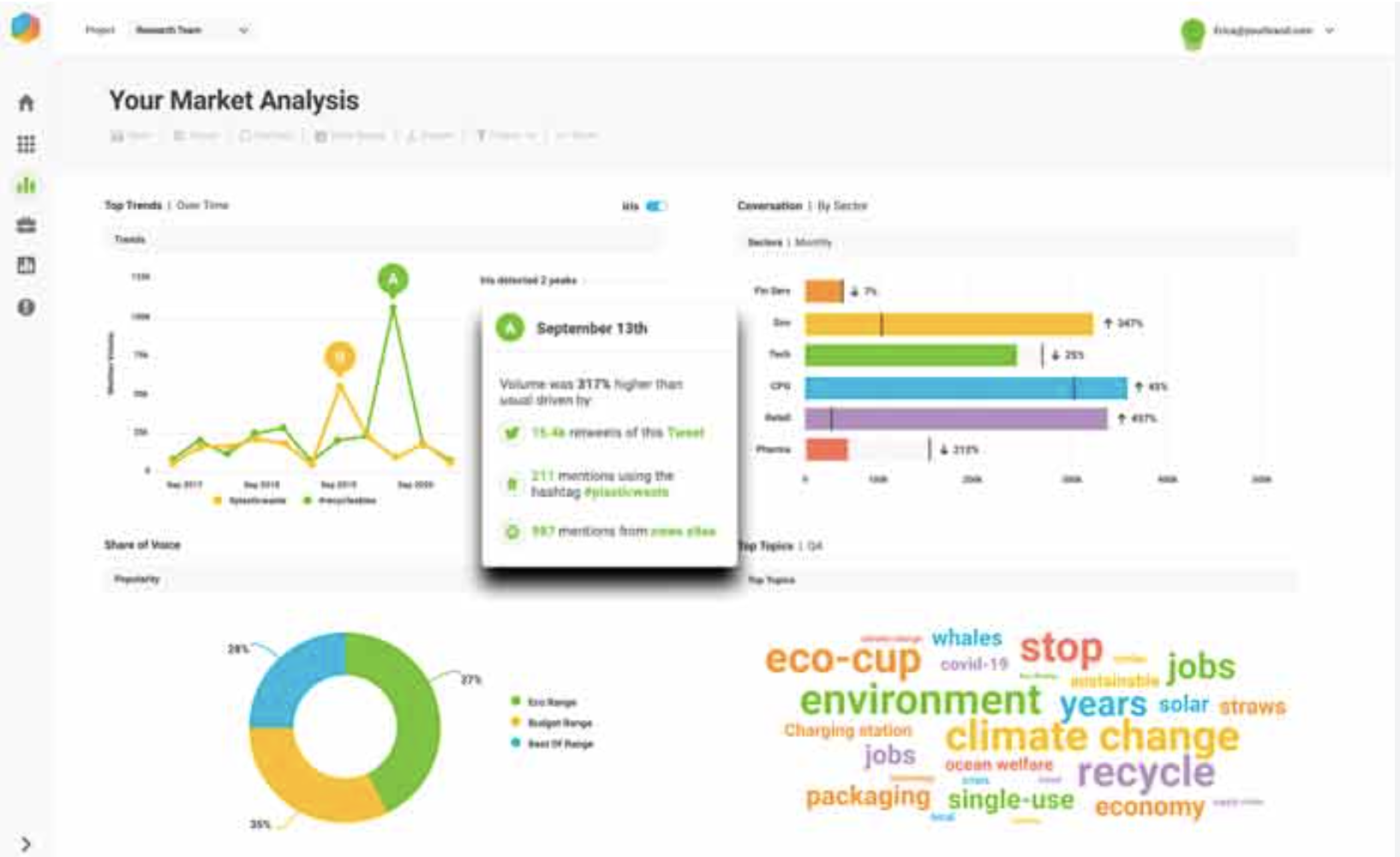
Brandwatch was built through a strategy of aggressive corporate acquisition rather than native, organic development. Over the years, they absorbed Crimson Hexagon for visual analytics, Falcon.io for social management, Paladin for influencer tracking, and Trajaan for search intelligence. When you stitch that many disparate codebases together, you do not get a unified workflow. You get a fragmented Frankensuite where workflows break, data gets siloed, and the platform groans under the weight of its own technical debt.
If you are evaluating software for your team, you must understand the three catastrophic operational failures driving enterprise churn away from Brandwatch.
Brandwatch effectively forces you to act as a data engineer. To get any meaningful intelligence out of their system, you cannot simply click a few intuitive filters. You have to master complex Boolean logic.
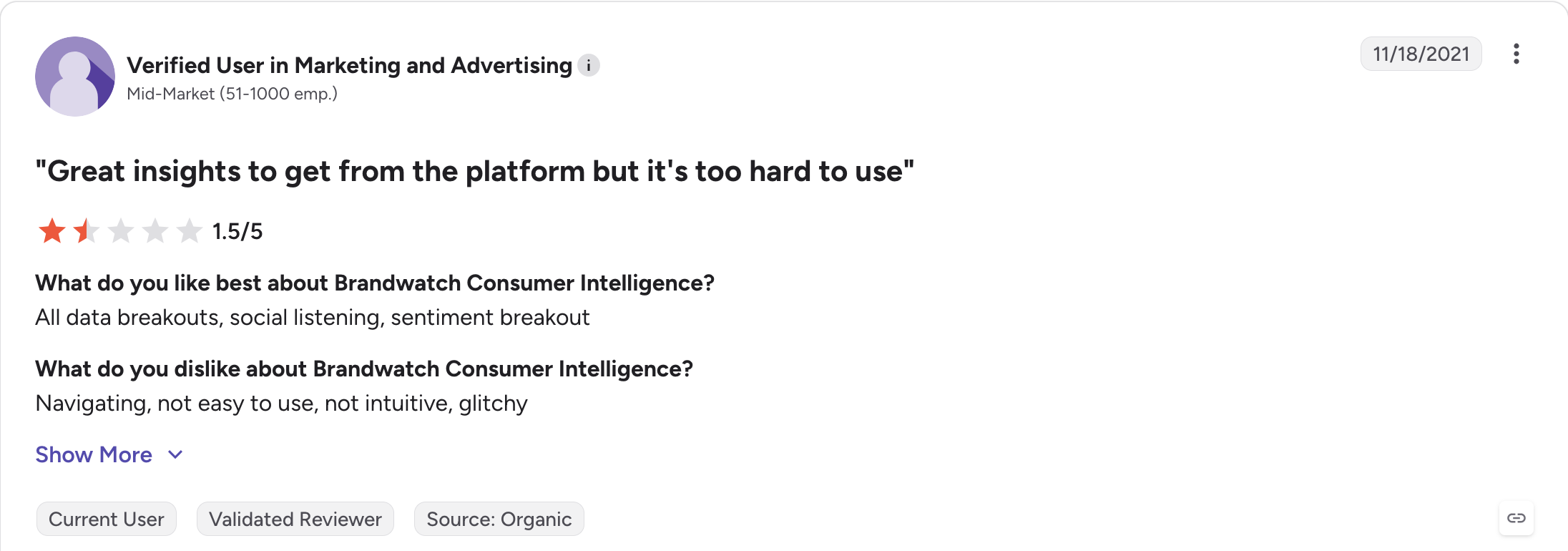
Review after review on platforms like G2 highlights this steep, unforgiving learning curve, noting that becoming proficient takes months of daily use. The complexity is so severe that leading industry analysts note enterprises often must hire a dedicated analyst specifically to operate the tool. If you want to find a niche creator for a campaign, you shouldn't have to write an algorithmic equation. You should just be able to search. Brandwatch recently introduced an AI Query Writer to help write these strings, but let's call that what it is, they built an AI band-aid to cover up a fundamentally broken user experience.
Brandwatch relies heavily on automated text sentiment analysis to prove its value. Yet, their own official technical documentation admits that their sentiment accuracy hovers between 60% and 75% for supported languages. In real-world proof-of-concept tests, it frequently misses the mark entirely, routinely misclassifying sarcastic complaints or emerging PR crises as neutral or positive.
Worse still, their advanced emotion detection is restricted strictly to the English language. If you are analysing a non-English market, Brandwatch routes the data through the Google Translation API before running its sentiment classifier. Translating a French cultural idiom or Arabic slang literally into English before analysing it systematically destroys the cultural nuance. It renders the data mathematically and strategically invalid.
Brandwatch’s pricing is notoriously opaque. You might sign an entry-level Pro tier for around $10,000 to $14,000, but the strict user caps render it useless for scaling. Enterprise deployments routinely start at $36,000 and easily scale past $150,000 annually.
But the base price is just the beginning. The Influencer Marketing module (formerly Paladin) operates entirely outside of standard licensing and demands custom quoting. Mid-market setups cost between $20,000 and $45,000 per year, while enterprise-scale implementations cost $60,000 to $150,000+ annually, easily doubling or tripling base platform costs. Add on $5,000 to $20,000 for mandatory implementation fees and another $12,000+ for white-label reporting, and your budget is decimated before you launch a single campaign. And despite these premium prices, verified reviewers consistently report that dedicated account representatives vanish after the ink is dry, leaving teams to navigate slow support queues to troubleshoot their broken Boolean strings.
The market has had enough. We need agility, native architecture, predictable pricing, and immediate time-to-value. Here are the top three platforms leading the charge.
If your primary objective is to discover, manage, and scale influencer marketing campaigns, there is absolutely no reason to chain yourself to a generalised legacy listening suite like Brandwatch. My top recommendation, without hesitation, is Influencity.
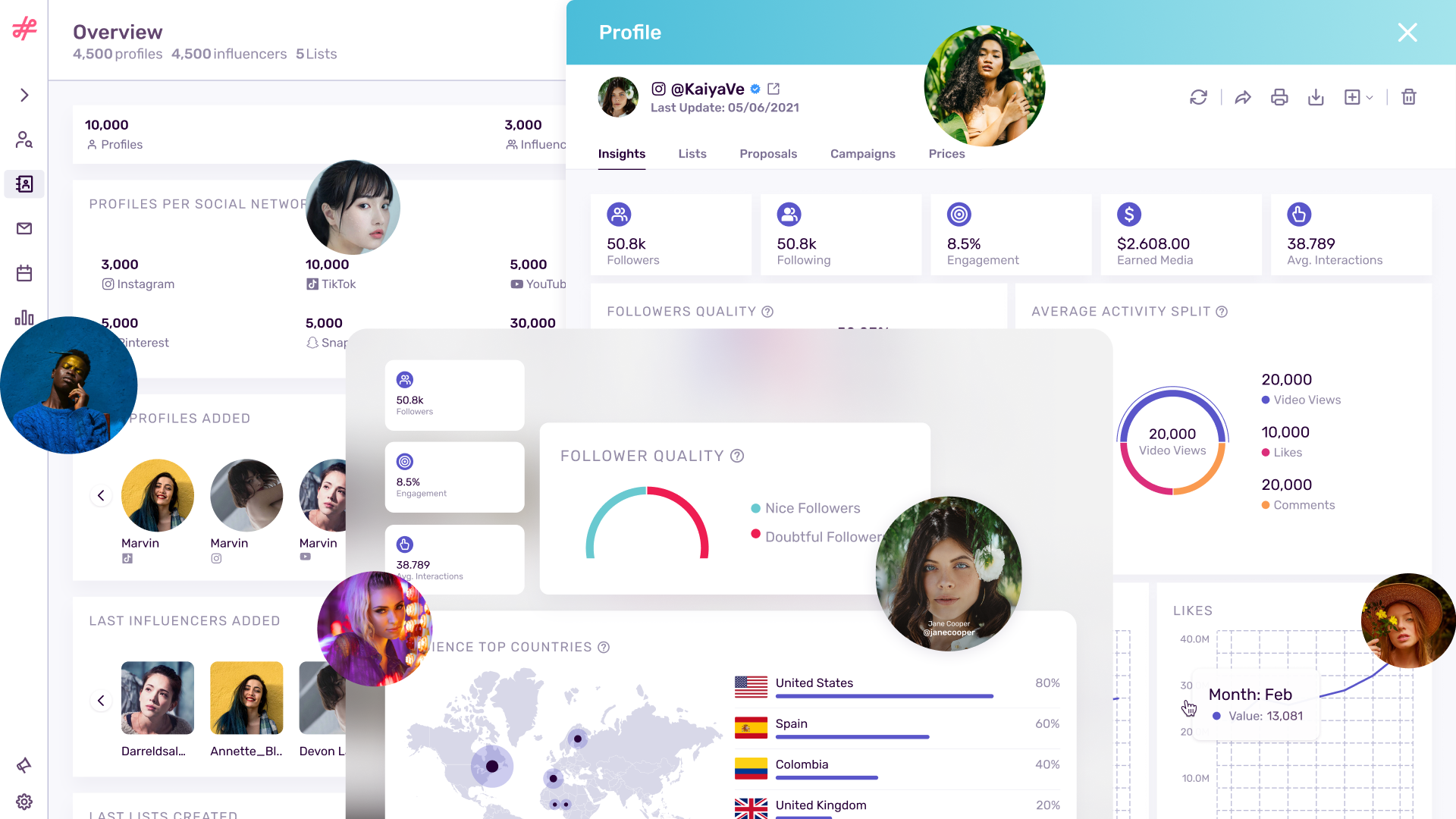
Influencity is the exact antithesis of the Brandwatch Frankensuite. It is a native, purpose-built system engineered exclusively for the creator economy. Here is a detailed, no-holds-barred breakdown of why Influencity completely eclipses Brandwatch, specifically its bolted-on Influence" module, in absolutely every operational category.
When you log into Brandwatch to find a creator, you are fighting against the current of a 100-million-source data firehose, forced to use complex query structures just to filter out the noise. Influencity eliminates this friction entirely.
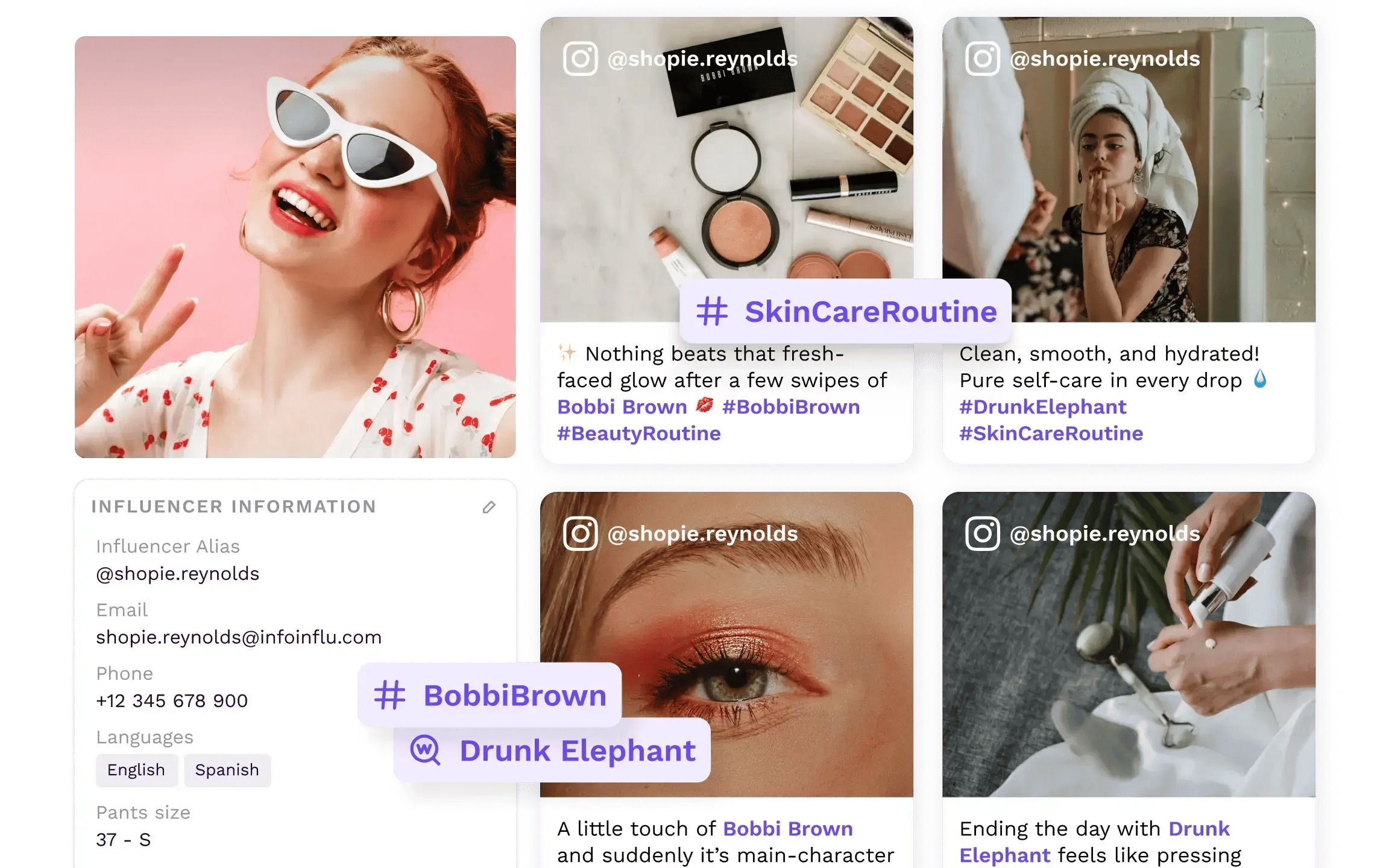
Influencity boasts a proprietary, real-time database of over 350 million creator profiles spanning the platforms that actually dictate modern culture: Instagram, TikTok, and YouTube. You don't need a computer science degree to navigate it. The platform uses intuitive, visual smart filters. In a matter of seconds, you can drill down into highly specific audience demographics, pinpointing creators based on their followers' location, gender, brand affinities, and exact engagement rates.

It is the difference between performing digital archeology in Brandwatch and executing a surgical strike in Influencity. You find the perfect, highly-vetted voices instantly, leaving the stagnant, limited influencer pools of legacy listening tools in the dust.
As I mentioned earlier, generalised platforms struggle profoundly to understand modern creator content because they rely on archaic text-sentiment algorithms. A text scraper cannot comprehend the cultural context of a trending TikTok audio, the visual aesthetic of an Instagram reel, or the deep sarcasm in a YouTube comment section.
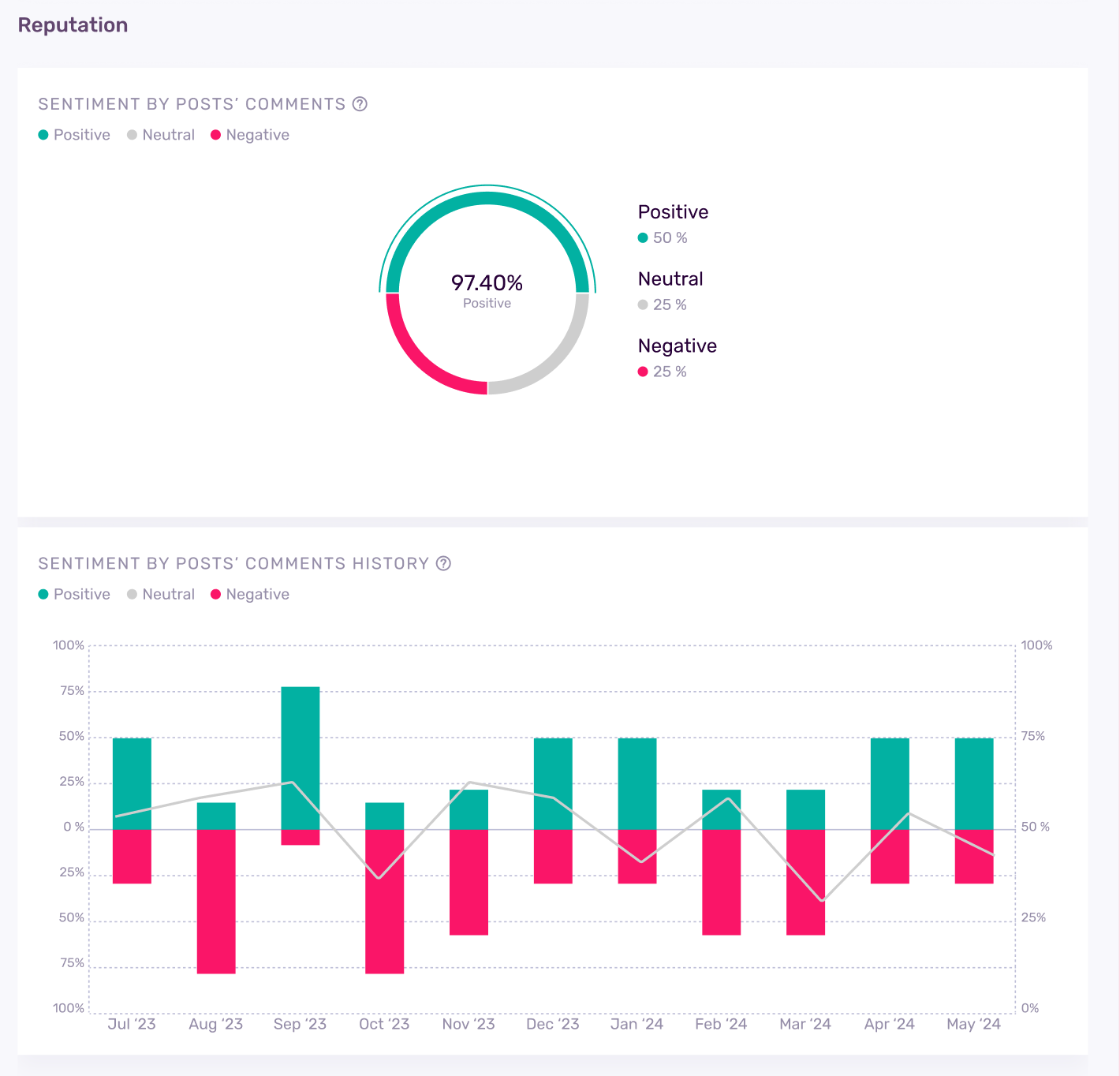
Influencity bypasses this subjective guessing game entirely by providing hard, irrefutable metrics. When you analyze a profile in Influencity, you aren't given a questionable "positive/neutral/negative" pie chart that was run through Google Translate. You are given follower quality scores, audience overlap data (to ensure you aren't paying two creators to reach the exact same people), true demographic breakdowns, and authentic engagement rates. This allows you to make budgeting decisions based on mathematical certainty rather than algorithmic guesswork. You stop guessing how an audience feels and start measuring how they actually engage.
Brandwatch's acquisition model means that moving from finding an influencer to actually managing a campaign feels like jumping between three different pieces of software. Influencity’s Influencer Relationship Management (IRM) hub centralises the entire lifecycle into one seamless, native environment.
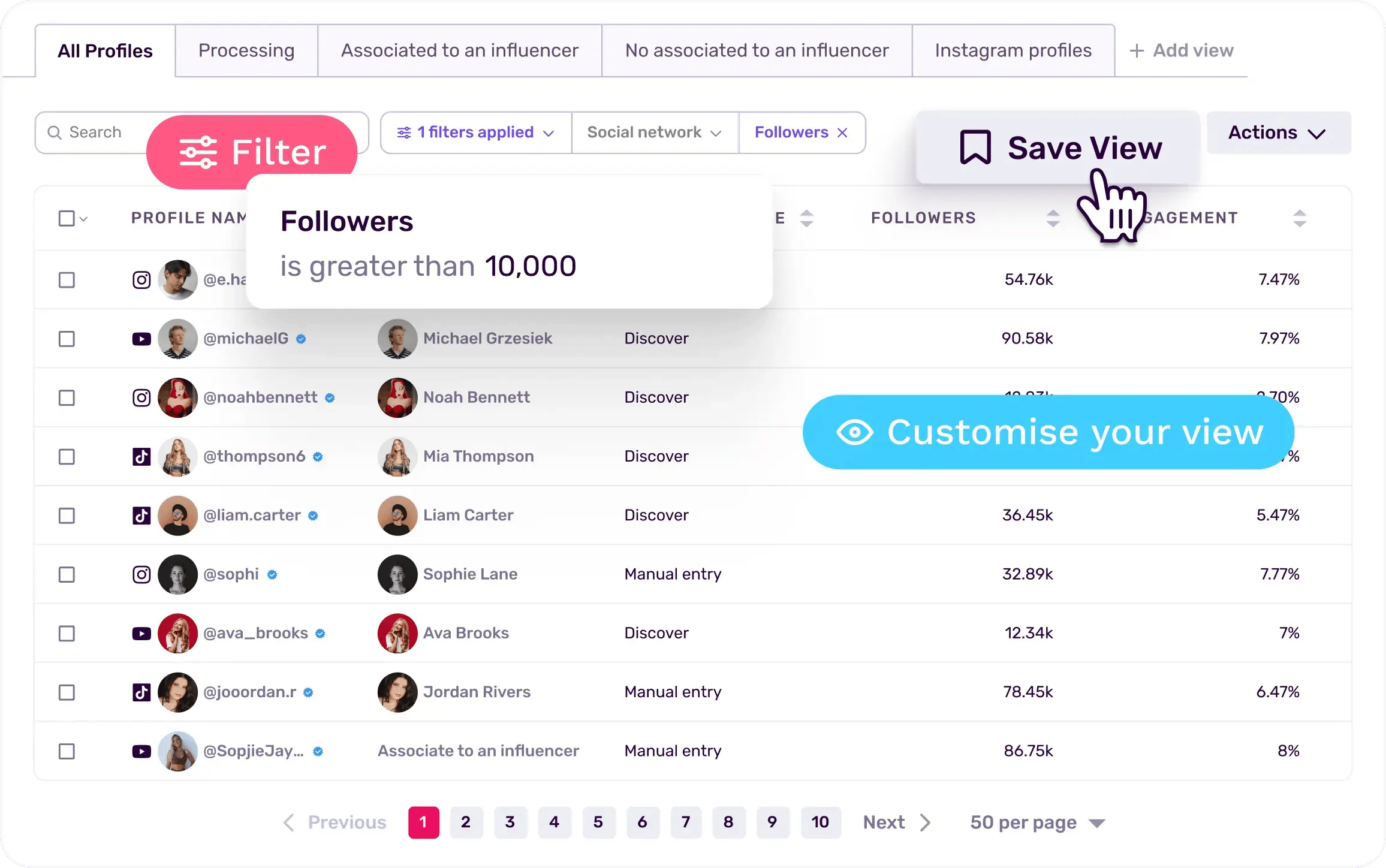
Think of it as a bespoke CRM built specifically for creator logistics. Within the IRM, you can record rates, track individual post performance, and maintain a historical database of every single email and interaction. But where it truly shines is in its customizability. You can create custom properties for your creators, logging their dietary restrictions for event invitations, their shoe size for product seeding, or their preferred communication language. You can organise your creator network precisely how your strategy demands, eliminating the chaos of scattered spreadsheets and lost email threads.
For Direct-to-Consumer (DTC) and retail brands, Influencity provides operational superpowers that legacy platforms simply ignore. Influencity integrates natively with e-commerce platforms like Shopify. This means you can execute massive influencer seeding programs directly from your dashboard.
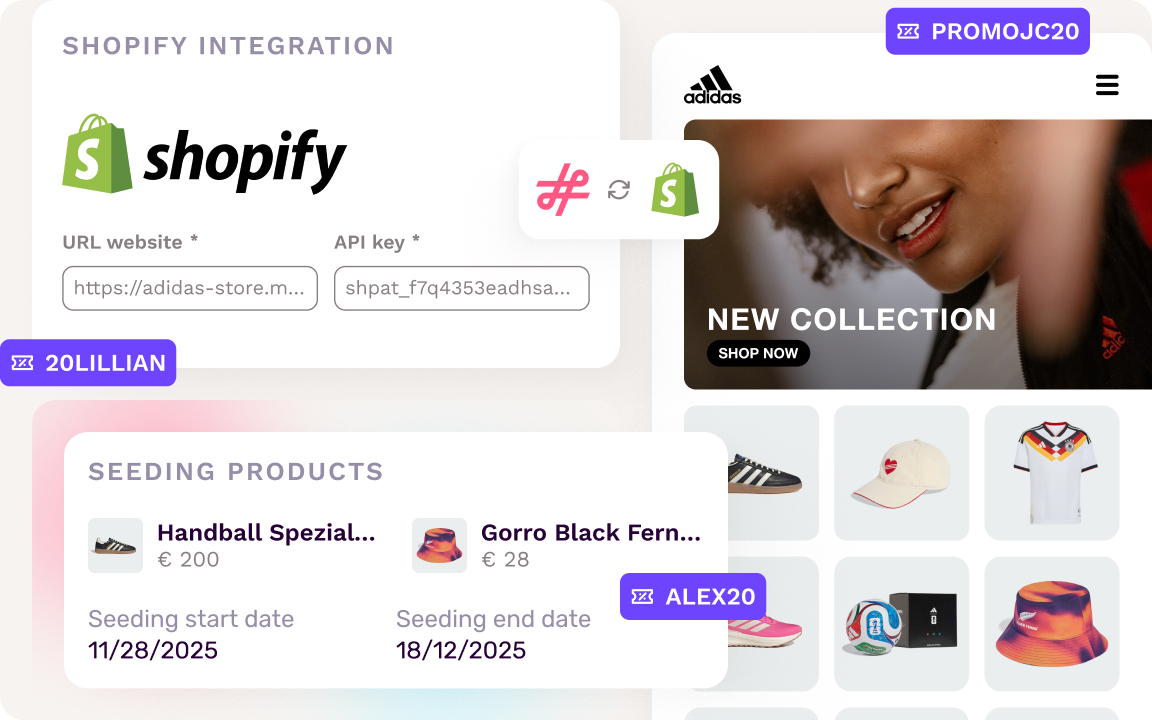
You can generate unique coupon codes, dispatch products to hundreds of creators simultaneously, and track the end-to-end logistics and downstream sales performance without ever leaving the platform. Brandwatch's broad media monitoring architecture was never designed to handle this level of granular, revenue-generating campaign logistics.

Scaling a global campaign usually hits a massive bottleneck when it comes time to pay creators across different countries, currencies, and tax jurisdictions. Monolithic suites push this burden onto your internal finance department, resulting in delayed payments and frustrated influencers. Influencity has solved this.
/influencer-payments-hero-image-composition.webp?width=1440&height=900&name=influencer-payments-hero-image-composition.webp)
The platform features an integrated global payment gateway, allowing you to compensate hundreds of influencers internationally in their local currencies, while your brand receives a single, consolidated invoice. This single feature can save your accounting team hundreds of hours per quarter.

Perhaps the most satisfying advantage of Influencity is the implementation velocity. There are no $20,000 implementation fees. There are no mandatory six-week training academies to learn how to write query code. Because the architecture is native and the interface is intuitive, you achieve actionable intelligence on Day 1. You can log in, run a filtered search, populate an IRM list, and begin your outreach in your very first session. In the modern marketing landscape, agility fundamentally outpaces monolithic bureaucracy.
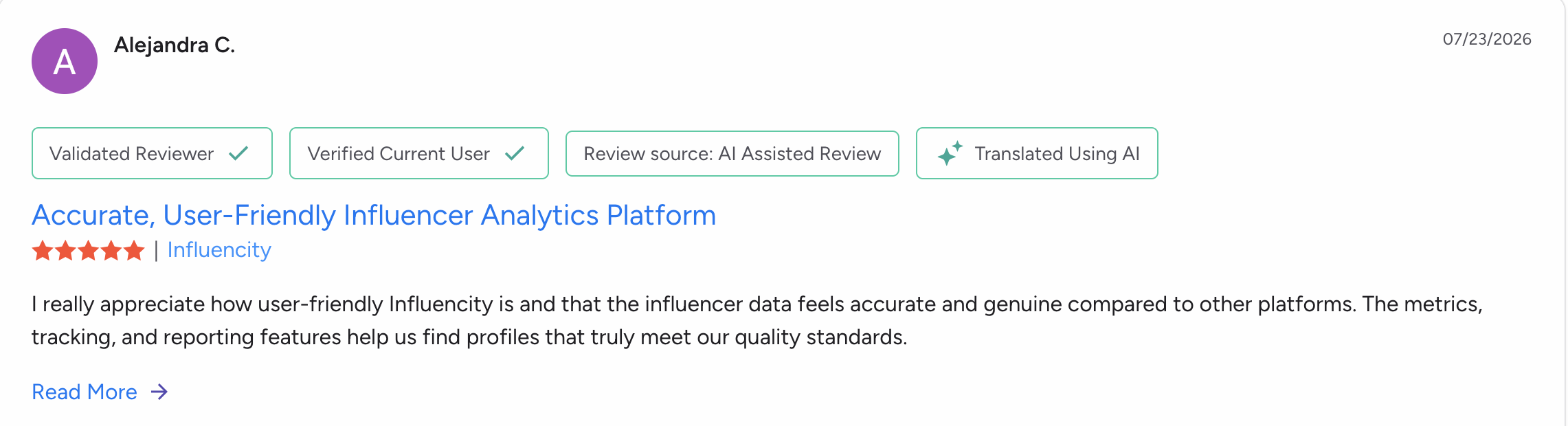
Influencity is the definitive choice for brands ready to ditch the legacy software bloat and run high-performance creator campaigns.
If your organisation is dead-set on maintaining a massive, all-in-one enterprise behemoth, if you genuinely need to monitor 30 distinct channels, route hundreds of thousands of customer service tickets, and manage global paid advertising alongside social listening, then Sprinklr is an alternative to consider.
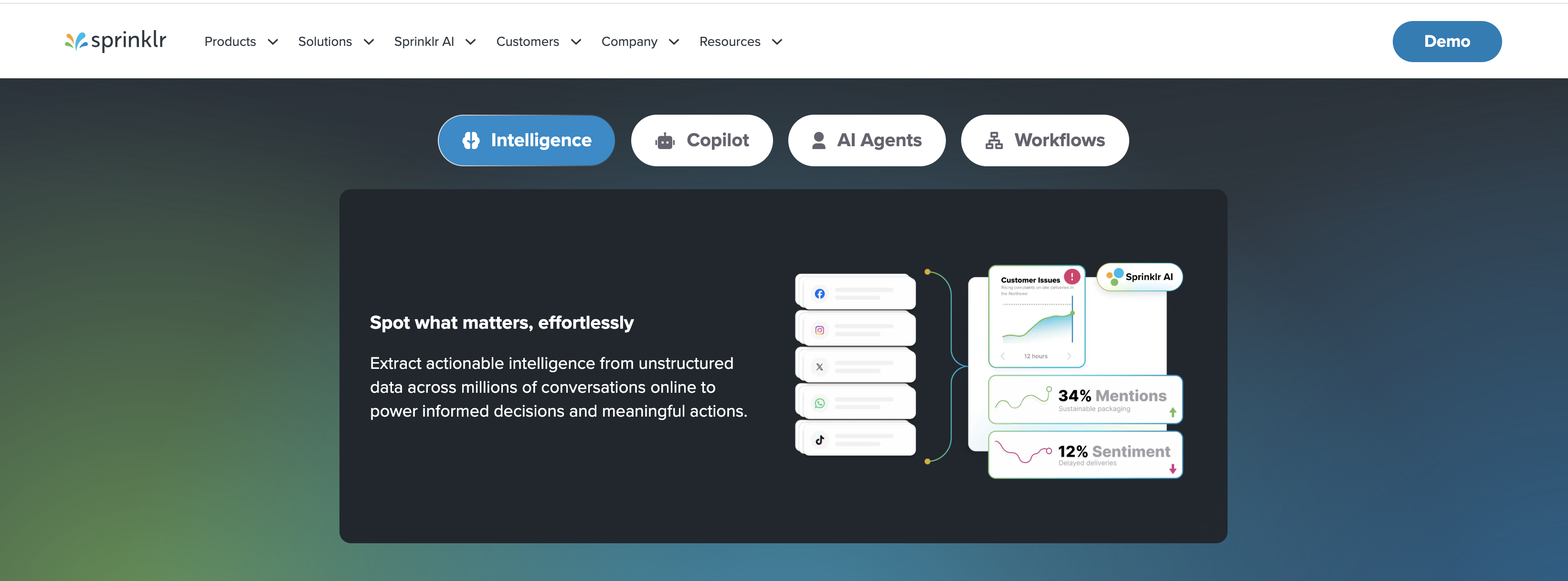
Sprinklr’s technological advantage lies in its proprietary artificial intelligence infrastructure. Sprinklr executes sentiment and emotion detection across numerous languages, such as Influencity does, without the data-destroying crutch of third-party translation tools.
However, If you thought Brandwatch was complex and expensive, Sprinklr will make your head spin. Enterprise deployments frequently sail well past the six-figure mark annually, and the operational complexity is staggering. You build your entire internal departments around it.
It is key to understand that while Sprinklr is a great for omnichannel customer support and global governance, it is still a generalised tool. If your primary mandate is to discover niche TikTok creators, manage micro-influencer relationships, and execute product seeding via Shopify, Sprinklr is complete overkill.
/irm-slider-tabs-everything-in-on-place-image-composition.webp?width=2304&height=1440&name=irm-slider-tabs-everything-in-on-place-image-composition.webp)
You will be using a sledgehammer to crack a peanut. For pure, agile influencer marketing, Influencity’s hyper-specialised 350 million creator database and purpose-built IRM workflows remain vastly superior and significantly more user-friendly than navigating Sprinklr’s labyrinthine interface.
The third alternative targets a very specific use case. Historically, there was a strict division in software, marketing teams bought social listening tools (like Brandwatch), and public relations teams bought media monitoring tools (like Meltwater). Today, those lines are blurred, but the core DNA of the platforms remains intact.
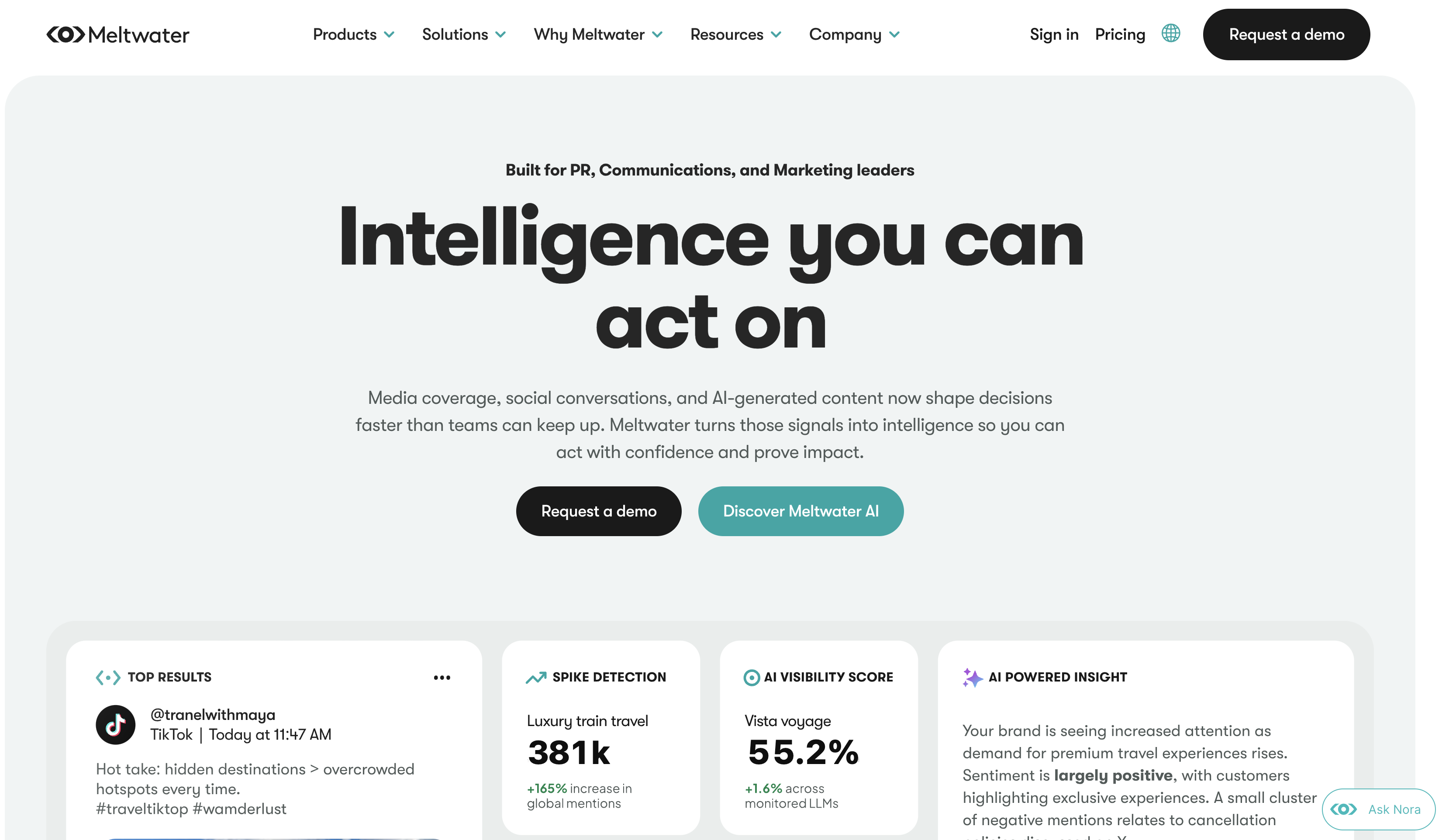
While Brandwatch digs into historical forum threads and Twitter archives, Meltwater dominates the traditional media scene. Meltwater tracks broadcast television, print media, digital journalism, and paywalled news.
Despite the strong PR focus, Meltwater suffers from some of the same legacy issues as Brandwatch. The pricing is completely opaque. Additionally, users consistently flag the user interface as quite complex when trying to isolate pure, granular social listening data.
Meltwater’s integration of Klear is impressive for a legacy suite, but we must remember it is still an acquisition. It is a tool bolted onto a PR engine. When it comes to the deep, logistical realities of running influencer campaigns, such as integrated global payouts, custom IRM properties, and Shopify integration for product dispatch, a bolted-on module simply cannot compete with a native architecture.
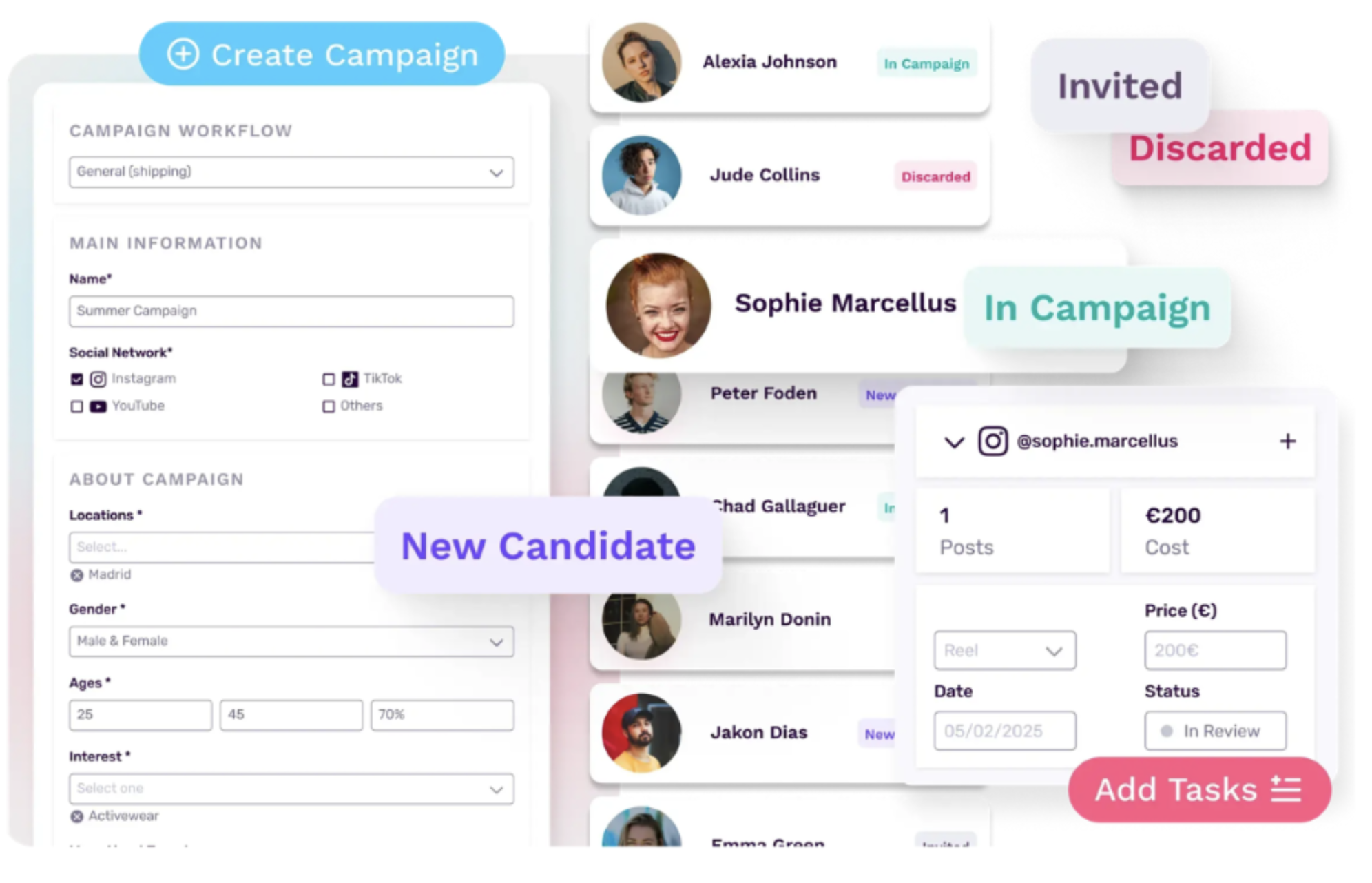
Influencity was built from line one of its code to serve the influencer marketer, ensuring that campaign execution is a fluid, specialised process rather than an afterthought attached to a press-release monitor. If your priority is influencer marketing ROI rather than tracking mentions on a morning news broadcast, Influencity is the mathematically superior choice.
The era of the all-in-one legacy suite is drawing to a close. Platforms like Brandwatch, burdened by their own technical debt, fragmented acquisitions, and reliance on archaic Boolean query coding, are struggling to provide the agility required by modern marketing teams. They demand exorbitant fees that routinely cross $100,000 when fully loaded, force you through months of implementation, and ultimately deliver translated sentiment data that you can barely trust.
You have options. It is time to stop acting as a data engineer for outdated software. Leave the Boolean madness behind, embrace the agility of specialised architecture, and start building the relationships that drive your business forward.
Enterprise teams frequently cite three main reasons for leaving Brandwatch, an extremely steep learning curve requiring complex Boolean coding, highly inaccurate sentiment analysis for non-English languages (due to reliance on translation APIs), and opaque, modular pricing that causes the Total Cost of Ownership to skyrocket.
Influencity is widely considered the best alternative for influencer marketing. Unlike Brandwatch, which treats influencer tools as an acquired add-on (via Paladin/Influence), Influencity is a purpose-built CRM for creators. It features a 350-million creator database, Shopify integrations, and built-in global payment gateways, allowing brands to manage campaigns end-to-end without needing to write code.
Brandwatch is a powerful consumer intelligence platform, but it wasn't built as a dedicated influencer marketing solution. While it offers influencer capabilities through acquisitions, brands whose primary focus is discovering creators, managing relationships, and executing campaigns may benefit from a purpose-built platform like Influencity, where every feature is designed around the creator workflow.
Many marketing teams are looking for tools that go beyond monitoring conversations. Modern influencer marketing requires creator discovery, audience analysis, campaign management, outreach, content validation, and performance measurement in one place. Rather than piecing together multiple modules, brands increasingly prefer platforms built specifically for the creator economy.
Not necessarily. While traditional social listening platforms often rely on complex Boolean queries to refine searches, creator-focused platforms like Influencity use intuitive filters that let you search by audience demographics, engagement, location, interests, brand affinity, audience quality, and dozens of other parameters, without writing a single line of query logic.
Yes. Influencity combines creator discovery, audience analytics, Influencer Relationship Management (IRM), bulk outreach, automated email sequences, campaign management, content validation, reporting, and ecommerce integrations into one platform. That means you can manage the entire influencer marketing lifecycle without constantly switching between different tools.









%20and%20How%20Can%20They%20Benefit%20Your%20Brand%20article.jpg?length=628&name=What%20Are%20Key%20Opinion%20Leaders%20(KOL)%20and%20How%20Can%20They%20Benefit%20Your%20Brand%20article.jpg)





.png?length=628&name=Pop-up%20image%201200%C3%97800@1x%20(1).png)