

The rise of influencers on social media is reshaping the way businesses interact with their target audiences. These digital trendsetters wield significant power, using their authentic voices and engaging content to influence consumer behavior and drive brand awareness.
This article delves into the profound impact of influencers on social media, highlighting their role in brand promotion, audience engagement, and overall marketing strategies.
In today’s highly competitive digital landscape, partnering with influencers on social media has become a powerful strategy for brands aiming to grow their online presence and connect more meaningfully with their audience. Far beyond simple product promotion, influencer collaborations allow companies to tap into established communities built on trust and engagement. Among the many advantages, working with influencers offers a wide range of benefits.
One of the primary reasons influencers on social media have gained immense traction in the world of social media influencer marketing is their ability to establish credibility and build brand trust among their followers. Unlike traditional celebrity endorsements, influencers often cultivate a more personal and relatable connection with their audience, creating an authentic rapport built on shared interests, values, and lifestyles. This genuine relationship fosters a sense of trust and loyalty, making their endorsements and product recommendations more persuasive and impactful.
For example, Yoga With Adriene has grown a loyal community by providing authentic and accessible yoga content on YouTube. Her genuine approach has made her a trusted wellness voice, leading to partnerships with brands like Adidas and Gaiam that value her authenticity and credibility.

Influencers on social media act as catalysts in amplifying brand visibility. By leveraging their often large and dedicated follower base, influencers enable businesses to reach a broader audience that may have otherwise been inaccessible through conventional marketing channels. Through strategic collaborations and sponsored content, businesses can tap into the influencer's extensive network, gaining exposure to new demographics and market segments.
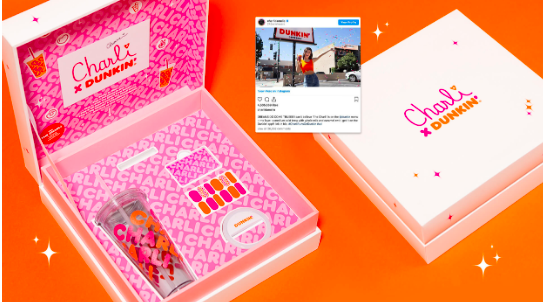
A notable example of a successful co-branded influencer campaign is the partnership between Dunkin’ and TikTok star Charli D’Amelio. In 2020, Dunkin’ launched “The Charli,” a signature drink inspired by Charli’s regular Dunkin’ order. This collaboration not only boosted Dunkin’s sales by 57% on the launch day but also introduced the brand to a younger, TikTok-savvy audience, significantly expanding its reach.
Influencers possess a unique ability to drive engagement and conversion rates through their compelling storytelling and interactive content. By seamlessly integrating branded products or services into their narratives, influencers on social media can pique the interest of their followers and stimulate genuine conversations around a brand. This organic form of engagement not only fosters a sense of community but also positively impacts consumer behavior and purchase decisions, ultimately leading to increased conversion rates and sales for businesses.
Beyond mere promotional content, influencers on social media play a pivotal role in humanizing a brand's identity, infusing it with personality and relatability. By associating with influencers whose values align with the brand's ethos, businesses can convey a more authentic and humanized image, resonating with their target audience on a deeper emotional level. This human-centric approach fosters brand loyalty and a sense of connection as consumers perceive the brand as being more than just a faceless entity.
For example, Emma Chamberlain, one of the most influential figures on YouTube and Instagram, has built her community by sharing authentic and imperfect content, openly discussing anxiety, everyday life, and personal growth. Her authenticity has led her to become an ambassador for premium brands like Louis Vuitton, demonstrating that consumers trust influencers who show vulnerability and genuineness.
Influencers on social media hold the key to unlocking niche markets, catering to specific interests and subcultures that may be overlooked by traditional marketing approaches. By collaborating with influencers within niche communities, businesses can tailor their marketing efforts to cater to unique preferences and consumer behaviors, effectively establishing a more personalized approach to engaging with their target audience. This tailored strategy not only enhances brand relevance but also facilitates a deeper understanding of niche market dynamics and consumer preferences.
Marzia Kjellberg (formerly Marzia Bisognin) is a niche influencer who built a devoted following around sustainable lifestyle choices. She focused on eco-conscious fashion and minimalism, collaborating with niche brands like Vejasneakers and Ethical Clothing Company. This partnership allowed these brands to reach a highly engaged community interested in sustainability.
The integration of influencers into branded marketing campaigns has become a cornerstone of modern marketing. By incorporating influencers' insights and expertise, businesses can craft more effective and targeted campaigns that resonate with their intended audience. This is because social media influencers on social media offer valuable insights into consumer trends, preferences, and behaviors, enabling businesses to refine their messaging and tailor their offerings to meet the evolving needs of their customer base. This collaborative approach enhances the overall effectiveness and impact of a brand’s marketing campaigns, leading to improved ROI and brand recognition.
Social media influencers serve as trendsetters, constantly adapting to shifting consumer preferences and market trends. Their ability to stay attuned to the latest developments and consumer demands enables businesses to remain agile and responsive, adjusting their strategies to align with emerging trends and consumer behaviors. By leveraging the insights provided by influencers on social media, businesses can stay ahead of the curve, positioning themselves as industry leaders capable of meeting evolving consumer demands and preferences.
In addition to their role in amplifying brand visibility and driving engagement, influencers on social media contribute to the innovation and creativity of marketing campaigns. Their unique perspectives and creative content creation techniques inject freshness into promotional efforts, capturing the attention of audiences in an organic way. Businesses can tap into novel ideas, trends, and storytelling methods that resonate with consumers, leading to more memorable and impactful marketing initiatives.
Finally, social media influencers possess social proof – a psychological phenomenon where people tend to follow the actions of others, assuming that those actions are the correct behavior. By aligning with influencers on social media who genuinely use and endorse their products or services, businesses gain a powerful form of social proof. This authenticity significantly influences consumer trust and purchasing decisions, as potential customers are more likely to be swayed by recommendations that come from a trusted influencer's genuine, first-hand experience.
Beauty brand Glossier is renowned for its authentic approach to influencer marketing. Rather than relying on scripted ads, Glossier partners with micro and nano influencers who genuinely use and love their products. These influencers share honest reviews, daily routines, and real-life experiences on platforms like Instagram and TikTok improving brand loyalty.













%20and%20How%20Can%20They%20Benefit%20Your%20Brand%20article.jpg?length=628&name=What%20Are%20Key%20Opinion%20Leaders%20(KOL)%20and%20How%20Can%20They%20Benefit%20Your%20Brand%20article.jpg)










.png?length=628&name=Pop-up%20image%201200%C3%97800@1x%20(1).png)