


Just before we hit record, Jessica disappeared from the screen for a moment. "I need to put some lipstick on," she laughed. A few seconds later she came back, smiling at her monitor before turning it slightly towards me. "That's one of my clients." There was something unmistakable in the way she said it. Not pride in herself, but in her clients. The kind of smile that comes from watching someone you've believed in long before everyone else finally get their moment.
It was a small interaction, almost insignificant, but it revealed something that would become a recurring theme throughout our conversation, Jessica is the kind of person who genuinely roots for other people's success.
And I think that matters because if you scroll through your social feeds, the creator economy looks like a glossy, frictionless highlight reel, a digital utopia of unboxing hauls, luxury brand trips and overnight viral success. But peel back the perfectly curated content and you'll find a very different reality. Behind every teenager who casually transitions from lip-syncing in their bedroom to starring in a global Prada campaign, there is an invisible machine powered by negotiations, logistics, strategy, talent development, brand relationships, and hundreds of decisions that audiences never get to see. Building a creator's career is all about building a business.
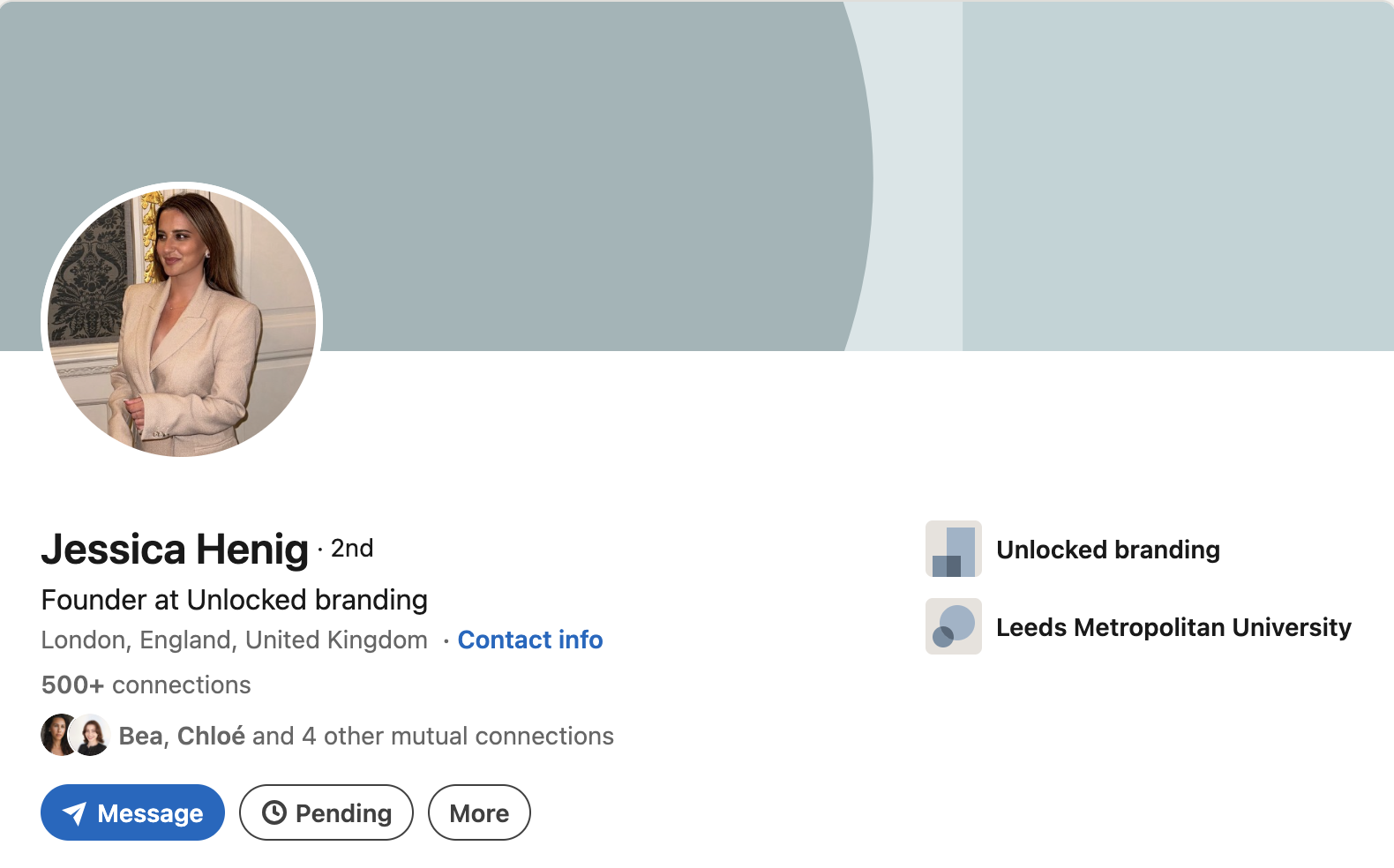
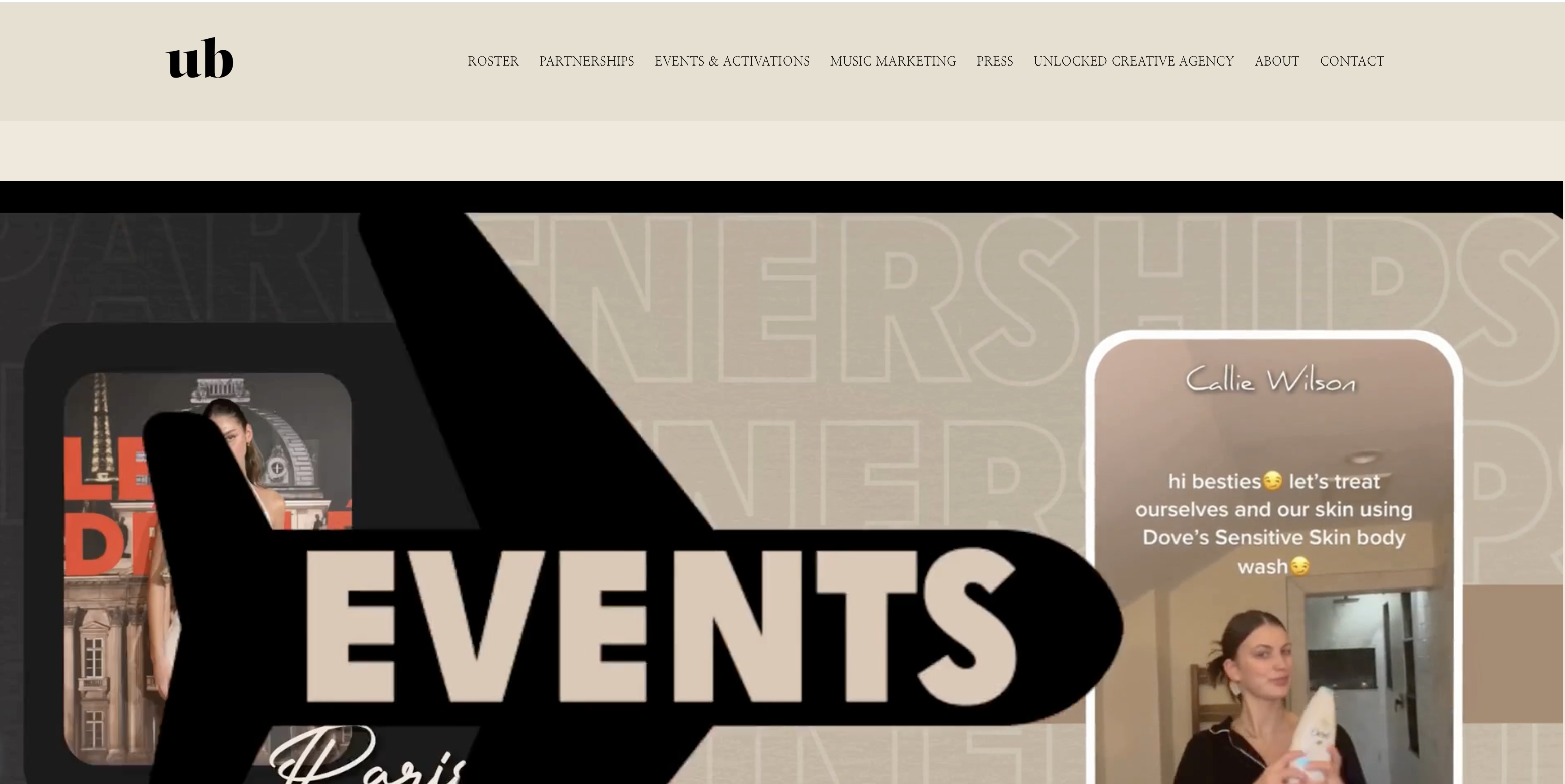
And few people understand that better than Jessica Henig. As the Founder and CEO of Unlocked Branding Group, Jessica has spent the last decade helping creators grow from what she calls bedrooms to billboards. Her agency discovers emerging talent early, develops them into commercially viable brands, and connects them with some of the world's most recognisable companies while managing campaigns across the UK, Europe, the US, and beyond. Entirely bootstrapped, Unlocked has become known for securing premium brand partnerships, while also is known for building long-term careers grounded in strategy, trust, and genuine relationships rather than quick wins.
As our conversation unfolded, it became clear that Jessica doesn't really think of herself as a talent manager. She's part mentor, part entrepreneur, part negotiator and, perhaps above all, someone deeply invested in helping creators build careers that will outlast the next algorithm change.
Through initiatives like Social Media University, she's working to professionalise the creator economy by teaching the next generation the business skills that rarely appear in traditional education, be that negotiating partnerships, understanding personal branding, treating yourself as a business, diversifying your income or building a sustainable career in digital media.
When we sat down together, the conversation quickly moved beyond algorithms and follower counts. We talked about building a global agency without outside investment, why relationships still outperform transactions, the realities of managing international creator campaigns, and the responsibility talent managers have to protect (not just monetize) the creators they represent. It was a conversation about the future of this industry, but even more, about the people quietly shaping it behind the scenes.
Scroll through TikTok or Instagram and it's easy to believe that success of many creators happens overnight. One viral video, a few million views, a luxury brand deal, and suddenly a new influencer is born. Jessica has spent more than a decade proving that almost none of that is true.
At Unlocked Branding Group, the phrase that defines the agency is from bedrooms to billboards. It perfectly captures their philosophy, discover creators while they're still filming content from their bedrooms, then spend years helping them become household names capable of fronting international campaigns.
"My term is building talent from bedrooms to billboards. And that means literally taking them from them doing their content... turning them into million followed talent and putting them on billboards and that takes time. That takes three, five years sometimes."
That timeline is perhaps the most striking part. In an industry obsessed with instant gratification, Jessica talks in years, not months. While much of influencer marketing focuses on the next viral post, Unlocked is thinking about where a creator will be in five years. That long-term mindset changes everything. Rather than chasing creators who already have massive audiences, Jessica often signs talent when they're just 16 or 17 years old, long before they're commercially established.
She's looking for potential, not perfection. "I always ask myself," she explained, "if I walked into a room with this person, would everyone naturally gravitate towards them?"
It isn't an easy quality to define and Jessica calls it the X or It factor. It's the kind of charisma that can't be measured in analytics dashboards or follower counts. Some creators simply command attention the moment they enter a room. Others create an immediate sense of trust. That's what her team is searching for. The metrics come later.
In fact, Jessica is surprisingly dismissive of vanity metrics as a primary recruitment tool. Followers can be bought. Reach fluctuates. Algorithms change every few months. Personality, however, is much harder to fake. And that's why Unlocked vets creators much like a casting director would.
Can they communicate naturally? Do brands enjoy working with them? Are they curious, coachable and willing to learn? Can they represent themselves professionally during a meeting? Do they have the resilience to navigate an industry where rejection is part of the job? Those are the characteristics that turn creators into businesses.
Another trait Jessica actively looks for is relatability. This industry has fundamentally changed the way audiences connect with public figures. Consumers no longer aspire to impossible celebrity lifestyles in quite the same way. Equally, they gravitate towards creators who feel like someone they could actually know. "The best way I describe it," Jessica told me, "is that people don't want to buy from celebrities anymore. They want to buy from their best friend."
That philosophy influences everything Unlocked does, including the creators they choose to represent. Rather than searching for unattainable perfection, Jessica looks for authenticity. She even mentioned preferring creators who haven't dramatically altered their appearance because audiences increasingly connect with people who feel genuine rather than manufactured.
Ironically, regardless of the fact we work in an industry obsessed with optimisation or cheeky improvements to how we see ourselves, Jessica's recruitment process remains deeply human. She's looking for someone people instinctively trust. Because while anyone can have a viral week, very few people have what it takes to build a career.
If there's one lesson marketers and talent managers can take from Jessica's approach, is to stop recruiting for today's metrics and start recruiting for tomorrow's potential. Look beyond follower counts cause metrics change but personality doesn't. Charisma, professionalism and communication skills are far stronger indicators of long-term success than a temporary spike in engagement.
Ask whether people would naturally trust this creator. Today's consumers buy from creators who feel like peers, not celebrities. Relatability has become one of the most valuable assets in influencer marketing. Think in years, not campaigns. The strongest creator businesses are built through consistent development, strategic partnerships and patient investment over time.
There is a familiar playbook in today's start-up world which everyone is familiar with, raise venture capital, grow as fast as possible, chase market share, and worry about profitability later. But, Jessica chose a different path. Unlocked Branding Group has expanded across the UK, the Netherlands, the United States and the UAE without relying on external investment. Every new market, every new hire and every new client has been funded through the business itself. It might not be the fastest route, but it gave Jessica something far more valuable than capital, complete independence.
That independence shapes the way she approaches every client relationship. Without investors demanding rapid growth or aggressive quarterly targets, Unlocked has been able to focus on something remarkably unfashionable in modern business, earning trust slowly.
It also means saying no. Not every partnership is the right partnership. Not every creator is the right fit. Not every campaign deserves a yes simply because there's money on the table. That discipline has allowed the agency to build a reputation based on consistency rather than constant expansion.
"I've spent most of my career smiling to myself and proving again and again the next deal, the next deal, the next talent scouted again and again... at the end of the day, when it comes to delivery, we get the deal done because we add value. And keeping your word nowadays, a handshake is not a thing. I stand by that."
During our conversation, I asked Jessica how she handles negotiations where she's underestimated before she's even had the chance to speak. As a young female founder sitting across the table from senior executives, those moments are inevitable. Her answer wasn't about learning negotiation tactics or finding ways to command the room. It was much simpler.
One story Jessica shared stayed with me long after our conversation ended. A few years ago, her team wasn't simply asked to source creators for the launch of the Hard Rock Hotel in New York. Instead, they designed a much broader experience. The creators documented the hotel opening, but that was only the beginning. Jessica then leveraged her own network to arrange backstage access with Post Malone's team at Madison Square Garden, giving the creators, and, ultimately, the brand, exclusive content they never could have planned through a conventional campaign.
Listening to her describe it, I realised she wasn't just talking about her influencer marketing experience, she was also talking about value creation.
"They're getting the talent, they're getting the strategy, but they're also getting that extra bit of backstage excitement and content that they never would have had."
That's the difference between operating as a supplier and becoming a strategic partner. Brands weren't returning to Unlocked because Jessica could introduce them to creators. Plenty of agencies can do that. They came back because she connected dots that nobody else could. She combined talent, creative strategy, industry relationships and cultural moments into campaigns that felt bigger than a list of deliverables.
It suddenly became obvious why she talks so much about relationships. Relationships are, as a matter of fact, the product of her business.
Closely related to this human angle that's highlighted in her operations, Jessica, also mentioned repeatedly how much credibility isn't established in the meeting room, but afterwards. Did you deliver what you promised? Did you communicate when things became difficult? Did you remain as responsive after the contract was signed as you were during the pitch?
Those questions matter far more than who speaks the loudest in a negotiation, and something I found quite unique was her belief in...
"Keeping your word nowadays... a handshake isn't really a thing anymore. I stand by that."
It was refreshing seeing how there are still people like Jessica, who still believe reputation is your strongest commercial asset. That's a surprisingly old-fashioned philosophy no one vouches for anymore, and perhaps that's exactly why it works.
While many agencies compete by promising more services, bigger campaigns or faster growth, Unlocked competes on reliability. Brands return because they know what they'll get. Creators stay because they know they're represented by people who protect their interests. It turns out that trust is still one of the most scalable business models available.
To consistently convert transactional, one-off brand posts into lucrative, multi-month retainers, you have to offer a 360-degree dynamic. Keep in mind the following gems to replicate:
Deliver what you promise. Reputation is built after the contract is signed. Consistent execution creates stronger client relationships than ambitious sales pitches ever will.
Play the long game. The best partnerships aren't won in a single negotiation. They're earned through reliability, transparency and consistently delivering value over time.
Let results speak louder than assumptions. Bias disappears when performance is measurable. Strong campaigns, satisfied clients and repeat business are far more persuasive than any boardroom presentation.
Think beyond the campaign. Every collaboration is an opportunity to deepen the relationship. Brands remember agencies that continues adding value long after the content has gone live.
Ask most people what it takes to be a successful creator and they'll probably mention creativity, consistency or knowing how to crack the algorithm. However, Jessica sees things very differently. Creating content might be what gets someone noticed, but it's rarely what sustains a career.
One of the biggest misconceptions about influencer marketing, she told me, is that audiences only see the finished product. They see the beautifully edited video or the perfectly curated Instagram post. What they don't see is the business operating behind it. That's basically negotiating contracts, managing finances, understanding taxes, building relationships with brands, learning to communicate professionally, handling rejection or balancing mental health while living under constant public scrutiny.
For many creators, all of this begins while they're still teenagers and that's a huge portion of why Jessica launched Social Media University.
Rather than another course promising to teach people how to go viral, the initiative was created to fill a much bigger gap, helping young creators develop the business, financial and interpersonal skills needed to build sustainable careers.
"There's so many hurdles and so much education that young talent has to deal with... how they need to use soft skills, how they need to manage their money. These are all things people might not realise are part of the job, not just creating content."
I've found this a welcoming perspective in an industry that often celebrates visibility more than viability. Jessica believes that creators are, in effect, entrepreneurs casue they're basically running their own media companies, building personal brands, negotiating commercial partnerships and managing multiple revenue streams, often before they've finished school.
Yet very few are ever taught how to do any of those things. Essentially, they're expected to learn through trial and error. Social Media University aims to change that. The programme goes far beyond content creation, focusing on the skills that determine whether a creator will still be building a business five or ten years from now. Guiding principles for this context are aspects such as
How do you negotiate with brands?
How do you invoice clients?
How do you manage irregular income?
How do you network professionally?
How do you protect your reputation online?
How do you make decisions that serve your long-term career instead of your next viral post?
Those questions, Jessica argues, are just as important as understanding the latest platform update. But what resonated with me most wasn't simply what she said, it was the fact that she lives by those principles every day. Her philosophy isn't something she reserves for interviews, it's reflected in the way she manages creators, builds relationships, and leads her business.
"You're going to get a lot more if you give more."
It's a simple idea but one that runs through everything Unlocked does. That can look like educating creators, supporting brands or mentoring young talent, Jessica sees generosity, not gatekeeping, as one of the industry's greatest competitive advantages. In many ways, Social Media University is meant to do more than teaching creators how to succeed, there's also that idea of helping them define what professionalism looks like in an scene that's still writing its own rules.
Our industry rewards creativity as much as it rewards business acumen, so here are a few tips you can follow from Jessica's philosophy:
Treat creators like entrepreneurs. Behind every successful creator is a business. Financial literacy, negotiation skills and strategic thinking are just as important as content production.
Invest in soft skills. Professionalism still matters. Reliability, communication, punctuality and relationship-building are often what separate creators with one successful campaign from those who build decade-long careers.
Think beyond the algorithm. Platforms change constantly, but business fundamentals don't. Creators who understand branding, contracts, partnerships and long-term positioning are better equipped to navigate every algorithm update.
Create opportunities by creating value. The most successful creators don't focus solely on growing an audience. They focus on becoming trusted partners for brands, collaborators and their own communities.
One of the biggest mistakes brands make when expanding internationally is assuming that what works in one market will naturally work everywhere else. Jessica has seen firsthand how costly that assumption can be.
Unlocked Branding now operates across the UK, the Netherlands, the United States and the UAE, managing campaigns that regularly cross borders, cultures and time zones. While the platforms may be global, the people behind them certainly aren't. Every market comes with its own expectations, communication style and business etiquette. As Jessica explained:
"Each territory speaks a different language. And I don't mean the actual language. I mean the culture of the business, the style, the behaviour... Dutch culture is very matter-of-fact. I'd say the UK is much more collaborative when it comes to creativity."
That distinction might sound subtle, but in practice it changes almost everything. The same email can be interpreted differently depending on the country. A negotiation style that feels direct and efficient in Amsterdam may come across as abrupt in London. A highly collaborative creative process that feels natural in the UK could be perceived as unnecessarily slow somewhere else.
Success, Jessica argues, comes from adapting to the market, not expecting the market to adapt to you. The same principle applies to creators. A creator who dominates conversations in the UK won't necessarily have the same cultural relevance in the Netherlands or the United States. Audience size doesn't automatically translate into influence across borders, which is why local knowledge remains one of the most valuable assets an agency can offer.
One of my favourite parts of the interview was when she explained that she's almost obsessive about research. She reads newspapers whenever she's travelling, studies regional publications, follows economists, listens to podcasts and constantly tries to understand local culture. Then she said something that stopped me.
"Who's famous in the Netherlands isn't famous in the UK. That's my advantage, to learn and listen."
She even encourages creators to research fashion houses, understand the history behind brands and learn why products exist rather than simply promoting them. This completely dismantles the stereotype that influencer marketing is superficial if you ask me.
On top of it, managing international campaigns also means thinking several steps ahead. With teams spread across multiple regions, information has to flow continuously. While one office is negotiating a partnership, another may already be preparing creators, coordinating logistics or anticipating what the next stage of the campaign will require.
It's a level of operational coordination that audiences never see. From the outside, global campaigns often look effortless. Behind the scenes, they're more like a carefully organised relay race, where every handover has to happen at exactly the right moment.
Perhaps that's why Jessica doesn't really think of international expansion as opening offices in different countries. She thinks of it as learning how to speak different business cultures, because understanding people is still the most valuable localisation strategy of all.
Global campaigns don't succeed because they're replicated, they succeed because they're adapted, so this is your bluprint to adapt it to yours:
Learn the culture, not just the language. Every market has its own communication style, expectations and way of doing business. Understanding those differences builds stronger relationships with both brands and creators.
Local relevance beats global reach. A creator's influence isn't universal. Vet cultural relevance, audience fit and market credibility before expanding campaigns into new regions.
Coordinate before you need to. International campaigns depend on proactive communication. Sharing information early across teams helps avoid delays and keeps campaigns moving smoothly across time zones.
Build global systems with local flexibility. Consistency matters, but so does adaptability. The strongest international creator programmes combine clear operational processes with the flexibility to respond to local market dynamics.
The influencer marketing context has an uncomfortable obsession with growth. More followers, more views, more brand deals and m ore momentum. But, being real, very few people spend time talking about what happens when that momentum inevitably slows down. And it happens, that a reality.
However, Jessica does that variable into consideration. One of the most striking parts of our conversation wasn't about how to help creators become successful, it was about how to help them survive success. Because, sooner or later, every creator experiences it, be it cause algorithms change, platforms evolve or audiences move on.
Jessica compares the phenomenon to elite athletes. Winning a gold medal is an extraordinary achievement, but many athletes struggle with what comes next. The years after reaching the top can be psychologically harder than the climb itself. The creator economy, she argues, follows a remarkably similar pattern. A creator lands their first major campaign. Brand deals start arriving every week. Income increases dramatically. It's easy to believe that pace will continue forever. It almost never does.
"You might have a great month, and you have to be flexible with understanding what that looks like long term. Whilst you might be making great money now, you don't know what next year looks like. The fundamental is understanding what you're earning and what you're spending."
For many creators, particularly those who achieve success in their late teens or early twenties, it's something they've never been taught. Jessica sees financial education as just as important as audience growth. Creators need to understand taxes before they receive their first large payment. They need to learn how to budget when their income fluctuates from month to month. They need to think about savings, investments and long-term security long before they feel they need to.
Most importantly, they need to stop thinking of themselves as influencers and start thinking of themselves as business owners. That mindset also extends to platforms.
These are some of the reasons Jessica encourages creators not to become dependent on a single channel. Algorithms are outside anyone's control, which means resilience comes from diversification. A strong personal brand should exist beyond TikTok, Instagram or whatever platform comes next. Creators who invest in long-form content, owned communities, newsletters, YouTube or other sustainable channels are building something far more valuable than a large following.
That is how the can build stability and perhaps that's the biggest lesson Jessica has learned after years of managing talent. Virality might create a career but that's not enough. Preparation is what keeps it alive.
Here are some tips anyone can follow to prepare for the moment after that viral moment:
Treat unpredictable income like a business, not a salary. The digital scene is cyclical. Build financial habits that allow you to navigate quieter months as confidently as successful ones.
Never rely on a single platform. Algorithms change. Audiences evolve. Diversifying your channels and content formats reduces risk and creates a more resilient business.
Invest beyond your audience. The strongest creator businesses are built on assets that outlive individual campaigns, whether that's long-form content, intellectual property, investments or lasting brand relationships.
Think long term from day one. The creators who build decade-long careers aren't necessarily the ones who grow the fastest. They're the ones who plan for the day growth inevitably slows.
Towards the end of our conversation, I asked Jessica what she hoped young creators would take away from everything she's building. She started talking about confidence. Not the performative kind that's measured in likes, but the quieter confidence that comes from knowing who you are.
"The confidence comes from within. The way you walk into a room, the way you talk to people, the way you help each other... those are the things that matter."
She described it as something almost maternal. A form of mentorship that many young creators simply don't have as they enter an industry that rewards visibility but rarely teaches resilience. They're expected to negotiate contracts, build businesses and navigate public scrutiny while they're still discovering who they are themselves. Jessica believes they deserve something more, a place where they can build an extraordinary career without sacrificing their confidence or their identity.
That idea resurfaced again when we began talking about beauty standards on social media. I told Jessica that one sentence from our conversation was already becoming the headline in my mind.
"You are enough exactly as you are."
She smiled. There was no hesitation. No attempt to soften it. Just quiet agreement. It's a deceptively simple message. Yet it feels almost rebellious in an industry that constantly tells young people they need to become more. More polished, more glamorous, more controversial, more perfect.
Jessica has built a business helping creators grow, but listening to her, I realised she spends just as much time helping them resist that pressure. Because creators who feel secure in who they are make better decisions. They're less likely to chase every trend or less likely to compromise their values for a campaign or even to mistake attention for success. And ultimately, they're far more likely to build careers that last.
One of my favourite discoveries from our conversation was realising that mentorship is the thread that runs through everything she does. The conversation always came back to the same goal, helping people build lives, not just audiences. She wants the creators she represents to become financially independent, invest in their futures, share what they learn with others and be recognised for far more than the content they publish. In Jessica's eyes, creators are founders, entrepreneurs and future business leaders.
As we wrapped up, she admitted something that perfectly summed her up.
"I'm such a team player. I don't love this new era of having to be so visible... I think it's important for people to understand the other side of things rather than just what they see on social media."
Perhaps that's why Unlocked Branding feels different. It isn't simply an agency managing creators. It's an organisation quietly building people. And maybe that's the real lesson from our conversation. Algorithms will change. Platforms will come and go. The creator economy will continue to reinvent itself. But confidence, integrity and the ability to help other people believe in themselves will never go out of fashion.
In short, all our conversation about international expansion, negotiation strategies, business growth and creator careers, the interview kept returning to one surprisingly simple idea. People come first. It would have been easy for Jessica to talk exclusively about revenue, campaigns or follower growth. Instead, she repeatedly brought the conversation back to confidence, relationships, education and protecting the people behind the content.








%20and%20How%20Can%20They%20Benefit%20Your%20Brand%20article.jpg?length=628&name=What%20Are%20Key%20Opinion%20Leaders%20(KOL)%20and%20How%20Can%20They%20Benefit%20Your%20Brand%20article.jpg)






.png?length=628&name=Pop-up%20image%201200%C3%97800@1x%20(1).png)