

Thirty-four per cent of Gen Z shoppers say social media plays a key role when they decide what to buy, more than any other channel, according to McKinsey & Company’s State of the Consumer 2026. Your feed is only a venue. The real influence comes from who's showing up in it.
User-generated content marketing is the practice of finding, encouraging, organising and sharing content made by customers or independent creators. Too many brands see a vertical video, hire someone to imitate it and call the result UGC. I call that advertising in trainers.
The distinction matters because the person behind the post changes how people read it. Format catches the eye. Independence gives the message weight.
UGC is a source category before it is a format. Remember that and most of the confusion clears up rather quickly.
User-generated content marketing is a strategy built around photos, videos, reviews, posts and comments created by people outside the brand. Brands use UGC to answer buyer questions, show products or causes in real life and give other people a reason to join the conversation.
The creator controls the original experience and voice. A brand can invite the contribution, ask to reuse it and amplify it later. Once the brand scripts the opinion and pays for the performance, the media category has changed.
User-generated content works because it gives people evidence from someone with less reason to polish the truth. A detailed review can answer the objection a campaign quietly stepped around.
A rough phone video can show how a product fits into an ordinary day. A comment can reveal the question nobody in the approval meeting thought to ask.
That independence changes how the message lands. Brand copy presents the approved version. UGC shows what another person noticed, liked, questioned or found mildly annoying.
Specificity does the heavy lifting. Love this tells you very little. A customer explaining the fit, setup, taste, result or limitation gives the next buyer something useful to judge.
People trust texture. The uneven lighting, personal language and oddly specific detail are part of the evidence.
User-generated content is earned media when a customer or community member creates it independently, outside a commercial agreement. The brand may later ask permission, repost the content or amplify it. Its category comes from the origin of the recommendation.
I use a simple earned-media test for UGC. Check who made the content and whether the brand paid for its creation. The answer gives you an earned, owned or paid classification, so you can source and amplify a genuine recommendation or manage commercial creator work as advertising.

This saves every vertical video from being thrown into one very vague bucket. The clothes may look similar but the relationship underneath them tells you what you're dealing with.
Earned UGC starts with an independent act. A customer posts a review, shares an unboxing or comments on an experience because they chose to.
Owned content starts with the brand. Employees, agencies or production teams make it, even when the work borrows the handheld style and casual delivery associated with creators.
Paid creator content starts with an agreement. Money, free products, discounts or other benefits shape the relationship, so the content needs the rights, controls and disclosure expected of a commercial endorsement.
Distribution can add another layer. An organic customer video remains earned at source, while paid placement turns its distribution into paid media. Keep both facts in the report or you'll end up comparing apples with boosted apples.
Brands source user-generated content by making participation easy, worthwhile and visible. The route depends on whether you need spontaneous advocacy, structured reviews, or contributions around a particular launch.
Creator discovery matters when the right contributors sit beyond your existing community. Influencity’s Influencer Discovery compares more than 300 million public creator profiles, giving teams a practical way to find people whose audience and subject matter fit the brief.
.webp?width=1728&height=1080&name=influencer-marketing-for-ecommerce-alternating-content-discover-profile-analytics-image-composition%20(1).webp)
Open invitations bring volume, and volume brings a ton of posts you can't use. Anything with an open hashtag or a public prompt needs a way to catch the abusive, off-brand or unlawful before it reaches a live feed.
Give contributors a useful prompt and the facts they need. Leave enough room for an answer that can still surprise you.
Good UGC marketing runs on an organised process and feels spontaneous on screen. It has a clear reason for asking, a fair exchange for the contributor and a route from discovery to permission, publishing and measurement.
I look for content that reveals something the brand would struggle to say convincingly. That could be a candid first impression, a three-month update, an unexpected use, or a criticism followed by a practical resolution.
Good teams preserve the qualities that made the post worth noticing. Keep the pauses, signs of ordinary life, and language that make the contribution recognisably human. Sand every edge away and you are left with an advert wearing somebody else’s hoodie.
Creators also need clarity. Record permission. Agree credit, usage length, channels, edits and paid amplification before the post travels further.
The content feels human when the process respects the human who made it. Funny, that.
You measure and amplify earned UGC by matching each post to the job it was meant to do. For discovery, track qualified reach, profile visits, and branded search. For consideration, look at saves, product-page visits, review depth, and assisted conversions.
Purchase-focused content needs tracked links, conversion rate, and cost per acquisition. I also want the comments, recurring questions, and repeated phrases because those show what people believe and where the campaign needs more proof.
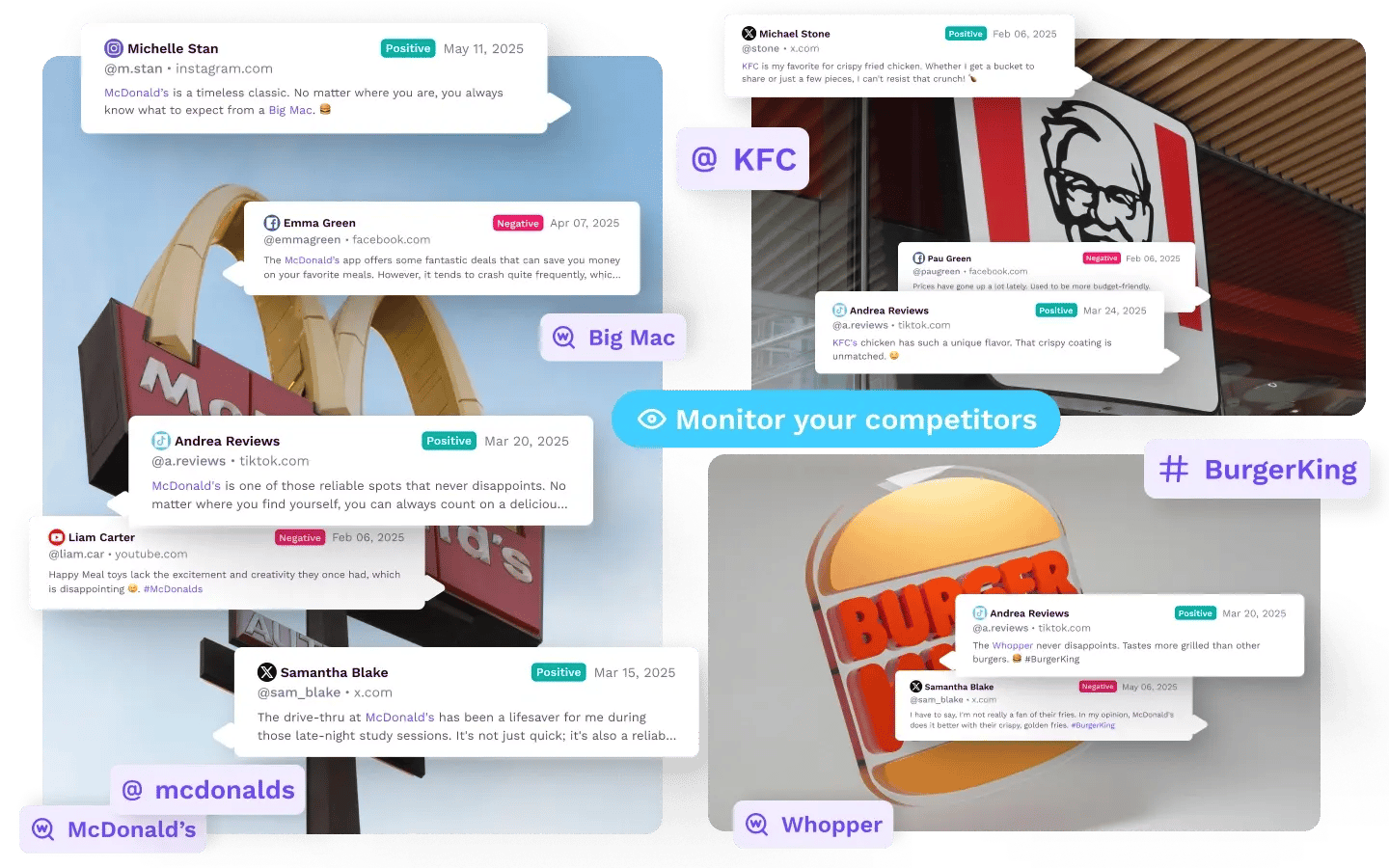
Influencity’s Monitoring platform tracks mentions across social media, blogs, news outlets and specific URLs, so teams can see where UGC travels and how people respond.
Amplification should follow evidence. Put the strongest work on product pages, emails and organic social, then use paid distribution once the rights and disclosure are clear.
UGC can also shape discovery beyond the original post. The 2026 McKinsey report explains that AI tools pull from forums, retailer reviews, blogs and video platforms when forming brand answers. One useful customer explanation can keep working long after the feed has moved on.
The quickest way to flatten UGC is to treat it as a cheap content factory. These misconceptions usually do the damage:
UGC creators can earn money by producing photos, videos or reviews for brands, licensing existing content and agreeing paid usage rights. Once payment or another benefit shapes the work, it becomes commercial creator content. Price the creation, usage period, channels, editing rights and paid amplification separately, because “we'll just use it on social” has a habit of growing legs.
A useful UGC example is a customer filming how a product performs after several weeks, including its strengths and limitations. The detail gives future buyers evidence they can apply to their own decision. A short review by a member of the public with proper context will often say more than a glossy film with six rounds of feedback behind it.
You start with UGC as a beginner by choosing a category you understand, making sample videos with products you already own and building a small portfolio. Practice creating hooks, demonstrations and concise reviews. When approaching brands, explain what you can create, who it is for and which usage rights your price includes.
UGC ads are legal when brands have permission to use the content, claims are truthful and commercial relationships are disclosed clearly. The Federal Trade Commission’s disclosure guidance says creators should make any material connection to a brand obvious. UK UGC campaigns should also follow the Advertising Standards Authority and Committee of Advertising Practice guidance on ad labelling, commercial relationships and social media advertising. Rights, privacy and advertising laws vary by market, so legal review is sensible for higher-risk campaigns.
The difference between UGC and influencer content is what each label describes. UGC identifies the origin: A user, customer or community member made it. Influencer content describes the creator’s role and relationship to an audience, so the same person can produce organic UGC, gifted content or paid advertising.
UGC belongs in the media plan as evidence. Give production its own budget line. Source UGC with care, protect the contributor’s voice and measure what people do next. At Don’t Panic London, they build ideas people choose to talk about. UGC is one sign that an idea has left the meeting room and found a life of its own. Their work on earned-media campaigns built to travel starts with a truth people recognise and a reaction they want to carry further. You can buy the amplification. The reason people pass it on still has to be real.









%20and%20How%20Can%20They%20Benefit%20Your%20Brand%20article.jpg?length=628&name=What%20Are%20Key%20Opinion%20Leaders%20(KOL)%20and%20How%20Can%20They%20Benefit%20Your%20Brand%20article.jpg)