

If your customers live in a specific city or region, partnering with local influencers is one of the most effective ways to reach people who can actually buy from your business.
Unlike creators with nationwide audiences, local influencers already have the trust of people in your community. That makes them especially valuable for restaurants, retailers, beauty salons, gyms, real estate businesses, local services and any brand that depends on nearby customers.
In this guide, you'll learn:
Ready to build campaigns that truly connect with the community and drive results? Let’s dive in.
Before we discuss how to find local influencers, let’s start with the basics: what exactly is a local influencer?
A local influencer is a content creator who has built a trusted audience within a specific city, region or local community. Rather than reaching people across an entire country, they influence consumers who are geographically close to the businesses they recommend. Because of this proximity, their recommendations often feel more relevant and authentic, resulting in stronger engagement and higher purchase intent.
Many local influencers fall into the nano-influencer category (typically between 1,000 and 10,000 followers), although audience size isn't what makes them valuable. Their biggest advantage is having an engaged audience concentrated in the same geographic area as the businesses they promote, making them particularly effective for campaigns focused on local awareness, store visits and conversions. Because their audience is smaller and based in the same geographic location, followers are often more engaged with the brands that local influencers promote. This enables brands to successfully raise awareness in their target markets. Key players are often small businesses specializing in hospitality, travel, or local produce, for example.
So, why is it so important to promote locally these days? What benefits can a nano-influencer from your community offer you compared to macro or celebrity influencers?
Although macro and celebrity influencers have much larger followings and can usually reach a much bigger audience, many brands find that working with less notorious influencers often results in higher engagement levels. And this is especially beneficial if you are trying to specifically target consumers in your local community.
For example, if you are a local restaurant, then there’s no point promoting your brand on a global scale, as most of the people you will reach with your campaign will probably be unlikely to visit your region, let alone your establishment. You’ll get a much higher level of engagement and return on your investment if you target potential consumers who live within driving distance.
What’s more, because a local influencer is an existing member of your community, they will already understand what your target audience values from a brand. This will help them appeal to them with the right message and encourage them to take an interest in what you have to offer. To continue with the same example, a local influencer is likely to have a much better understanding of what people in the community enjoy eating and drinking, which will help their followers relate to them.
Sometimes the doubt arises whether it’s really worth investing in smaller profiles when you could get more “reach” with a bigger profile. But the data is clear: according to Influencer Marketing Hub, nano-influencers (1K-10K followers) can have engagement rates of up to 5%, while macro-influencers often remain around 1-1.5%. And, most importantly, the audience of a local influencer can actually go to that restaurant, book at that beauty center, or visit that shop you’re promoting.
These types of collaborations often generate real conversations: questions about location, price, or whether there are vegan options, plus comments from people who can actually visit and try the product or service. That real interaction, not just “likes,” is what builds a local community and drives sales.
Additionally, working with a local influencer brings:
In short: if you’re looking for global awareness, a macro-influencer can help you. But if your client needs sales, foot traffic, and a local community, investing in a local influencer isn’t optional—it’s a smart strategy.
So, we’ve seen what they are and how they can benefit your brand. Now let’s look at how to search local influencers so that you can hire them to promote your brand.
The first place to look is your own social media followers. What percentage of your audience lives locally? Are any of them influencers? If so, do they create content focused on your industry? Remember, it’s all well and good finding local influencers with dedicated followers, but if the content that they post doesn't align with your brand then there’s no point in collaborating with them as they won’t have the right audience.
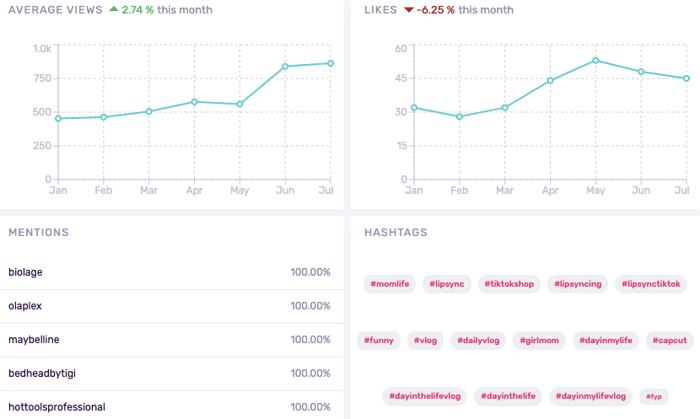
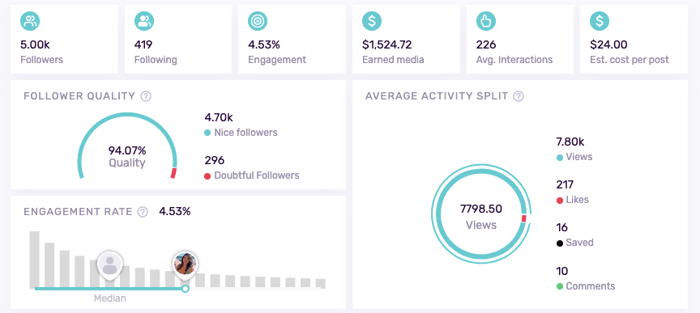
If you do find a local influencer with the right style of content, take a look at their performance metrics, too. How frequently do they post? How active and engaged is their audience? Do their values align with those of your brand? Would you want your brand to be associated with them?
Some influencer marketing platforms, like Influencity, let you add these local profiles to your own influencer database, giving you access to these stats and more. This way you know that you are getting the most bang for your buck on the local influencers in your area.
Searching local hashtags is one of the fastest ways to discover creators who are already active in your target community. Focus on hashtags that combine your location with your industry or niche to identify people already influencing local conversations.
For example, if you want to see if there are any local influencers who could promote your New York restaurant, you could search for anyone using the hashtag #newyorkfoodbloggers. Try a variety of keywords to see what posts come up. You might find someone working with similar brands in your local area.
Besides using hashtags to monitor relevant conversations, it’s important to take it a step further and measure the sentiment behind what people are saying about your brand. Let’s be honest, it doesn’t help much to know you’re getting mentioned if you don’t know how you’re being mentioned. Are people recommending you? Criticizing a service? Just mentioning you in passing? Understanding this nuance lets you clearly see how your brand is perceived and how that perception evolves with each campaign.
It’s also worth keeping an eye on your competitors. Not to copy them, but to analyze what types of conversations they’re generating, which topics resonate with their audiences, what kind of engagement they’re getting, and which influencers they collaborate with. This gives you insight into what’s working in your niche and shows you opportunities you might be missing, especially when working with local influencers to build real, community-driven campaigns.
Social listening platforms such as Influencity simplify this process by combining hashtag monitoring, brand mentions, sentiment analysis and competitor tracking in a single dashboard. Instead of manually reviewing hundreds of posts, you can identify relevant creators and emerging conversations using real data.
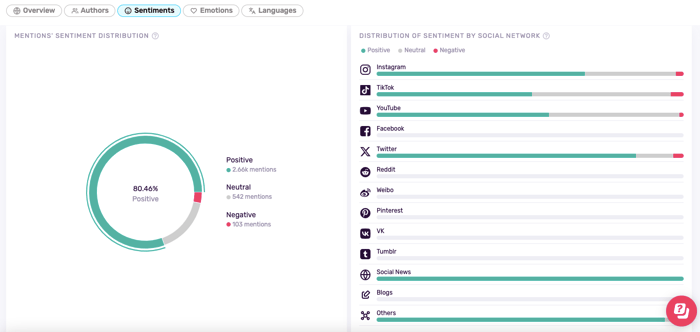
If you’re wondering how to search influencers who align with your local community and your brand values, social listening is one of the most effective first steps. By listening to what people are talking about, which influencers are already involved in those conversations, and what your audience cares about, you can identify the right profiles to collaborate with, instead of relying on vanity metrics alone.
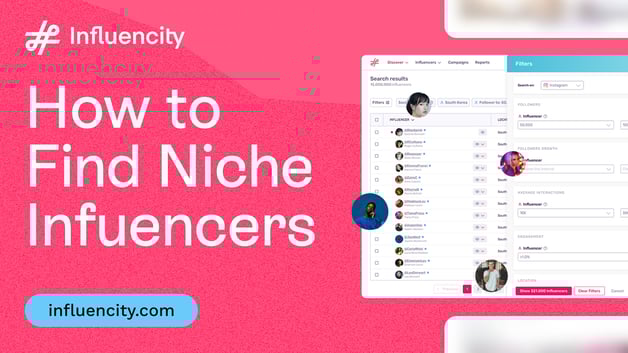
Finally, the most effective way to find local influencers is by using an influencer platform. That way, you have access to a broad variety of profiles which you can narrow down by filtering for certain interests, locations, and influencer and audience brand affinities. This means that you can quickly create a list of potential candidates in your area.

This is where many brands and agencies get stuck: they can spend hours scrolling through social media manually looking for profiles without really knowing if those influencers have a local audience or if their followers align with the client they’re trying to reach. Using a platform isn’t just a shortcut; it’s a way to ensure every euro you invest in influencer marketing is focused and effective.
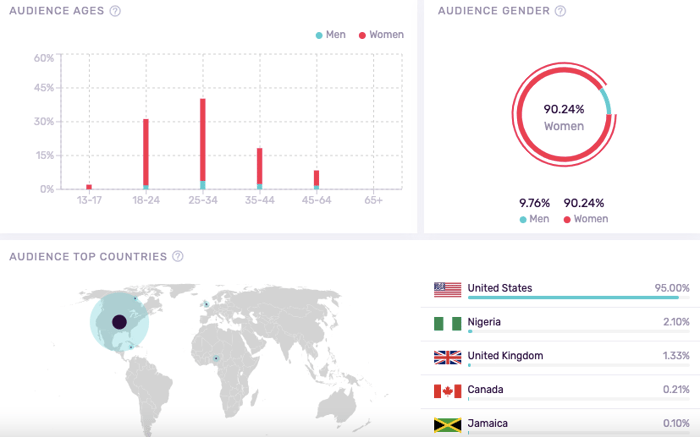
For example, with Influencity, you get a full spectrum of influencer marketing tools and features that help you find the right influencers in your local area. This includes filters that let you narrow down influencers by country, city, and even US state. What’s more, Influencity gives you key audience data to show you where a content creator’s followers are located, what languages they speak, and what brands and hobbies interest them. This means that you reach your target audience each and every time, attracting customers to your small business and giving you the best possible return on your investment.
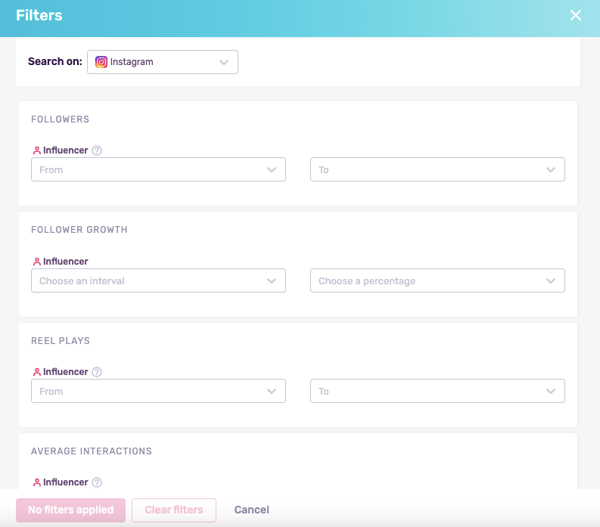
Additionally, Influencity provides you with key audience data for each profile: where their followers are located, what languages they speak, and what brands and interests they engage with. This is crucial because many times an influencer might live in your city but have 80% of their audience in another country, which won’t help your local client. With these insights, you can confirm that you’re truly reaching your target audience at all times, driving customers to your business, and ensuring you get the best possible return on investment.
In short, if you want to save time, select the right profiles, and build influencer marketing campaigns that generate real results for local brands, using a platform like Influencity isn’t optional—it’s a strategic investment.
If you’re wondering how to search influencers who truly align with your local campaigns, using a platform with advanced filters and audience data will help you find local influencers who can actually drive foot traffic and conversions, not just likes.
In today’s competitive landscape, focusing on local influencers isn’t just a nice-to-have—it’s essential for agencies that want to create campaigns with real impact. The power of these influencers lies in their authentic connection with their community and their ability to drive meaningful engagement that turns followers into customers.
Knowing how to search influencers effectively can save you hours of guesswork and ensure your campaigns hit the right audience every time. Using a comprehensive platform like Influencity gives you the tools to filter influencers by location, interests, and audience demographics—helping you find the perfect match for your client’s local strategy.
If you want your campaigns to go beyond vanity metrics and generate real foot traffic, sales, and brand loyalty, investing time and resources in finding the right local influencers is a smart move.
Ready to streamline your search and maximize your client’s ROI? Give Influencity a try and see how data-driven influencer marketing can transform your campaigns.









%20and%20How%20Can%20They%20Benefit%20Your%20Brand%20article.jpg?length=628&name=What%20Are%20Key%20Opinion%20Leaders%20(KOL)%20and%20How%20Can%20They%20Benefit%20Your%20Brand%20article.jpg)