

Having a good brand reputation determines how your market feels about your company and whether or not they are likely to invest in your products or services. Regardless you’re a large or small company, your reputation can make or break you.
 Your brand reputation is also important when it comes to digital marketing. Unless your target audience trusts and believes in you, then your influencer marketing campaigns are unlikely to succeed. However, the good news is that the message and right campaign can help you boost your brand reputation.
What Will You Learn?
Why Brand Reputation Matters for Long-Term Growth?
HoHow to Build and Protect Your Brand Reputation
Examples of Good Brand Reputation
Lessons from Poor Brand Reputation Practices
Brand reputation is the overall perception of a company’s image as seen through the eyes of its customers, stakeholders, and the public. It’s shaped by how people view your products or services, customer support, marketing, social media presence, and the values your company promotes. In short, it’s what people think and feel when they hear your brand’s name.
Every detail plays a role in building or breaking your brand reputation. A thoughtful reply to a customer question, a well-written post, or even how you respond to criticism can strengthen trust and loyalty. On the other hand, a single bad experience or misstep can damage how people see you and impact your bottom line.

The numbers say it all. According to Edelman, 81% of consumers need to trust a brand before they’ll buy from it. Similarly, Stackla found that 86% of people care about authenticity when deciding which brands to support. These stats show that your reputation isn’t just about looking good: it’s essential to your success.
A strong brand reputation is one of the most valuable assets a business can have. It builds customer loyalty, turning your buyers into brand advocates who naturally spread the word about your company. This kind of loyalty is especially important in competitive markets because it helps your business grow, launch new products, and even enter new markets with confidence. In fact, 90% of consumers say they are more likely to trust a brand recommended by a friend.
Let’s expand now on why it's so important to maintain a positive brand reputation.
A positive brand reputation:
In contrast, if you have a bad reputation then you will almost certainly isolate yourself from your target market and fall behind as a business. In fact, 94% of consumers claim that a negative review is often enough to put them off a business. This demonstrates the immense influence of public perception on a brand's ability to attract and retain customers.
.png?width=250&height=246&name=Graphs%20(13).png)
Moreover, today’s consumers care more than ever about what a brand stands for, with 83% of millennials preferring to buy from brands that share their personal values, reflecting a growing expectation for businesses to act ethically and responsibly.
That’s why it’s so important to carefully manage your reputation at each and every touchpoint. A single misstep can send your reputation into a tailspin, and once that happens, it’s incredibly hard to bounce back. But by staying true to your values and being thoughtful about how you communicate, you can build trust and protect your brand from unnecessary risks. After all, a good reputation is one of the most valuable things a business can have.
As we just mentioned, having a good brand reputation is important to guarantee the success of your business and your influencer marketing campaigns. But building and strengthening a strong reputation isn’t a one-off task; it’s something you need to work on all the time. Your brand reputation strategy needs to be both proactive and reactive. You need to actively shape how people experience your brand, reinforce trust at every touchpoint, and adapt when expectations change. You also need to make sure that you hire the right influencers and implement the right strategies to amplify your efforts. In practice, that means thinking beyond campaigns alone. Brand reputation is built through consistency, credibility, responsiveness, and the ability to turn everyday interactions into trust-building moments. Consumer expectations around trust and authenticity remain high, which is why reputation has to be managed continuously rather than treated as a one-time branding exercise.
Here are some valuable strategies to help you build and strengthen your brand reputation.
Your identity is the foundation of your brand reputation. It’s how people recognize, remember, and connect with your business. It’s not just your logo or tagline; it’s the values you stand for, the promises you make, and the way you show up in every interaction. When you have a clear, consistent identity, it builds trust and makes people feel confident choosing your brand. But it doesn’t stop there; strengthening that identity means constantly communicating who you are and evolving to stay relevant while staying true to your core mission and vision. This is especially important in digital spaces, where people often encounter your brand through social content, creator partnerships, customer service replies, reviews, and online conversations before they ever buy from you. If those touchpoints feel disconnected, your brand reputation can weaken even if your visual branding looks polished.
For instance, Coca-Cola has built a brand identity around happiness and togetherness, consistently reflected in its campaigns and messaging for over a century. That consistency is key to their global recognition. What matters here is not just repetition, but coherence. The strongest brands make people feel like they know what to expect from them, whether they are seeing an ad, reading a caption, visiting a website, or hearing a creator talk about the brand. That familiarity helps strengthen brand reputation over time because it makes trust easier to build and easier to maintain. Brand consistency is widely seen as a core driver of trust, recognition, and long-term loyalty.
Pro Tip: Create a brand style guide that includes your mission, values, voice, and visuals, and make sure everyone on your team follows it. Consistency builds credibility.
Influencer marketing is a game-changer when done right. It’s all about tapping into the trust and authenticity influencers have built with their followers. When influencers genuinely love your product and share it, their audience takes notice. This can help your brand reach more people and also feel more relatable and trustworthy. But strengthening your brand reputation through influencers requires finding the right fit. In other words, someone whose values and audience align with your brand.
Take Gymshark, for example. Gymshark is often cited as a strong example of reputation-building through creator and community alignment. The brand was built from within fitness culture and later expanded into content creation and events, which helped reinforce a sense of authenticity around the brand rather than making it feel like an outsider trying to enter the space. That is the real lesson for brands: influencer partnerships work best when they amplify a reputation that already feels believable. If the creator-brand fit is weak, even a high-visibility campaign can do little for brand reputation and may even create skepticism instead.
Pro Tip: Do your research before choosing influencers. Look for those whose followers align with your target audience and whose values match yours. Authenticity is everything.
Every message your brand puts out into the world matters. It’s not just about what you say: it’s about how you say it and who’s saying it for you. If your messaging doesn’t align with your core values, it can confuse or alienate your audience. This is especially important when working with influencers because one wrong post can undo years of hard work. Strengthening your messaging is about being intentional and clear. It is also about making sure that your words, tone, partnerships, and public actions all point in the same direction. If they do not, your brand reputation can start to weaken very quickly, especially on social media where audiences react in real time.
This matters even more today because trust is increasingly shaped by creators and online communities. Edelman reports that 60% of consumers now trust what a creator says about a brand more than what the brand says about itself.
For example, when Pepsi released a controversial ad in 2017, the backlash was swift, showing how a misaligned message can hurt even a major brand. The lesson is still relevant: even large brands with strong visibility can damage brand reputation when a campaign feels disconnected from the cultural context around it. Visibility alone does not protect a brand if the message lands the wrong way.
Pro Tip: Before launching a campaign or collaborating with influencers, make sure they fully understand your brand’s values and key messages. Clarity and alignment are essential.
Campaigns are your chance to showcase who you are and what you stand for, so make them count. A strong campaign isn’t just about selling a product; it’s about building trust, adding value, and strengthening your brand reputation. Think about the kind of content your audience will find meaningful, whether it’s an explainer video, a cause-driven initiative, or a story that highlights your commitment to quality. The most effective campaigns do more than attract attention in the moment. They help people understand what your brand stands for and why they should keep trusting it over time.
This is why campaign format matters. The right type of campaign can make your message feel credible, relevant, and easy to connect with. Educational content can position your brand as helpful and informed. Community-led campaigns can make your brand feel more human and approachable. Purpose-driven campaigns can reinforce your values, but only if they feel genuine and supported by real action. If there is a disconnect between the campaign and the actual brand experience, your brand reputation can suffer rather than improve.
Dove’s “Real Beauty” campaign is a great example. It not only sold products but also reinforced their values of authenticity and inclusivity, making a lasting impression on consumers. What made it powerful was not just the message itself, but the consistency behind it. The campaign supported a broader brand identity, which made it feel more believable and more memorable. That is exactly what brands should aim for when using campaigns to strengthen brand reputation.
Pro Tip: Focus on campaigns that align with your brand’s values and tell a story. Trends are great, but staying true to your identity will have a much greater impact.
CSR isn’t just a buzzword: it’s a powerful way to show that your brand cares about more than profits. Whether it’s supporting environmental causes, giving back to your community, or prioritizing fair labor practices, CSR initiatives build trust and goodwill. When people see that your company is making a positive impact, they’re more likely to support and recommend you. More importantly, CSR can strengthen brand reputation when it feels like a real extension of your company’s values rather than a one-off campaign. People are quick to notice the difference between brands that talk about responsibility and brands that actually build it into the way they operate.
Patagonia is a leader in this space, with initiatives like donating 1% of sales to environmental causes and encouraging sustainability. It’s helped them build a reputation as a socially responsible brand. Patagonia is a strong example because its environmental positioning is not limited to a single message or seasonal campaign. The brand has long tied its identity to environmental action, including its 1% for the Planet commitment and broader activism and responsibility programs. That kind of consistency is what makes CSR more believable and more effective at supporting long-term brand reputation.
Pro Tip: Choose CSR initiatives that align with your values and communicate them transparently. People appreciate honesty and effort, even if you’re still a work in progress.
Social media is where your brand meets your audience in real-time. It’s an opportunity to connect, listen, and build relationships. By engaging with comments, answering questions, and sharing meaningful content, you can create a more human and approachable image for your brand. But strengthening your social media presence means being consistent, responsive, and genuine. It also means recognizing that every public interaction shapes your brand reputation. A helpful reply, a calm response to criticism, or the way you handle customer questions in public can all influence how people feel about your brand.
Wendy’s is a great example of a brand that engages effectively, using humor and timely responses to connect with their audience in a relatable way. What makes that example interesting is not just the tone itself, but the consistency behind it. The brand’s social presence feels distinctive and recognizable, which helps reinforce its identity over time. The key takeaway is not that every brand should sound playful, but that your social media voice should feel clear, intentional, and aligned with the rest of your brand reputation.
Pro Tip: Don’t just post and leave. Stay active, respond to comments, and show your personality. A little engagement can go a long way in building loyalty.
Public relations isn’t just about damage control; it’s about sharing your story with the right audience in the right way. Whether it’s through press releases, partnerships, or community events, PR helps boost your credibility and strengthen your brand reputation. Positive media coverage can showcase your brand’s values and accomplishments, giving people more reasons to trust you. It can also help shape how people understand your brand beyond your own marketing. A strong PR strategy gives you the chance to reinforce your expertise, highlight meaningful milestones, and stay visible in ways that feel more credible than paid promotion alone.
This is especially important when you want to build brand reputation over time rather than just generate attention in the short term. The strongest PR efforts are usually the ones that support a bigger brand story, whether that is innovation, community impact, leadership, or a clear point of view in your industry.
LEGO is a stronger example here. The company continues to generate positive media attention through a mix of product innovation, entertainment partnerships, and broader brand storytelling around creativity, learning, and sustainability.
Pro Tip: Build relationships with journalists and media outlets in your industry. When you have news or milestones to share, they’ll be more likely to cover your story.
Your happiest customers and employees can be your greatest advocates. When people have a positive experience with your brand, they’re more likely to share it with others, whether that’s through a glowing review, a social media post, or a referral. Encouraging advocacy helps build trust and strengthens your brand reputation organically. It also gives your brand something especially valuable: credibility that does not come directly from your own marketing. Reviews, referrals, user-generated content, and employee recommendations often feel more believable because they come from real experience rather than from a campaign message. That is why advocacy can be such a powerful driver of brand reputation over time.
For example, Apple’s loyal customer base often shares their love for its products, creating word-of-mouth buzz that’s invaluable. That kind of advocacy matters because it keeps the brand visible in everyday conversations, not just in paid media.
Pro Tip: Encourage advocacy by creating referral programs or sharing user-generated content. Highlighting real stories builds authenticity and trust.
When your brand is seen as a thought leader, it automatically strengthens your brand reputation. Sharing valuable insights, expertise, and solutions through blogs, webinars, and whitepapers not only attracts attention but also builds trust and authority in your industry. It also helps people associate your brand with knowledge, credibility, and long-term value rather than just products or promotions. That matters because brand reputation is often shaped by what people believe your company knows, stands for, and contributes to its space. When your content consistently helps your audience understand a topic, solve a problem, or make a better decision, your brand becomes more trustworthy over time.
HubSpot is a standout example, offering a wealth of free resources that have made them a go-to authority in marketing and sales.
Pro Tip: Focus on creating content that solves real problems for your audience. The more value you provide, the more they’ll trust and respect your brand.
Finally, don’t forget about the power of your most important assets in building brand reputation: your employees. Why? Because happy employees are a reflection of a strong brand. When your team feels valued and engaged, they become natural ambassadors for your company, sharing their positive experiences with others. Investing in your employees strengthens not just your internal culture but also your external reputation. It also makes your brand feel more credible, because people tend to trust what employees say about a company when it reflects real day-to-day experience rather than polished messaging.
Microsoft is a stronger example here. The company continues to emphasize employee wellbeing, flexibility, and growth in its careers messaging, which helps show how employee experience can support brand reputation from the inside out.
Pro Tip: Regularly check in with your employees through surveys or feedback sessions. Acknowledge their contributions publicly as it shows you value their work and fosters loyalty.
Building a strong brand reputation is all about earning trust, loyalty, and goodwill from your customers. Some companies do this exceptionally well. Take Apple, for example. Known for its innovative products and focus on user experience, Apple has built a loyal following that keeps coming back for more. People trust the brand to deliver quality and cutting-edge technology, which is why Apple is consistently ranked as one of the world’s most admired companies.
Another standout is Patagonia, a brand that has built its reputation on sustainability and doing the right thing for the planet. They’re transparent about how their products are made, using sustainable materials and ethical practices. Patagonia also donates 1% of its sales to environmental causes (as we saw earlier in the post), which has made it a favorite among eco-conscious shoppers. It’s not just about selling clothes: it’s about making a positive impact.
Costco is another great example. They’ve earned a reputation for offering high-quality products at fair prices and treating their employees well. People appreciate their no-nonsense approach to value and fairness, which has created a loyal customer base that trusts them completely.
These brands show that a good brand reputation isn’t just about advertising: it’s about delivering on your promises, staying true to your values, and showing customers that you care about more than just profits. That’s what really builds trust and loyalty.
Influencers can make a huge difference when it comes to building a brand’s reputation. A great example is Marques Brownlee (MKBHD). His honest, in-depth reviews of Apple products, like iPhones and MacBooks, have highlighted the brand’s quality, innovation, and design. Marques has a way of breaking down tech in a way that’s both insightful and trustworthy, making Apple’s reputation as a leader in technology even stronger among his millions of followers.
Another example is Alex Honnold, the world-famous rock climber and environmental advocate. As a Patagonia ambassador, Alex often talks about their durable gear and environmental efforts, like protecting public lands. His alignment with Patagonia’s values and his credibility in the adventure community have helped the brand stand out as a leader in sustainability.
Then there’s Kumiko Love, also known as The Budget Mom. She regularly shares how Costco helps families save money without cutting corners on quality. Her tips on bulk-buying and her love for Costco’s employee-friendly policies have made her posts relatable and valuable for her audience. It’s no surprise that she’s helped strengthen Costco’s reputation as a trusted, family-friendly retailer.
A damaged brand reputation can happen surprisingly fast, and the effects can last for years. In most cases, the problem is not just the original mistake, but how the company behaves once trust starts to break down. Dishonesty, poor crisis management, weak accountability, and a failure to protect customers can all turn a single incident into long-term reputational damage. That is why brand reputation is not only built through good campaigns and positive visibility, but also through the choices a company makes under pressure.
One of the most widely cited examples is Volkswagen’s emissions scandal. U.S. regulators said the company used “defeat devices” in around 590,000 diesel vehicles to cheat federal emissions tests, making the cars appear cleaner than they really were. The case became a major reputational blow because it directly contradicted the brand’s positioning around engineering quality and trust. It is a clear reminder that when a company is seen as misleading the public, brand reputation can unravel very quickly.
Wells Fargo is another strong example. Regulators found that employees had secretly opened unauthorized accounts in customers’ names in order to hit sales targets and earn bonuses. What made the damage so serious was that the issue pointed not just to individual wrongdoing, but to deeper problems in culture, incentives, and oversight. For any business, this shows how internal practices can directly shape external brand reputation. If the systems inside the company reward the wrong behavior, trust outside the company is likely to suffer.
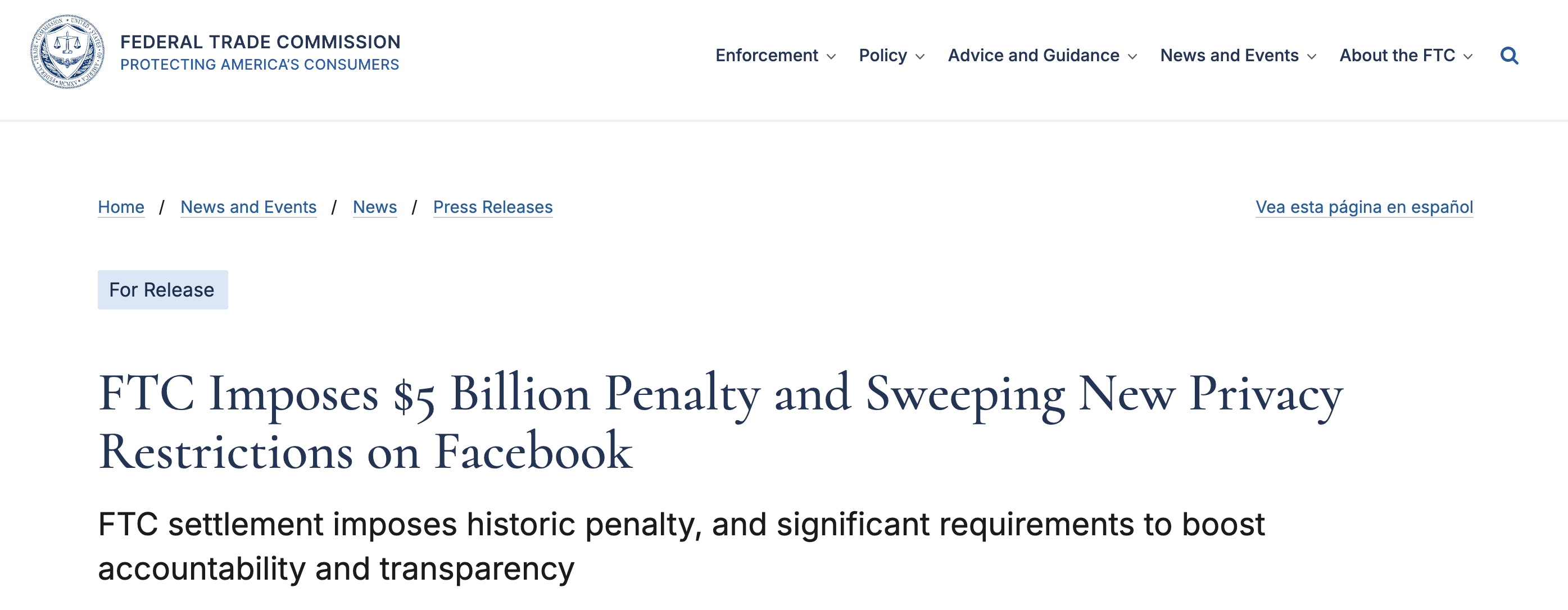
Meta, through the Cambridge Analytica scandal, shows how quickly brand reputation can weaken when users feel their privacy has been mishandled. The FTC said deceptive practices were used to harvest personal information from tens of millions of Facebook users, and Facebook later agreed to a record $5 billion FTC settlement over privacy-related allegations. The broader reputational lesson is that transparency and user trust are hard to rebuild once people believe a platform has not protected them properly.
United Airlines remains a useful example of how poor crisis handling can make a bad situation worse. After a passenger was forcibly removed from an overbooked flight in 2017, videos of the incident went viral and triggered global outrage. Early responses from the company were heavily criticized, which made the backlash even more damaging. This case shows that brand reputation is often shaped not only by the incident itself, but by whether the company responds with empathy, accountability, and clarity.
For brands working with creators, there is also a more proactive lesson here: protecting brand reputation starts before a campaign goes live. Vetting influencers carefully can help reduce the risk of partnering with creators whose content, tone, or past behavior may not align with your values. Tools like Influencity’s Brand Safety resources are designed to help teams standardize reviews, assess risk more consistently, and catch potential issues before they become reputational problems.

Ultimately, these cases show that poor brand reputation practices usually follow the same pattern: a breakdown in trust, followed by a weak or delayed response. Whether the issue is dishonesty, bad service, privacy failures, or harmful internal incentives, the result is often the same. Once trust is lost, it becomes much harder and much more expensive to rebuild. That is why protecting brand reputation requires more than good messaging. It requires ethical decisions, strong internal standards, and the willingness to take responsibility when things go wrong.
Brand reputation is the overall perception people have of your company based on its actions, messaging, products, and customer experience.
Brand reputation matters because it influences trust, loyalty, purchase decisions, and long-term business growth.
A company can improve its brand reputation by being consistent, transparent, responsive, and aligned with its values across every touchpoint.
Yes, influencer marketing can strengthen brand reputation when brands partner with creators who genuinely fit their values and audience.
Poor customer service, misleading messaging, privacy issues, weak crisis responses, and bad partnerships can all damage brand reputation.









%20and%20How%20Can%20They%20Benefit%20Your%20Brand%20article.jpg?length=628&name=What%20Are%20Key%20Opinion%20Leaders%20(KOL)%20and%20How%20Can%20They%20Benefit%20Your%20Brand%20article.jpg)







.png?length=628&name=Pop-up%20image%201200%C3%97800@1x%20(1).png)